
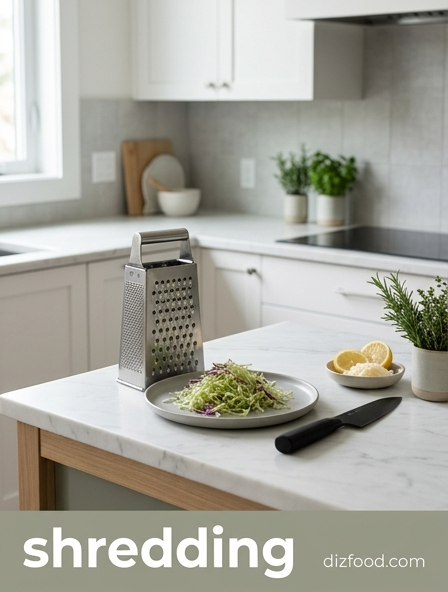
Essential Tools for Shredding Hearty Greens
To achieve the perfect shred for hearty greens like kale or cabbage, having the right equipment is paramount. A high-quality chef's knife remains the most versatile tool in the kitchen. A blade length of eight to ten inches provides the necessary leverage to slice through dense fibrous layers without crushing the delicate cells of the leaves. Alongside the knife, a stable, large-capacity cutting board made of wood or high-density plastic ensures that you have enough surface area to manage oversized leaves before they are broken down into ribbons.
- Chef's Knife: Essential for precision and control during the rocking motion of shredding.
- Salad Spinner: Crucial for removing moisture after washing, ensuring the shreds remain crisp and do not steam when cooked.
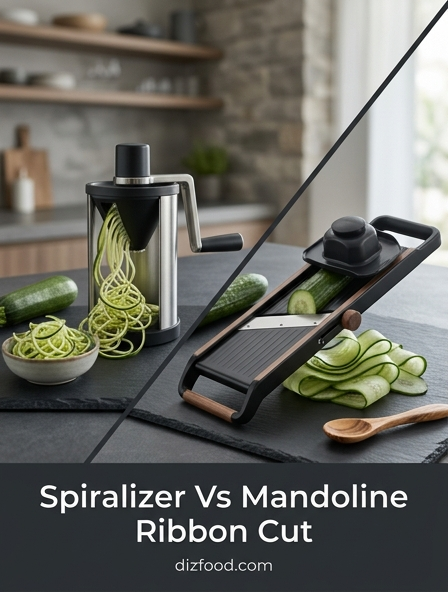
- Mandoline Slicer: Ideal for achieving paper-thin consistency with cabbage or Brussels sprouts, though it requires a safety guard.
- Kitchen Shears: Useful for quickly de-stemming leaves before they are stacked for shredding.
In addition to these manual tools, some chefs prefer the speed of a food processor equipped with a slicing disk. While this saves time, it often sacrifices the uniformity and aesthetic appeal that hand-cutting provides. Choosing the right tool depends largely on the volume of greens being prepared and the desired final texture of the dish.
Best Leafy Greens for Rustic Textures
Hearty greens are characterized by their thick cell walls and resilient structures, making them ideal candidates for shredding techniques. Unlike soft lettuces that wilt almost instantly, these greens hold their shape and provide a satisfying crunch even after being dressed or lightly cooked. When selecting greens for a rustic, shredded texture, it is important to consider the thickness of the leaf and the bitterness of the flavor profile.
| Green Variety | Texture Profile | Best Use Case |
|---|---|---|
| Lacinato Kale | Bumpy and firm | Raw salads and slaws |
| Collard Greens | Smooth and thick | Braised ribbons or wraps |
| Swiss Chard | Tender but fibrous | Quick sautés |
| Savoy Cabbage | Crinkled and light | Soups and garnishes |
Mustard greens and turnip greens also fall into this category, offering a peppery bite that complements the increased surface area created by shredding. Because these varieties are so robust, they can be prepped well in advance of a meal without losing their structural integrity, making them a favorite for meal prep and high-volume catering environments.
Step by Step Shredding Technique
Properly shredding hearty greens requires a systematic approach to ensure safety and uniformity. The goal is to transform large, unwieldy leaves into thin, manageable strands that cook evenly and integrate well with other ingredients. By following a structured process, you can maximize efficiency and produce professional-quality results in a home kitchen environment. The following steps outline the most effective manual method for processing hearty greens.
- Wash and Dry: Thoroughly clean the leaves in cold water and spin them dry. Excess moisture causes the knife to slip and results in soggy shreds.
- De-stem: Remove the woody center rib by folding the leaf in half and slicing along the stem or pulling the leaf away by hand.
- Stack and Roll: Layer several leaves on top of one another, aligning them flat. Roll the stack tightly into a cigar shape, often referred to as a "cigarroll."
- Slice: Using a sharp chef's knife, cut across the roll in thin, even intervals to create long ribbons.
- Fluff: Toss the resulting ribbons with your hands to separate the layers and create volume.
This technique, while simple, ensures that every piece of the vegetable is utilized effectively while providing a consistent mouthfeel across the entire dish.
Mastering the Chiffonade for Thick Leaves
The chiffonade technique is a classic French cutting style that translates to "made of rags." While it is frequently associated with delicate herbs like basil or mint, it is exceptionally effective for hearty, thick-leaved vegetables. When applying this to greens like collards or kale, the technique requires a bit more physical pressure due to the density of the foliage. The key to a successful chiffonade on hearty greens is the tightness of the roll; a loose roll will lead to jagged, uneven edges and potentially dangerous knife slips.
As you slice through the bundled leaves, the thickness of the "ribbons" can be adjusted according to the recipe's needs. For raw applications, such as a kale caesar salad, a very fine chiffonade is preferred to help break down the tough fibers. For soups or stews, a wider cut-roughly half an inch-is more appropriate, as it allows the greens to maintain some presence in the hot liquid. Mastering this technique not only improves the visual presentation of a meal but also ensures that every bite contains an equal distribution of flavor and texture, elevating the overall dining experience.
Prepping Kale and Collards for Cooking
Kale and collard greens are the heavyweights of the produce aisle, known for their nutritional density and their tough, fibrous nature. Prepping these greens for shredding is a two-part process that involves both mechanical cutting and physical tenderization. Because the stems of these plants are often too woody to eat raw and take significantly longer to cook than the leaves, they must be meticulously removed before the shredding begins.
- Stripping: Hold the stem with one hand and slide the other hand along the stalk to strip the leaves away in one motion.
- Massaging: For raw shredded kale, sprinkle a small amount of salt or lemon juice on the ribbons and massage them for two minutes to break down the cellulose.
- Blanching: For collards, a quick dip in boiling water after shredding can help soften the bite before they are added to a sauté pan.
Once the leaves are stripped and cleaned, they are ready to be stacked and shredded. Dealing with these greens specifically requires patience, as their volume reduces significantly once they are cut and cooked. Understanding the ratio of raw volume to cooked yield is essential for accurate portioning in professional and home recipes alike.
Safety Tips for Manual Knife Shredding
Shredding large quantities of greens involves repetitive motions with a sharp blade, which can lead to fatigue and potential injury if safety protocols are neglected. The most important safety factor is the sharpness of the knife. A dull blade requires more force to penetrate the thick leaves of greens like cabbage or collards, increasing the likelihood of the knife slipping off the rounded surface of the "cigarroll." Ensuring the blade is honed before starting the task is the first line of defense against accidents.
- The Claw Grip: Always tuck your fingertips inward and use your knuckles to guide the flat side of the knife blade.
- Stable Base: If your cutting board slides, place a damp paper towel underneath it to lock it in place on the countertop.
- Proper Height: Stand at a counter that allows your elbows to be at a 90-degree angle, reducing strain on your wrists and shoulders.
- Focus on Rhythm: Speed comes with practice; focus initially on the uniformity of the cuts rather than the velocity of the knife.
By maintaining a clean workspace and following these fundamental safety guidelines, you can process large volumes of hearty vegetables efficiently while minimizing the risk of cuts or repetitive strain injuries.
Enhancing Salad Textures with Shredded Cuts
The way a vegetable is cut fundamentally changes how it interacts with other ingredients in a salad. Shredded greens provide a significantly higher surface-area-to-volume ratio than chopped or torn leaves. This allows dressings, especially heavier vinaigrettes or creamy emulsions, to coat every fiber of the vegetable more thoroughly. For hearty greens, this increased surface area also aids in the "wilting" process, where the acids in the dressing begin to break down the tough plant cell walls, making the salad easier to chew and digest.
In addition to flavor absorption, shredded cuts contribute to a more sophisticated mouthfeel. Instead of large, cumbersome leaves that are difficult to fit on a fork, shredded greens create a light, aerated texture that mingles easily with other small ingredients like toasted seeds, crumbled cheese, or dried fruit. This homogenization ensures that every forkful is a balanced representation of the entire dish. Furthermore, the aesthetic of finely shredded greens lends a professional, gourmet appearance to even the simplest of side dishes, making them more appetizing to diners who might otherwise be intimidated by the ruggedness of raw hearty greens.
Comparing Shredding and Traditional Slicing
While the terms are often used interchangeably in casual cooking, shredding and traditional slicing serve different culinary purposes and yield distinct results. Shredding typically refers to creating long, narrow strips that vary slightly in width, often achieved by rolling the leaf. Slicing, on the other hand, usually involves cutting the leaf into broader, more geometric shapes. The choice between these two methods affects the cooking time, the visual appeal, and the way the vegetable carries sauces or oils.
| Feature | Shredding | Traditional Slicing |
|---|---|---|
| Width | Very thin (1/8 inch) | Wide (1/2 inch to 1 inch) |
| Cooking Speed | Extremely rapid | Moderate to slow |
| Mouthfeel | Tender and integrated | Substantial and toothsome |
| Ideal Dish | Slaws, soups, garnishes | Stir-fries, braised sides |
In hearty vegetables, shredding is often preferred when the goal is to soften the vegetable's natural toughness. Traditional slicing is better suited for dishes where the vegetable is meant to be a primary structural component, such as in a hearty vegetable stir-fry or a rustic rustic soup where the greens should not disappear into the broth.
Culinary Applications for Shredded Greens
Shredded hearty greens are incredibly versatile and can be used across a wide range of cuisines and cooking methods. Their ability to withstand heat while maintaining some degree of texture makes them superior to softer greens in long-form cooking. In Asian cuisines, finely shredded cabbage and bok choy are essential for fillings in dumplings and spring rolls, where moisture control is vital. In Southern American cooking, shredded collards are often braised with smoked meats, allowing the thin ribbons to absorb the savory pot likker.
- Soups and Stews: Add shredded kale in the last five minutes of cooking for a vibrant green color and tender texture.
- Fermentation: Shredded cabbage is the foundational element for sauerkraut and kimchi, providing the necessary surface area for salt to draw out moisture.
- Breakfast Dishes: Fold shredded Swiss chard into omelets or frittatas for an easy nutritional boost.
- Grain Bowls: Use a base of raw, massaged shredded greens to provide a crunchy contrast to soft grains and roasted tubers.
Beyond these traditional uses, shredded greens serve as an excellent low-carb substitute for noodles or pasta when lightly steamed, offering a nutritious alternative that pairs well with marinara or pesto sauces.
Maintaining Texture in Hearty Vegetable Dishes
The primary challenge when working with shredded hearty greens is preventing them from becoming mushy or losing their vibrant color during the cooking process. Because shredding exposes more of the interior of the leaf, the greens are more susceptible to overcooking. To maintain a desirable "al dente" texture, it is often best to use high-heat, short-duration cooking methods like sautéing or stir-frying. This sears the edges of the shreds, adding a nutty flavor while keeping the core of the ribbon crisp.
Another technique for maintaining texture is the use of acids and cold shocks. If you are prepping shredded greens for a cold application, placing the cut ribbons into an ice water bath for a few minutes can "crisp" them up by tightening the cellular structure. When cooking, adding a splash of vinegar or lemon juice at the very end of the process can help preserve the bright green chlorophyll and provide a flavor contrast to the earthy notes of the vegetables. By carefully monitoring the time the greens spend in the pan, you can ensure that the shredded texture remains an asset to the dish rather than a detriment.



Comments