

The Science of Herb Cellular Structure
The essence of culinary herbs lies within their complex cellular architecture. Most aromatic herbs, such as basil, mint, and cilantro, store their flavorful essential oils in specialized structures called glandular trichomes or oil sacs. These microscopic reservoirs are often located just beneath the leaf epidermis or within the interstitial spaces of the mesophyll. The cell walls, primarily composed of cellulose and pectin, act as a protective barrier that prevents these highly volatile compounds from evaporating into the atmosphere prematurely.
Understanding the fragility of these structures is paramount for any chef. When the cell wall is breached, a chemical cascade begins. The integrity of the herb's flavor profile depends on how and when these cells are ruptured. If the cellular structure is dismantled too aggressively, the essential oils are not just released; they are exposed to internal enzymes that begin to alter their chemical composition immediately. This biological design ensures the plant can deter herbivores in nature, but in the kitchen, it dictates the precise methodology required to harvest maximum flavor for a dish.
Sharp Blades and Oil Retention
The sharpness of a knife is the most critical factor in determining whether essential oils remain within the herb or are wasted on the cutting board. A razor-sharp edge acts like a surgical instrument, cleanly severing the cellulose fibers and cell walls with minimal displacement. This precision ensures that only the cells directly in the path of the blade are opened, leaving the surrounding tissue intact and the essential oils trapped within their natural reservoirs until the moment of consumption.
| Blade Condition | Cellular Impact | Oil Retention Status |
|---|---|---|
| Razor Sharp | Clean incision | Maximum retention |
| Moderate | Partial tearing | Moderate loss |
| Dull | Crushing/Mashing | Significant loss |
When a blade is dull, it fails to slice through the tough outer cuticle of the leaf. Instead, it exerts downward pressure that compresses the internal structures. This compression forces the volatile oils out of the trichomes and onto the metal surface of the knife or the porous grain of the wooden cutting board, effectively seasoning the equipment rather than the food.
How Bruising Destroys Aromatic Compounds
Bruising is the result of blunt force trauma to the plant's vascular system. Unlike a clean cut, bruising causes a widespread collapse of the cellular framework without necessarily severing the tissue. This internal devastation leads to the mixing of cytoplasmic fluids with stored essential oils and enzymes. This interaction is particularly detrimental to the "top notes" of an herb's aroma-the most delicate and fleeting parts of the flavor profile.
The consequences of bruising can be summarized as follows:
- Immediate release of polyphenols that lead to rapid browning.
- Degradation of delicate esters and aldehydes by endogenous enzymes.
- Transition of bright, peppery, or citrus notes into heavy, "muddy," or hay-like scents.
- Premature evaporation of the most volatile aromatic fractions.
In the kitchen, bruising often occurs when a chef uses a "sawing" motion with a dull knife or bundles herbs too tightly before chopping. Once an herb is bruised, no amount of careful cooking can restore the lost vibrancy of its essential oils, as the chemical breakdown is irreversible.
The Impact of Cutting Technique on Flavor
The specific technique used to break down herbs directly influences the surface area exposed to the palate and the rate at which essential oils are released during the cooking process. A technique like the chiffonade is designed to maximize visual appeal while maintaining the structural integrity of the leaf. By stacking and rolling leaves before slicing, a chef minimizes the number of individual cuts, thereby preserving more of the oils within the thin ribbons.
Conversely, mincing is intended to create a high surface-area-to-volume ratio, which is ideal for infusions or sauces where a rapid release of aroma is desired. However, if the mincing technique is performed incorrectly-by repeatedly "hacking" at the herbs-the result is a paste-like consistency where the oils have been completely oxidized. The choice between a long, sweeping stroke and a short, vertical chop determines the final aromatic impact. Proper technique ensures that the release of oils is timed perfectly with the dish's completion, providing a fresh "nose" that defines high-quality culinary execution.
Oxidation Risks During Herb Preparation
Oxidation is the primary enemy of fresh herb essential oils once the protective cell wall is breached. When oils are exposed to oxygen, they undergo a series of chemical transformations that strip away their characteristic brightness. For instance, the limonene in citrusy herbs or the linalool in basil can quickly transform into less desirable compounds. This process is catalyzed by the enzyme polyphenol oxidase (PPO), which is released from the herb's damaged chloroplasts.
To mitigate these risks, several factors must be considered:
- Exposure Time: The longer an herb sits chopped on a board, the more flavor it loses.
- Temperature: Higher ambient temperatures accelerate the oxidative rate of volatile oils.
- Surface Contact: Increased surface area from fine chopping provides more sites for oxygen to react.
Visible darkening or "weeping" of the herb is a clear indicator that oxidation has compromised the essential oils. To maintain chemical stability, herbs should be prepared as close to the time of service as possible, using techniques that emphasize clean cuts over crushing forces.
Minimizing Friction to Prevent Evaporation
Friction during the cutting process generates localized heat, which is a major catalyst for the evaporation of essential oils. Many of the most prized aromatic compounds in herbs have very low boiling points, meaning they can transition from a liquid state to a gas even with a slight rise in temperature. When a blade is dragged through herb tissue repeatedly, the resulting friction can be enough to volatilize the most delicate oils before the herb even reaches the pan.
To minimize friction-induced loss, chefs should utilize the full length of the blade in a single, smooth motion rather than using short, repetitive scrubbing movements. A high-carbon steel blade with a polished edge further reduces the coefficient of friction, allowing it to glide through the plant fibers with minimal resistance. By keeping the blade cool and the movements efficient, the essential oils remain trapped in their liquid phase. This preservation is critical because once these oils evaporate into the kitchen air, they are lost to the diner, leaving the finished dish with a muted and lackluster flavor profile.
Precision Slicing vs. Rough Chopping
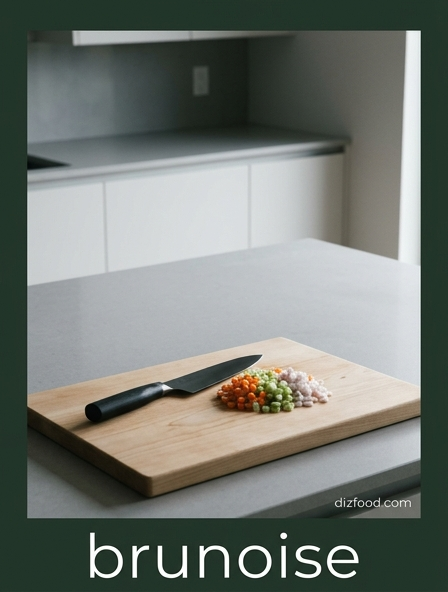
The debate between precision slicing and rough chopping is not merely aesthetic; it is rooted in the controlled release of chemical potency. Precision slicing, such as creating uniform brunoise or thin rounds, ensures that every piece of the herb behaves identically when exposed to heat or acid. This uniformity allows for a predictable and balanced extraction of essential oils, preventing some pieces from becoming over-extracted and bitter while others remain under-utilized.
Rough chopping, while faster, creates a variety of particle sizes with varying levels of cellular damage. Smaller fragments will lose their aromatic oils almost instantly, while larger chunks may never release their full potential during a brief sauté. This creates an inconsistent flavor experience. Furthermore, rough chopping often involves more erratic knife movements that increase the likelihood of bruising. Precision slicing, although requiring more advanced knife skills, treats the herb's cellular structure with the respect necessary to maintain the integrity of its essential oils from the prep station to the final presentation on the plate.
Visual Freshness and Chemical Stability
The visual appearance of a cut herb serves as a direct proxy for its chemical stability. The vibrant green color of fresh herbs is due to chlorophyll, which is housed within the same cellular environment as many essential oils. When an herb is cut correctly, the chlorophyll remains largely protected within the tissue, and the herb retains its bright hue. However, when the cutting technique is poor, the chlorophyll leaks out and reacts with the acidic components of the cell, turning the herb a dull, brownish-grey.
This color shift is a warning sign that the essential oils have also been compromised. Chemically, the degradation of chlorophyll often mirrors the degradation of the plant's aromatic terpenes. A dark, wilted, or wet-looking herb has likely lost its most volatile and "fresh" smelling components. By focusing on maintaining the visual integrity of the herb, a cook is simultaneously ensuring that the chemical compounds responsible for flavor remain stable. Visual freshness is not just about plate appeal; it is the hallmark of an herb that has its essential oil profile fully intact and ready to enhance the dish.
The Role of Sharpness in Preserving Potency
The relationship between blade sharpness and the potency of essential oils is absolute. A sharp knife functions by concentrating force onto a microscopic area, allowing it to sever molecular bonds in the cell wall with negligible impact on the surrounding area. This "clean break" is essential for preserving the potency of herbs like rosemary or thyme, which have tougher, more resinous leaves. In these varieties, the oils are more concentrated and can become intensely bitter if the leaves are crushed rather than sliced.
Consider the following benefits of a sharp edge for oil preservation:
- Reduced mechanical stress on the plant's glandular trichomes.
- Lower rate of enzymatic browning due to fewer ruptured cells.
- Decreased "bleeding" of flavorful juices onto the cutting surface.
- Better retention of the herb's natural turgor pressure and crispness.
Maintaining a sharp edge through regular honing and sharpening is therefore a fundamental requirement for anyone looking to maximize the aromatic potential of their ingredients. A sharp knife is the bridge between a raw plant and a gourmet ingredient, ensuring that the essential oils are the star of the show.
Mastering Knife Control for Maximum Aroma
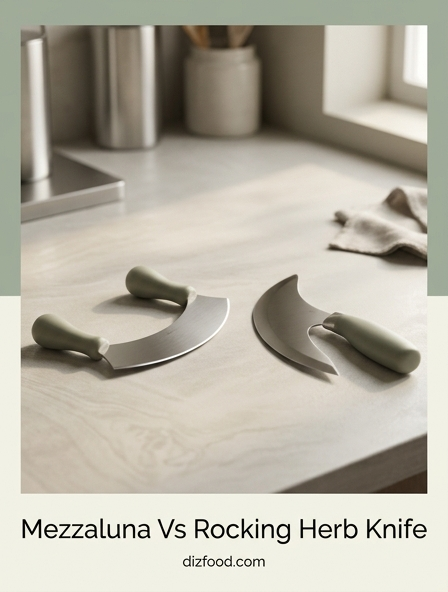
Mastering knife control is the final step in the journey of preserving herb essential oils. It is not enough to have a sharp knife; one must also possess the technique to use it without causing unnecessary trauma to the herbs. The "draw cut" or "push cut" are preferred over the "rocking chop" for delicate leaves. By moving the knife horizontally as it moves vertically, the chef ensures that the blade slices through the fibers rather than crushing them against the board.
Proper knife control also involves managing the "hand" that holds the herbs. The "claw" grip should be firm enough to guide the blade but gentle enough not to bruise the leaves before the knife even touches them. By coordinating the movement of the knife with a light touch, the chef can produce clean, consistent cuts that leave the essential oils undisturbed. This mastery results in an immediate and powerful aromatic release when the herbs finally hit the heat of the pan or the acidity of a dressing, providing a depth of flavor that is unattainable through any other preparation method.


Comments