
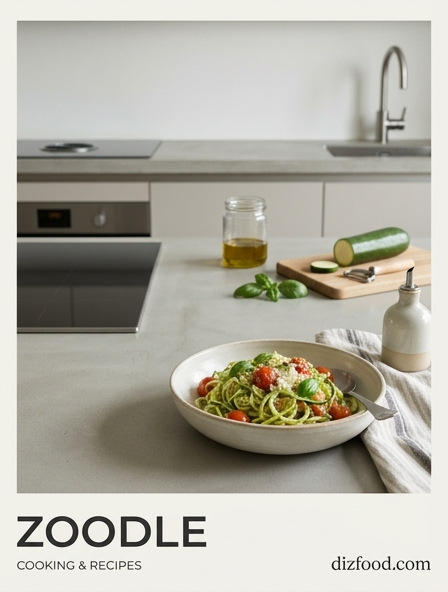
Selecting the Best Zucchini
The foundation of a high-quality zoodle dish begins with the selection of the produce. When navigating the vegetable aisle, prioritize zucchini that are medium in size, typically between six and eight inches in length. Larger zucchini may seem efficient, but they often contain high water content and large, fibrous seeds that can compromise the structural integrity of your noodles, leading to a mushy texture once heat is applied.
Examine the exterior skin for a vibrant, deep green hue and a smooth, glossy finish. The vegetable should feel heavy for its size and firm to the touch, with no soft spots or shriveled ends. Avoid any specimens with deep nicks or bruises, as these areas tend to oxidize quickly. To ensure the freshest results, look for the following characteristics during your selection process:
- Firmness throughout the entire length of the vegetable.
- A bright green, intact stem indicating recent harvesting.
- Skin that is thin enough to eat but resilient enough to hold a shape.
- Absence of pitting or significant blemishes on the surface.
Essential Spiralizing Tools
To transform a solid vegetable into delicate strands, you require specialized equipment tailored to your kitchen space and frequency of use. The market offers a variety of tools ranging from manual handheld devices to sophisticated electric attachments. Selecting the right tool depends on the volume of zoodles you intend to prepare and the desired thickness of the strands. While a simple knife can work in a pinch, these dedicated tools provide the uniformity necessary for even cooking and a professional presentation.
| Tool Type | Best Use Case | Main Benefit |
|---|---|---|
| Countertop Spiralizer | Large batches and family meals | High stability and multiple blade options |
| Handheld Spiralizer | Single servings or small kitchens | Compact storage and ease of cleaning |
| Julienne Peeler | Fine, straight matchstick strands | Inexpensive and extremely portable |
| Electric Spiralizer | High-frequency meal prep | Minimal physical effort required |
Mastering the Slicing Technique
Achieving the perfect zoodle requires more than just the right tool; it necessitates a specific technique to ensure long, continuous strands rather than short, fragmented pieces. Before you begin, it is essential to prepare the zucchini by trimming off both ends to create flat, stable surfaces. This allows the vegetable to sit flush against the blade and the crank mechanism, preventing slipping during the spiralizing process. Maintaining consistent pressure is the most critical factor for success.
- Center the zucchini firmly on the spiked vegetable holder.
- Align the other end of the zucchini precisely with the center of the circular blade.
- Apply steady forward pressure while rotating the handle at a moderate, even pace.
- Stop periodically to trim the growing strands with kitchen shears to a manageable length.
- Remove the "core" leftover-a thin, seedy rod-and save it for soups or smoothies.
By following these steps, you ensure that every strand has the same thickness, which is vital for achieving an "al dente" texture when the noodles are eventually cooked or dressed.
How to Avoid Soggy Zoodles
The primary challenge when working with zucchini is its high water content, which can exceed 90 percent. When heat is applied, the cellular structure of the vegetable breaks down, releasing this internal moisture and turning a promising pasta substitute into a watery mess. To combat this, you must approach the cooking process with a strategy centered on moisture reduction. The most common mistake is overcrowding the pan, which traps steam and effectively boils the zoodles in their own juices rather than searing them.
Another crucial tip is to avoid adding salt directly to the pan during the cooking process. Salt draws out moisture instantly, which is beneficial for some techniques but detrimental during a quick sauté. Instead, season your sauce heavily and toss the noodles in at the very last second. Many chefs prefer to serve zoodles raw, allowing the residual heat of a hot sauce to soften them just enough to be palatable without compromising their crunch. If you must cook them, keep the heat high and the duration short to flash-evaporate surface moisture before it accumulates.
The Salting and Draining Process
For those who prefer a softer noodle that mimics the flexibility of traditional wheat pasta, the salting and draining method-often called "sweating"-is the most effective preparation technique. This process uses osmosis to draw out excess water before the zucchini ever hits the pan. By removing this moisture early, you concentrate the flavor of the vegetable and ensure that any sauce you apply later will adhere to the strands rather than sliding off in a pool of water.
- Place your freshly spiralized zoodles in a large colander set over a bowl.
- Lightly sprinkle the strands with sea salt and toss them gently to ensure even distribution.
- Allow the zoodles to sit for 20 to 30 minutes; you will notice liquid collecting in the bowl.
- Gently squeeze the zoodles between layers of paper towels or a clean kitchen cloth.
- Rinse the strands briefly under cold water if you are concerned about sodium levels, then pat dry again.
This method significantly reduces the volume of the noodles but results in a much heartier, more resilient texture that holds up well to heavy meat sauces or creamy carbonaras.
Quick Sautéing Tips
Sautéing is the most popular way to prepare zoodles because it imparts a slight caramelized flavor while maintaining a pleasant bite. The key to a successful sauté is speed and temperature. You want to use a large skillet or wok that provides enough surface area for the noodles to spread out. If the noodles are stacked too deep, the bottom layer will mush while the top layer remains raw. Using a healthy fat with a high smoke point, such as avocado oil or clarified butter, allows you to maintain the high heat necessary for this technique.
- Preheat your pan until it is shimmering but not smoking.
- Use a pair of tongs to keep the zoodles moving constantly, ensuring even heat distribution.
- Limit the total cooking time to no more than two or three minutes.
- Look for the noodles to turn slightly translucent while remaining firm.
- Remove the pan from the heat source immediately once the desired texture is reached.
Remember that zoodles continue to cook for a minute after being removed from the stove due to residual heat, so it is always better to slightly undercook them initially.
Alternative Peeling Methods
If you do not own a dedicated spiralizer, you can still create beautiful vegetable noodles using common kitchen gadgets. These alternative methods produce different shapes and textures, allowing for variety in your culinary presentations. While they may require slightly more manual effort, the results are just as nutritious and flavorful. Depending on the tool used, you can achieve everything from wide pappardelle-style ribbons to fine, shredded strands suitable for salads or fritters.
| Alternative Tool | Resulting Shape | Kitchen Application |
|---|---|---|
| Standard Vegetable Peeler | Wide, flat ribbons | Best for lasagna layers or Drunken Noodles |
| Box Grater (Large Holes) | Short, rice-like shreds | Ideal for "zucchini rice" or stir-fry base |
| Mandoline Slicer | Uniform matchsticks | Perfect for cold noodle salads and slaws |
| Chef's Knife | Irregular hand-cut strands | Gives a rustic, artisanal look to dishes |
Optimal Cook Times for Texture
Timing is the most variable element of zoodle preparation, as it depends entirely on your personal preference for texture. Unlike dried pasta, which has a specific window for "al dente," zucchini noodles offer a broad spectrum of edible states. If you enjoy a crunchy, fresh texture that mimics a salad, you may choose not to cook them at all. This preserves the maximum amount of vitamins and minerals. However, for those seeking a comfort-food experience, a brief cook time is necessary to soften the cellulose and make the strands more pliable.
Generally, a one-minute sauté provides a "firm-crisp" result, while two to three minutes will yield a traditional "al dente" feel. Exceeding four minutes usually results in significant volume loss and a very soft, limp noodle that may begin to disintegrate into the sauce. If you are microwaving zoodles, place them in a covered dish for 60 seconds without added water. If boiling, a mere 30-second blanch in salted water is sufficient. Always test a strand toward the end of the cooking time to ensure you don't over-process the delicate vegetable.
Flavorful Sauce Pairings
Because zucchini has a mild, slightly sweet flavor profile, it serves as a versatile canvas for a wide range of global flavors. However, when choosing a sauce, you must consider the water-thinning effect. Thin, watery sauces like a light vinaigrette can get lost, while very thick, heavy sauces might weigh down the delicate strands. The most successful pairings are those that balance bold flavors with a consistency that can coat the noodles effectively without sliding off.
- Classic Pesto: The oil and nuts provide a rich barrier that prevents moisture release.
- Thickened Marinara: Simmer your red sauce longer to reduce water before adding zoodles.
- Garlic and Olive Oil: A simple "aglio e olio" style works best with raw or flash-sautéed noodles.
- Thai Peanut Sauce: The creamy fats in peanut butter cling exceptionally well to zucchini.
- Lemon Butter: Provides a bright acidity that complements the natural sweetness of the squash.
Experimenting with different herbs and spices can also enhance the dish without adding moisture, such as red pepper flakes, fresh basil, or toasted pine nuts.
Storing Fresh Zoodle Strands
While zoodles are best enjoyed immediately after spiralizing, you can prepare them in advance to streamline your meal prep for the week. The key to successful storage is managing the moisture that naturally accumulates once the vegetable's surface area has been increased. If stored improperly, zoodles will become slimy and lose their structural integrity within 24 hours. However, with the right approach, you can keep them fresh and crisp for up to five days in the refrigerator.
- Line a large, airtight glass or plastic container with several layers of dry paper towels.
- Place the raw zoodles loosely inside the container; do not pack them down tightly.
- Place another paper towel on top of the noodles before sealing the lid.
- Store the container in the crisper drawer of your refrigerator to maintain a constant temperature.
- Check the paper towels every two days and replace them if they become damp.
Never store cooked zoodles, as they will quickly become a soggy mass. Always store them raw and perform the final cooking or dressing step just before you are ready to serve the meal.

Comments