

Eliminating Direct Blade Contact
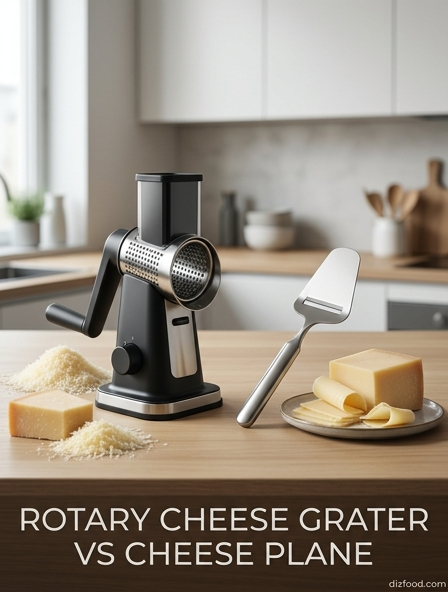
The primary safety advantage of an enclosed drum grater lies in its fundamental design, which places a physical barrier between the user's hands and the sharp cutting edges. In traditional grating methods, fingers often come within millimeters of the blades, especially when processing small pieces of vegetables or cheese. The enclosed drum system mitigates this risk by housing the stainless steel blades within a sturdy plastic cylinder. This ensures that during the entire slicing or grating process, the user's skin never makes contact with the sharpened surfaces.
By utilizing a rotary mechanism, the device transforms a potentially hazardous task into a controlled mechanical process. As the user turns the external handle, the internal drum rotates, performing the cutting action inside the housing. This isolation is crucial for home cooks who may be intimidated by the exposed blades of box graters or mandolines. The design not only prevents accidental nicks but also provides a sense of security, allowing for faster food preparation without the constant fear of injury. This separation of the hand from the cutting zone represents a significant leap forward in kitchen tool safety engineering.
Total Finger Protection Shielding
Finger protection is the cornerstone of the enclosed drum grater's architecture. Unlike open-faced kitchen tools, this device employs a comprehensive shielding system that encompasses the entire cutting area. The main body of the unit acts as a protective carapace, ensuring that the only way to access the blades is through the designated input and output ports. This level of shielding is particularly beneficial in busy kitchen environments where distractions are common and accidents can happen in a split second.
- Full enclosure prevents stray fingers from entering the cutting zone.
- The gravity-fed design keeps hands at a safe distance from the drum.
- External crank handles ensure that the force applied is distant from the blades.
- Transparent housings allow for visual monitoring without exposing the user to danger.
The integration of these protective elements means that even when the device is being operated at high speeds, the risk of a slip leading to a cut is virtually zero. The shielding is designed to be robust enough to withstand the pressure of firm vegetables like butternut squash or hard cheeses, ensuring that the structural integrity of the safety barrier remains intact throughout the lifespan of the tool.
Stability Through Suction Bases
A common cause of kitchen accidents is the unexpected movement of a tool during use. Enclosed drum slicers address this issue by incorporating powerful suction bases that lock the unit firmly to any smooth countertop. This stability is essential because it allows the user to focus entirely on the cranking motion and the ingredient feeding process rather than struggling to keep the device from sliding across the workspace. When a tool is unstable, the user is more likely to apply uneven pressure, which can lead to slips and potential injury.
The suction mechanism is typically operated by a simple dial or lever, which creates a vacuum seal between the rubber base and the surface. This creates a rock-solid foundation that can handle the torque generated by grating tough ingredients. Without this stability, the rotary motion of the handle could cause the entire unit to tip or pivot. By securing the base, the manufacturer ensures that the force exerted by the user is channeled directly into the cutting action, maximizing efficiency while maintaining a high safety profile. This feature is especially helpful for those with limited hand strength who might find it difficult to hold a traditional grater steady while applying downward force.
Mandoline Versus Enclosed Drum
When comparing the enclosed drum to the traditional mandoline, the differences in safety and usability become immediately apparent. While both tools are designed to provide uniform slices, they approach the task from different engineering perspectives. The mandoline requires the user to push the food item directly across a fixed, exposed blade, which often necessitates the use of a safety guard or cut-resistant gloves. The enclosed drum, however, automates this movement within a protected environment.
| Feature | Traditional Mandoline | Enclosed Drum Grater |
|---|---|---|
| Blade Safety | Exposed and static | Enclosed and rotary |
| Control | Manual sliding | Crank-operated |
| Stability | Requires manual grip | Suction-lock base |
| Ease of Use | High skill required | User-friendly design |
The enclosed drum grater effectively removes the "human error" variable from the equation. While a mandoline can be dangerous when processing the last bit of a vegetable, the drum grater's food pusher ensures that every piece is processed without the user's fingers ever nearing the blade. This makes the drum grater a superior choice for families or novice cooks who prioritize safety without wanting to sacrifice the precision of their food preparation.
Safe Ingredient Feeding Mechanisms
One of the most dangerous moments in food preparation is when an ingredient becomes too small to hold comfortably against a blade. The enclosed drum grater solves this problem with a dedicated food pusher and hopper system. The hopper serves as a guided vertical chute, and the pusher acts as a plunger that moves the food toward the rotating drum. This mechanism ensures that the user is never required to use their hands to push food into the cutting area, even for the final slices of a carrot or cucumber.
This feeding system is designed to provide consistent pressure, which results in more uniform slices and shreds. The pusher usually features small spikes or a textured surface on the bottom to grip the food securely, preventing it from spinning or wobbling during processing. By using the pusher, the operator maintains a safe distance from the internal drum at all times. This design also prevents the common issue of "waste" that occurs with traditional graters, where the final nub of an ingredient is discarded to avoid finger injury. In an enclosed drum system, the pusher allows for nearly 100% of the ingredient to be processed safely and efficiently.
Prevention of Accidental Slips
Slips and mishaps in the kitchen are often the result of poor ergonomics or unstable tools. The enclosed drum grater is engineered to prevent these occurrences through multiple layers of safety. Beyond the suction base, the internal locking mechanism for the drums ensures that the blades do not become dislodged during use. Each drum typically clicks into place, and many models feature a secondary locking knob that secures the handle to the drum. This prevents the moving parts from detaching unexpectedly, which could otherwise lead to a loss of control.
- The locking lever secures the unit to the counter to prevent lateral sliding.
- Internal drum locks ensure the blade stays centered within the housing.
- The handle-to-drum connection is reinforced to handle high torque.
- Non-slip materials on the pusher and handle provide a secure grip for the user.
Furthermore, the output chute is angled to direct food away from the base, preventing debris from accumulating under the suction seal. By keeping the workspace clean and the tool securely anchored, the design minimizes the environmental factors that contribute to accidental slips. This comprehensive approach to stability ensures that the user remains in complete control from the first slice to the last.
Ergonomic Design Reduces Fatigue
Repetitive motions in the kitchen can lead to hand and wrist fatigue, which in turn increases the risk of mistakes and accidents. The enclosed drum grater addresses this through an ergonomic crank handle that utilizes the power of leverage. Instead of the strenuous back-and-forth motion required by a box grater, or the forceful sliding motion of a mandoline, the rotary action of the drum grater allows the user to process large quantities of food with minimal effort. The handle is typically designed with a comfortable grip that fits the natural contour of the hand.
This ergonomic efficiency is particularly beneficial for individuals with arthritis or other mobility issues. Because the machine does the majority of the work, the user only needs to provide a steady, circular motion. This reduces the strain on the small muscles of the hand and the tendons in the wrist. By minimizing physical exhaustion, the user is able to remain focused and alert throughout the food preparation process. A well-rested cook is a safer cook, and the enclosed drum grater's design prioritizes the long-term comfort of the operator, making it a sustainable tool for heavy-duty kitchen tasks.
BPA-Free Food Grade Materials
Safety in the kitchen extends beyond physical cuts; it also involves the chemical safety of the materials that come into contact with food. High-quality enclosed drum graters are manufactured using BPA-free, food-grade plastics and high-quality stainless steel. These materials are chosen for their durability and their resistance to staining and odors. Since the housing is in constant contact with moist vegetables and acidic fruits, it is essential that the material does not leach harmful chemicals into the ingredients being processed.
The stainless steel used for the drums is typically 430 grade or higher, ensuring that the blades remain sharp and rust-free over many years of use. This longevity is a safety feature in itself, as dull blades require more force to operate, which increases the likelihood of a mishap. The robust nature of food-grade ABS plastic ensures that the housing will not crack or shatter under pressure. By using non-toxic and durable materials, manufacturers provide a tool that is safe for both the body and the food it prepares. Consumers should always look for certifications that guarantee the absence of Bisphenol A, ensuring a healthy cooking environment for their families.
Simplified Cleaning and Handling
The safety features of an enclosed drum grater continue even after the food preparation is finished. Cleaning sharp kitchen tools is often when the most injuries occur. To counter this, these devices are designed for easy disassembly. The drums can usually be removed with the press of a button, allowing them to be cleaned individually without the user having to reach into a cramped or dangerous space. Many models are also dishwasher safe, which eliminates the need for manual scrubbing of the blades altogether.
When manual cleaning is necessary, the cylindrical shape of the drums makes them easier to handle than the flat, double-sided blades of a mandoline. Using a long-handled brush allows the user to clean the internal and external surfaces of the drum without getting their fingers near the sharpened edges. The modular design of the housing also ensures that there are no hidden crevices where food particles can build up and harbor bacteria. By making the cleaning process straightforward and safe, the enclosed drum grater ensures that hygiene does not come at the cost of personal safety. Proper handling during the wash cycle maintains the sharpness and integrity of the tool for future use.
Consistent Slices Without Danger
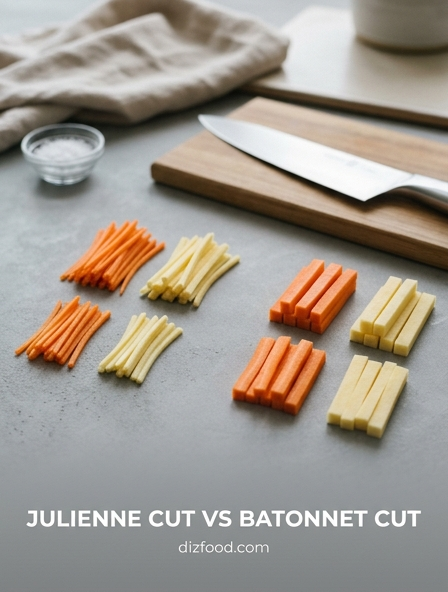
The ultimate goal of any slicing tool is to provide consistent, professional results, and the enclosed drum grater achieves this while maintaining a focus on safety. Uniformity in food thickness is not just about aesthetics; it also ensures even cooking times, which is vital for food safety and quality. Whether the user is making thin potato chips, shredded cheese for a gratin, or julienned carrots for a salad, the fixed blade geometry within the drum ensures that every piece is identical to the last.
Because the user does not have to worry about the safety of their fingers, they can maintain a steady rhythm, which contributes to the consistency of the output. In traditional grating, the speed often fluctuates as the user gets closer to the blade, leading to irregular pieces. The enclosed drum removes this psychological barrier. The result is a pile of perfectly processed ingredients that look as though they were prepared by a professional chef. This combination of high-level performance and foolproof safety makes the enclosed drum grater an essential tool for any modern kitchen, proving that efficiency and protection can exist in perfect harmony.

Comments