
Beyond the Chef Knife
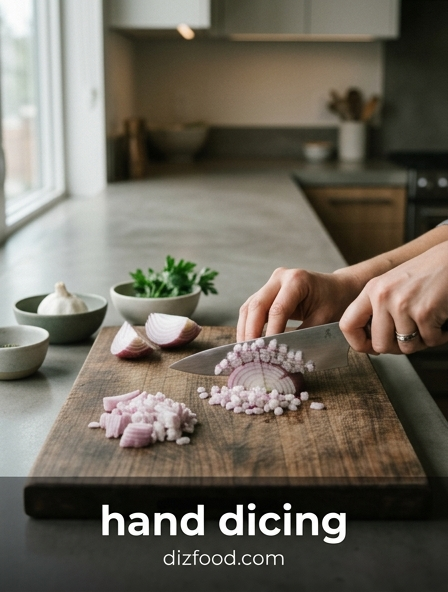
While the classic chef knife is the workhorse of the kitchen, mastering hand dicing requires an understanding of specialized cutlery. Small, nimble tasks like mincing shallots or de-pithing peppers are often better suited for a paring knife, which offers superior control for intricate movements. Similarly, a serrated utility knife can handle the delicate skins of tomatoes or soft fruits that might otherwise bruise under a traditional flat blade. Expanding one's toolkit allows for greater flexibility when navigating the diverse textures of raw produce.
- Paring Knife: Ideal for peeling and intricate coring.
- Utility Knife: Perfect for mid-sized vegetables and soft-skinned fruits.
- Boning Knife: Useful for navigating around pits or tough fibrous centers.
- Serrated Knife: Essential for items with high moisture and thin skins.
The choice of tool significantly impacts the physical strain on the cook. Using a smaller knife for detailed tasks reduces wrist fatigue, while a heavier blade provides the necessary leverage for dense root vegetables. By matching the tool to the specific ingredient, the dicing process becomes more ergonomic and precise, moving beyond the limitations of a single-knife approach.
Mandoline Techniques for Uniformity
The mandoline is an indispensable tool for achieving a level of uniformity that is nearly impossible to replicate with a handheld knife alone. By fixing the blade at a specific height, every slice maintains an identical thickness, which is crucial for even cooking and professional presentation. To master the mandoline, one must focus on consistent pressure and a fluid motion, ensuring the ingredient makes full contact with the blade throughout the stroke. This precision is especially valuable when preparing items like potato au gratin or thin radish garnishes.
- Adjust the blade to the desired thickness setting before starting.
- Place the vegetable firmly against the guard to protect fingertips.
- Apply steady, downward pressure while sliding the ingredient across the blade.
- Rotate the vegetable 90 degrees between strokes to create waffle cuts if desired.
Safety is paramount when utilizing a mandoline. The blades are exceptionally sharp, and the speed at which one can work often leads to complacency. Using a safety guard or cut-resistant gloves is not just a recommendation but a necessity for rapid, high-volume prep. When the end of the vegetable is reached, it is better to discard the small remains or finish them with a knife rather than risking contact with the blade.
Maximizing Surface Area for Flavor
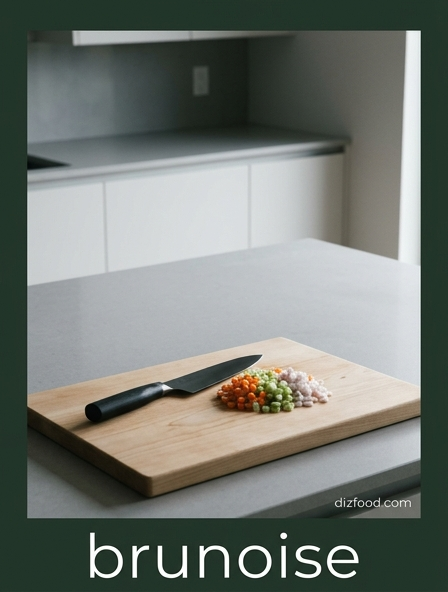
The geometry of a dice plays a fundamental role in how flavor is released and absorbed during the cooking process. Smaller cuts, such as a fine brunoise, maximize the surface area of the vegetable, allowing for faster caramelization and more efficient infusion into liquids. This is particularly important in aromatic bases like mirepoix or sofrito, where the goal is to extract the maximum amount of essence from onions, carrots, and celery. A smaller dice ensures that these ingredients soften quickly and meld into the sauce.
| Cut Name | Dimensions | Common Use |
|---|---|---|
| Large Dice | 3/4 inch cube | Stews and Roasts |
| Medium Dice | 1/2 inch cube | Soups and Chowders |
| Small Dice | 1/4 inch cube | Sautés and Relishes |
| Brunoise | 1/8 inch cube | Garnishes and Sauces |
Beyond extraction, maximizing surface area enhances the Maillard reaction. When more of the vegetable's interior is exposed to the heat of the pan, the sugars brown more effectively, creating a deeper, more complex flavor profile. Whether you are preparing a rustic root vegetable roast or a delicate consommé, the precision of your hand dicing directly dictates the final taste of the dish.
Spiralizing and Shaving Vegetables
Spiralizing and shaving offer modern alternatives to traditional dicing, transforming the texture and appearance of common vegetables. Shaving vegetables into paper-thin ribbons using a Y-peeler or a sharp mandoline creates a light, delicate mouthfeel that is ideal for raw salads. This technique works exceptionally well with hardy vegetables like asparagus, carrots, and zucchini, which might be too fibrous when served in thick chunks. The thinness allows the dressing to penetrate the cell walls almost instantly, lightly "cooking" the vegetable through acid maceration.
Spiralizing takes this a step further by creating long, noodle-like strands. This is a popular method for substituting pasta with nutrient-dense alternatives like butternut squash or cucumbers. The key to successful spiralizing is selecting straight, firm vegetables that can be easily centered on the tool's spindle. These techniques not only elevate the visual appeal of a plate but also change the way flavors are perceived, as the increased surface-to-volume ratio creates a more intense taste experience in every bite. Using these methods adds a layer of sophistication to home cooking and professional catering alike.
The Power of High Speed Slicers
In high-volume environments, high-speed manual slicers bridge the gap between hand-cutting and industrial processing. these tools are designed to handle large quantities of produce with mechanical advantage, reducing the physical labor required for repetitive motions. Devices like rotary slicers or heavy-duty commercial mandolines allow for rapid processing of cabbage for slaw or onions for frying. The speed does not come at the expense of quality; instead, it ensures that every slice is identical, which is vital for maintaining cooking times across a large batch.
- Rotary Slicers: Excellent for firm vegetables like cucumbers and radishes.
- Lever-Operated Dicers: Push whole vegetables through a grid for instant cubes.
- Multi-Blade Slicers: Create multiple parallel cuts in a single motion.
Utilizing high-speed tools requires a different set of skills compared to traditional knife work. The focus shifts toward feed rate and mechanical alignment. Maintaining these tools is also critical, as a dull blade in a high-speed slicer can tear the produce rather than cutting it cleanly. For prep cooks and caterers, these tools are the secret to meeting tight deadlines without compromising the integrity of the ingredients or the final presentation.
Achieving Professional Ribbon Cuts
Ribbon cuts, or chiffonade, are the hallmark of refined culinary technique, particularly when working with leafy greens and herbs. To achieve this, leaves are stacked, rolled tightly into a cigar-like shape, and then sliced thinly across the roll. The result is a pile of delicate, uniform ribbons that distribute flavor evenly throughout a dish. This method is essential for herbs like basil or mint, which can bruise and blacken if chopped haphazardly. A sharp blade is mandatory to ensure the vegetable fibers are severed cleanly without crushing.
- Wash and thoroughly dry the leaves to prevent them from sticking together.
- Stack the largest leaves on the bottom, layering smaller ones on top.
- Roll the stack into a very tight cylinder to provide resistance against the knife.
- Use a rocking motion with the knife to create fine, consistent threads.
The beauty of the ribbon cut lies in its versatility. Beyond herbs, this technique can be applied to larger leaves like kale or collard greens for salads and stir-fries. The thinness of the cut reduces the chewiness of tough greens, making them more palatable in raw preparations. Mastery of the ribbon cut demonstrates a cook's attention to detail and respect for the delicate nature of fresh produce.
Efficiency in Bulk Salad Preparation
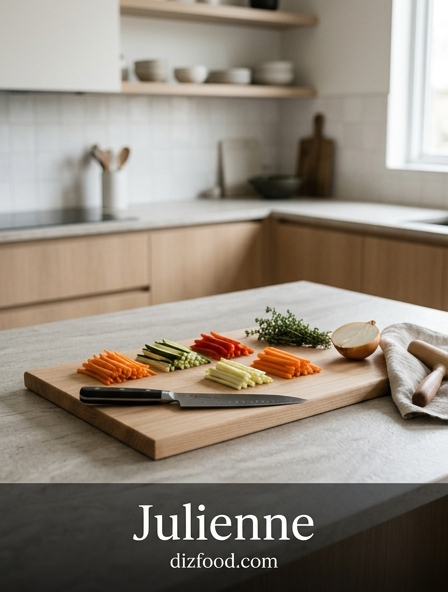
Preparing salads for large groups demands a systematic approach to dicing and slicing. Efficiency is found in the "assembly line" method, where all vegetables of a certain type are processed entirely before moving to the next. For example, all bell peppers should be seeded and sliced into batons before being turned and diced into cubes. This repetitive motion builds muscle memory and allows the cook to maintain a consistent rhythm, which is the fastest way to work through a mountain of produce without sacrificing precision.
Organization of the workspace is equally important. A clear "inbound" area for whole vegetables and an "outbound" area for the finished dice prevents cross-contamination and keeps the cutting board clear of debris. Using bench scrapers to quickly move diced ingredients into storage containers saves time and keeps the work surface clean. In bulk prep, the goal is to minimize wasted movement. Every reach for a bowl or a different tool adds seconds to the process, which can accumulate into hours over a long shift. By focusing on workflow and tool placement, a cook can significantly increase their output while maintaining the high standards required for fresh, vibrant salads.
Tools for Consistent Texture Control
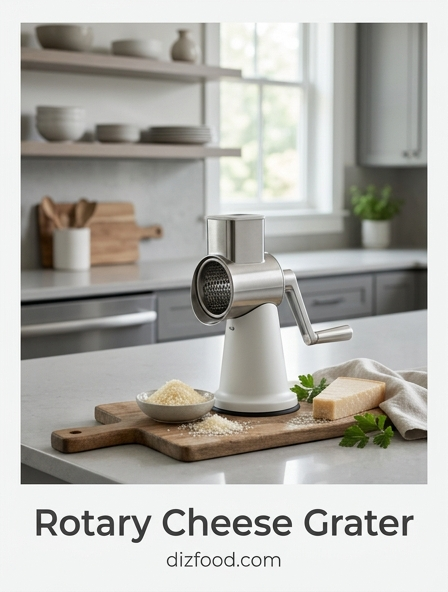
Consistency in texture is what separates an amateur dish from a professional one. In addition to knives and mandolines, tools like microplanes, box graters, and specialized rasps provide various textures that can completely alter a dish's character. Grating a carrot rather than dicing it results in a softer, more integrated component in a cake or salad. Conversely, using a coarse grater for potatoes is the standard for achieving the perfect balance of crispy exterior and tender interior in hash browns.
| Tool | Texture Produced | Best Application |
|---|---|---|
| Microplane | Fine Zest/Paste | Garlic, Ginger, Citrus |
| Coarse Grater | Long Shreds | Potatoes, Zucchini |
| Fine Rasp | Small Granules | Hard Cheeses, Nutmeg |
| Box Grater (Slicer side) | Wide Shaves | Hard Vegetables, Chocolate |
Texture control is not just about aesthetics; it also affects how the palate perceives flavor. Finer textures release aromatics more quickly, while coarser textures provide a satisfying crunch and structural integrity. Selecting the right tool for the desired texture allows the cook to manipulate the eating experience, ensuring that every component of the dish serves its intended purpose, whether it is to blend into the background or stand out as a focal point.
Safety Essentials for Rapid Cutting
Speed in the kitchen is a valuable asset, but it must never come at the expense of safety. Rapid dicing involves inherent risks, particularly when working with wet or slippery ingredients. The "claw" grip is the most fundamental safety technique, where the fingertips are tucked inward and the knuckles act as a guide for the blade. This positioning ensures that the sharp edge of the knife never comes into contact with the skin. Additionally, maintaining a sharp knife is counterintuitively safer than using a dull one, as a sharp blade requires less force and is less likely to slip off the surface of the food.
- Always use a damp paper towel or non-slip mat under the cutting board.
- Keep your eyes on the blade and the guide hand at all times.
- Avoid distractions and maintain a stable stance while working.
- Wear cut-resistant gloves when using mandolines or high-speed slicers.
Workspace hygiene also contributes to safety. A cluttered cutting board increases the likelihood of the knife catching on an unexpected object or the cook losing their grip. Regularly clearing away scraps and keeping the blade clean of sticky residues ensures that every cut remains predictable. By prioritizing these safety essentials, a cook can develop the confidence to work quickly and efficiently without the fear of injury.
Elevating Presentation with Precision Tools
Final presentation is often what defines the culinary experience, and precision tools are the key to creating visually stunning plates. Tools such as channel knives, crinkle cutters, and melon ballers allow for creative shapes that traditional dicing cannot achieve. A channel knife can create elegant strips of citrus peel or decorative grooves in cucumbers before they are sliced, adding a touch of sophistication to a simple garnish. Crinkle cutters provide a nostalgic and textured edge to root vegetables, which not only looks appealing but also helps sauces cling to the surface.
Precision is not just about complex shapes; it is also about the absolute uniformity of standard cuts. Using a ruler or a guided cutting mat can help a cook calibrate their eyes to recognize perfect 1/4-inch or 1/8-inch increments. When every piece of a garnish is identical in size and shape, it signals a high level of craftsmanship and care. These precision tools and techniques allow the cook to move beyond the functional aspects of food preparation and into the realm of culinary artistry, transforming simple ingredients into a cohesive and visually captivating masterpiece.

Comments