
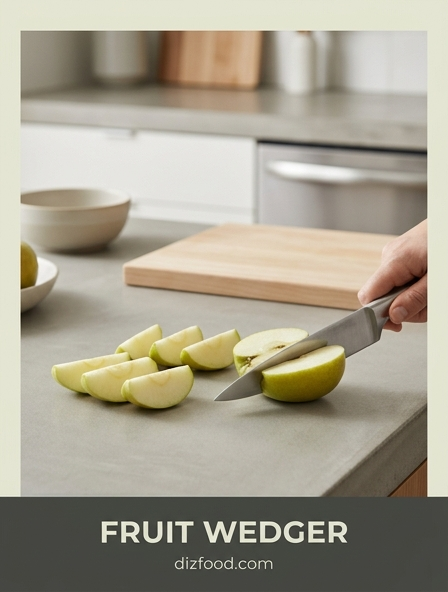
Precision Slicing Mechanics
The engineering behind a modern fruit wedger focuses on the optimization of downward force and blade alignment. Most devices feature a circular frame housing multiple stainless steel blades that converge at a central point. When pressure is applied to the ergonomic handles, the blades move simultaneously through the flesh of the fruit, ensuring that each cut occurs at the exact same angle. This mechanical advantage allows the user to bypass the instability often associated with manual slicing.
- Blade Tension: High-tension steel prevents bending during contact with tough skins.
- Core Alignment: A central circular blade isolates the core or pit automatically.
- Base Stability: Non-slip foundations prevent the fruit from shifting during the downward stroke.
Precision is maintained through the sharpened serrated or straight edges that minimize cellular damage to the fruit. By slicing cleanly through the fibers rather than crushing them, the wedger preserves the juice and structural integrity of the produce. This mechanical consistency is nearly impossible to replicate by hand, especially when processing high volumes of firm fruits like Granny Smith apples or under-ripe pears.
Benefits of Uniform Wedges
Uniformity in food preparation is not merely about aesthetics; it serves a critical functional purpose in both culinary science and portion management. When every wedge of fruit is identical in size and shape, they behave predictably during various applications. This is particularly important for bakers and chefs who require consistent results across multiple batches of tarts or salads. Using a fruit wedger ensures that every piece provides the same mouthfeel and flavor profile.
| Benefit Type | Culinary Impact |
|---|---|
| Cooking Consistency | Even heat distribution in baked goods. |
| Portion Control | Standardized servings for nutrition tracking. |
| Structural Integrity | Balanced stacking in complex desserts. |
| Oxidation Rate | Uniform surface area for lemon juice application. |
Beyond the technical advantages, uniform wedges contribute significantly to consumer satisfaction. In a professional setting, diners perceive higher value when fruit displays exhibit geometric perfection. For home use, uniform wedges allow for easier storage in containers, as the pieces fit together without leaving excessive air gaps that could accelerate spoilage. This level of standardization elevates a simple snack to a deliberate culinary component.
Speed Up Meal Prep
Time efficiency is one of the primary drivers for integrating a fruit wedger into a busy kitchen workflow. Preparing snacks for children, packing school lunches, or setting up for a large brunch can be labor-intensive when using a standard paring knife. A wedger condenses several minutes of careful slicing into a single, two-second motion. This rapid processing allows the cook to shift focus to more complex tasks without sacrificing the quality of the fruit components.
- Position the fruit on a stable cutting board or the wedger's base.
- Align the central ring over the stem or core of the fruit.
- Apply firm, even downward pressure using both handles.
- Retrieve the perfectly separated wedges and discarded core instantly.
In high-volume environments, such as catering or meal-prepping for the week, the cumulative time saved is substantial. By eliminating the need for individual measurements and repeated knife strokes, the wedger reduces physical fatigue. This efficiency makes it significantly more likely that healthy fruit options will be included in daily meals, as the barrier of tedious preparation is effectively removed from the equation.
Achieving Perfect Symmetry
The pursuit of symmetry in food styling often requires years of knife mastery, yet a fruit wedger democratizes this skill for every home cook. Symmetry provides a sense of balance and order that is naturally appealing to the eye. When a fruit wedger is utilized, the radial symmetry ensures that each slice is a mirror image of the others, diverging from the center at precise intervals. This geometric regularity is essential for creating circular fans on tart tops or perfectly balanced garnishes for beverages.
Achieving this level of perfection manually requires constant adjustments and a steady hand, whereas the fixed blade housing of a wedger removes the margin for human error. To maximize symmetry, it is important to select fruit that is relatively vertical and centered within the device. Once the blades begin their descent, the path is locked, resulting in clean, radiating lines that enhance the natural beauty of the produce. This consistency transforms a mundane apple or orange into a visually striking ingredient, suitable for high-end plating or festive fruit platters where visual impact is as important as taste.
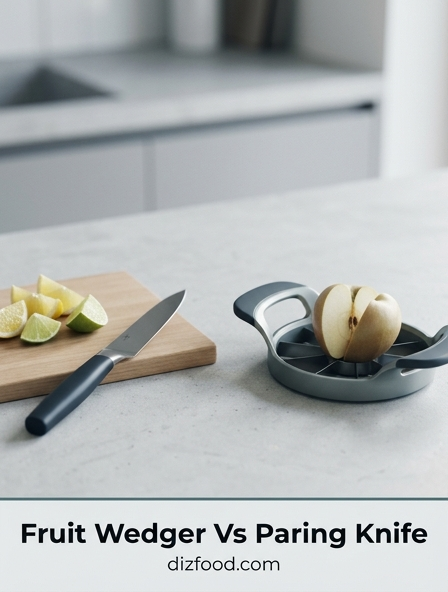
Wedger vs Traditional Knife
The debate between using a specialized wedger and a traditional chef's knife often centers on the balance between versatility and specialized efficiency. While a knife is a multi-purpose tool, it lacks the inherent safety and speed features built into a dedicated fruit wedger. A knife requires the user to stabilize the fruit with their fingers close to the blade, whereas a wedger keeps hands on external handles, far from the cutting edges. This distinction is crucial for both speed and safety.
| Feature | Fruit Wedger | Traditional Knife |
|---|---|---|
| Prep Speed | Very Fast (Single Motion) | Moderate (Multiple Cuts) |
| Uniformity | Guaranteed Symmetry | Variable (User Skill) |
| Safety | High (Protected Blades) | Moderate (Exposed Blade) |
| Core Removal | Automatic | Manual Secondary Step |
Furthermore, the wedger excels in coring, a secondary step that must be performed manually with a knife. For fruits like apples or pears, the wedger eliminates the core in the same motion it creates the slices. While a knife offers more control over the thickness of each individual slice, the wedger provides a level of standardization that is difficult to maintain over several pieces of fruit. For repetitive tasks, the wedger is the superior choice for efficiency.
Top Fruits for Wedging
While often associated with apples, the utility of a fruit wedger extends to a wide variety of produce with similar structures. The best candidates for wedging are those with a firm internal density and a centralized core or seed housing. Utilizing the tool on the correct types of fruit ensures a clean cut without bruising or crushing the delicate flesh. Firmness is the most important factor, as soft fruits may collapse under the pressure of multiple blades.
- Apples: All varieties, especially firm ones like Honeycrisp or Fuji.
- Pears: Best when slightly under-ripe to maintain structural integrity.
- Citrus: Lemons, limes, and oranges for garnishes or juicing.
- Stone Fruits: Large plums or peaches, provided the pit is small enough for the center ring.
- Potatoes: Small tubers can be wedged for roasting or making home fries.
When wedging citrus, the device is particularly useful for creating uniform wedges for cocktails or seafood platters. For sturdier vegetables like potatoes or onions, a heavy-duty wedger can facilitate quick roasting prep. Understanding the limitations of the tool-avoiding overly soft or extremely oversized produce-allows the user to maximize the tool's lifespan and the quality of the resulting slices.
Enhancing Kitchen Safety
Kitchen safety is significantly improved when utilizing tools designed to minimize blade exposure. Traditional slicing often involves a "bridge" or "claw" grip with a knife, which still carries the risk of slipping, especially on waxy fruit skins like those of apples or citrus. A fruit wedger relocates the user's hands to the periphery of the action. By gripping the handles on either side, the force is directed downward and away from the body, drastically reducing the likelihood of accidental cuts.
- Place the fruit on a flat, non-slip surface to prevent lateral movement.
- Keep fingers wrapped firmly around the outer handles at all times.
- Apply pressure vertically, avoiding any tilting or rocking motions.
- Ensure the blades are sharp; a dull blade requires more force and increases risk.
This safety aspect makes the fruit wedger an excellent tool for teaching children basic kitchen skills or for individuals with limited dexterity. The stability provided by the wide base and the simultaneous contact of all blades creates a controlled environment. Because the blades are often recessed within a plastic frame, the sharp edges are only exposed to the fruit, making it one of the safest slicing tools available in a modern kitchen.
Professional Food Presentation
In the culinary world, the first bite is taken with the eyes. Professional food presentation relies heavily on the repetition of shapes and the precision of cuts. A fruit wedger allows even a novice cook to produce results that mimic high-end catering. The clean, sharp lines created by mechanical slicing reflect light differently than the jagged edges often produced by a dull knife or an unsteady hand. This creates a polished, intentional look that elevates the overall dining experience.
When plating a fruit salad or a cheese board, the consistency of the wedges allows for creative arrangements, such as spirals or stacked towers, that would be impossible with varying slice thicknesses. Furthermore, uniform wedges allow for better integration with other ingredients. For example, in a Waldorf salad, perfectly matched apple wedges ensure that every forkful has a balanced ratio of fruit, nuts, and dressing. The professional finish provided by a wedger suggests a level of care and attention to detail that enhances the perception of the meal's quality. Whether it is a simple garnish for a water pitcher or a complex dessert garnish, the wedger ensures a high-standard result every time.
Choosing the Right Slicer
Selecting the appropriate fruit wedger requires an evaluation of materials, ergonomics, and intended use. Not all wedgers are created equal, and the differences in construction can affect both the longevity of the tool and the quality of the cuts. High-quality stainless steel is a non-negotiable requirement for the blades, as it resists rust and maintains its edge through thousands of cycles. The frame should be made of reinforced, BPA-free plastic or cast metal to withstand the pressure required for firmer produce.
- Blade Count: Options usually range from 6 to 12 wedges; choose based on desired slice thickness.
- Handle Design: Look for oversized, cushioned grips to reduce palm strain.
- Dishwasher Safety: Ensure the materials can withstand high heat for sanitization.
- Base Inclusion: Some models come with a base that pushes the fruit all the way through the blades.
Another factor is the diameter of the central corer. If you frequently use large apples or citrus, a wider central ring is necessary to ensure the core is fully removed without wasting excess fruit. Conversely, for smaller fruits like limes, a more compact design may be more effective. Investing in a durable, well-reviewed model ensures that the tool remains a staple in your kitchen for years rather than becoming a discarded gadget.
Maintaining Your Wedging Tools
To ensure the longevity and performance of a fruit wedger, proper maintenance is essential. Like any bladed instrument, a wedger can dull over time if not cared for correctly. Residue from fruit acids, particularly from citrus and green apples, can corrode even stainless steel if left to sit for extended periods. Therefore, immediate rinsing after use is the most effective way to prevent pitting and staining on the blade surfaces. Drying the tool thoroughly before storage is equally important to prevent moisture buildup in the crevices.
- Rinse under hot water immediately after use to remove fibers and sugars.
- Use a soft-bristled brush to clean the intersection points of the blades.
- If dishwasher safe, place on the top rack to avoid extreme heat from the bottom element.
- Store in a dedicated drawer or upright to prevent the blades from knocking against other metal tools.
Periodically, it is wise to inspect the blades for any signs of misalignment or bending. If the tool starts to require excessive force, it may be time to sharpen the blades using a specialized ceramic rod or to consider a replacement. By following these simple maintenance steps, you can ensure that the wedger continues to provide clean, effortless cuts and remains a hygienic part of your food preparation routine.

Comments