
The Art of Precision Slicing
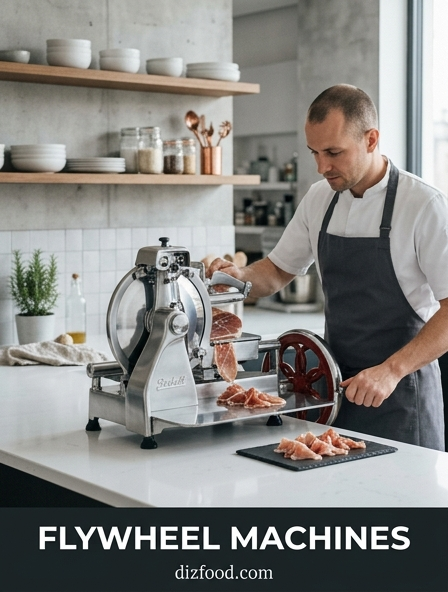
The flywheel slicer represents the pinnacle of culinary craftsmanship, transforming a simple kitchen task into a choreographed display of mechanical art. Unlike standard electric slicers that rely on high-speed motors, the flywheel machine utilizes a hand-cranked system that allows for unparalleled precision. The heavy, rotating wheel provides the momentum necessary to drive a razor-sharp circular blade with extreme steadiness, ensuring that every movement is deliberate and controlled. This method is particularly favored by connoisseurs who understand that the quality of a slice directly impacts the dining experience.
- Uniformity: Maintains consistent thickness from the first cut to the last.
- Momentum: The weight of the wheel ensures a smooth, non-jerky motion.
- Control: Hand-operated speeds allow for instant adjustments based on resistance.
- Integrity: The blade glides through fibers rather than tearing them.
In high-end gastronomy, the ability to produce translucent sheets of cured meats is a signature of quality. The art lies in the synchronicity between the carriage movement and the blade rotation, a harmony achieved only through the mechanical perfection of the flywheel design. This process turns the preparation of ingredients into a visual spectacle that honors the product being served.
Preserving Delicate Meat Flavors
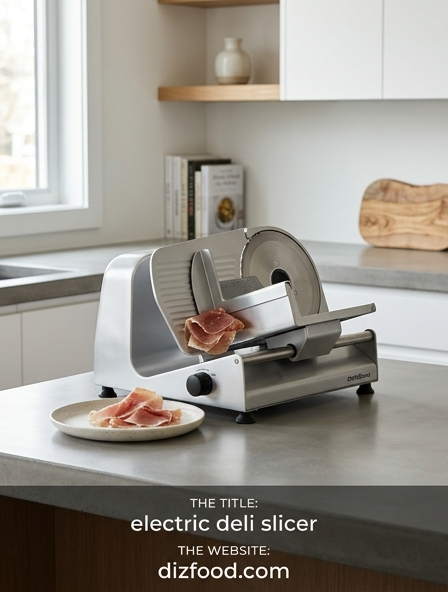
The primary reason culinary professionals insist on flywheel machines for premium charcuterie is the preservation of organoleptic properties. When cutting cured meats like Prosciutto di Parma or Jamón Ibérico, the preservation of fat integrity and aroma is paramount. Traditional electric slicers generate significant heat due to the high-speed friction of the motor-driven blade. This heat can melt the delicate intramuscular fats, causing the oils to oxidize and changing the flavor profile of the meat almost instantly upon contact.
- Temperature Stability: Manual operation keeps the blade cold throughout the process.
- Aroma Retention: Prevents the "singed" smell often associated with electric friction.
- Fat Preservation: Ensures the white, marbled fat remains solid and creamy.
- Texture Integrity: Slices remain supple rather than becoming greasy or soft.
By eliminating the thermal impact on the meat, the flywheel machine ensures that the diner experiences the product exactly as the producer intended. The cold-cutting technique keeps the volatile compounds trapped within the slice until they hit the palate, releasing a full bouquet of aged flavors that would otherwise be lost to the mechanical heat of modern processing.
Zero Heat Friction Benefits
The engineering philosophy behind the flywheel slicer centers on the concept of "cold slicing." In the world of fine deli meats and aged cheeses, friction is a destructive force. High-speed electric blades rotate at hundreds of revolutions per minute, generating a localized heat zone that alters the chemical composition of animal proteins and fats. A flywheel machine, however, operates at a significantly lower RPM dictated by the rhythm of the operator's hand, effectively neutralizing friction-related damage.
| Feature | Electric Slicer | Flywheel Slicer |
|---|---|---|
| Blade Speed | High/Constant | Low/Variable |
| Heat Transfer | Significant | Negligible |
| Fat Consistency | Partial Melting | Intact |
| Flavor Profile | Altered by Heat | Original/Pure |
This zero-heat environment is essential for maintaining the structural integrity of the food. When the blade remains at room temperature, it prevents the smearing of fats across the lean muscle of the meat. The result is a clean, visually distinct slice where the colors remain vibrant and the surface remains dry, preventing the unappealing sheen caused by rendered oils that often occurs with motorized equipment.
The Aesthetics of Flywheel Design
Beyond its functional utility, the flywheel slicer is a masterpiece of industrial design and kitchen décor. Often finished in a striking "fire engine red" or deep black enamel with intricate gold pinstriping, these machines serve as a focal point in open-concept kitchens and upscale deli counters. The design reflects a vintage elegance that harks back to late 19th-century European craftsmanship, specifically the original designs of Wilhelm van Berkel. The iconic flower-shaped or solid-cast flywheel is not just a drive mechanism but a symbol of culinary prestige and tradition.
The construction typically involves heavy cast iron and polished chrome or stainless steel, conveying a sense of permanence and quality that modern plastic appliances cannot replicate. Watching the rhythmic motion of the wheel as it powers the carriage creates an engaging atmosphere for guests, blending the lines between food preparation and performance art. For many restaurants, the machine is placed prominently in the dining area, signaling to patrons a commitment to authenticity and the highest standards of food service. It is an investment in a lifestyle and a specific aesthetic that celebrates the heritage of professional butchery and fine dining.
Mastering Ultra Thin Slices
The true test of any slicing machine is its ability to produce "shaved" or ultra-thin slices that are nearly transparent. Flywheel machines excel in this area due to their micro-metric adjustment systems. Because the machine is gear-driven rather than belt-driven, there is no slippage or variation in the carriage movement. This mechanical rigidity allows the operator to set the thickness to fractions of a millimeter, achieving a delicacy that is difficult to replicate on motorized units which may vibrate or flex under pressure.
- Micrometer Precision: Adjustments can be made in increments as small as 0.1mm.
- Blade Sharpness: Large diameter blades offer a longer cutting edge for smoother passes.
- Structural Rigidity: The heavy frame prevents microscopic shifts during the cut.
- Transparency: Ideal for "carpaccio" style presentations where meat must be paper-thin.
Mastering these slices allows the chef to manipulate the texture of the meat, making even the firmest aged hams feel light and melt-in-the-mouth. This thinness increases the surface area exposed to oxygen just before serving, which helps the meat "breathe" and enhances the overall flavor perception. Achieving this level of precision requires a steady hand and a machine that responds perfectly to the operator's touch.
Mechanical Excellence and Durability
Flywheel slicers are built to last for generations, often becoming heirloom pieces within a professional kitchen or a private estate. Their durability stems from a lack of complex electronics and high-wear plastic components. Built primarily from high-grade cast iron, steel, and brass, these machines rely on timeless mechanical principles. The gears are precision-engineered to provide a smooth transfer of power, and because they are manually operated, there is no motor to burn out or circuit board to fail. This simplicity in concept combined with complexity in execution ensures a long operational life.
- Solid Construction: Heavy-duty materials resist wear and environmental damage.
- Easy Maintenance: Manual systems are straightforward to clean and lubricate.
- Long-term Value: These machines tend to appreciate or hold value over time.
- Sustainable Choice: No electricity is required, reducing the carbon footprint of the kitchen.
While the initial investment in a flywheel machine is significantly higher than an electric counterpart, the total cost of ownership is often lower over decades. The absence of vibrating motors also means that internal parts are not subjected to the constant stress that leads to mechanical fatigue. This is engineering in its purest form, where longevity is prioritized over planned obsolescence.
Enhancing Charcuterie Board Presentation
In the competitive world of catering and restaurant service, presentation is as vital as flavor. A flywheel slicer allows for the creation of visually stunning charcuterie boards that feature elegantly draped, folded, or rolled meats. Because the slices are so thin and uniform, they possess a unique structural flexibility. Chefs can "ribbon" the meat directly onto the plate as it falls from the blade, creating volume and a sense of abundance that thicker, machine-cut slices cannot achieve. The clean edges and lack of jagged tears provide a professional finish that elevates the entire board.
Furthermore, the flywheel machine's ability to handle different textures-from soft mortadella to hard salami-means that a single tool can create a diverse and harmonious platter. The visual appeal of a perfectly sliced piece of Speck or Bresaola, with its fat layers intact and gleaming, instantly communicates quality to the customer. By using a manual slicer, the chef demonstrates a commitment to the "Slow Food" movement, where the time taken to prepare the food is reflected in the beauty of the final arrangement. It transforms a simple appetizer into a curated culinary experience.
Manual Control for Perfect Texture
One of the most significant advantages of a flywheel machine is the tactile feedback it provides to the user. When turning the wheel, the operator can feel the resistance of the meat against the blade. This connection allows for real-time adjustments; if a particular section of the ham is tougher or contains a piece of connective tissue, the operator can slow down or apply more consistent pressure to ensure a clean cut. Electric slicers operate at a fixed speed, which can cause the blade to "bounce" or "shred" when encountering varying densities within the product.
- Tactile Response: Feel the density of the product through the handle.
- Variable Pace: Speed up for soft items or slow down for delicate, aged fats.
- Reduced Waste: Better control leads to fewer "end-piece" errors and scrap meat.
- Rhythmic Motion: Creates a consistent flow that yields uniform results.
This manual control is especially important for artisan products that are not perfectly uniform in shape or texture. The operator becomes an extension of the machine, using their intuition to guide the blade. This synergy between human and tool results in a texture that is superior to the automated, homogenized output of high-volume industrial slicers, preserving the artisanal soul of the food.
The Legacy of Professional Slicing
The history of the flywheel slicer is deeply intertwined with the evolution of the European deli and butcher shop. Invented in 1898 by Wilhelm van Berkel in Rotterdam, the machine was born out of a need to slice meat more efficiently than by hand while maintaining the quality of a knife-cut. This invention revolutionized the food industry, allowing butchers to serve customers faster without sacrificing the integrity of their expensive cured products. Today, using a flywheel slicer is a nod to this rich heritage, honoring over a century of culinary tradition.
In many cultures, particularly in Italy and Spain, the presence of a flywheel machine is a mark of a "Salumeria" or "CharcuterÃa" that respects the old ways. These machines represent a time when tools were built to be serviced and repaired rather than replaced. By maintaining and using these classic devices, modern chefs preserve a specific set of skills and a mechanical legacy that might otherwise be lost to automation. The legacy is not just in the machine itself, but in the standard of excellence it demands from the person operating the wheel, keeping the spirit of the traditional craftsman alive in the modern kitchen.
Essential Tools for Gourmet Chefs
For the gourmet chef or serious home enthusiast, the flywheel slicer is more than an appliance; it is an essential instrument for the pursuit of culinary perfection. While electric slicers are suitable for high-volume sandwich production, the flywheel machine is reserved for ingredients that demand respect. In a kitchen where every detail matters-from the origin of the sea salt to the vintage of the wine-the method of slicing is a critical variable that cannot be overlooked. It belongs in the same category as high-carbon steel knives and copper cookware.
| Application | Recommended Machine | Reason |
|---|---|---|
| Aged Prosciutto | Flywheel | Protects delicate fats |
| Hard Salami | Flywheel | Ensures uniform thinness |
| Bulk Deli Ham | Electric | Speed and volume |
| Gourmet Presentation | Flywheel | Superior aesthetics |
The acquisition of a flywheel machine signals a transition from mere cooking to a deeper appreciation of culinary science and history. It allows the chef to unlock the full potential of high-quality charcuterie, ensuring that the texture, flavor, and visual appeal are all optimized. For those dedicated to the craft of fine food, it is an indispensable tool that bridges the gap between raw ingredient and gourmet masterpiece.



Comments