
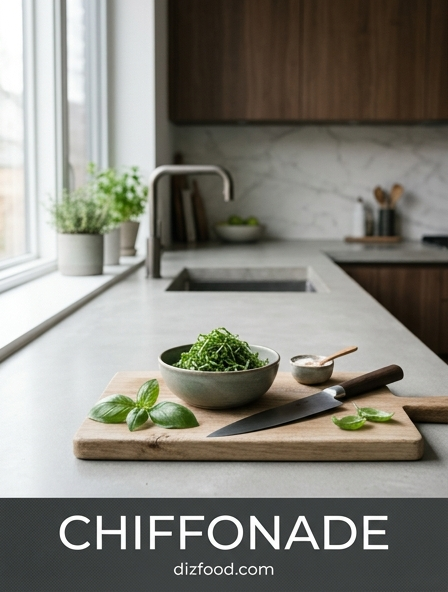
Understanding the Chiffonade Cut
The term chiffonade is a French culinary word that literally translates to "made of rags" or "little ribbons." This classic knife technique is specifically designed for slicing leafy greens and broad-leafed herbs into long, thin, delicate strips. In professional kitchens, mastering the chiffonade is considered a fundamental skill because it blends aesthetic elegance with functional culinary benefits. Unlike rough chopping, which can result in uneven chunks, a proper chiffonade ensures that the herbs are distributed evenly throughout a dish, providing a consistent flavor profile in every bite.
Beyond its visual appeal, the chiffonade cut allows for the release of essential oils in a controlled manner. Because the cut is precise and uniform, it minimizes the cellular damage to the plant, preserving the vibrant green color and the aromatic intensity of the herb. This technique is most commonly applied to basil, mint, spinach, and sage, though it can also be used for larger leafy vegetables like kale or Swiss chard. When executed correctly, the resulting ribbons are light, airy, and provide a sophisticated texture that elevates the overall dining experience from simple home cooking to professional-grade gastronomy.
Essential Knives for Herb Slicing
To achieve a perfect chiffonade without bruising the delicate leaves, the choice of cutlery is paramount. A high-quality, razor-sharp knife is the most important tool in this process. Professional chefs typically reach for one of two primary styles depending on their personal preference and the specific herb being processed. The thinness of the blade and the geometry of the edge determine how cleanly the knife passes through the fibers of the herb.
| Knife Type | Characteristics | Benefit for Chiffonade |
|---|---|---|
| Chef's Knife | Curved blade, 8-10 inches | Allows for a smooth rocking motion that provides high control. |
| Santoku | Flatter edge, 6-7 inches | Excellent for clean, vertical push-cuts that minimize leaf sliding. |
A dull blade is the enemy of a successful chiffonade. When a knife is not properly maintained, it crushes the herb's cell walls instead of slicing through them. This leads to immediate browning and a loss of flavor. Furthermore, using a knife with a thin spine reduces the resistance as you move through the stacked leaves, ensuring the ribbons remain distinct and do not clump together during the cutting process.
Best Herbs for Ribbon Cuts
While many greens can be sliced, the chiffonade technique is most effective when applied to flat, broad leaves that can be easily stacked and rolled. Delicate herbs with high moisture content or those that are used primarily for garnish benefit most from this treatment. The structure of the leaf determines how well it will hold the "ribbon" shape once it is released from the roll. Herbs with small, needle-like leaves, such as rosemary or thyme, are unsuitable for this specific method.
- Basil: The most classic choice for chiffonade, used extensively in Italian cuisine.
- Mint: Essential for refreshing salads, cocktails, and fruit-based desserts.
- Sage: Thick, velvety leaves that hold their shape well when fried after slicing.
- Spinach: Often sliced this way for incorporation into soups or light salads.
- Sorrel: Its citrusy profile is enhanced when finely sliced into ribbons for sauces.
When selecting herbs for this technique, it is vital to choose leaves that are fresh and turgid. Wilting leaves are difficult to roll tightly and often result in jagged, uneven strips. Large-leafed varieties are generally preferred because they allow for a tighter "cigar" roll, which is the foundation of the technique. By choosing the right botanical candidates, you ensure the ribbons are long, elegant, and structurally sound.
The Stack and Roll Method
The secret to a consistent chiffonade lies in the preparation of the leaves before the knife ever touches the cutting board. This process, often referred to as the "stack and roll," creates a dense, stable cylinder that allows for rapid and precise slicing. Without this preparation, attempting to slice individual leaves would be time-consuming and would likely result in inconsistent thicknesses. The goal is to create a compact bundle that resists the pressure of the blade.
- Wash the herbs thoroughly and pat them completely dry with a paper towel.
- Select leaves of similar size and stack them neatly on top of one another, facing the same direction.
- Starting from one of the long edges, roll the stack tightly into a cylindrical shape, similar to a cigar.
- Place the roll on the cutting board and hold it firmly with your non-dominant hand.
- Using a sharp knife, slice across the roll at narrow intervals to create the ribbons.
Properly drying the leaves is a step that many beginners skip, yet it is crucial. Residual moisture causes the leaves to slip against one another during the rolling process, which can lead to uneven cuts or accidental slips. A tight roll is essential because it provides the necessary resistance to the knife's edge, allowing the blade to glide through multiple layers simultaneously with minimal effort and maximum precision.
Achieving Precise Uniform Ribbons
Precision in chiffonade is not merely about aesthetics; it is about controlling the release of flavor and ensuring even texture. Uniformity is the hallmark of a skilled cook. To achieve this, one must focus on the rhythm of the knife and the incremental movement of the guiding hand. The width of the ribbons can vary depending on the intended use, ranging from thread-like "angel hair" cuts to wider, more rustic strips for hearty greens like kale.
To maintain consistency, use a rocking motion where the tip of the knife remains in contact with the cutting board at all times. As the heel of the knife comes down, it should slice through the roll cleanly. After each cut, the guiding hand-usually positioned in a "claw" grip-should retreat by a fraction of an inch. This rhythmic synchronization between the two hands is what produces identical ribbons. If the roll begins to unravel, stop and re-tighten it to ensure the remaining cuts stay uniform. Focusing on a steady, deliberate pace rather than speed will naturally lead to higher precision over time.
Preventing Herb Bruising and Oxidation
One of the primary challenges when working with delicate herbs like basil is oxidation, which causes the edges of the cut leaves to turn black or brown. This occurs when the enzymes within the plant cells react with oxygen. Bruising, caused by a dull knife or excessive pressure, accelerates this process by rupturing more cell walls than necessary. To maintain the vibrant, appetizing green color of your chiffonade, you must handle the herbs with extreme care and use the sharpest blade available.
Several strategies can help mitigate these issues. First, always perform the chiffonade cut at the very last moment before serving, as exposure to air begins the darkening process immediately. Second, avoid "sawing" through the leaves; a single, clean pass of the blade is always preferable. Finally, ensure the leaves are completely dry, as water on the surface can lead to a mushy texture and faster degradation. If you must prepare the herbs in advance, keeping the ribbons in a cool, dark place or lightly tossing them in a neutral oil can create a barrier against oxygen, though fresh-cut is always superior for color and flavor.
Safety Tips for Fine Slicing
Fine slicing techniques like chiffonade require the knife to pass very close to the fingers, making safety a top priority. Because the herbs are rolled into a small, sometimes slippery cylinder, the risk of the blade deflecting is higher than when cutting flat vegetables. A stable environment is the first line of defense against accidents. Ensure your cutting board is secured to the counter with a damp cloth or a non-slip mat to prevent it from shifting during the delicate work.
The "claw" grip is the most essential safety technique to master. By tucking your fingertips inward and using your knuckles to guide the side of the blade, you protect your ends from the sharp edge. The knife should rest lightly against the knuckles, providing a physical guide for the width of each cut. Additionally, never rush the process; speed comes with experience. If you feel the herb roll becoming unstable as it gets smaller, flatten the remaining portion and slice it carefully rather than trying to maintain the roll until the very end. Proper lighting and a clutter-free workspace further enhance safety and focus during these intricate tasks.
Elevating Plate Presentation with Garnishes
The visual impact of a chiffonade garnish cannot be overstated. In the world of fine dining, the eyes eat first, and the addition of delicate, bright green ribbons can transform a monochromatic dish into a masterpiece. The long, curling nature of the ribbons adds height and movement to the plate, creating a sense of professional craftsmanship. Unlike chopped herbs, which can look messy or cluttered, chiffonade ribbons provide a clean and intentional look that signals quality to the diner.
To maximize the presentation, consider the color contrast. Bright green basil ribbons pop beautifully against a deep red tomato sauce, while mint chiffonade adds a refreshing visual element to pale fruit salads or creamy desserts. When placing the garnish, it is often best to pile it loosely in the center of the dish to create volume, rather than scattering it haphazardly. This "nesting" effect draws the eye to the focal point of the meal. The aroma released by the fresh cuts also hits the diner's senses as the plate is set down, enhancing the perceived freshness of the ingredients and setting the stage for the flavors to come.
Culinary Uses for Chiffonade Greens
The chiffonade technique is versatile and finds its way into various culinary applications across global cuisines. While it is most famously associated with garnishing, its utility extends into the cooking process itself. Because the strips are thin, they wilt quickly and integrate seamlessly into sauces and hot dishes without the need for prolonged cooking times. This preserves the "bright" flavor notes of the herb that would otherwise be lost to heat.
- Pasta Dishes: Stirring basil chiffonade into hot pasta just before serving allows the heat to release the aroma.
- Soups and Stews: Spinach or sorrel ribbons can be swirled into hot broth for instant wilting and fresh color.
- Salads: Using chiffonade kale or romaine provides a unique texture compared to traditional torn leaves.
- Pizza: Adding ribbons of basil after the pizza comes out of the oven prevents the herb from burning in the high heat.
- Cocktails: Mint chiffonade is used in mojitos or juleps to provide maximum infusion without clogging the straw.
By incorporating these ribbons into the final stages of a recipe, you ensure that the texture remains delicate and the flavor remains vibrant. Whether used as a functional ingredient or a finishing touch, the chiffonade cut is a powerful tool in any cook's repertoire.
Maintaining Sharpness for Clean Cuts
A knife's performance is the determining factor in the quality of a chiffonade. Even the best technique cannot compensate for a dull edge. Maintaining a kitchen knife involves both honing and sharpening, two distinct processes that are vital for delicate herb work. Honing with a steel rod should be done frequently to realign the microscopic teeth of the blade, ensuring it remains straight. However, when the edge becomes rounded and loses its ability to bite into the herb's surface, a full sharpening on a whetstone is required.
To test if a knife is sharp enough for chiffonade, it should be able to slice through a piece of paper or a ripe tomato with virtually no downward pressure. If the blade slides off the surface of a basil leaf or requires a "sawing" motion, it is too dull. Regular maintenance not only produces better food but also increases safety, as a sharp knife is less likely to slip or require excessive force. For those who frequently perform fine cuts, investing in a high-carbon steel knife can be beneficial, as these blades hold a refined edge longer than standard stainless steel, allowing for consistently perfect ribbons with every preparation.

Comments