
Choosing between a wooden and plastic cutting board is more than just a kitchen aesthetic; it's a critical decision for both your knife's longevity and your family's health. While plastic boards are often praised for their dishwasher-safe convenience, they frequently develop deep grooves that can harbor stubborn bacteria over time. In contrast, high-quality wood-particularly end-grain maple or walnut-offers a "self-healing" surface that is naturally antimicrobial and significantly gentler on premium steel edges. Finding the right balance between durability, blade maintenance, and food safety is essential to determining which material truly earns its place on your countertop for professional-grade performance.
| Feature | Wooden Cutting Board | Plastic Cutting Board |
|---|---|---|
| Knife Impact | Gentle; preserves sharpness by yielding to the blade. | Harsher; tends to dull professional steel edges faster. |
| Hygiene | Naturally antimicrobial; wood tannins kill bacteria. | Bacteria thrive in deep scars; needs chemical sanitizing. |
| Durability | High; can last decades with proper sanding and oiling. | Moderate; prone to warping and deep gouging. |
| Maintenance | Hand wash only; requires monthly food-grade oiling. | Low; dishwasher safe and easy to scrub clean. |
| Surface Recovery | Self-healing; wood fibers close up after being cut. | Permanent scarring; grooves remain open and jagged. |
| Eco-Footprint | Biodegradable and renewable if sustainably sourced. | Non-biodegradable; contributes to microplastic waste. |
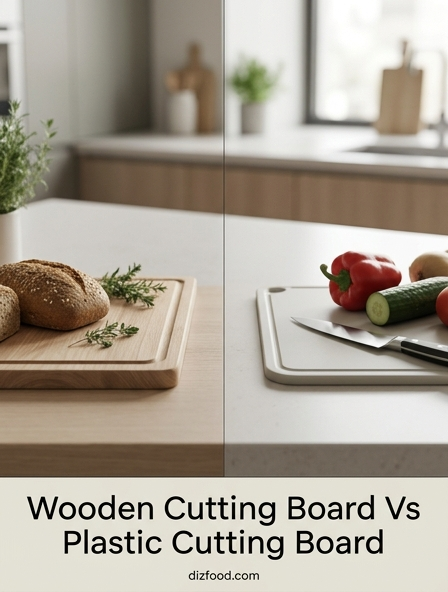
Wooden vs Plastic Cutting Boards Which One Should You Choose
Selecting the right cutting board is a foundational decision for any home cook, as it impacts food safety, knife maintenance, and the overall cooking experience. For decades, the debate between wood and plastic has persisted, with advocates on both sides claiming superiority. Wooden boards, often crafted from hardwoods like maple, walnut, or cherry, provide a traditional feel and a sturdy surface that many professional chefs prefer. Plastic boards, typically made from high-density polyethylene (HDPE), offer a lightweight and affordable alternative that is found in almost every modern kitchen.
The choice often boils down to a balance between maintenance and performance. Wood is prized for its "self-healing" properties and aesthetic charm, but it requires regular upkeep to prevent drying and cracking. Plastic is lauded for its ease of cleaning and the ability to be sanitized in a dishwasher, making it a favorite for busy households. However, recent concerns regarding microplastics and the longevity of synthetic materials have caused many to reconsider the classic wooden block.
- Wood: Best for vegetable prep, bread, and serving as a charcuterie board.
- Plastic: Ideal for raw proteins and high-moisture tasks where quick cleanup is essential.
- End-Grain Wood: The premium choice for protecting expensive Japanese or high-carbon steel knives.
- Bamboo: A sustainable middle ground, though harder on blades than traditional hardwoods.
Ultimately, most kitchens benefit from a hybrid approach, utilizing the unique strengths of both materials to create a safer and more efficient prep environment.
The Science of Bacteria and Food Safety on Each Surface
Common wisdom once suggested that plastic was safer because its non-porous surface prevents bacteria from hiding. However, scientific studies, most notably those conducted at the University of Wisconsin, have challenged this assumption. When a plastic board gets scarred from knife use, it develops microscopic grooves that are nearly impossible to clean thoroughly, even with bleach. These grooves provide a sanctuary for bacteria like Salmonella and E. coli, which can linger and contaminate future food items.
In contrast, wood possesses a unique capillary action. When bacteria settle on a wooden surface, they are drawn down into the grain of the wood. Once trapped inside, the bacteria are unable to multiply and eventually die off due to the natural antimicrobial properties of certain hardwoods. While the surface of the wood may seem more porous, its internal structure is surprisingly hostile to pathogens. This does not mean wood is invincible, but it suggests that the inherent biology of the material provides a secondary layer of protection that plastic lacks.
To maximize safety, users should consider the following factors:
- Porosity: Hardwoods with tight grains are safer than softwoods or large-pored woods like oak.
- Scrutiny of Scars: Deeply scarred plastic boards should be discarded immediately as they become bacterial reservoirs.
- Dryness: Bacteria require moisture to thrive; ensuring both board types are bone-dry after cleaning is the most effective safety measure.
How Cutting Board Materials Affect Your Knife Blade Longevity
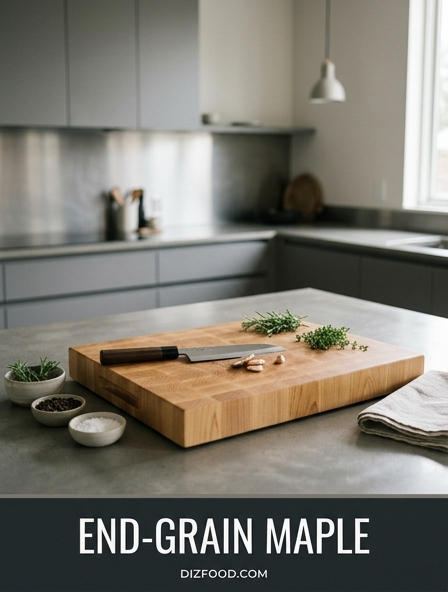
For anyone who invests in high-quality cutlery, the cutting board is just as important as the knife itself. The "give" of the surface determines how quickly a blade will dull. Wood is generally considered the superior choice for knife health. Because wood fibers are somewhat flexible, the edge of the knife can slip between the fibers rather than crashing against a hard, unyielding surface. End-grain boards are particularly excellent in this regard, as the fibers stand vertically, acting like a brush that parts when the blade hits and closes back up afterward.
Plastic boards vary significantly in their impact on knives. While soft polyethylene boards are relatively gentle, they can still cause the fine edge of a blade to roll over time. Cheaper, harder plastics or glass "cutting boards" (which should never be used for chopping) will dull a knife almost instantly. The friction generated against synthetic surfaces tends to be higher, leading to faster heat buildup and edge degradation during long prep sessions.
Consider the following comparison of material hardness and its effect on steel:
- Maple and Walnut: The gold standard; offers the perfect balance of resistance and softness.
- High-Density Polyethylene (HDPE): Acceptable for general use but requires more frequent knife honing.
- Bamboo: High silica content makes it much harder than wood, causing faster dulling of premium blades.
- Glass or Stone: These are not cutting boards; they are decorative platters that will ruin a knife in a single use.
Durability Comparison Lifespan and Surface Scarring Analysis
When evaluating the long-term value of a kitchen tool, durability and the ability to withstand daily wear are paramount. Wooden cutting boards, particularly those made of thick hardwood, are designed to last for decades. When a wooden board becomes heavily scarred or uneven, it can be sanded down and refinished to its original glory. This "renewable" nature makes wood a lifetime investment for many cooks. However, wood is susceptible to environmental stress; if left soaking in water or exposed to extreme dryness, it can warp, split, or crack beyond repair.
Plastic boards have a much shorter functional lifespan. While they are resilient against moisture and won't crack if dropped, they succumb quickly to surface scarring. Unlike wood, plastic does not "heal," and every knife stroke leaves a permanent mark. Over time, these marks create a "fuzzy" texture on the surface, which is a sign that the board is breaking down. Once a plastic board is heavily stained or deeply grooved, it cannot be easily restored and must be replaced to maintain hygiene standards.
| Feature | Wooden Board | Plastic Board |
|---|---|---|
| Average Lifespan | 10 to 30+ Years | 1 to 5 Years |
| Repairability | Can be sanded and oiled | Non-repairable |
| Warping Risk | High (if not maintained) | Low (unless exposed to high heat) |
| Scarring Surface | Self-healing (End-grain) | Permanent grooves |
Cleaning and Sanitizing Best Practices for Wood and Plastic
Proper hygiene is the most critical aspect of cutting board ownership. The cleaning methods for wood and plastic are fundamentally different due to how the materials react to water and chemicals. Plastic boards are the clear winner for convenience, as they are dishwasher safe. The high-temperature wash and heavy-duty detergents used in dishwashers effectively kill bacteria and remove stubborn oils from the plastic surface without damaging the material structure.
Wood, however, must never be placed in a dishwasher. The prolonged exposure to heat and water causes wood to swell and then shrink rapidly as it dries, leading to catastrophic warping and cracking. Instead, wooden boards should be hand-washed with warm, soapy water and dried immediately. For deep sanitization, wood can be treated with a solution of white vinegar or a diluted bleach mixture, followed by a thorough rinse. It is essential to stand the board upright to dry so that air can circulate around both sides, preventing uneven moisture retention.
Follow these steps for optimal board hygiene:
- Scrape: Remove all food debris immediately after use.
- Wash: Use hot water and mild soap. For plastic, use the dishwasher. For wood, hand-wash only.
- Sanitize: Use a spray of 3% hydrogen peroxide or vinegar to kill lingering pathogens.
- Dry: Wipe with a clean towel and air dry vertically to prevent mold growth on the underside.
Environmental Impact Sustainability Versus Microplastic Concerns
In the modern era, the environmental footprint of kitchenware is a significant consideration for many consumers. Wooden cutting boards are generally viewed as the more sustainable option, provided the wood is sourced from responsibly managed forests (FSC-certified). Wood is a renewable resource, and at the end of its long life, a wooden board is fully biodegradable. Even the sawdust generated from sanding a wooden board can be composted, making it a "closed-loop" product that does not contribute to long-term landfill waste.
Plastic boards present a different set of environmental challenges. They are derived from petroleum, a non-renewable resource, and their production is energy-intensive. Furthermore, every time a knife cuts into a plastic board, microscopic fragments of plastic-known as microplastics-are shed. These can end up in the food being prepared and, eventually, in the human body. When a plastic board is finally discarded, it contributes to the global plastic waste crisis, as many HDPE boards are not easily recycled once they have been contaminated by food oils and bacteria.
Key environmental considerations include:
- Biodegradability: Wood breaks down naturally; plastic persists for centuries.
- Microplastic Ingestion: Recent studies suggest plastic board users may ingest significant amounts of microplastics annually.
- Carbon Footprint: Locally sourced hardwood has a lower transportation footprint than mass-produced imported plastic.
Maintenance Requirements Oiling Wood Versus Dishwasher Convenience
The primary deterrent for choosing a wooden cutting board is the maintenance schedule. To keep wood in top condition, it must be seasoned regularly with food-grade mineral oil or a beeswax blend. This oil penetrates the fibers, creating a hydrophobic barrier that prevents water from soaking in and bacteria from taking root. Without this maintenance, wood becomes brittle, loses its luster, and is prone to absorbing strong odors from foods like garlic and onions. Most experts recommend oiling a wooden board once a month, or whenever the wood begins to look "thirsty."
Plastic boards are essentially maintenance-free. There is no need for oils, waxes, or special treatments. Their "convenience factor" is the main reason they dominate professional kitchens and busy family homes. When a plastic board gets stained or smells, it can simply be tossed into the dishwasher on a heavy cycle. However, this convenience comes at the cost of the board's aesthetics and the potential for chemical leaching if the plastic is exposed to excessive heat over many years.
Maintenance Comparison:
- Wood: Requires washing, immediate drying, and monthly oiling. Time-intensive but rewarding.
- Plastic: Requires only washing (manual or machine). Zero long-term upkeep until replacement is needed.
- Signs of Neglect: For wood, it's cracking; for plastic, it's deep staining and "furring" of the surface.
Visual Appeal and Kitchen Aesthetics for Modern Home Cooks
For many, the kitchen is the heart of the home, and aesthetics play a vital role in tool selection. A high-quality wooden cutting board, especially a thick end-grain block, is a piece of functional art. The varied grain patterns and rich colors of walnut, cherry, and maple add warmth and a sense of "chef-level" professionalism to a countertop. Many home cooks choose to leave their large wooden boards out as a permanent fixture, using them as a focal point for the kitchen's design. Wood also doubles as an elegant serving platter for cheeses, charcuterie, and appetizers.
Plastic boards, while functional, are rarely considered beautiful. They are often utilitarian and can look "cheap" over time as they accumulate stains and scratches. However, plastic offers a different kind of visual utility: color-coding. In many professional and organized home kitchens, plastic boards come in sets of red, green, blue, and yellow. This system allows for easy visual identification of which board is for meat, vegetables, or seafood, which helps prevent cross-contamination. While not "beautiful" in a traditional sense, the clean, organized look of a color-coded system has its own modern appeal.
Consider the aesthetic vibe of your space:
- Rustic/Traditional: Large edge-grain or end-grain wooden blocks.
- Sleek/Modern: Dark walnut boards or minimalist white high-density plastic.
- Industrial/Efficient: Brightly colored plastic sets stored in a vertical rack.
The Best Cutting Surface for Raw Meat and Cross Contamination
Cross-contamination is the leading cause of foodborne illness in the home kitchen. Handling raw poultry or beef requires a surface that can be sanitized aggressively. This is the area where plastic boards often shine. Because they can withstand the high heat of a dishwasher and the use of harsh chemical sanitizers without degrading, many food safety experts recommend using plastic boards exclusively for raw meat. This ensures that any pathogens are neutralized by the machine's sanitizing cycle.
However, wood is not inherently dangerous for meat, provided the user is diligent. The natural antimicrobial properties of wood can actually be more effective than a hand-washed plastic board. The danger with wood and raw meat lies in the potential for juices to seep into cracks if the board is not well-oiled. If you choose to use wood for meat, it is vital to have a dedicated board for that purpose and to never use it for "ready-to-eat" foods like salad greens or bread without a deep, thorough cleaning.
Recommended Strategy for Meat Safety:
- Color Coding: Use a red plastic board for raw meats and a green one for vegetables.
- Dedicated Wood: If using wood, reserve one specific board for proteins and sand it more frequently to keep the surface smooth.
- Immediate Action: Never let meat juices sit on any board; wash immediately after the task is finished.
Final Verdict Deciding Between Wood and Plastic for Your Kitchen
The "best" cutting board ultimately depends on your personal kitchen habits, your budget, and how much time you are willing to spend on maintenance. There is no single winner, but rather a best fit for specific needs. If you value longevity, sustainability, and the health of your expensive knives, a high-quality wooden board is an investment that will pay for itself over decades. It offers a superior cutting experience and enhances the visual appeal of your kitchen, provided you are willing to commit to the occasional oiling and hand-washing.
On the other hand, if you prioritize convenience, ease of sanitization, and a low entry price, plastic boards are the way to go. They are the practical choice for high-volume meat prep and for those who prefer the "set it and forget it" nature of dishwasher-safe tools. However, you must be prepared to replace them every few years to ensure they don't become a breeding ground for bacteria in their deep grooves.
The most balanced recommendation for the modern home cook is to own both:
- One Large Wooden Board: For all vegetable prep, bread, and general chopping.
- Two or Three Plastic Boards: Specifically for raw chicken, fish, and beef, to be swapped out and bleached or machine-washed after every use.
By using this hybrid approach, you get the best of both worlds: the beauty and blade protection of wood, alongside the hygienic insurance of plastic.

Comments