
Tired of discovering frosty patches on your favorite steaks or finding that your frozen veggies have lost their vibrant flavor? Freezer burn is a frustrating kitchen hurdle, but it's entirely avoidable with a few smart techniques. Protecting your culinary investment starts with minimizing air exposure and maintaining consistent temperatures. By wrapping items tightly in moisture-proof barriers and cooling food completely before freezing, you can preserve the integrity of your meals for months. Mastering these storage habits keeps your ingredients fresh and prevents unwanted dehydration. For the best results, consider how you package your food by comparing Vacuum Sealing Vs Ziploc Bagging to find the ultimate protection for your freezer.
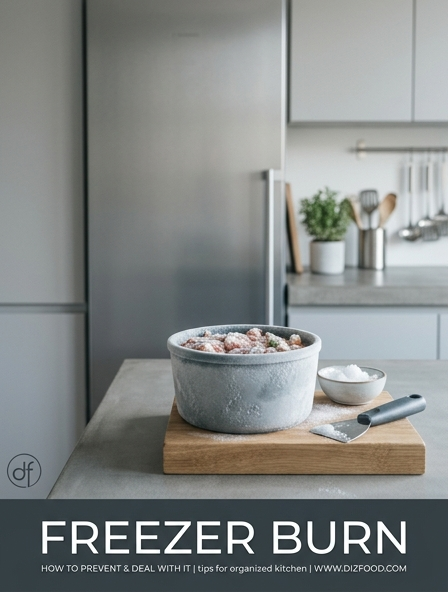
Understanding Freezer Burn Causes
Freezer burn is a physiological condition that affects frozen food when it is inadequately protected from air exposure. At its core, the process is driven by sublimation, where ice crystals transform directly into water vapor without passing through a liquid phase. When the environment inside a freezer becomes dry or undergoes temperature fluctuations, moisture is drawn out of the food's surface and migrates toward the coldest parts of the unit, often forming frost on the packaging. This dehydration leaves behind "dry" pockets in the tissue, resulting in the characteristic grayish-brown leathery patches found on meat and the shriveled appearance of vegetables.
While freezer-burned food remains safe to eat, its culinary quality is significantly compromised. The loss of moisture leads to a tough, woody texture and the development of "off" flavors due to oxidation. Several factors accelerate this process:
- Fluctuating temperatures that cause repeated melting and refreezing of surface moisture.
- Poorly sealed packaging that allows air to circulate directly against the food.
- Extended storage durations that exceed the protective limits of standard freezer bags.
- Excessive headspace in rigid containers, providing a reservoir for moisture to escape.
Mastering Vacuum Sealing Techniques
Vacuum sealing is widely considered the most effective defense against freezer burn because it removes the primary catalyst: oxygen. By utilizing a specialized machine and heavy-duty poly-nylon bags, you can extract nearly all the air surrounding the food, creating a tight physical barrier that prevents sublimation. This method ensures that moisture remains locked within the cellular structure of the food, preserving both the texture and the nutritional profile for significantly longer periods than traditional storage methods.
To achieve the best results with a vacuum sealer, follow these essential steps:
- Pre-freeze liquid-heavy items like stews or sauces for a few hours before sealing to prevent moisture from being sucked into the machine's vacuum pump.
- Leave at least three inches of headspace at the top of the bag to ensure a wide, secure heat seal.
- Check the seal integrity after the cycle; the seam should be flat, transparent, and free of wrinkles or trapped liquid.
- Use specific vacuum-rated bags, as standard zip-top bags are too porous and will eventually leak air.
By eliminating the air-to-surface contact, vacuum-sealed meats can often last up to two or three years in the freezer without any noticeable loss in quality.
Selecting Airtight Storage Containers
The choice of vessel plays a critical role in long-term food preservation. Not all plastic or glass containers are suitable for freezing; many allow minute amounts of air to permeate over time or lack the seal strength to withstand extreme cold. When selecting containers, focus on those specifically labeled "freezer-safe" to ensure they won't become brittle or crack. High-quality tempered glass is an excellent option as it is non-porous, though you must leave room for expansion to avoid breakage.
When using rigid containers, the amount of "headspace" is the most important variable. Too much air at the top of a jar leads to surface dehydration, while too little can cause the container to burst as the water content in the food expands. Consider the following material comparison:
| Material | Pros | Cons |
|---|---|---|
| Tempered Glass | Non-porous, eco-friendly, no odor transfer. | Heavy, risk of breakage if dropped or overfilled. |
| Polyethylene Plastic | Durable, lightweight, flexible. | Can retain odors and stains over time. |
| Silicone Bags | Reusable, airtight, space-saving. | Requires careful cleaning of the sealing track. |
Essential Double Wrapping Methods
For those who do not own a vacuum sealer, double wrapping is a reliable alternative that adds an extra layer of defense against the harsh freezer environment. The strategy relies on creating multiple barriers to slow down the migration of moisture. The first layer should be a tight, conforming material that clings directly to the surface of the food, such as plastic freezer wrap or heavy-duty aluminum foil. This primary layer aims to eliminate as many air pockets as possible.
The second layer provides structural integrity and secondary air protection. This is typically a thick freezer-grade zip-top bag. When using this method, ensure you press out every possible bubble of air before fully zipping the bag shut. For bulky items like large roasts or whole chickens, wrapping first in freezer paper-which features a wax or plastic coating on one side-and then placing the item into a gallon-sized freezer bag is highly effective. This "belt and suspenders" approach significantly extends the shelf life of proteins, protecting the edges and surface area from the drying effects of the freezer's fan-driven air circulation.
Maintaining Stable Freezer Temperatures
Temperature stability is the unsung hero of food preservation. A freezer that frequently cycles in temperature is much more likely to produce freezer burn than one that stays consistently cold. When the internal temperature rises even slightly, the ice crystals on the surface of the food begin to melt; when the temperature drops again, they refreeze into larger, more damaging crystals. This cycle, known as thermal shock, accelerates the sublimation process and ruins the texture of delicate items like berries or seafood.
To ensure your freezer remains at the optimal temperature of 0°F (-18°C) or lower, implement the following habits:
- Avoid opening the door frequently or leaving it open while browsing for ingredients.
- Keep the freezer at least 70% full; frozen items act as "cold sinks" that help maintain the temperature when the door is opened.
- If the freezer is mostly empty, fill the gaps with jugs of frozen water to provide thermal mass.
- Check the door gaskets regularly for leaks by closing the door on a piece of paper; if the paper pulls out easily, the seal needs replacing.
Proper Food Labeling Systems
Organization is a powerful tool in the fight against freezer burn because it prevents food from being forgotten and buried in the back of the unit. The longer an item sits in the freezer, the more likely the packaging is to fail or the moisture to migrate. A robust labeling system ensures that you are using your inventory within its peak quality window. Labels should be written with waterproof permanent markers on freezer-safe tape or directly on the bag before the contents are added and the bag becomes cold or damp.
Every label should ideally contain three specific pieces of information to maximize the efficiency of your kitchen management:
- The Item Name: Be specific (e.g., "Ground Chuck" instead of just "Meat").
- The Date: Record the date the item was frozen to facilitate a First-In, First-Out (FIFO) rotation.
- Quantity/Weight: This helps in meal planning and prevents you from defrosting more than you actually need for a recipe.
By implementing this system, you reduce the time the freezer door stays open while searching, which helps maintain those critical stable temperatures.
Benefits of Blanching Vegetables
Blanching is an essential pre-freezing step for almost all vegetables. This process involves scalding the produce in boiling water or steam for a short period, followed by an immediate "shock" in an ice-water bath to stop the cooking. The primary purpose of blanching is to neutralize the natural enzymes present in the vegetables. These enzymes remain active even at freezing temperatures and are responsible for the gradual loss of color, flavor, and texture over time.
Beyond enzyme inactivation, blanching cleanses the surface of dirt and microorganisms, brightens the color, and helps retard the loss of vitamins. Because the process softens the cell walls slightly, it also makes the vegetables easier to pack tightly, reducing the amount of air trapped inside the storage container. It is vital to follow specific blanching times for different vegetables; under-blanching can actually stimulate enzyme activity, making the quality worse than if they hadn't been blanched at all, while over-blanching results in a mushy, cooked product that lacks the freshness desired in frozen produce.
Minimizing Air Exposure Strategies
If you don't have a vacuum sealer, you can use several manual hacks to mimic the results and minimize the air surrounding your food. The goal is always to create a vacuum-like environment using basic kitchen tools. One of the most effective methods is the "water displacement" technique. Place your food in a freezer bag and zip it almost all the way across, leaving just a small opening at one corner. Slowly lower the bag into a large bowl or sink full of water. The water pressure will force the air out of the bag and through the small opening. Once the water level reaches the zipper, seal it shut.
Another popular method is the "straw technique," where you insert a drinking straw into a nearly sealed bag and manually suck out the remaining air before quickly pulling the straw out and finishing the seal. Additionally, for liquids like soups, you can minimize air by filling the bag and laying it flat while squeezing the air toward the opening. This flat-freezing method not only removes air but also saves significant space and allows the food to thaw more evenly and quickly when you are ready to use it.
Flash Freezing for Better Texture
Flash freezing is a technique used to freeze individual pieces of food quickly and separately before they are placed into long-term storage containers. This is particularly useful for small, delicate items like berries, sliced peaches, shrimp, or homemade meatballs. When items are frozen in a large mass, they cool slowly, leading to the formation of large ice crystals that puncture cell walls and cause a mushy texture upon thawing. By freezing them individually and quickly, you promote the formation of smaller ice crystals, which preserves the structural integrity of the food.
The process is straightforward and requires only a baking sheet and some parchment paper:
- Spread the cleaned and dried food items out on a baking sheet in a single layer, ensuring they are not touching.
- Place the sheet in the coldest part of the freezer for 2 to 4 hours until the items are frozen solid.
- Quickly transfer the frozen pieces into a freezer bag or airtight container, removing as much air as possible.
This method not only protects the texture but also allows you to pour out exactly the amount you need for a recipe without defrosting the entire package.
Optimizing Freezer Inventory Rotation
Even with the best packaging, food in a home freezer does not last forever. A high-turnover inventory system is the best way to ensure that nothing stays in the "danger zone" for freezer burn for too long. The First-In, First-Out (FIFO) method is the gold standard used in professional kitchens. This simply means that when you buy new groceries, you move the older items to the front or top of the freezer so they are used first. This prevents "hidden" packages from sitting at the bottom of a chest freezer for years.
To keep your inventory organized, consider grouping items by category. Use a table or a whiteboard on the freezer door to track what is inside without having to open the door and let cold air escape:
| Zone | Food Category | Max Storage Goal |
|---|---|---|
| Top/Front | Prepared meals, leftovers | 1-2 Months |
| Middle | Vegetables and fruits | 8-12 Months |
| Bottom/Back | Raw meats and poultry | 6-12 Months |
Regularly auditing your freezer-perhaps every three months-allows you to plan meals around what you already have, reducing waste and ensuring your food is always consumed at its peak quality.



Comments