
The Role of Antimicrobial Surfaces in Modern Kitchens
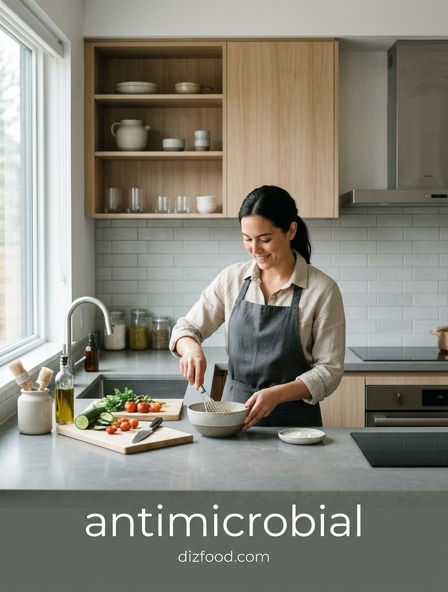
In the contemporary culinary environment, the integration of antimicrobial surfaces has transitioned from a luxury to a fundamental necessity. Modern kitchens are complex ecosystems where moisture, heat, and organic matter frequently converge, creating an ideal breeding ground for microscopic organisms. By incorporating specialized agents into countertops, sinks, and cabinet hardware, manufacturers provide a continuous line of defense that works alongside traditional cleaning protocols. These surfaces are designed to inhibit the proliferation of bacteria, mold, and mildew, ensuring that the primary touchpoints of the room remain biologically cleaner between routine wipe-downs.
- Reduced microbial load on high-touch areas like drawer pulls and faucet handles.
- Protection against the degradation of materials caused by fungal growth.
- Suppression of unpleasant odors resulting from bacterial colonization.
- Enhanced longevity of kitchen installations through mold resistance.
The strategic use of these materials does not replace the need for soap and water; rather, it provides a secondary layer of security. As homeowners prioritize health-conscious living, the demand for non-porous, treated surfaces continues to rise, reshaping how we design the heart of the home for both aesthetics and safety.
Preventing Cross Contamination During Food Preparation
Cross-contamination remains one of the most significant risks in food preparation, often occurring when pathogens from raw proteins are inadvertently transferred to ready-to-eat produce. Antimicrobial kitchen tools play a pivotal role in mitigating this risk by offering surfaces that actively resist the survival of harmful microbes. When a chef switches between different ingredients, even the most meticulous washing can occasionally leave behind microscopic residue. Integrated protection ensures that any lingering bacteria are neutralized quickly, preventing them from migrating to the next food item processed on the same surface.
- Designate specific antimicrobial boards for raw meats and vegetables.
- Utilize treated handles on knives to prevent hand-to-food transfer.
- Clean all surfaces immediately after use, regardless of antimicrobial properties.
- Store treated equipment in dry, well-ventilated areas to maximize efficacy.
By implementing a system that combines behavioral discipline with advanced material science, the likelihood of foodborne illness is drastically reduced. These technologies act as a safety net, capturing the human errors that inevitably occur in a fast-paced cooking environment, thereby maintaining a sterile workflow from start to finish.
How Antimicrobial Technology Stops Bacterial Growth
The mechanism behind antimicrobial technology is rooted in cellular disruption. Most kitchen-grade treatments utilize active agents that target the physiological functions of microbes. When a bacterium contacts a treated surface, the antimicrobial agent penetrates the cell wall, effectively "short-circuiting" its ability to function. This intervention prevents the cell from converting nutrients into energy and halts the replication process, which is essential for colony formation. Without the ability to grow or multiply, the bacteria eventually die off, leaving the surface significantly more hygienic than untreated alternatives.
| Mechanism | Action on Microbe |
|---|---|
| Cell Wall Disruption | Causes the cell to leak and lose structural integrity. |
| Metabolic Interference | Interrupts enzyme production and energy cycles. |
| DNA/RNA Damage | Prevents the cell from replicating or producing proteins. |
This process is continuous and does not wear off easily, as the agents are often built directly into the molecular structure of the product. Unlike liquid disinfectants that evaporate, these built-in technologies remain active for the life of the kitchenware, providing round-the-clock protection against invisible threats.
Choosing the Best Hygienic Cutting Board Materials
Selecting the right cutting board is a critical decision for any hygiene-conscious cook. While traditional wood offers a classic feel, its porous nature can trap bacteria deep within the grain if not properly maintained. Conversely, plastic boards are easier to sanitize but can develop deep grooves over time where bacteria hide from the dishwasher. Antimicrobial-infused boards offer a superior middle ground. These materials, often made from high-density polyethylene or specialized composites, contain silver or zinc ions that actively combat surface contamination, even within the knife scars that naturally occur during heavy use.
- High-Density Polyethylene: Durable, dishwasher safe, and often treated with antimicrobials.
- End-Grain Wood: Naturally antimicrobial but requires frequent oiling and maintenance.
- Composite Paper: Non-porous and heat resistant, preventing deep bacterial penetration.
- Silicone Mats: Flexible and easy to sterilize at high temperatures.
When evaluating options, consider how the material reacts to scarring. A board that resists deep cuts while providing active microbial suppression will remain safe for a much longer period than a standard utility board, ensuring food safety remains consistent throughout its lifespan.
Enhancing Food Safety with Antimicrobial Kitchenware
Beyond countertops and boards, the scope of kitchen hygiene extends to the very utensils we use to stir, flip, and serve. Antimicrobial kitchenware, ranging from silicone spatulas to stainless steel mixing bowls, incorporates protective technologies that safeguard against the "biofilms" that can form on frequently used items. These biofilms are protective layers created by bacteria that make them resistant to standard cleaning. By using tools treated with antimicrobial agents, cooks can prevent these colonies from taking hold, ensuring that every utensil is as clean as it looks.
- Select utensils with seamless designs to eliminate crevices where food hides.
- Prioritize items with infused handles for high-grip safety.
- Use treated storage containers to extend the freshness of leftovers.
- Replace old, cracked utensils that can no longer be effectively protected.
Integrating these advanced tools into daily routines provides a comprehensive approach to food safety. It ensures that every touchpoint in the food preparation chain is reinforced against pathogens, allowing home cooks to focus on flavor and technique without the constant worry of invisible contamination affecting their family's health.
The Science of Silver Ion Protection in Cooking
Silver has been recognized for its purifying properties for centuries, but modern science has refined this into silver ion technology. In the kitchen, these ions are embedded into polymers and coatings during the manufacturing process. When moisture is present-which is almost always the case in cooking-silver ions are slowly released to the surface. These ions are positively charged and highly reactive; they bind to the negative sites on bacterial membranes, causing them to rupture. This technology is particularly effective because it is inorganic and non-leaching, meaning it stays within the product and does not migrate into the food.
- Highly effective against common pathogens like E. coli and Salmonella.
- Thermal stability allows it to remain active even in high-heat cooking tools.
- Environmentally friendly compared to harsh chemical coatings.
- Long-lasting efficacy that does not wash away with repeated cleaning.
This "smart" protection is ideal for kitchen environments where heat, humidity, and organic matter are prevalent. By leveraging the natural power of silver at a molecular level, manufacturers can create kitchenware that actively cleans itself of microbes, providing an extra dimension of hygiene that traditional materials simply cannot match.
Reducing Foodborne Pathogens on Prep Surfaces
Preparation surfaces are the frontline of food safety. Every time a vegetable is chopped or meat is seasoned, pathogens have an opportunity to settle. While cleaning with soap and water removes visible debris, it often leaves behind microscopic organisms that can survive for hours or even days. Antimicrobial prep surfaces are engineered to address this "survival gap." By creating an inhospitable environment for bacteria, these surfaces significantly reduce the time pathogens can remain viable. This is especially important for surfaces that come into contact with high-risk foods like poultry or unwashed root vegetables.
| Surface Type | Pathogen Survival Time | Maintenance Needs |
|---|---|---|
| Untreated Wood | Variable (hours to days) | Deep oiling, hand washing |
| Standard Plastic | High (if scarred) | High-temp sanitizing |
| Antimicrobial Composite | Very Low | Standard wiping |
The goal is to minimize the "bioburden" on the surface before the next task begins. Using materials that actively kill pathogens ensures that the kitchen remains a controlled environment, preventing the accidental spread of illness-causing bacteria throughout the home.
Maintaining Long Lasting Hygiene in High Traffic Kitchens
High-traffic kitchens, whether in a busy family home or a commercial setting, face constant pressure from spills, splashes, and frequent handling. Maintaining a sterile environment under these conditions requires more than just diligence; it requires materials that work as hard as the staff. Long-lasting hygiene is achieved when surfaces are intrinsically resistant to microbial growth. Products treated with built-in antimicrobial protection do not lose their potency through heavy scrubbing or exposure to common cleaning chemicals. This durability is essential for maintaining a high standard of sanitation over years of intensive daily use.
- Opt for integrated protection rather than temporary surface sprays.
- Focus on "hot spots" such as refrigerator handles and trash can lids.
- Monitor the physical condition of surfaces for wear and tear.
- Ensure cleaning staff understand the difference between cleaning and disinfecting.
By investing in high-quality, treated materials, kitchen managers can reduce the time spent on aggressive chemical sanitization. This not only protects the health of the users but also preserves the aesthetic and structural integrity of the kitchen equipment by reducing the need for corrosive cleaning agents.
The Difference Between Sanitizing and Antimicrobial Properties
It is common to confuse "sanitizing" with "antimicrobial," but the two concepts serve different roles in a hygienic kitchen. Sanitizing is a reactive process; it involves the application of heat or chemicals to a surface to kill a high percentage of bacteria almost instantly. However, once the sanitizer evaporates, the surface is immediately vulnerable to re-contamination. Antimicrobial properties, on the other hand, are proactive and continuous. An antimicrobial surface works 24/7 to inhibit the growth of microbes, providing an ongoing level of protection that fills the gaps between scheduled cleaning sessions.
- Sanitizing: Rapidly reduces bacteria to safe levels (instant action).
- Antimicrobial: Prevents growth and reproduction (continuous action).
- Sanitizing: Requires manual application and frequent re-treatment.
- Antimicrobial: Is a permanent feature of the material's composition.
For the ultimate food safety strategy, both must be utilized. A cook should sanitize a surface after preparing raw meat, while the antimicrobial property of that surface ensures that any missed microbes do not multiply into a dangerous colony before the next cleaning cycle occurs.
Implementing Advanced Hygiene Standards for Home Cooks
Adopting advanced hygiene standards at home involves a shift in both mindset and equipment. The modern home cook can leverage professional-grade technology to create a safer culinary environment. Start by auditing your most-used items: cutting boards, sponges, and dish towels. These are often the most contaminated items in the house. Replacing them with antimicrobial-treated versions can immediately lower the bacterial count in your kitchen. Additionally, consider the materials of your larger appliances and surfaces, looking for "easy-clean" and "microbe-resistant" certifications during your next upgrade.
- Use microfiber cloths with silver-ion weaving for wiping counters.
- Install touchless faucets to reduce contact with germs.
- Keep antimicrobial sprays for a quick "re-up" on untreated surfaces.
- Establish a "clean-as-you-go" habit to support the material's function.
Advanced hygiene is not about creating a sterile laboratory; it is about reducing risks through smart choices. By combining the latest in material science with consistent cleaning habits, home cooks can ensure their kitchen remains a healthy place for creativity and nourishment, protected from the invisible threats that often go unnoticed.

Comments