
The Science of Allicin Development
Allicin is the primary organosulfur compound responsible for the pungent, spicy kick associated with fresh garlic. Interestingly, allicin does not exist within an intact garlic clove. Instead, it is the result of a rapid enzymatic reaction that occurs when the plant's internal structures are compromised. The precursor molecule, alliin, is stored in one compartment of the cell, while the enzyme alliinase is stored in another. When the cell walls are ruptured through cutting, crushing, or chewing, these two components meet, catalyzing the production of allicin.
- Mechanical Stress: The more cells are damaged, the more enzyme is released.
- Activation Time: Allicin levels peak approximately ten minutes after initial contact.
- Heat Sensitivity: High temperatures can denature alliinase, stopping allicin production.
Understanding this chemical process allows chefs to control the intensity of the garlic flavor. By allowing a resting period between preparation and cooking, one ensures maximum enzymatic conversion. This leads to a deeper, more complex flavor profile that characterizes high-quality culinary applications, ranging from raw dressings to slow-simmered sauces.
Knife Skills for Delicate Infusion
The precision of a chef's knife determines the specific flavor release during the cooking process. When a blade is razor-sharp, it cleanly separates the vegetable fibers with minimal bruising. This clean cut limits the amount of alliinase released, resulting in a milder, cleaner garlic flavor that does not overpower other ingredients. Conversely, a dull knife crushes the cells, leading to a jagged surface area and an aggressive, often bitter pungency that can muddy the flavor profile of a delicate dish.
- Uniformity: Consistent sizing ensures that all pieces release flavor at the same rate.
- Angle of Attack: Bias cutting increases the exposed surface area for faster infusion.
- Mincing vs. Dicing: Finer cuts yield more aromatic intensity per gram.
In high-end kitchen environments, the mastery of the knife is considered the first step in flavor management. By carefully controlling the physical state of the aromatic base, a cook can guide the dish toward a subtle sweetness or a sharp, spicy finish. This level of control is essential for creating balanced emulsions and vinaigrettes where raw garlic is the star.
Mechanical Pressing and Maximum Pungency
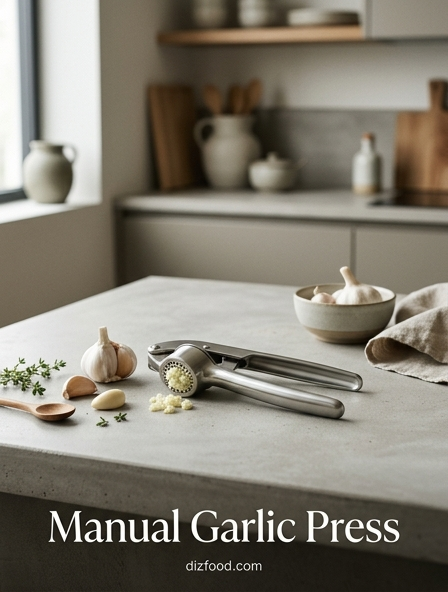
Using a garlic press is the most efficient way to maximize the release of sulfurous compounds. Unlike slicing, which preserves some cell integrity, a press subjects the clove to extreme mechanical pressure, forcing it through small apertures. This process creates a fine paste and maximizes cell wall destruction, leading to the highest possible concentration of allicin. This technique is ideal for dishes where a bold, immediate garlic punch is required, such as in heavy marinades or spicy dipping sauces.
| Feature | Sliced Garlic | Pressed Garlic |
|---|---|---|
| Flavor Profile | Sweet and Mellow | Sharp and Pungent |
| Enzyme Release | Moderate | Extreme |
| Best Use | Sautéing | Raw Dressings |
While mechanical pressing is efficient, it also increases the risk of bitterness if the garlic is overcooked. The high surface area and broken cellular structure cause the garlic to brown rapidly. Consequently, pressed garlic should be added later in the cooking process or used in moist environments to prevent the development of acrid notes.
The Impact of Grating on Heat Resistance
Grating garlic using a microplane or a fine ceramic grater transforms the clove into a liquid-rich slurry. This method produces the finest particle size possible without chemical extraction. Because the particles are so small, they integrate seamlessly into liquids, providing a homogeneous flavor distribution. However, this high degree of breakdown significantly lowers the garlic's resistance to heat. Grated garlic can burn in seconds when exposed to hot oil, turning a dish bitter and unpalatable.
- Fluidity: The released juices carry essential oils throughout the dish instantly.
- Quick Caramelization: High sugar concentrations in the pulp lead to rapid browning.
- Intensity: A little goes a long way due to total enzymatic activation.
To mitigate the risk of burning, chefs often mix grated garlic with a small amount of oil or water before adding it to a pan. This creates a protective buffer that slows down the temperature rise. Grating is the preferred method for making garlic bread spreads, ginger-garlic pastes, and certain styles of emulsified mayonnaise where a smooth texture is paramount.
Mortar and Pestle vs Electric Processing
The choice between manual pounding and electric spinning significantly alters the final flavor profile of aromatics. A mortar and pestle use shearing force and heavy impact to crush fibers and emulsify juices. This "bruising" method releases flavors more slowly and thoroughly, often resulting in a sweeter, more well-rounded aromatic base. Electric food processors, on the other hand, rely on high-speed blades to slice the ingredients thousands of times per minute. While faster, the friction from electric blades can generate heat, which prematurely alters the delicate volatile oils.
- Texture: Mortars produce a variegated paste; processors produce a uniform mince.
- Oxidation: High-speed blades introduce more air, potentially dulling the flavor.
- Oil Extraction: Pounding is superior for pulling oils out of fibrous herbs and spices.
In traditional cuisines, the mortar and pestle remain the gold standard for pastes like pesto or curry. The manual labor involved prevents the overheating of ingredients and ensures that the essential oils are pressed out rather than just chopped. This results in a vibrant, aromatic depth that machinery often struggles to replicate.
How Surface Area Governs Bitterness
Bitterness in the kitchen is often a result of excessive surface area exposure coupled with oxidation. When aromatics are chopped very finely, the ratio of exposed surface to internal volume increases exponentially. This makes the ingredient highly reactive to the oxygen in the air. For garlic and onions, this oxidation can lead to the development of harsh, metallic, or soapy flavors if the ingredients are left to sit for too long before being introduced to a cooking medium or an acid stabilizer.
- Oxidative Stress: Smaller pieces turn brown and bitter faster than larger chunks.
- Enzymatic Overload: Too much allicin production without a stabilizing agent can taste acrid.
- Acid Neutralization: Adding lemon juice or vinegar can halt these bitter-forming reactions.
Managing surface area is therefore a balancing act. While a chef may want the intensity that comes with a fine mince, they must also be prepared to use the ingredient immediately. If a recipe calls for a long cooking time, larger pieces are preferable, as they release flavor slowly and are less likely to over-extract bitter compounds into the surrounding fat or liquid.
Slicing for Subtle Aromatic Backgrounds
Thinly slicing garlic is a technique used when a dish requires a sophisticated, nuanced garlic presence rather than an aggressive bite. By keeping the cell walls largely intact within each slice, the cook limits the total allicin production. During the cooking process, sliced garlic undergoes a different transformation; the sugars within the clove caramelize gently, leading to a nutty, toasted flavor profile that is far milder than crushed or minced versions.
- Visual Appeal: Slices remain visible in the dish, adding a textural element.
- Gradual Release: The flavor infuses the oil slowly, perfect for poaching.
- Softening: Slices become tender and buttery when cooked at low temperatures.
This method is particularly popular in Italian cuisine, such as in Aglio e Olio, where the garlic is meant to flavor the oil without dominating the palate. Because the surface area is restricted, the garlic can withstand longer exposure to heat in the pan, allowing it to turn a golden straw color without the immediate risk of burning that plagues finer cuts.
Crushing to Release Essential Oils
Crushing a clove with the flat side of a knife is a middle-ground technique that bridges the gap between whole cloves and mincing. This action fractures the internal structure just enough to allow the essential oils and juices to seep out, but not enough to turn the clove into a paste. It is a favored technique for infusing liquids, such as broths, soups, or oils, where the garlic is meant to be removed before serving. The crushed clove acts as a "flavor tea bag," releasing its essence without clouding the liquid.
- Initial Rupture: Breaks the skin and starts the enzymatic clock.
- Aromatic Depth: Releases high-boiling point volatiles that slicing might miss.
- Easy Removal: The clove stays in one piece, making it simple to fish out.
This method provides a rustic, earthy quality to the food. It is especially effective when roasting meats; placing crushed cloves in the roasting pan allows the garlic to meld with the rendering animal fats, creating a rich, savory basting liquid. The flavor is robust but lacks the sharp, stinging edge of raw, finely minced garlic.
Texture Consistency and Flavor Distribution
The consistency of the cut directly affects how flavor is perceived across the palate. If garlic pieces are uneven, the diner will experience "flavor spikes"-random bursts of intense garlic followed by bites with no aromatic presence. This inconsistency can ruin the balance of a dish. Achieving a homogeneous distribution is essential for creating a professional-grade sauce or emulsion. In these cases, the goal is for every spoonful to contain exactly the same concentration of aromatic compounds.
| Consistency | Flavor Perception | Mouthfeel |
|---|---|---|
| Uneven | Irregular and Jarring | Chunky and Distracting |
| Uniform Mince | Steady and Balanced | Smooth and Integrated |
| Paste | Pervasive and Bold | Silky and Seamless |
Texture also impacts the rate at which flavors are released during chewing. A paste coats the tongue immediately, providing an instant flavor hit. Larger pieces require mastication to release their internal juices, leading to a delayed flavor profile. Choosing the right consistency allows the chef to control the "timing" of the flavor throughout the eating experience.
Blade Material and Enzymatic Reaction Times
The material of the knife blade can have a measurable impact on the speed and quality of aromatic development. High-carbon steel blades are favored by many professional chefs for their edge retention, but they are reactive. When cutting sulfur-rich ingredients like garlic or onions, the iron in the steel can catalyze oxidation more quickly, sometimes leading to a slight graying of the ingredient or a faint metallic aftertaste. Stainless steel is non-reactive and generally preferred for maintaining the pristine color and flavor of white aromatics.
- Carbon Steel: Can speed up browning but may impart "off" flavors.
- Stainless Steel: Neutral and stable, ideal for delicate aromatics.
- Ceramic: Completely non-reactive, though less versatile for crushing.
Beyond chemistry, the physical smoothness of the blade affects how many cells are ruptured. A polished, high-grit finish on a blade slides through the garlic with less resistance than a rough-ground factory edge. This reduces the "drag" on the fibers, further refining the control over allicin production. For the most discerning palates, the interplay between metallurgy and biology is the final frontier of kitchen science.


Comments