
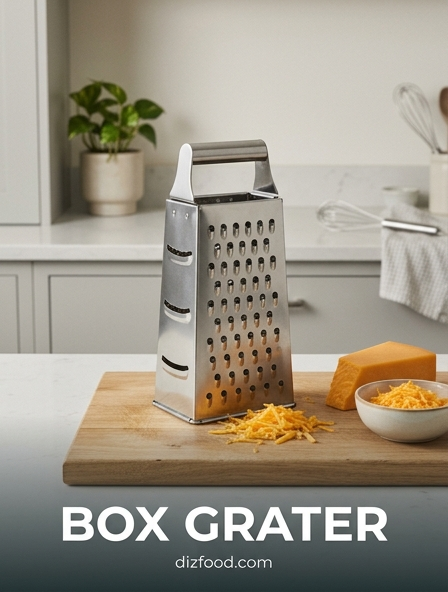
The Versatility of Four Grating Surfaces
The classic box grater is a master of multitasking, housing four distinct grating surfaces within its rigid vertical frame. Each side serves a specialized purpose, allowing a cook to transition from shredding a block of cheddar to zesting a lemon without switching tools. The coarse side is the most frequently utilized, perfect for vegetables like potatoes and carrots, providing thick strands that retain their texture during cooking. Opposite this, the medium grating surface produces smaller, more delicate shreds, which are ideal for garnishing pasta or preparing cold butter for flaky pastry crusts.
The third side typically features a fine grating surface, often used for hard cheeses like Pecorino or aromatics such as ginger and garlic. This side breaks down ingredients into a fine pulp or powder, maximizing surface area for immediate flavor release. Finally, the slicing blade offers a consistent way to produce thin rounds of cucumbers, radishes, or even hard cheeses for sandwiches. This multifaceted design ensures that a single tool can handle nearly every shredding requirement in a standard kitchen recipe.
- Coarse Side: Ideal for firm cheeses and root vegetables.
- Medium Side: Best for softer cheeses and cold pastry butter.
- Fine Side: Perfect for citrus zest and hard spices like nutmeg.
- Slicing Side: Creates uniform vegetable rounds and thin chips.
Maximizing Efficiency in Daily Meal Prep
Efficiency in the kitchen is often measured by the time spent between starting a task and finishing the cleanup. The box grater excels in this regard because it requires zero assembly and no electrical power. When preparing a quick weeknight dinner, the ability to grab a grater from the cabinet and immediately begin processing vegetables is invaluable. Unlike motorized appliances that involve multiple locking parts and blades, the box grater is a single, cohesive unit ready for instant action. Its upright design allows the shredded food to collect neatly inside the center of the box, keeping the countertop clean and organized during the process.
Furthermore, the box grater is surprisingly fast for processing medium quantities of food. While a food processor might be faster for ten pounds of carrots, the box grater is often quicker for one or two, once the time for setup and washing is factored in. Many professional chefs prefer this manual method for its direct feedback; you can feel the resistance of the food and adjust your pressure to ensure every shred is perfect, resulting in a more consistent and professional-looking end product without the bulk of heavy machinery.
Achieving Perfect Textures for Every Recipe
The texture of an ingredient can fundamentally change the mouthfeel and flavor profile of a dish. A box grater provides the precision necessary to control these textures with ease. For example, grating a potato on the coarse side creates the structural integrity needed for crispy hash browns, whereas using a fine grater would turn it into a watery mash. The table below illustrates how different surfaces influence common kitchen ingredients to achieve specific culinary results.
| Grating Surface | Common Ingredient | Resulting Culinary Texture |
|---|---|---|
| Coarse Holes | Cheddar Cheese | Thick, melty strands for tacos or burgers. |
| Medium Holes | Carrots | Delicate shreds for moist cakes or salads. |
| Fine Holes | Ginger or Garlic | A smooth paste that integrates into sauces. |
| Slicing Blade | Radishes | Paper-thin discs for elegant garnishes. |
By selecting the correct side of the grater, home cooks can replicate professional techniques. Whether you need a cloud of airy Parmesan to top a bowl of pasta or thick curls of chocolate for a dessert, the box grater offers the tactile control required to achieve those specific results consistently across different ingredients.
The Flavor Benefits of Freshly Grated Ingredients
One of the most compelling reasons to use a box grater is the dramatic improvement in flavor. Pre-shredded cheeses found in grocery stores are often coated with anti-caking agents like potato starch or cellulose. These additives prevent the cheese from clumping in the bag but also interfere with the melting process and dull the natural flavor. By using a box grater to shred cheese fresh from the block, you ensure a pure product that melts smoothly and tastes exactly as intended. The difference is particularly noticeable in dishes like mac and cheese or homemade pizza, where the quality of the melt is paramount.
Beyond cheese, grating aromatics like ginger, garlic, or citrus peel immediately before use releases essential oils that are lost when ingredients are processed hours or days in advance. The sharp blades of a quality box grater cut through the cell walls of these ingredients, liberating the volatile compounds that provide intense aroma and taste. This freshness transforms a standard recipe into something exceptional, providing a depth of flavor that pre-packaged or pre-minced alternatives simply cannot match. Investing a few minutes of manual labor results in a vastly superior culinary experience.
A Compact Solution for Small Kitchens
For those working in kitchens with limited storage space, the box grater is an indispensable asset. It consolidates at least four different tools-a coarse shredder, a fine zester, a medium grater, and a mandoline slicer-into a single, compact footprint. Its vertical orientation allows it to be tucked into narrow cabinets or placed on a shelf without occupying much real estate. Because it does not require a motor base or a tangle of electrical cords, it can be stored in any drawer or hung from a hook if the model includes a loop handle.
The portability of the box grater also makes it a favorite for outdoor cooking and camping. While electric food processors are tethered to outlets, the box grater can be used anywhere, from a backyard barbecue to a remote campsite. Its lightweight nature combined with its multi-functional capabilities makes it the ultimate "bang-for-your-buck" tool for minimalist cooks. Instead of cluttering your kitchen with specialized gadgets that only perform one task, the box grater provides a comprehensive solution for almost all vegetable and cheese processing needs, ensuring your counters remain clutter-free and functional.
Superior Durability Compared to Electric Food Processors
In an era of planned obsolescence, the box grater remains a testament to durable, long-lasting kitchen design. Most high-quality box graters are constructed from stainless steel, a material that is resistant to rust, corrosion, and the physical stresses of daily use. Unlike electric food processors, which rely on complex internal motors, plastic gears, and electronic sensors that can fail over time, the box grater has no moving parts. There are no circuits to fry and no fragile plastic bowls to crack if dropped. A well-maintained stainless steel grater can easily last for decades, often becoming a hand-me-down item in many families.
The simplicity of its construction is its greatest strength. While the blades may eventually dull after years of heavy use, they are generally designed to withstand significant pressure without bending or warping. Furthermore, the absence of a motor means that the tool can be safely submerged in water or put through the dishwasher without risk of mechanical failure. When you invest in a professional-grade box grater, you are purchasing a reliable tool that will perform exactly the same way in ten years as it does on the day you bought it.
Mastering Precision Slicing and Zesting
While the coarse side gets the most attention, mastering the slicing and fine-grating sides can elevate your cooking to a professional level. The slicing blade on a box grater is essentially a built-in mandoline. To use it effectively, one must maintain consistent pressure and a steady rhythm. This allows for the creation of uniform slices of potatoes for au gratin dishes or thin rounds of zucchini for sautéing. Because the blade is fixed, it provides a level of safety and stability that handheld slicers often lack, provided the user keeps their fingers away from the sharp edge.
- Select the ingredient and ensure it is dry to prevent slipping.
- Hold the grater firmly by the top handle on a non-slip surface.
- Use long, sweeping downward motions for even slices.
- Rotate the ingredient frequently to maintain a flat surface for grating.
The zesting side, characterized by small, rasp-like teeth, is perfect for extracting the flavorful zest of lemons, limes, and oranges without hitting the bitter white pith. This side can also be used to grate hard spices like cinnamon sticks or whole nutmeg, providing a freshness that pre-ground spices lose over time. Mastering these two sides turns the box grater into a precision instrument for both prep and garnishing.
Improving Speed and Safety in the Kitchen
Safety and speed are often seen as opposing forces, but a well-designed box grater bridges the gap. Most modern box graters feature an ergonomic, non-slip handle and a rubberized base. This stability is crucial; it prevents the tool from sliding across the cutting board, which is the primary cause of kitchen nicks and cuts. By providing a secure grip and a solid foundation, the grater allows the cook to apply the necessary force to shred tough vegetables like sweet potatoes or butternut squash without fear of the tool tipping over.
- Non-slip base: Anchors the grater to the counter for maximum stability.
- Ergonomic handle: Reduces hand fatigue during large prep tasks.
- Wide internal volume: Prevents clogging and allows for continuous grating.
- Stainless steel construction: Ensures the frame doesn't flex under pressure.
To further enhance safety, many cooks utilize a food holder or a cut-resistant glove when working with small pieces of food. This allows you to grate down to the very end of the ingredient without risking your fingertips. When these safety features are combined with the inherent speed of a sharp manual tool, the box grater becomes one of the most efficient and secure ways to process ingredients in a high-pressure kitchen environment.
Easy Maintenance and Longevity Secrets
Maintaining a box grater is remarkably simple, yet a few specific habits can significantly extend its lifespan and keep the blades sharp. The most important rule is to rinse the grater immediately after use. If food particles, particularly cheese or starches, are allowed to dry inside the holes, they become difficult to remove and can harbor bacteria. A quick blast of warm water and a swipe with a kitchen brush is usually all that is needed to keep the surfaces pristine. For deep cleaning, most stainless steel graters are dishwasher safe, though hand washing is often recommended to preserve the keen edge of the blades over the long term.
- Rinse with cold water immediately after grating cheese to prevent sticking.
- Use a nylon brush to scrub in the direction of the blades.
- Dry the grater thoroughly before storage to prevent water spots.
- Store in a dedicated spot where other metal tools won't dull the teeth.
Occasionally, you can run a piece of parchment paper over the teeth to help dislodge stubborn fibers from ginger or horseradish. Avoiding the use of harsh abrasive pads on the exterior can also keep the grater looking new. By following these basic care steps, your box grater will remain a sharp, hygienic, and indispensable part of your kitchen arsenal for many years.
Why the Box Grater Outperforms Modern Alternatives
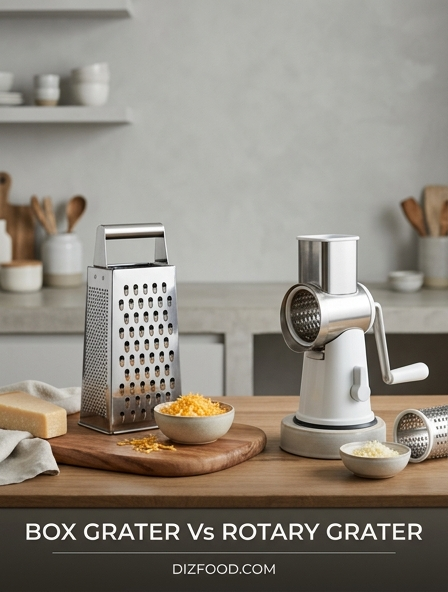
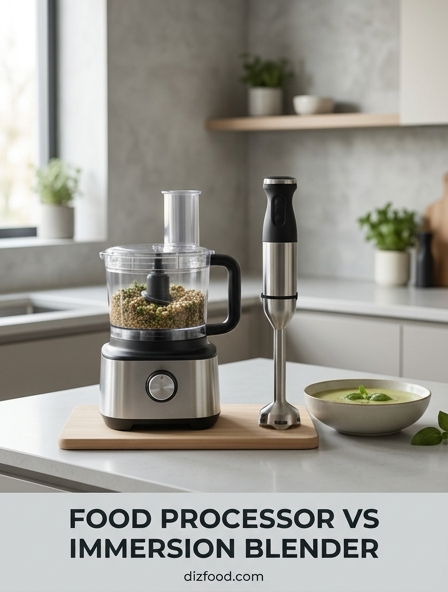
Despite the proliferation of specialized gadgets like microplanes, rotary graters, and electric shredders, the box grater remains the gold standard for versatility and reliability. Modern alternatives often excel at one specific task but fail to offer the comprehensive utility of the box design. For instance, a microplane is excellent for zest but useless for shredding a pound of cheddar. Conversely, a food processor is powerful but requires significant cleanup and storage space. The box grater sits in the "sweet spot," providing multiple functions in a durable, easy-to-clean format that requires no electricity.
| Feature | Box Grater | Electric Processor | Rotary Grater |
|---|---|---|---|
| Versatility | High (4+ sides) | Medium (requires blades) | Low (single task) |
| Cleanup Time | Minimal | Extensive | Moderate |
| Storage Size | Small/Vertical | Large/Bulky | Medium |
| Reliability | Lifetime | Limited by motor | Limited by plastic |
Ultimately, the box grater wins because it respects the cook's time and space. It provides a tactile connection to the ingredients, allows for precise control over texture, and is ready to work at a moment's notice. For the practical home cook, it remains the most efficient and dependable tool for transforming raw ingredients into a finished meal.

Comments