
Maximizing Prep Speed with Heavy Duty Tools
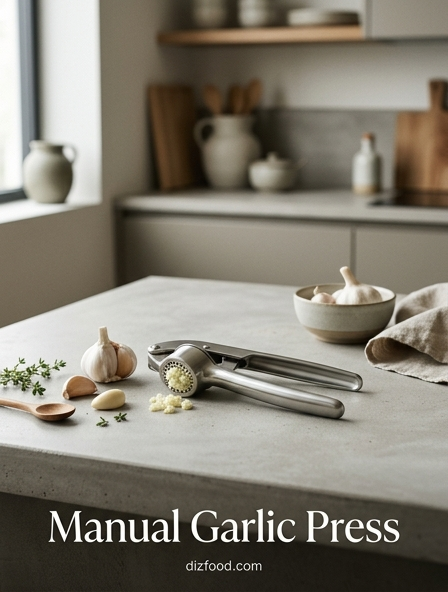
In a fast-paced kitchen environment, efficiency is the cornerstone of successful meal preparation. A heavy-duty manual garlic press is engineered to minimize the time spent on one of the most tedious tasks: peeling and mincing individual cloves. By utilizing a high-leverage handle design, these tools allow the user to process multiple cloves simultaneously without the need for intricate knife work. The weight and balance of a premium press ensure that the physical effort required is significantly reduced, making it an essential asset for high-volume cooking.
To achieve the best results in the shortest amount of time, consider the following advantages of using heavy-duty equipment:
- Large capacity hoppers that accommodate several cloves at once.
- Reinforced hinge points that prevent bending under high pressure.
- Precision-engineered hole patterns for maximum extraction with minimal waste.
- Textured grips that provide stability even when hands are wet or oily.
By integrating a robust garlic press into your routine, you can pivot quickly from preparation to active cooking, ensuring that your aromatics are ready exactly when the pan reaches the ideal temperature.
The Science of Garlic Texture and Flavor Release
The method used to break down garlic fundamentally alters its chemical profile and, consequently, the flavor of the finished dish. When garlic is pressed rather than sliced, a greater number of cell walls are ruptured. This mechanical action facilitates the reaction between alliin and the enzyme alliinase, which produces the characteristic pungent aroma and flavor associated with fresh garlic. A manual press creates a fine paste-like consistency that distributes these compounds more evenly throughout sauces, marinades, and dressings.
| Method | Texture Result | Flavor Intensity |
|---|---|---|
| Slicing | Distinct pieces | Mild and mellow |
| Mincing | Small grains | Moderate |
| Pressing | Uniform paste | Robust and sharp |
This scientific approach to texture ensures that there are no unpleasant "hot spots" of raw garlic in a delicate sauce. Instead, the fine particles melt into the liquid, providing a consistent depth of flavor that enhances the overall complexity of the culinary creation.
Why Manual Pressing Beats Knife Mincing
While knife skills are a point of pride for many chefs, the manual garlic press offers practical advantages that a blade simply cannot replicate. Precision mincing with a knife is time-consuming and requires significant focus to ensure uniform piece size. In contrast, a press provides total uniformity in seconds. Safety is another critical factor; pressing garlic eliminates the risk of finger nicks that occur when handling small, slippery cloves on a cutting board.
- Speed: Pressing is approximately five times faster than traditional hand-mincing.
- Uniformity: Every particle is the same size, ensuring they cook at the same rate.
- Scent Control: Pressing minimizes direct hand contact with garlic oils, keeping your skin odor-free.
- Waste Reduction: Efficient designs extract the maximum amount of pulp and juice from every clove.
Furthermore, many modern presses are designed to handle unpeeled cloves. This feature removes the need for the frustrating task of removing papery skins by hand, further widening the gap between the efficiency of a manual tool and the traditional knife method.
Ergonomic Design for Stress Free Cooking
Repetitive motions in the kitchen can lead to wrist fatigue and discomfort, especially during lengthy meal prep sessions. Ergonomic design in a manual garlic press focuses on the physics of leverage to maximize output while minimizing physical strain. High-quality presses feature contoured handles that fit the natural curve of the palm, distributing pressure evenly across the hand rather than concentrating it on the joints of the fingers.
- Extended handle length for increased mechanical advantage.
- Non-slip silicone or rubberized coatings for a secure, comfortable hold.
- Spring-loaded mechanisms that assist in opening the handles after each use.
- Lightweight yet durable alloys that reduce the overall weight of the tool.
By choosing a tool that prioritizes ergonomics, home cooks and professional chefs alike can maintain their productivity without the risk of repetitive strain injuries. A well-designed press makes the preparation process feel effortless, allowing the cook to focus on the creative aspects of their recipe rather than the physical labor of the prep work.
Durability Matters Stainless Steel vs Plastic
The material composition of a garlic press dictates its lifespan and performance consistency. When selecting a tool, the primary choice usually falls between professional-grade stainless steel and budget-friendly plastic or nylon. While plastic models may seem appealing due to their weight and cost, they often lack the structural integrity required to handle the resistance of firm garlic cloves over a long period. Stainless steel remains the industry standard for several reasons.
| Feature | Stainless Steel | Plastic/Composite |
|---|---|---|
| Longevity | High (Decades) | Low to Moderate |
| Hygiene | Non-porous; easy to sanitize | Can harbor odors or stains |
| Strength | Will not bend or snap | Prone to stress fractures |
Stainless steel is also resistant to the acidic nature of garlic juices, ensuring that the tool will not rust or corrode. Investing in a metal press ensures that the hinge remains tight and the plunger remains aligned, providing a reliable experience every time you step into the kitchen.
Unlocking Allicin for Maximum Health Benefits
Garlic is widely celebrated for its medicinal properties, particularly its cardiovascular and immune-boosting benefits. These health perks are largely attributed to allicin, a bioactive compound that is only created when garlic is crushed or chopped. Using a manual press is the most effective way to trigger this chemical reaction, as it maximizes the surface area of the garlic and thoroughly breaks down the cell structure. This process "activates" the garlic, making the nutrients more bioavailable.
To get the most out of your garlic, follow these health-focused tips:
- Press your garlic and let it sit for 10 minutes before cooking to allow allicin levels to peak.
- Use a press to ensure the garlic is finely ground, which aids in digestion.
- Incorporate raw pressed garlic into salad dressings to preserve heat-sensitive enzymes.
- Avoid overcooking pressed garlic, as high heat can degrade the beneficial compounds.
By utilizing a manual press, you are not just enhancing the flavor of your food; you are also optimizing the delivery of potent antioxidants and anti-inflammatory agents to your body.
Streamlining Your Kitchen Workflow
A successful cook knows that the order of operations is just as important as the recipe itself. Integrating a manual garlic press into your workflow allows for a "just-in-time" preparation style that keeps ingredients fresh. Because the tool is so rapid, you don't need to prep garlic at the start of your session where it might sit and oxidize. Instead, you can press it directly into the hot oil or the mixing bowl exactly when needed.
- Clear a small "prep zone" on your counter near the stove.
- Keep a small bowl nearby for discarded garlic skins.
- Press garlic directly into the pan to capture all the essential oils and juices.
- Immediately rinse the press under warm water to prevent residue from drying.
This streamlined approach reduces the number of prep bowls required and keeps your cutting board clear for other vegetables. The less time you spend managing small piles of minced garlic, the more you can focus on controlling the heat and timing of your dish.
Consistent Results for Professional Quality Dishes
The difference between a home-cooked meal and a restaurant-quality dish often lies in the consistency of the ingredients. Unevenly chopped garlic is a common pitfall; small bits burn and turn bitter while larger chunks remain raw and pungent. A manual garlic press eliminates this inconsistency by forcing the clove through a uniform grid. This results in a fine, homogenous texture that cooks evenly and distributes flavor throughout the entire dish.
Professional chefs value this consistency for several reasons:
- Predictable browning times in sautéed dishes.
- Smooth mouthfeel in creamy sauces and emulsions.
- Balanced flavor profiles where no single bite is overwhelmed by garlic.
- Better adherence to meats when used in dry rubs or wet marinades.
Achieving this level of precision manually with a knife requires years of practice. With a premium press, even a novice cook can achieve the textural perfection required for sophisticated culinary presentations and balanced flavor palettes.
Easy Maintenance and Cleaning Tips
One common complaint about garlic presses is that they can be difficult to clean if the residue is allowed to dry. However, modern designs have addressed this issue with "easy-clean" features. Many premium presses now include built-in cleaning spikes or have chambers that swing completely open for total access. Maintaining your tool properly ensures that it remains hygienic and functional for years to come.
- Rinse immediately after use to remove the bulk of the pulp before it hardens.
- Use a small brush or the built-in cleaning tool to clear the holes.
- If dishwasher safe, place the press in the top rack to ensure a deep sanitize.
- Check the hinge periodically for any buildup and scrub with a soapy sponge.
If you find yourself with stubborn, dried garlic stuck in the grid, soaking the press in warm, soapy water for ten minutes will typically loosen the debris. Proper care not only keeps the tool looking new but also prevents any old, stale garlic flavors from tainting your future recipes.
Essential Features of a Premium Garlic Press
When shopping for a manual garlic press, it is important to look beyond the price tag and evaluate the specific features that contribute to performance and longevity. A premium tool is an investment that should feel solid in the hand and operate smoothly without excess friction. Not all presses are created equal, and small design details can make a significant difference in your daily cooking experience.
Key features to look for include:
- 304-grade stainless steel construction for maximum rust resistance.
- A self-cleaning mechanism or a fully removable basket for easy access.
- Large capacity chamber that can hold "elephant garlic" or multiple small cloves.
- Minimal gaps between the plunger and the walls to prevent "leakage" around the sides.
A well-constructed press should feel like an extension of your hand. By prioritizing these essential features, you ensure that your kitchen is equipped with a reliable tool that simplifies food prep, enhances flavor, and stands up to the rigors of daily use in a busy home.

Comments