
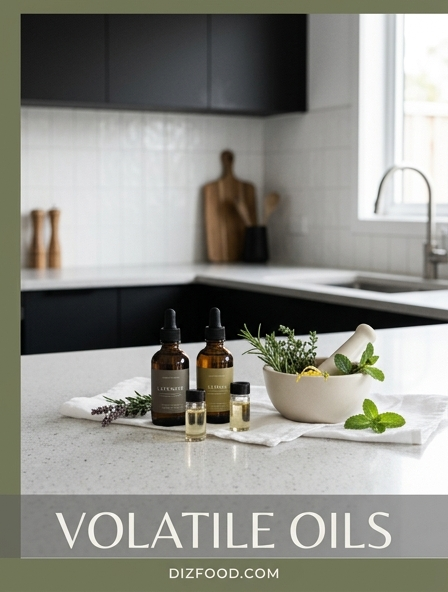
Understanding Volatile Oil Composition
Volatile oils, often referred to as essential oils in a culinary context, are complex mixtures of secondary metabolites found in plants. These compounds are primarily responsible for the distinctive aroma and flavor profiles of herbs and spices. Chemically, they are composed of various functional groups, including terpenes, alcohols, aldehydes, ketones, and phenols. Because these molecules have low boiling points, they evaporate readily at room temperature, which is why spices smell so potent even before they are heated.
- Terpenes: Found in citrus and pine-scented herbs like rosemary, providing bright and sharp notes.
- Phenols: Responsible for the pungent, warm flavors in cloves and oregano, often possessing antioxidant properties.
- Esters: Contribute fruity and sweet aromatic qualities, frequently found in fruits and certain spices like cinnamon.
The specific ratio of these compounds determines the "terroir" of a spice. Factors such as soil quality, harvest timing, and geographic location significantly alter the chemical fingerprint of the oil. Understanding this composition is vital for chefs who aim to balance top notes, which dissipate quickly, with base notes that linger throughout the cooking process.
Optimal Storage Environments for Aromatic Compounds
To preserve the integrity of volatile oils, the storage environment must be strictly controlled to prevent premature evaporation or chemical degradation. Light, heat, and oxygen are the primary catalysts for the breakdown of these delicate compounds. When exposed to ultraviolet light, many aromatic molecules undergo photolysis, leading to a loss of potency and the development of off-flavors. Similarly, fluctuating temperatures can cause oils to migrate to the surface of the plant material and evaporate.
| Factor | Ideal Condition | Impact of Neglect |
|---|---|---|
| Temperature | Cool (below 20°C) | Rapid oil evaporation |
| Light | Opaque containers | Photo-oxidation and fading |
| Oxygen | Airtight seal | Rancidity and loss of aroma |
| Moisture | Low humidity | Mold growth and clumping |
Glass jars with airtight silicone seals are preferred over plastic, as plastic can be porous or reactive with certain essential oils like d-limonene. By maintaining a stable, dark, and cool environment, the shelf life of the aromatic profile can be extended from a few months to several years.
Temperature Control for Essential Oil Retention
Temperature is the most significant variable influencing the release and retention of volatile oils during food preparation. These oils are highly sensitive to thermal energy; while heat is necessary to liberate flavors from the fibrous structures of spices, excessive heat causes the most desirable aromatic fractions to vanish into the air. This is why a kitchen fills with scent during cooking-it is the sound of flavor leaving the pan. For long-simmering dishes, maintaining a gentle poach rather than a rolling boil helps retain these delicate molecules.
- Cold Storage: Refrigeration can preserve the moisture content of fresh herbs, slowing down the enzymatic breakdown that releases volatiles.
- Moderate Heat: Helps in softening the plant tissues to allow oils to become more mobile without reaching their flash point.
- High Heat: Used briefly for "tempering" to create new aromatic compounds through the Maillard reaction, though this often sacrifices the original raw profile.
Effective kitchen management requires a dual approach: keeping spices cool during storage to prevent "staling" and utilizing controlled heat during the cooking phase to ensure the oils are integrated into the food rather than lost to the ventilation system.
The Science of Whole vs Ground Spices
The physical state of a spice serves as the primary barrier against the loss of its volatile oils. In whole spices, the aromatic compounds are safely encased within specialized cellular structures, such as oil glands or resin canals. These structures act as natural micro-capsules that protect the oils from oxidation. Once a spice is ground, the surface area increases exponentially, exposing the internal oils to the atmosphere. This exposure leads to rapid evaporation and the degradation of complex flavor notes, often leaving behind only the most stable, woody characteristics.
- Whole Spices: Retain potency for years; ideal for long infusions and stocks.
- Ground Spices: Offer immediate flavor release but degrade within weeks; best for dry rubs or quick seasoning.
- Fresh Grinding: The optimal compromise, breaking the cellular walls moments before use to capture the full spectrum of volatiles.
By delaying the grinding process until the moment of inclusion, cooks ensure that the "top notes"-the most volatile and often most prized scents-are delivered directly into the dish. This mechanical preservation is the simplest way to enhance the aromatic depth of any culinary preparation.
Blooming Aromatics in Lipid Mediums
Most volatile oils are hydrophobic, meaning they do not dissolve well in water but are highly soluble in fats and oils. This chemical property is the basis for "blooming"-the practice of heating spices in a lipid medium like oil, butter, or ghee before adding other ingredients. When spices hit hot oil, the volatile compounds are extracted from the plant material and become suspended in the fat. This not only intensifies the flavor but also ensures that the aromatics are evenly distributed throughout the final dish.
- Select a Lipid: Use an oil with a high smoke point or clarified butter to avoid burning.
- Control Temperature: Heat the oil until it shimmers, then add the aromatics.
- Observe Reactions: Look for the spice to change color slightly and release a strong fragrance, usually within 30 to 60 seconds.
- Quench: Add liquid or moisture-rich ingredients (like onions) to lower the temperature and stop the extraction process before the oils turn bitter.
The lipid acts as a carrier, coating the palate and allowing the aromatic molecules to linger longer in the mouth, which enhances the overall sensory experience of the meal.
Impact of Oxidation on Culinary Fragrance
Oxidation is the chemical enemy of culinary fragrance. When volatile oils are exposed to oxygen, they undergo a series of reactions that change their molecular structure. This process is particularly aggressive for unsaturated fats and terpenes. For instance, the limonene in citrus peel can oxidize into carveol or carvone, which carry much sharper, less pleasant odors. In spices like black pepper, oxidation leads to the loss of its characteristic "bite," leaving a dusty or stale aftertaste that lacks the complexity of fresh peppercorns.
This degradation is often accelerated by the presence of trace metals and light. As the oils oxidize, they can also become more viscous or even resinous, further altering the texture of the spice. To combat this, many chefs use vacuum-sealing technology or nitrogen-flushed packaging for high-value aromatics. Minimizing the headspace in storage containers is a practical kitchen tip to reduce the volume of oxygen available for these detrimental reactions. Regular rotation of stock is essential to ensure that the ingredients used remain chemically vibrant and aromatically true to their origin.
Cold Chain Management for Fresh Herbs
Fresh herbs present a unique challenge because they are living tissues that continue to respire after harvest. Their volatile oils are part of a delicate balance involving water content and cellular pressure. If the "cold chain"-the continuous refrigerated supply chain-is broken, the herbs begin to wilt, and enzymatic activity increases. This leads to the breakdown of chlorophyll and the loss of the essential oils that provide their fresh, green flavor profile. Proper temperature management is critical from the farm to the refrigerator crisper drawer.
| Herb Category | Storage Temperature | Best Method |
|---|---|---|
| Tender (Cilantro, Parsley) | 1°C - 4°C | Upright in water, covered with plastic |
| Hardy (Rosemary, Thyme) | 1°C - 4°C | Wrapped in damp paper towel in a bag |
| Basilicum (Basil) | 10°C - 15°C | Room temperature in water (chilling causes blackening) |
By maintaining the correct humidity and temperature, the respiration rate is minimized, effectively "slumbering" the herb and locking in its volatile oils until they are released through chopping or heating.
Timing Additions to Minimize Volatile Loss
The timing of when an aromatic ingredient is added to a dish determines its final flavor impact. Culinary science differentiates between "cooking aromatics" and "finishing aromatics." Ingredients added at the beginning of the cooking process, such as bay leaves or whole peppercorns, are meant to provide a foundational background note. These oils can withstand longer heat exposure because they are often more stable or are being extracted slowly from whole spices. In contrast, delicate herbs like basil, cilantro, or chives contain highly fugitive oils that dissipate almost instantly upon contact with heat.
- Early Additions: Use for hardy spices and roots (ginger, garlic) to infuse the base of the dish.
- Mid-way Additions: Use for dried ground spices to allow them to hydrate and integrate without burning.
- Late Additions: Use for fresh herbs and citrus zests just before serving to maximize the "top note" impact.
Strategic timing ensures that the full complexity of the volatile profile is represented, providing both the deep, cooked-in flavors and the bright, fresh aromas that define a high-quality dish.
Mechanical Extraction and Proper Maceration
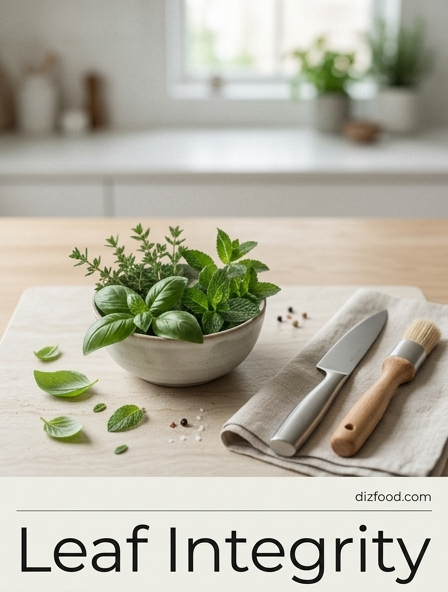
To access the volatile oils hidden within plant cells, mechanical force is often required. The way a chef cuts, bruises, or grinds an herb or spice dictates how much oil is released into the food versus how much is lost to the cutting board. Maceration, the process of softening or breaking down an ingredient using a liquid or mechanical action, is a fundamental technique for flavor extraction. Using a sharp knife is crucial; a dull blade crushes the cells and leaves the oils on the board, whereas a sharp blade cleanly slices the tissue, keeping the aromatics within the cut pieces.
- Bruising: Lightly crushing lemongrass or mint to break the oil glands without disintegrating the leaf.
- Pounding: Using a mortar and pestle to create pastes, which emulsifies the released oils with other ingredients.
- Fine Grating: Using a microplane for nutmeg or citrus zest to create maximum surface area for immediate oil release.
Proper maceration techniques ensure that the volatile oils are efficiently transferred into the culinary medium, whether that be a marinade, a sauce, or a dough, resulting in a more potent and uniform flavor distribution.
Synergistic Effects of Moisture Control
The relationship between moisture content and volatile oils is a balancing act that affects both flavor concentration and storage stability. In the drying process of spices, removing water concentrates the oils, making the spice more potent by weight. However, if the moisture level is too high during storage, it can trigger microbial growth or enzymatic reactions that degrade the oils. Conversely, if a spice is over-dried or "burnt" during the drying process, the heat used can drive off the very oils the process was meant to preserve.
In the kitchen, moisture also plays a role in how we perceive aromatics. Water-soluble vapors reach our olfactory receptors more easily in a humid environment, which is why a steaming bowl of soup smells more intense than a cold salad. Controlling the hydration of dried herbs before adding them to hot fat can also prevent the "hay-like" flavor that occurs when dried leaves are scorched. By understanding the synergy between water activity and oil volatility, a cook can better manipulate the intensity and clarity of the flavors they produce, ensuring that the aromatic profile is both concentrated and clean.

Comments