
The Science of Whole Versus Ground Spices
The fundamental difference between whole and ground spices lies in the preservation of volatile aromatic compounds. Whole spices act as biological storage units, protecting delicate oils within a rigid cellular structure. These oils, such as piperine in black pepper or cinnamaldehyde in cinnamon, are responsible for the spice's characteristic flavor and health benefits. When a spice is ground, its surface area increases exponentially, exposing these volatile compounds to oxygen, light, and moisture, which leads to rapid degradation through oxidation.
- Shelf Life: Whole spices typically retain potency for two to three years, whereas ground versions begin fading after six months.
- Flavor Complexity: Freshly ground spices offer a broader spectrum of "top notes"-the bright, immediate scents that are lost in pre-ground products.
- Control: Whole spices allow for different levels of extraction depending on whether they are kept whole, cracked, or finely powdered during the cooking process.
In professional kitchens, the preference for whole spices stems from this ability to control the release of flavor. By grinding spices immediately before use, a chef ensures that the chemical integrity of the ingredient is at its peak, providing a depth of flavor that pre-ground alternatives cannot replicate.
Toasting Whole Spices for Maximum Aroma
Dry toasting is a transformative culinary technique that utilizes high heat to alter the chemical composition of whole spices. This process, often referred to as the Maillard reaction, creates new flavor compounds and draws essential oils to the surface of the spice. The goal is to deepen the flavor profile, moving from raw, woody notes to toasted, nutty, and complex aromas. Because spices contain delicate oils, this process requires constant attention to prevent scorching, which introduces an irreversible bitterness.
- Preheat a heavy-bottomed skillet over medium heat without adding any oil or butter.
- Add the whole spices in a single layer to ensure even heat distribution.
- Toss or stir the spices constantly until they become fragrant and darken slightly in color.
- Immediately remove the spices from the hot pan and transfer them to a cool bowl or mortar to stop the cooking process.
Once toasted, the spices become more brittle, making them significantly easier to grind into a fine powder. This technique is particularly effective for cumin, coriander, and peppercorns, as it unlocks layers of flavor that remain dormant in their raw state.
Blooming Spices in Oil and Fat
Blooming is the practice of heating spices in fat-such as oil, ghee, or butter-to extract and amplify their flavors. Unlike water-based extraction, blooming targets fat-soluble volatile compounds that do not dissolve easily in aqueous liquids. When spices hit hot oil, the fat acts as a delivery system, carrying the flavor throughout the entire dish and coating the palate. This method is a cornerstone of Indian cooking, known as "tadka" or tempering, where spices are bloomed and added at various stages of the recipe.
- Flavor Carry: Fat captures the essence of the spice, ensuring the flavor is distributed evenly across all ingredients.
- Texture Modification: Softening spices in fat helps them integrate into sauces rather than remaining gritty.
- Visual Appeal: Certain spices, like turmeric or paprika, release vibrant pigments into the oil, enhancing the dish's color.
Temperature management is critical during blooming. If the oil is too cold, the spices will soak up grease without releasing flavor; if it is too hot, the spices will burn within seconds. The ideal temperature is reached when a single seed dropped into the oil sizzles immediately upon contact.
The Art of Using a Mortar and Pestle
While electric grinders offer convenience, the mortar and pestle remain the superior tool for flavor extraction. This ancient method relies on crushing and shearing forces rather than the slicing action of a blade. By pounding the spices, you rupture the cell walls more effectively, releasing a higher concentration of aromatic oils. This physical breakdown creates a paste or powder with a varied texture that provides a more nuanced sensory experience in the finished dish.
| Material | Best Use Cases | Flavor Impact |
|---|---|---|
| Granite | Hard seeds and fibrous roots | High friction; maximizes oil release |
| Marble | Dried herbs and softer spices | Cool surface; prevents oil overheating |
| Wood | Light crushing and bruising | Absorbs oils over time; gentle impact |
Using a mortar and pestle allows the cook to interact with the ingredients through scent and resistance. The friction generates a small amount of heat that further coaxes out the spice's essence, resulting in a more potent and well-rounded flavor profile compared to the uniform, dry dust produced by electric spinning blades.
Temperature Control During Flavor Extraction
Temperature is the primary catalyst for flavor extraction, but it is also its greatest threat. Different spices require different thermal environments to release their best attributes. High heat is excellent for a quick burst of aroma, while low, consistent heat is necessary for long-term infusions. When spices are subjected to excessive heat for too long, their delicate chemical bonds break down, leading to the loss of subtle notes and the development of acrid, burnt flavors.
- Low Heat (140°F - 160°F): Ideal for long-steeped infusions like flavored oils or broths where you want to avoid bitterness.
- Medium Heat (300°F - 350°F): The sweet spot for blooming spices in fat or toasting seeds in a dry pan.
- High Heat (400°F+): Generally avoided as it causes rapid carbonization of spice particles.
Managing the temperature of your cooking medium ensures that the "bright" notes of the spice-those high-frequency citrus and floral aromas-are not obliterated. In stews and braises, maintaining a gentle simmer allows for a slow, steady extraction that integrates the spice profile into the proteins and vegetables without overwhelming the palate with harsh, oxidized flavors.
Timing Your Spice Additions for Depth
The timing of when you add spices to a pot dictates the final flavor structure of the dish. This concept is often categorized into "base notes" and "top notes." Spices added at the beginning of the cooking process provide the foundational warmth and depth, as they have time to meld with the fats and proteins. Conversely, spices added near the end of the cooking cycle provide the aromatic highlights and freshness that define the dish's immediate impact.
- Early Stage: Add whole spices like cinnamon sticks, bay leaves, and star anise to the hot oil or braising liquid to build a deep, resonant base.
- Middle Stage: Incorporate ground spices during the sautéing of aromatics (onions/garlic) to allow them to bloom without burning.
- Late Stage: Sprinkle delicate or finely ground spices, like garam masala or fresh black pepper, just before serving to preserve volatile aromas.
By layering additions, you create a multi-dimensional flavor profile. A dish where all spices are added at the start often tastes "flat," while adding them all at the end results in a dish that feels disjointed and overly sharp.
Essential Tools for Fresh Spice Preparation
To master flavor extraction, one must possess tools that prioritize the mechanical integrity of the spice. Professional-grade equipment ensures that spices are prepared with minimal heat buildup and maximum precision. While a basic kitchen can function with pre-ground options, a spice-focused kitchen requires specialized implements to handle various textures and densities, from the woody bark of cinnamon to the oily seeds of nutmeg.
- Burr Grinders: Unlike blade grinders, burrs crush spices to a uniform size, which is essential for even extraction in liquids.
- Microplane Graters: These are indispensable for hard spices like nutmeg, ginger, and turmeric, creating a fine fluff that dissolves instantly.
- Fine Mesh Strainers: Crucial for removing whole spice remnants from infused oils or syrups to ensure a smooth mouthfeel.
- Cast Iron Skillets: The superior choice for toasting due to their excellent heat retention and even distribution.
High-quality tools reduce the physical effort required to process spices and, more importantly, protect the volatile oils from the friction-induced heat that often accompanies cheap electric blenders. Investing in these tools is the first step toward achieving professional-level flavor extraction at home.
Creating Intense Infusions with Heat and Time
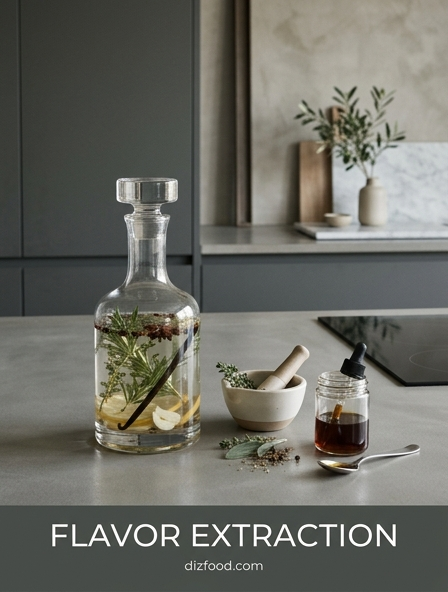
Infusion is the process of extracting flavors into a liquid base-usually water, alcohol, or oil-by controlling the variables of heat and time. This method is particularly useful for creating ingredients that can be used across multiple dishes, such as chili oil or spiced simple syrups. The intensity of an infusion is directly proportional to the surface area of the spice and the duration of its exposure to the liquid. However, there is a point of diminishing returns where over-extraction leads to undesirable tannins and bitterness.
| Liquid Base | Ideal Temp | Infusion Time |
|---|---|---|
| Neutral Oil | 180°F | 1 - 2 Hours |
| Water (Syrup) | 212°F | 15 - 30 Minutes |
| Vinegar | Room Temp | 1 - 2 Weeks |
When creating heat-based infusions, the "steep and cool" method is often best. After reaching the target temperature, remove the liquid from the heat and allow the spices to sit as the temperature naturally drops. This allows for a broad spectrum of extraction, capturing both the heat-sensitive top notes and the more stubborn base flavors as the liquid cools.
The Impact of Proper Spice Storage
Even the most skillful extraction techniques cannot compensate for spices that have been compromised by poor storage. The enemies of spice quality are heat, light, air, and moisture. When spices are stored in clear plastic containers near a hot stove, they undergo rapid chemical degradation. The oils that provide flavor evaporate or turn rancid, leaving behind a dusty, tasteless powder. Proper storage is about creating a stable environment that slows the inevitable loss of potency.
- Opaque Glass: Glass is non-reactive and prevents the transfer of odors; opaque finishes protect against light-induced oxidation.
- Cool, Dark Environments: Pantries or drawers away from the oven and dishwasher are ideal for maintaining a steady, low temperature.
- Airtight Seals: Preventing fresh air exchange is the most effective way to stop the evaporation of volatile aromatic oils.
Buying in small quantities is also a form of storage management. It is better to purchase whole spices in amounts that will be used within six months rather than bulk buying. By maintaining a fresh inventory and storing it correctly, you ensure that every extraction process begins with the highest possible concentration of flavor compounds.
Balancing Spice Profiles with Salt and Acid
Flavor extraction does not end with the spice itself; it requires the addition of salt and acid to become perceptible to the human palate. Salt acts as a universal flavor enhancer by reducing the surface tension of water on the tongue, allowing spice compounds to reach taste receptors more efficiently. Acid, in the form of citrus or vinegar, provides a "brightness" that cuts through the heavy, earthy notes of spices like cumin or cloves, creating a balanced and vibrant profile.
- Salt Addition: Salt should be added in layers. A small amount during blooming helps release moisture, while a final seasoning "pops" the spice notes.
- Acidic Finish: A squeeze of lemon or a dash of vinegar at the end of cooking can "wake up" spices that have become muted during a long braise.
- The Bitter-Acid Balance: If a spice has been slightly over-toasted, a touch of sugar or acid can often mask the resulting bitterness.
Without salt and acid, even the most expertly extracted spice flavors will taste dull and muted. The chemical interaction between these elements is what transforms a collection of individual aromas into a cohesive, delicious dish. Mastery of this balance is the final step in the science of spice-driven cookery.

Comments