
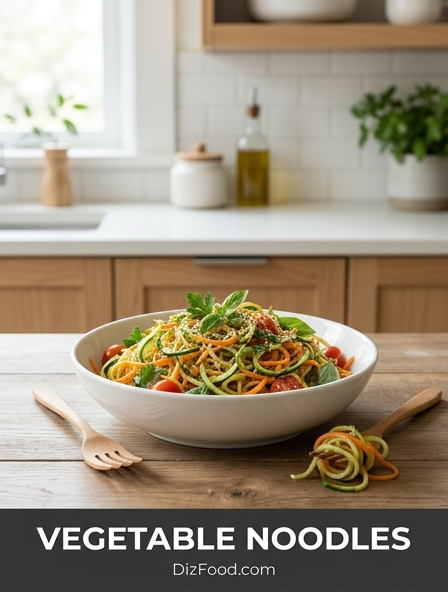
Choosing the Best Vegetables for Noodling
Selecting the right produce is the foundation of a successful vegetable noodle dish. Not all vegetables are created equal when it comes to structural integrity and texture. The most popular choice is the zucchini, often referred to as "zoodles," due to its soft flesh and ease of processing. However, firm root vegetables often yield the most satisfying, al dente results that closely mimic traditional pasta.
- Zucchini: Best for quick meals and light summer dishes.
- Sweet Potatoes: Ideal for hearty, warm bowls and retaining shape under heavy sauces.
- Carrots: Excellent for adding crunch and a vibrant orange hue to stir-fries.
- Beets: Provides an earthy flavor and a stunning visual impact, though they can stain other ingredients.
- Butternut Squash: Offers a slightly sweet profile that pairs beautifully with autumnal flavors like sage and brown butter.
When shopping, look for vegetables that are straight and at least two inches in diameter. Straight produce ensures a continuous spiral without frequent breaks, while a thicker circumference provides a larger surface area for the blades to catch, resulting in long, elegant strands that wrap perfectly around a fork.
Essential Tools for Every Home Kitchen
Transforming whole vegetables into uniform ribbons or strands requires the right equipment. Depending on your kitchen space and how often you plan to serve vegetable noodles, there are several options ranging from manual gadgets to high-powered electric appliances. A high-quality tool not only saves time but also ensures safety by keeping fingers away from sharp blades during the process.
| Tool Type | Best For | Pros |
|---|---|---|
| Countertop Spiralizer | Large Batches | Fast, multiple blade shapes, very stable. |
| Handheld Spiralizer | Single Servings | Inexpensive, compact, easy to clean. |
| Julienne Peeler | Thin Strands | Portable, works well for carrots and cucumbers. |
| Mandoline Slicer | Flat Ribbons | Consistent thickness, great for wide pappardelle styles. |
For beginners, a handheld spiralizer is a low-risk investment. However, if you find yourself embracing a low-carb lifestyle, a crank-style countertop model offers more versatility. Always look for stainless steel blades and BPA-free plastics to ensure longevity and food safety in your culinary adventures.
Mastering the Art of Spiralizing Techniques
Achieving the perfect noodle requires more than just pushing a vegetable through a blade; it involves a specific technique to maximize yield and minimize waste. The key is preparation and consistent pressure. Before you begin, trim the ends of your vegetables to create flat surfaces. This allows the vegetable to sit flush against the blade and the pushing handle, preventing slipping during the rotation.
- Center the vegetable on the coring blade to ensure even, symmetrical strands.
- Apply firm, steady forward pressure while turning the handle at a moderate pace.
- Stop periodically to trim the noodles with kitchen shears so they stay manageable for eating.
- Save the leftover "cores" or end pieces for soups, stews, or vegetable stocks.
If you are working with particularly hard vegetables like butternut squash or large carrots, you may need to apply more force. For softer items like cucumbers, a lighter touch is necessary to prevent the vegetable from mushing against the blade. Practice helps you find the rhythm that produces the longest, most consistent ribbons for your specific dish.
Secrets to Avoiding Soggy Vegetable Noodles
The most common complaint when cooking vegetable noodles is the excess moisture that can turn a beautiful meal into a watery mess. Since vegetables like zucchini are over 90% water, they release liquid as soon as heat or salt is applied. Managing this moisture is the secret to maintaining a satisfying "pasta" texture. The goal is to remove as much internal water as possible before the noodles hit the pan.
- The Salt Method: Toss raw noodles with salt and let them sit in a colander for 20 minutes, then squeeze dry.
- Air Drying: Spread noodles on a baking sheet lined with paper towels for an hour before cooking.
- The Oven Roast: Briefly bake "zoodles" at a low temperature to evaporate surface moisture.
- Skip the Lid: Never cover your pan while cooking, as steam will build up and soften the strands too quickly.
Another professional tip is to undercook the noodles slightly. They will continue to soften from residual heat once plated. If you are serving them with a sauce, consider thickening the sauce more than usual to compensate for any liquid the vegetables might release during the final toss.
Nutritional Benefits of Swapping Pasta for Veggies
Replacing traditional grain-based pasta with vegetable noodles is one of the most effective ways to boost your nutrient intake without sacrificing the volume of food on your plate. This simple swap significantly reduces the caloric density of a meal while increasing the concentration of essential vitamins, minerals, and dietary fiber. For those managing blood sugar or following a ketogenic diet, vegetable noodles offer a low-glycemic alternative that prevents the typical insulin spike associated with refined flour.
The nutritional profile varies depending on the vegetable chosen:
- Fiber: Promotes digestive health and provides a feeling of fullness for longer periods.
- Antioxidants: Beta-carotene in carrots and sweet potatoes supports eye health and immune function.
- Hydration: High water content in cucumbers and zucchini helps maintain hydration levels throughout the day.
- Vitamins: Rich in Vitamin A, C, and K, which are often missing from standard wheat pasta.
By using vegetables, you are also naturally eliminating gluten and processed additives. This makes the meal inherently more "whole-food" oriented, aligning with various wellness goals while providing a colorful, antioxidant-rich base for your favorite sauces and proteins.
Flavorful Seasoning Blends for Vibrant Bowls
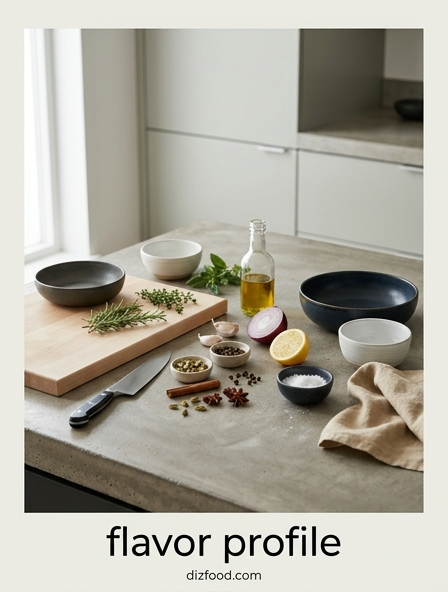
Vegetable noodles are relatively neutral in flavor, acting as a blank canvas for a wide variety of global spice profiles. Because they have a higher water content than wheat pasta, seasonings should be bold and concentrated to ensure they don't get diluted. Using dry rubs or toasted spices can add a layer of complexity that transforms a simple bowl of squash into a gourmet experience.
| Style | Key Ingredients | Best Vegetable Match |
|---|---|---|
| Mediterranean | Dried oregano, garlic powder, lemon zest, red pepper flakes. | Zucchini or Yellow Squash |
| Asian-Inspired | Ginger, toasted sesame seeds, star anise, white pepper. | Carrots or Daikon Radish |
| Smoky Southwest | Cumin, smoked paprika, chili powder, lime juice. | Sweet Potato or Butternut |
When seasoning, it is often best to add dry spices directly to the pan while sautéing. This "blooms" the spices in the oil, releasing their essential oils and coating the noodles more effectively. Finish with a splash of acidity, like rice vinegar or citrus juice, to brighten the natural sweetness of the vegetables and balance the savory elements of the dish.
Quick Cooking Methods for Perfect Texture
Speed is the primary advantage of vegetable noodles, as most varieties require only a fraction of the time needed to boil traditional pasta. The goal is to reach a state of "tender-crisp" where the noodle is warm and pliable but still retains a bit of bite. Overcooking is the most frequent mistake made in the kitchen, often resulting in a puree-like consistency that lacks the mouthfeel of a true noodle.
- Sautéing: Cook in a hot skillet with a teaspoon of oil for 2 to 3 minutes over high heat.
- Blanching: Dip root vegetable noodles into boiling water for exactly 1 minute, then immediately shock in ice water.
- Microwaving: Place in a glass bowl for 1 minute for a quick, oil-free preparation.
- Raw: Serve cucumber or beet noodles completely raw for maximum crunch in salads.
Always remember that certain vegetables cook faster than others. While a sweet potato noodle might need five minutes in a pan to become tender, a zucchini noodle is finished in less than two. If you are mixing different types of vegetables, start cooking the densest ones first and add the softer varieties during the final minute of preparation.
Creative Sauce Pairings for Every Vegetable
The secret to a cohesive vegetable noodle dish lies in pairing the right sauce with the specific moisture level and flavor profile of the vegetable. Traditional heavy cream sauces can sometimes weigh down delicate zucchini strands, while thin oils might get lost on a hearty sweet potato ribbon. Understanding these dynamics allows you to create balanced, restaurant-quality meals at home.
- Zucchini: Pairs perfectly with chunky marinara, basil pesto, or a light lemon-garlic butter.
- Carrots: Thrive with ginger-peanut sauces, tahini dressings, or spicy sriracha glazes.
- Sweet Potatoes: Hold up well under thick cashew creams, bolognese, or coconut-based curries.
- Cucumbers: Best suited for cold applications like rice vinegar and soy sauce or a creamy dill yogurt.
When applying the sauce, try to do it at the very last second. If you toss the noodles in a hot sauce and let them sit, the heat will continue to cook the vegetables, releasing more water and thinning out your sauce. For the best results, plate the noodles first and ladle the sauce over the top, or perform a very quick 30-second toss in the pan just before serving.
Smart Meal Prep and Storage Solutions
One of the best ways to stay consistent with healthy eating is to spiralize your vegetables in bulk. However, once the skin is broken and the vegetable is cut into thin strands, its shelf life decreases. Proper storage is essential to keep your noodles fresh, crunchy, and ready for a quick weeknight dinner. With the right approach, you can prep an entire week's worth of "pasta" in just one afternoon.
Follow these storage guidelines for maximum freshness:
- Use Paper Towels: Line your storage container with paper towels to absorb excess moisture that naturally leaks out.
- Airtight Containers: Use glass or high-quality plastic containers to prevent the noodles from picking up fridge odors.
- Keep Them Raw: Never cook your noodles before storing; prep them raw and cook them only when you are ready to eat.
- Observe Timelines: Zucchini lasts 2-3 days, while heartier root vegetables can stay fresh for up to 5 or 6 days.
Freezing is generally not recommended for vegetable noodles, as the ice crystals break down the cell walls, resulting in a mushy texture upon thawing. If you must freeze them, consider using them only in soups or stews where the original texture is less critical to the final enjoyment of the dish.
Plating Tips for Visually Stunning Meals
We eat with our eyes first, and vegetable noodles offer a unique opportunity to create vibrant, colorful plates that look as good as they taste. Because these noodles are naturally colorful, you can use contrast to make the dish "pop." High-end presentation techniques can turn a simple plate of vegetables into a sophisticated culinary centerpiece that impresses guests and family alike.
- The Twirl: Use a large carving fork to twirl the noodles into a high, tight nest in the center of the bowl.
- Contrast Colors: Mix different vegetables, like beet and zucchini, for a "confetti" effect.
- Garnish with Texture: Add crushed nuts, microgreens, or toasted seeds on top to provide a visual and tactile contrast.
- Wipe the Rim: Ensure the edges of the plate are clean of any sauce splashes for a professional look.
Height is your friend when plating noodles. By stacking the strands vertically rather than spreading them flat across the plate, you create a sense of abundance and elegance. Additionally, using wide-rimmed pasta bowls helps contain any sauce while framing the vibrant colors of the vegetables against the neutral background of the dishware. A final drizzle of high-quality olive oil or a dusting of fresh herbs provides the finishing touch.

Comments