
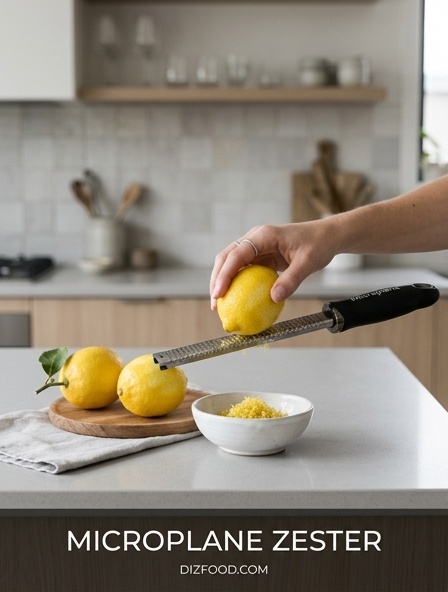
Benefits of Using a Microplane for Garlic
Utilizing a Microplane zester for garlic preparation offers unparalleled efficiency compared to traditional mincing with a chef's knife. The primary advantage lies in the tool's ability to transform a solid clove into a fine, luscious paste in a matter of seconds. This ultra-fine consistency ensures that the garlic integrates seamlessly into dishes, preventing the unpleasant experience of biting into a large, raw chunk. Furthermore, the sharp, etched teeth of a Microplane produce more surface area than standard chopping, which significantly intensifies the flavor profile of your culinary creations.
- Creates a uniform paste that dissolves easily into liquids and fats.
- Reduces preparation time significantly for recipes requiring multiple cloves.
- Maximizes the potency of the garlic, allowing you to use less for the same impact.
- Eliminates the need for a bulky garlic press that is often difficult to clean.
- Provides better control over the texture for delicate sauces and vinaigrettes.
By using this professional-grade tool, home cooks can achieve restaurant-quality results, ensuring every bite of a dish contains a balanced and pervasive garlic essence without the structural interference of coarse pieces.
Choosing the Best Garlic Cloves for Pasting
To achieve the best results when using a Microplane, the quality and physical state of the garlic are paramount. Freshness is the most critical factor; older cloves tend to become soft, rubbery, or sprout green bitter hearts, making them difficult to grate effectively. Look for heads of garlic that feel heavy for their size and have tight, papery skins. Firmness indicates a high moisture content, which is necessary for the Microplane to create a moist paste rather than a dry, fibrous mess.
| Garlic Quality | Characteristics | Grating Result |
|---|---|---|
| Prime Fresh | Firm, plump, white skin | Smooth, wet paste |
| Aged/Sprouted | Soft, green shoots, yellowing | Fibrous, bitter flavor |
| Elephant Garlic | Very large, mild flavor | High volume, less pungency |
Large cloves are generally preferred for grating because they offer more surface area to grip, which enhances safety. Smaller cloves can be difficult to handle as your fingertips get closer to the sharp teeth. If possible, opt for hardneck varieties during their peak season for a more robust and complex flavor profile.
How to Properly Peel Garlic for Grating
Efficient peeling is the first step toward a successful grating process. Since the Microplane requires a firm grip on the clove, it is essential to remove all layers of the papery skin without damaging the integrity of the garlic bulb. Any remaining skin will catch in the zester's teeth, creating a messy texture and potentially introducing a bitter, papery aftertaste to your food. Following a systematic approach ensures the cloves remain whole and easy to hold during the grating phase.
- Place the clove on a flat cutting board and lightly press down with the flat side of a knife to loosen the skin.
- Cut off the hard root end of the clove to create a clear starting point for peeling.
- Peel back the skin using your fingers or a small paring knife, ensuring no translucent inner membranes remain.
- If peeling multiple cloves, consider using a silicone rolling tube to friction-peel them quickly.
- Rinse and pat the cloves dry to prevent them from slipping in your hand while grating.
A clean, dry clove provides the necessary friction for a secure grip, which is vital when working with the sharp edges of a Microplane zester.
Step by Step Microplane Grating Technique
Mastering the technique of grating garlic involves a combination of the right angle and consistent pressure. Unlike zesting a lemon, where you often move the tool over the fruit, grating garlic is usually more efficient when you hold the Microplane steady and move the garlic clove against it. This method provides better visibility and control over the remaining size of the clove. Proper technique not only improves the quality of the paste but also ensures that you are utilizing the tool as intended to prevent dulling the blades prematurely.
- Hold the Microplane at a 45-degree angle with the end resting securely on a cutting board or over a bowl.
- Grip the clove firmly between your thumb and forefinger at the root end.
- Apply moderate pressure and slide the clove downward across the teeth in a long, fluid motion.
- Continue the reciprocating motion, moving the clove up and down until you reach the last few millimeters.
- Use a finger or a small brush to scrape the accumulated paste from the underside of the blade.
Always grate in the direction of the teeth to ensure the garlic is cut rather than smashed, which preserves the structural integrity of the flavor compounds until they are needed.
Safety Tips for Protecting Your Fingertips
The Microplane is an exceptionally sharp tool, and its etched teeth can cause painful abrasions if they come into contact with your skin. Because garlic cloves are small and can become slippery once their juices are released, extreme caution is necessary. Beginners often make the mistake of trying to grate the entire clove, which brings the fingertips dangerously close to the blades. Prioritizing safety over yield will prevent kitchen accidents and ensure a more pleasant cooking experience.
- Stop grating when the clove becomes too small to hold securely; discard the remaining "nub" or mince it with a knife.
- Keep your fingers slightly curled away from the blade to avoid accidental contact with the tips.
- Use a cut-resistant kitchen glove if you are uncomfortable or if you are grating a large quantity of garlic.
- Avoid distractions while grating; focus entirely on the position of your hand relative to the tool.
- Always clean the tool from the back or in the direction of the teeth, never across them.
By respecting the sharpness of the tool and recognizing when to stop, you can take full advantage of the Microplane's efficiency without the risk of injury.
Achieving a Smooth and Uniform Paste Consistency
The ultimate goal of using a Microplane for garlic is to achieve a consistency that is virtually liquid. A uniform paste ensures that the garlic flavor is distributed evenly throughout the dish, preventing any single bite from being overly pungent. To achieve this, it is helpful to use a consistent, rhythmic motion when grating. If the garlic is particularly juicy, it may form a thick slurry on the back of the blade; this is exactly what you want for high-end culinary applications. Unlike mincing, which leaves small geometric cubes, the Microplane shears the garlic into microscopic ribbons that collapse into a paste.
If you find the paste is too chunky, it may be due to using too much pressure or a dull zester. For an even smoother result, you can add a small pinch of kosher salt to the grated garlic on your cutting board and use the flat side of a knife to smear it further. The salt acts as an abrasive, breaking down any remaining fibers. This technique is particularly useful for raw applications like Caesar dressing or garlic butter, where a perfectly smooth texture is essential for the mouthfeel of the final product.
Releasing Maximum Essential Oils and Aromatics
The science behind garlic's flavor involves a chemical reaction that occurs when its cell walls are ruptured. When you use a Microplane, you are breaking significantly more cells than you would with traditional chopping. This process releases an enzyme called alliinase, which reacts with alliin to create allicin-the compound responsible for the distinct, pungent aroma and flavor of garlic. Because the Microplane creates such a fine texture, the release of these essential oils is maximized almost instantaneously, providing a more intense sensory experience.
This rapid release of aromatics makes grated garlic ideal for dishes where you want the garlic to stand out. However, because the oils are so volatile, the flavor can also dissipate or become overly harsh if the paste is left to sit for too long before being added to heat or an acid. To capture the peak of these essential oils, it is best to grate the garlic directly into your pan, bowl, or dressing immediately before it is needed. This ensures that the bright, sharp notes of the fresh garlic are preserved and transferred directly into your ingredients, enhancing the overall aromatic profile of the meal.
Incorporating Garlic Paste into Dressings and Sauces
Garlic paste created with a Microplane is a transformative ingredient for liquid-based recipes. In vinaigrettes, the fine particles of garlic act as a minor stabilizer, helping to emulsify the oil and vinegar while providing a punch of flavor that permeates every drop. When whisked into sauces, the paste dissolves almost instantly, avoiding the grit that often results from using dried garlic powder or poorly minced fresh cloves. This makes it the preferred method for cold sauces like aioli, tzatziki, and various yogurt-based dips.
- Whisk into olive oil and lemon juice for a vibrant, punchy salad dressing.
- Stir into mayonnaise with a splash of lemon for a quick, professional-style aioli.
- Fold into softened butter with herbs to create a compound butter for steaks or bread.
- Add to marinades to ensure the garlic flavor penetrates deep into the proteins.
- Incorporate into pan sauces at the very end to preserve the fresh, sharp bite.
Because the paste is so potent, start with a smaller amount than the recipe calls for and taste as you go. The increased surface area means a little goes a long way in flavoring large batches of sauce.
Cleaning and Maintaining Your Microplane Zester
Proper maintenance is essential to keep your Microplane zester sharp and hygienic. Garlic is naturally sticky and contains sugars that can harden within the tiny crevices of the etched teeth if not cleaned immediately. Once these residues dry, they become difficult to remove and can harbor bacteria or affect the flavor of the next ingredient you grate. To extend the life of your tool, avoid putting it in the dishwasher, as the high heat and harsh detergents can dull the fine edges over time.
- Rinse the zester under warm running water immediately after each use to dislodge garlic fibers.
- Use a soft-bristled kitchen brush to scrub the teeth, following the direction of the blades.
- Wash with mild dish soap and avoid abrasive sponges that could damage the etched surface.
- Dry the tool thoroughly with a lint-free towel or let it air dry completely before storing.
- Store the zester in its protective sleeve to prevent the teeth from getting nicked by other utensils.
A well-maintained Microplane should stay sharp for years, providing consistent results every time you prepare garlic or other aromatics.
Storing Leftover Grated Garlic for Later Use
While garlic is best used immediately after grating to capture its full aromatic potential, there are times when you may have excess paste. Because the cell walls are completely broken down, grated garlic oxidizes and spoils much faster than whole cloves. If you must store it, you must take steps to prevent it from turning brown or developing an "off" metallic taste. The goal is to limit exposure to oxygen and keep the paste at a stable, cold temperature.
| Storage Method | Duration | Best Use |
|---|---|---|
| Refrigerated in Oil | 1-2 Days | Quick sautéing or dressings |
| Frozen in Ice Trays | 1 Month | Soups, stews, and hot sauces |
| Airtight Container | 24 Hours | Immediate next-meal prep |
If storing in the refrigerator, cover the paste with a thin layer of olive oil to create an airtight seal. For longer-term storage, freezing small portions in an ice cube tray is highly effective. Once frozen, transfer the garlic "cubes" to a freezer bag. This allows you to drop a pre-measured amount of garlic paste directly into a hot pan whenever needed, saving time during future meal preparations.


Comments