
Understanding Food Oxidation Science
Oxidation in the kitchen is a chemical reaction that occurs when food molecules, particularly lipids and pigments, interact with oxygen. This process is driven by the loss of electrons, leading to the formation of free radicals that trigger chain reactions, eventually compromising the nutritional value, flavor, and color of the ingredients. In fats, this process is known as lipid peroxidation, which results in the distinct "rancid" smell often found in old oils or nuts. When pigments like myoglobin in meat or chlorophyll in vegetables are exposed to air, they undergo structural changes that shift their appearance from vibrant hues to dull browns or greys.
- Initiation: The initial formation of free radicals due to heat, light, or metal catalysts.
- Propagation: The rapid spread of oxidative damage through a food system.
- Termination: The point where radicals react with each other to form stable, but often degraded, compounds.
Understanding these stages allows cooks to intervene effectively. By identifying the triggers-oxygen, light, and heat-one can implement specific strategies to slow down the degradation of sensitive cellular structures and maintain the integrity of the raw materials used in daily culinary preparations.
Vacuum Sealing for Maximum Freshness
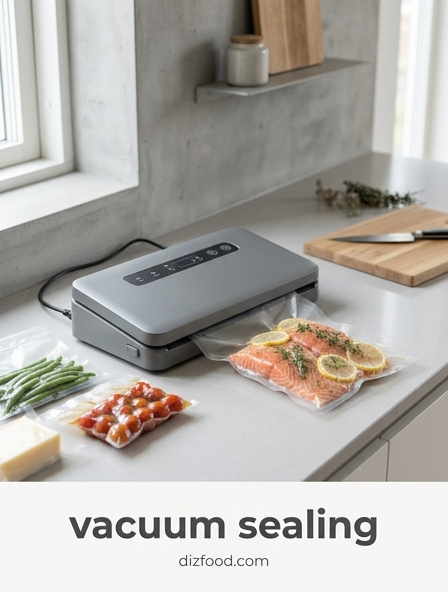
Vacuum sealing is one of the most effective mechanical methods for inhibiting oxidation by physically removing the primary reactant: oxygen. By creating a vacuum-tight environment, the concentration of oxygen molecules surrounding the food drops to near-zero levels. This environment significantly slows the growth of aerobic bacteria and molds, which require oxygen to thrive, while simultaneously preventing the oxidative breakdown of fats and vitamins. For delicate items like fish or berries, vacuum sealing protects against "freezer burn," which is actually a localized dehydration and oxidation process caused by air exposure at sub-zero temperatures.
Beyond simple preservation, vacuum sealing maintains the moisture content and volatile aromatic compounds that define a food's flavor profile. When air is absent, the aromatic oils in coffee, spices, and cured meats cannot evaporate or react with the atmosphere, ensuring that the sensory experience remains consistent over time. This technique is particularly beneficial for bulk storage, as it allows seasonal ingredients to be kept for months without the gradual loss of quality associated with traditional plastic wrap or loosely sealed containers. The compression also aids in marination, as the lack of air pressure forces liquids deeper into the cellular structure of proteins.
Temperature Control and Chemical Stability
Temperature plays a critical role in the rate of chemical reactions, including oxidation. According to the Arrhenius equation, the speed of most chemical reactions increases exponentially as the temperature rises. In a kitchen context, reducing the temperature of ingredients slows down the kinetic energy of molecules, making it harder for oxygen to interact with fatty acids and enzymes. Refrigeration and freezing act as thermal barriers that extend the shelf life of perishable goods by stabilizing their chemical components.
| Storage Zone | Typical Temp | Oxidative Impact |
|---|---|---|
| Ambient Pantry | 20°C - 25°C | Rapid lipid rancidity in oils. |
| Refrigeration | 1°C - 4°C | Significant slowing of enzymatic browning. |
| Deep Freeze | -18°C or lower | Near-total cessation of most oxidative reactions. |
However, cold storage is not a perfect shield. Some oxidative processes continue even at low temperatures, albeit at a drastically reduced pace. Maintaining a consistent cold chain is essential, as fluctuating temperatures can cause condensation and localized "hot spots" where oxidation can accelerate, leading to premature spoilage of sensitive stocks and emulsions.
Using Natural Antioxidants in Prepping
Natural antioxidants are substances that inhibit oxidation by neutralizing free radicals or by acting as oxygen scavengers. In the kitchen, these are often found in the form of acids and phenolic compounds. When prepping fruits and vegetables, applying a thin layer of an antioxidant-rich substance can create a biological barrier that protects the internal tissues from atmospheric exposure. These additives work by being "oxidized" themselves, thereby sparing the food they are protecting. Common natural antioxidants include:
- Ascorbic Acid (Vitamin C): Found in lemon and lime juice, it prevents browning in apples and avocados.
- Citric Acid: Acts as a chelating agent to bind metal ions that would otherwise catalyze oxidation.
- Tocopherols (Vitamin E): Naturally present in vegetable oils, these protect fats from becoming rancid.
- Rosemary Extract: Contains carnosic acid, frequently used to stabilize the color of ground meats.
Incorporating these elements during the mise-en-place stage ensures that ingredients remain visually appealing and nutritionally intact. For instance, tossing sliced potatoes in water with a splash of vinegar or lemon juice significantly delays the graying effect caused by contact with air, maintaining the desired aesthetic for the final dish.
Airtight Storage Solutions for Flavor Retention
While vacuum sealing is ideal for long-term needs, everyday airtight storage is vital for preserving the volatile flavor compounds in fresh ingredients. Air contains roughly 21% oxygen, which is more than enough to trigger the degradation of delicate esters and aldehydes responsible for the "fresh" aroma of herbs and spices. Using high-quality glass or BPA-free plastic containers with silicone gaskets creates a mechanical seal that limits the volume of air in contact with the food surface. The goal is to minimize the "headspace" within the container, as less air translates to a slower rate of oxidation.
The choice of material also matters in flavor retention. Glass is non-porous and impermeable to gases, making it the superior choice for aromatic foods like garlic-heavy sauces or coffee beans. Plastic, while convenient, can be slightly permeable over long durations and may absorb odors, which can later cross-contaminate other foods. For ingredients that are particularly sensitive to oxidation, such as high-quality olive oils or ground spices, transferring them to smaller containers as they are used up reduces the amount of oxygen they are exposed to every time the lid is opened, effectively extending their peak flavor window.
The Role of Blanching in Texture Preservation
Blanching is a brief heat treatment used to deactivate enzymes that cause spoilage and oxidation in vegetables. Natural enzymes like peroxidase and catalase are responsible for the toughening of textures and the loss of color during storage, especially when freezing. By immersing vegetables in boiling water followed by an immediate "shock" in ice water, these enzymes are denatured, effectively halting the biochemical processes that lead to flavor loss and structural breakdown. This technique is essential for preserving the bright green color of chlorophyll-rich vegetables.
- Boiling: Submerge the vegetable in boiling water for 1-5 minutes depending on density.
- Enzyme Denaturation: The heat breaks the chemical bonds of spoilage-inducing proteins.
- Ice Bath: Rapidly cool the item to stop the cooking process and lock in the color.
- Draining: Remove excess moisture to prevent ice crystal formation during freezing.
Without blanching, frozen vegetables often develop a "hay-like" flavor and a rubbery texture over time due to the slow but persistent action of enzymes. This step ensures that the cellular walls remain firm and the natural sugars do not convert into starch, resulting in a product that tastes much closer to its fresh counterpart after thawing and final preparation.
Stopping Enzymatic Browning in Produce
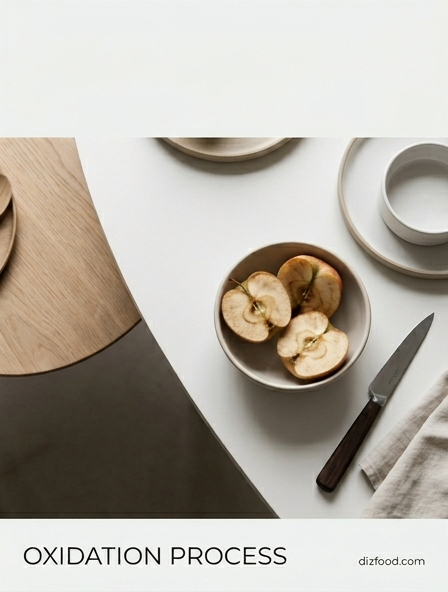
Enzymatic browning is a specific type of oxidation that occurs when the enzyme polyphenol oxidase (PPO) reacts with phenolic compounds in the presence of oxygen. This reaction is most visible in apples, bananas, potatoes, and avocados shortly after they are cut or bruised. The physical damage to the plant cells allows the enzyme and the phenols-which are normally kept in separate compartments within the cell-to mix, while the cut surface provides the necessary oxygen to fuel the reaction. The resulting brown pigments, called melanins, are non-toxic but alter the food's appeal.
To combat this, cooks can use several tactics to disrupt the PPO reaction. Lowering the pH with acidic ingredients like citrus juice or vinegar deactivates the enzyme, as PPO functions best in a neutral environment. Alternatively, coating the produce in sugar or honey can create a physical barrier that prevents oxygen from reaching the surface. Submerging cut produce in water is another common technique; water acts as a barrier, limiting oxygen diffusion to the tissue. In professional settings, sulfites or specialized commercial powders may be used, though for home kitchens, simple temperature reduction and acidity are usually sufficient to maintain the pristine appearance of fresh produce.
Oxygen Barriers and Long Term Storage
For long-term food security and preservation, specialized oxygen barriers are required to prevent the slow migration of gases through packaging. Standard plastic bags are surprisingly porous at the molecular level, allowing oxygen to seep in over several months. To counter this, high-barrier materials like Mylar (a polyester film) or glass jars with metal lids are used. These materials have extremely low oxygen transmission rates (OTR), ensuring that the internal environment remains stable regardless of the outside atmosphere.
- Oxygen Absorbers: Small packets containing iron powder that chemically bind with any residual oxygen.
- Mylar Bags: Multi-layered foils that provide a light and air-tight shield for dry goods.
- Canning Jars: Glass provides a 100% gas barrier, while the heat-sealed lid ensures a vacuum.
When storing dry staples like grains, beans, or dehydrated fruits, the combination of an oxygen barrier and an oxygen absorber can extend shelf life from months to decades. By removing oxygen to levels below 0.01%, even the most sensitive fats within grains are protected from rancidity, and the risk of insect infestation is virtually eliminated, as pests cannot survive in an oxygen-depleted environment.
Light Exposure and Nutrient Degradation
Light-induced oxidation, or photo-oxidation, is a process where light energy triggers the breakdown of food molecules. Ultraviolet (UV) and even visible light can provide the activation energy needed to start the oxidation of lipids and the degradation of vitamins like riboflavin (Vitamin B2) and Vitamin A. This is most commonly seen in oils, dairy products, and certain bottled beverages. When milk is exposed to fluorescent light in grocery store coolers, the riboflavin can react with proteins, leading to a "light-struck" off-flavor that tastes metallic or cardboard-like.
Oils rich in polyunsaturated fats, such as extra virgin olive oil or flaxseed oil, are particularly susceptible to photo-oxidation. This is why high-quality oils are traditionally sold in dark green or amber glass bottles, which filter out harmful UV rays. To preserve the nutritional density and flavor of kitchen staples, it is best to store them in opaque containers or inside dark pantries. Even dried herbs and spices lose their potency and color when stored in clear jars on a sunny countertop. Protecting food from light is just as important as protecting it from air, as the two often work synergistically to accelerate the spoilage of delicate kitchen ingredients.
Essential Techniques for Preserving Food Quality
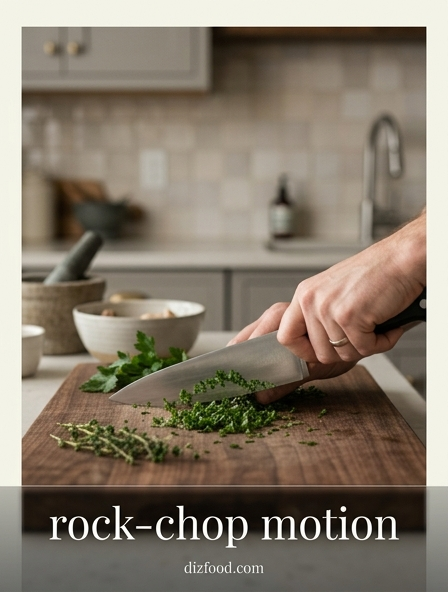
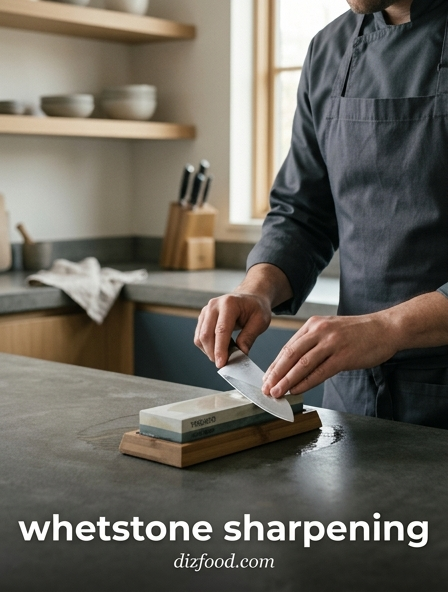
Mastering food quality preservation requires a multifaceted approach that addresses the various drivers of oxidation. The most essential technique is minimizing the surface area exposed to the environment. For example, leaving a vegetable whole until it is ready to be cooked is naturally more effective than pre-cutting, as the intact skin serves as a biological barrier. When cutting is necessary, using sharp knives reduces cellular damage, which in turn limits the release of enzymes that catalyze browning and flavor loss. Sharp blades produce clean cuts rather than crushing the tissue, keeping the oxidative reactants contained.
Additionally, the sequence of food preparation can impact freshness. Ingredients should be processed in the following order to maximize quality:
- Dry Goods: Measure and set aside first as they are least reactive.
- Aromatics: Cut onions and garlic closer to cooking time to prevent sulfurous oxidation.
- Enzymatic Produce: Slice apples, potatoes, or avocados last, or store them immediately in water.
- Proteins: Keep chilled and covered until the moment they hit the heat.
By integrating these habits-utilizing antioxidants, controlling temperatures, and choosing appropriate storage materials-any cook can significantly enhance the longevity and sensory appeal of their culinary creations.

Comments