
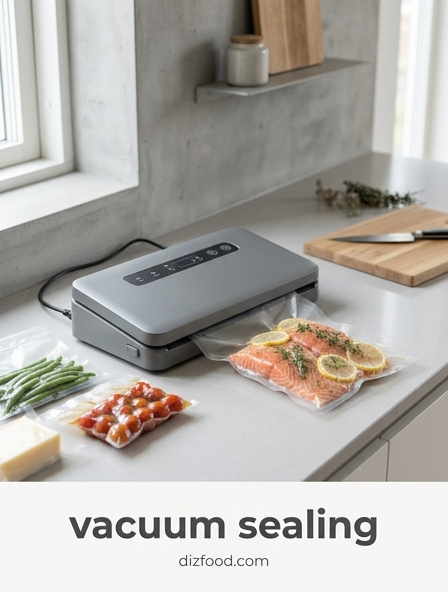
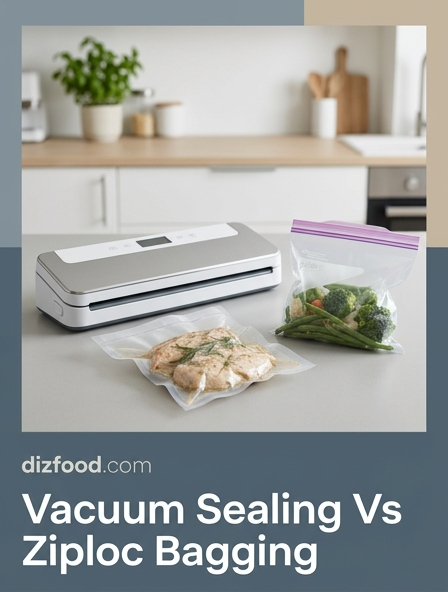
Keeping your food fresh shouldn't be a guessing game, and vacuum sealing provides the ultimate professional-grade solution for your home kitchen. By completely removing air-the main culprit behind oxidation and freezer burn-this method creates a powerful airtight seal that extends food shelf life up to five times longer than standard storage. It effectively locks in moisture, flavor, and vital nutrients, making it an indispensable tool for bulk buyers and home preppers alike. The durable barrier prevents oxygen transfer, ensuring your meats and produce remain pristine for months or even years. To maximize your kitchen efficiency, it is essential to compare the performance of Vacuum Sealing Vs Ziploc Bagging for long-term storage.
Eliminating Oxidation for Peak Freshness
Oxidation is the primary culprit behind food spoilage, acting as a chemical reaction that occurs when oxygen comes into contact with organic matter. In a kitchen environment, this process leads to the browning of fruits, the rancidity of fats, and the loss of aromatic compounds in spices and coffee. By utilizing a vacuum sealer, you effectively remove the catalyst for these reactions. When air is extracted from the packaging, the oxidative enzymes are neutralized, ensuring that the vibrant colors and fresh scents of your ingredients remain intact for significantly longer periods.
- Prevents fats and oils in meats from turning rancid.
- Stops the enzymatic browning seen in sliced apples and potatoes.
- Protects the volatile oils in coffee beans and dried herbs.
- Maintains the structural integrity of delicate proteins.
This removal of air creates an environment where biological degradation slows to a crawl. For home chefs, this means that ingredients purchased on Monday retain their "just-harvested" quality well into the following week. This method is particularly effective for high-fat items like nuts and cheeses, which are highly susceptible to picking up off-flavors from the surrounding air.
Preventing Freezer Burn and Dehydration
Freezer burn occurs when moisture evaporates from the surface of frozen food and escapes into the freezer's dry air, leaving behind dehydrated, leathery patches. Standard freezer bags are often permeable to air or contain enough internal headspace to allow ice crystals to form on the food's surface. Vacuum sealing solves this by creating a tight, second skin around the item, which prevents any air from reaching the surface and stops sublimation from occurring. This ensures that the water content stays inside the food where it belongs.
- Vacuum sealing removes the air pockets where ice crystals typically grow.
- The heavy-duty plastic used in vacuum bags acts as a superior moisture barrier compared to standard wraps.
- Tight seals prevent the "thaw-refreeze" cycles within frost-free freezers from affecting the food.
By eliminating the gap between the food and its packaging, you eliminate the possibility of surface dehydration. When you eventually defrost a vacuum-sealed steak or chicken breast, the fibers remain hydrated and succulent, avoiding the grayish-brown dry spots that characterize poorly stored proteins. This preservation of moisture is critical for maintaining the palatable quality of expensive cuts of meat and delicate seafood.
Extending Shelf Life Fivefold
The primary advantage of vacuum sealing in a culinary context is the dramatic extension of food longevity. While traditional storage methods like plastic wrap, foil, or airtight containers provide some protection, they eventually fail as air permeates the barrier or remains trapped inside. Vacuum sealing offers a hermetic seal that drastically alters the decay timeline. By removing the oxygen that most spoilage organisms require, the storage life of both refrigerated and frozen goods is extended by three to five times the standard duration.
| Food Category | Standard Storage | Vacuum Sealed |
|---|---|---|
| Fresh Beef/Poultry | 3-5 Days (Fridge) | 15-20 Days (Fridge) |
| Fish and Seafood | 2 Days (Fridge) | 6-8 Days (Fridge) |
| Fruits/Vegetables | 5-7 Days (Fridge) | 14-21 Days (Fridge) |
| Meats/Game | 6 Months (Freezer) | 2-3 Years (Freezer) |
This table demonstrates the significant impact that air removal has on different food groups. This extended window allows for better meal planning and less pressure to consume perishables immediately after purchase.
Preserving Nutrient Density and Flavor
Standard storage methods often lead to the leaching of vitamins and the evaporation of essential oils, which diminishes both the health benefits and the taste of the food. Many vitamins, particularly Vitamin C and various B vitamins, are sensitive to oxygen and light. By vacuum sealing, you lock in the nutritional profile of the food by preventing the atmospheric interaction that breaks these compounds down. Furthermore, because the seal is watertight, juices and natural flavors are forced to stay within the product rather than dripping away.
- Locks in water-soluble vitamins that would otherwise oxidize.
- Concentrates flavors by preventing the escape of aromatic molecules.
- Maintains the natural juices in meats, leading to a more tender result.
- Prevents "refrigerator smells" from tainting the flavor of delicate items like butter or cream.
When food is vacuum sealed, it is essentially suspended in its peak state. This is especially noticeable with seasonal produce; a summer peach sealed and frozen will retain a much higher concentration of its original sugars and nutrients compared to one stored in a traditional freezer bag, providing a superior culinary experience months later.
Maximizing Pantry and Freezer Space
Space management is a constant challenge in the modern kitchen. Traditional containers are bulky and often half-empty, wasting valuable real estate in the refrigerator or pantry. Vacuum sealing solves this problem through compression and the elimination of excess air. By contouring the packaging exactly to the shape of the food, you can reduce the total volume of an item significantly. This allows for a much more organized and dense storage system, turning a cluttered freezer into a streamlined library of ingredients.
- Flat-sealed bags can be stacked horizontally or filed vertically like books.
- De-bulking items like flour, rice, and dried beans saves shelf space.
- Transparent bags allow for immediate identification of contents without opening.
- Eliminates the "dead air" space that makes freezers work harder to stay cold.
Beyond the immediate space savings, this method also improves the efficiency of your appliances. A full freezer maintains its temperature better than an empty one, as the frozen items act as thermal mass. Vacuum sealing allows you to fill every cubic inch of your storage space effectively, reducing the energy load required to keep your kitchen running efficiently.
Inhibiting Mold and Bacterial Growth
Most common food-borne pathogens and spoilage organisms, such as mold and aerobic bacteria, require oxygen to grow and reproduce. By removing the air from a storage bag, you create an anaerobic environment that is inhospitable to these microbes. While vacuum sealing is not a substitute for refrigeration or proper cooking, it serves as a powerful secondary line of defense in food safety. It prevents the rapid colonization of food surfaces that typically occurs in humid, oxygen-rich environments.
- Prevents the growth of filamentous fungi (mold) on cheeses and breads.
- Inhibits the proliferation of aerobic spoilage bacteria.
- Reduces the risk of cross-contamination between different food items.
- Protects dry goods from pantry pests like weevils and moths.
It is important to note that while vacuum sealing stops aerobic growth, it does not stop anaerobic bacteria. Therefore, vacuum-sealed perishables must still be stored at the correct temperatures. However, for most household kitchen applications, the removal of oxygen significantly slows the biological clock of spoilage, ensuring that your food remains safe and appetizing for much longer than traditional methods allow.
Cost Savings Through Bulk Preservation
One of the most immediate benefits of integrating vacuum sealing into your kitchen routine is the financial impact. Food waste is a major household expense, and bulk purchasing is often the most effective way to lower unit prices. However, bulk buying is only economical if the food can be preserved before it spoils. Vacuum sealing allows consumers to take advantage of warehouse club pricing, seasonal harvests, and "manager's specials" on meats without the fear of the food going to waste.
- Buy large "sub-primal" cuts of meat and portion them into individual steaks.
- Purchase seasonal produce at its price floor and preserve it for year-round use.
- Reduce the frequency of grocery trips by maintaining a larger, longer-lasting inventory.
- Minimize the disposal of spoiled leftovers by sealing them for future lunches.
By shifting from a "buy-as-needed" model to a "buy-and-preserve" strategy, many households can reduce their annual grocery bills by 20% to 30%. The cost of the vacuum sealer and the bags is typically recouped within the first few months of use through the sheer reduction in discarded food and the savings gained from bulk transactions.
Optimizing Sous Vide Meal Prepping
Vacuum sealing is the essential partner to sous vide cooking, a technique that involves cooking food in a temperature-controlled water bath. The effectiveness of sous vide relies on the total immersion of the food and the efficient transfer of heat from the water to the ingredient. A vacuum-sealed bag ensures that there is no air layer to act as an insulator, allowing for precise and even cooking. This method also allows for advanced meal prepping, where ingredients can be seasoned, sealed, and stored until they are ready to be dropped into the water circulator.
- Ensures the bag sinks and stays submerged for safe, even cooking.
- Permits high-temperature cooking without the risk of the bag bursting.
- Infuses marinades and seasonings into the meat under vacuum pressure.
- Allows for cooking directly from the freezer to the water bath.
The pressure of the vacuum seal forces marinades into the fibers of the meat, accelerating the seasoning process. This means you can achieve deep flavor profiles in a fraction of the time required by traditional marinating. For the busy home cook, having a freezer full of pre-seasoned, vacuum-sealed proteins makes gourmet-quality dinners achievable on weeknights.
Maintaining Original Food Texture
Texture is often the first thing to degrade when food is stored improperly. Vegetables can become limp, crackers go stale, and meat can become mushy or stringy due to enzymatic breakdown and moisture shift. Vacuum sealing helps maintain the original "mouthfeel" of food by stabilizing the environment. Because there is no air to carry moisture away or introduce humidity, the internal cellular structure of the food remains under consistent pressure, which helps preserve the crispness or tenderness of the item as it was when first sealed.
- Keeps dry goods like crackers and cereal perfectly crisp by blocking humidity.
- Prevents the softening of hard cheeses by maintaining their moisture balance.
- Protects the crunch of nuts by preventing oil migration and oxidation.
- Maintains the snap of blanched vegetables stored in the freezer.
When you use vacuum sealing for dry goods, you eliminate the "stale" texture caused by atmospheric moisture. For frozen items, avoiding the formation of internal ice crystals means that the cell walls of the food don't rupture, which is why vacuum-sealed food doesn't turn into a watery mess upon thawing. This structural preservation is key to professional-level food presentation and enjoyment.
The Science of Airtight Security
The efficacy of vacuum sealing lies in the material science of the bags and the mechanical strength of the seal. Most vacuum bags are constructed from multiple layers of polyethylene and nylon. The nylon layer provides an impermeable barrier to oxygen, while the polyethylene ensures a strong, flexible heat seal. When the machine extracts air, it reduces the internal pressure, causing the film to collapse tightly around the food. This creates a "hermetic" environment, meaning it is completely airtight and impervious to outside gasses or contaminants.
- Multi-layer construction prevents "pinhole" leaks common in thin wraps.
- Heat-sealing bars create a permanent bond that won't fail under pressure.
- The textured mesh on one side of the bag helps facilitate complete air extraction.
- BPA-free materials ensure that the food remains safe even during long-term storage.
This level of security is far superior to "zip-top" bags, which rely on a mechanical track that can easily leak or pop open. The science of the airtight seal ensures that whether your food is in the pantry, the fridge, or the freezer, it is protected by a professional-grade barrier that keeps the good stuff in and the spoilage factors out.



Comments