
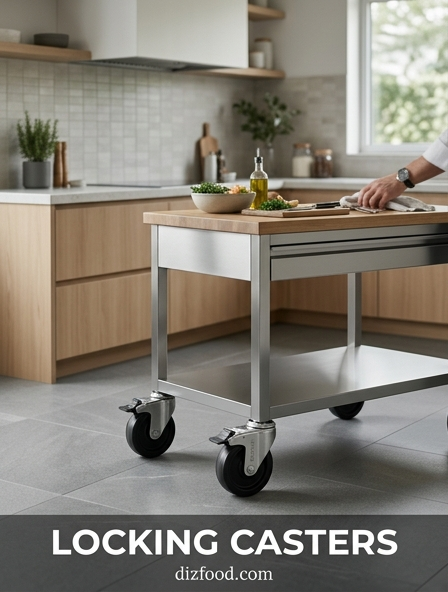
Maximizing Kitchen Layout Flexibility
Modern culinary environments demand a high degree of adaptability to accommodate various cooking styles and social gatherings. Integrating locking casters into kitchen furniture allows homeowners and professional chefs to reconfigure their workspace within seconds. Whether you are hosting a large dinner party and need to open up floor space or require a temporary prep station near the stove, mobile units provide the ultimate solution. This fluidity transforms a static room into a dynamic environment that evolves based on immediate needs.
The ability to shift heavy islands or storage racks without physical strain ensures that the kitchen remains a versatile hub. By utilizing high-quality casters, the transition between different layouts is seamless and silent. This flexibility is particularly beneficial in open-concept homes where the kitchen must transition from a functional work zone to an entertainment area. Locking mechanisms ensure that once the desired configuration is achieved, the furniture remains firmly in place, providing a sense of permanence and reliability despite the inherent mobility of the pieces.
Ensuring Stability During Food Prep
Stability is a non-negotiable requirement when performing intricate kitchen tasks such as dicing vegetables, kneading dough, or deboning proteins. A mobile cart that shifts unexpectedly can lead to uneven cuts or, more critically, physical injury. Locking casters are specifically designed to eliminate this risk by securing the wheels firmly to the floor. When the brakes are engaged, the workstation mimics the rock-solid feel of built-in cabinetry, allowing for high-pressure tasks without the slightest wobble.
The reliability of a locking mechanism is essential for maintaining a rhythmic workflow. Culinary experts often rely on several steps to ensure their prep area is safe:
- Positioning the unit on a level surface to prevent gravitational drift.
- Engaging all individual wheel locks to distribute lateral force evenly.
- Testing the stability by applying slight pressure before beginning knife work.
- Cleaning the floor area of grease or moisture to maximize the caster's grip.
This attention to detail ensures that the convenience of mobility never comes at the expense of professional-grade stability and safety.
High Load Capacity for Heavy Appliances
Kitchens are home to some of the densest and heaviest equipment in a household, ranging from commercial-grade stand mixers to under-counter refrigeration units. When placing these items on mobile platforms, it is imperative to select locking casters with appropriate load ratings. Standard hardware may buckle or seize under the weight of heavy stone countertops or professional appliances. High-capacity casters are engineered with reinforced steel housings and heavy-duty bearings to handle significant vertical pressure while maintaining smooth rotation.
| Caster Type | Typical Load Capacity | Recommended Use |
|---|---|---|
| Light Duty | 50 - 100 lbs | Small spice racks, tea carts |
| Medium Duty | 150 - 300 lbs | Butcher blocks, storage bins |
| Heavy Duty | 500+ lbs | Full-size islands, refrigerators |
Choosing the correct capacity prevents the wheels from developing flat spots, which can occur when a heavy load sits stationary for extended periods. Quality hardware ensures that even the heaviest kitchen elements can be relocated with minimal effort when cleaning or remodeling becomes necessary.
Protecting Kitchen Floors from Scuffs
Kitchen flooring, whether it be hardwood, natural stone, or ceramic tile, represents a significant investment. The movement of heavy furniture can easily lead to permanent scratches, scuffs, or gouges if the wheels are made of abrasive materials. Locking casters designed for kitchen use typically feature non-marking treads made from polyurethane or soft thermoplastic rubber. These materials provide a cushioned interface between the furniture and the floor, absorbing vibrations and preventing surface damage during movement.
Beyond material choice, the locking mechanism itself plays a role in floor protection. A poor-quality lock might allow the wheel to drag while partially engaged, leading to skid marks. Precision-engineered casters ensure a clean break between the mobile and locked states. This prevents the "flat-spotting" of the wheel, which happens when a wheel is dragged across a floor rather than rolling. By maintaining the integrity of the wheel's circumference, the user ensures that the rolling action remains smooth and silent, preserving the pristine condition of the kitchen floor for years to come.
The Importance of Precision Locking
Not all locking mechanisms are created equal, and in a high-traffic kitchen, the distinction matters. Precision locking usually involves a "total lock" system, which simultaneously halts both the rotation of the wheel and the swivel of the caster housing. This is vital for preventing "swivel drift," where the body of a cart might shift even if the wheels themselves are not turning. In a tight kitchen environment, this level of total immobility is necessary to ensure that appliances do not creep into walkways or against walls.
The ease of engagement is another factor of precision. Professional kitchen casters often feature toe-operated brakes, allowing chefs to lock and unlock units without bending over or using their hands, which may be occupied or soiled. A distinct "click" indicates that the mechanism is fully engaged, providing tactile and audible feedback. This precision ensures that the user can trust the equipment entirely, focusing their attention on the culinary task at hand rather than the stability of their workstation.
Effortless Mobility for Small Spaces
In compact kitchens, every square inch of floor space is a premium commodity. Locking casters allow for the implementation of "nesting" furniture strategies, where auxiliary prep tables or storage carts can be tucked away when not in use. This "on-demand" workspace is essential for urban apartments or galley kitchens where a permanent island would obstruct traffic flow. The ability to pull out a cart for extra counter space and then lock it into position creates a highly efficient work triangle.
- Store the mobile unit in a corner or under a counter extension.
- Roll the unit to the center of the kitchen for meal assembly.
- Engage the locks to create a secondary prep station.
- Unlock and return the unit to its storage location after cleanup.
This workflow maximizes the utility of small areas, making them feel much larger and more capable than their footprint suggests. The low rolling resistance of high-quality casters means that even in tight quarters, maneuvering around obstacles is effortless and controlled.
Choosing Durable Materials for Kitchen Use
The kitchen is a harsh environment characterized by high humidity, fluctuating temperatures, and exposure to organic acids and fats. Standard casters may succumb to rust or corrosion, leading to mechanical failure. Therefore, choosing materials specifically rated for kitchen use is critical. Stainless steel housings are the gold standard for durability, as they resist the corrosive effects of frequent cleaning with sanitizing chemicals. Furthermore, the internal bearings should be sealed to prevent the ingress of flour, grease, and moisture.
Common durable materials include:
- Stainless Steel: Offers maximum rust resistance and easy sanitation.
- Polyurethane: Provides a balance of floor protection and load-bearing strength.
- Zinc-Plated Steel: A cost-effective alternative for dry storage areas.
- Nylon: Highly resistant to chemical spills and easy to steam clean.
By selecting casters made from these robust materials, users ensure that the hardware does not become a weak point in the kitchen's infrastructure. This is especially important for items that are frequently washed or located near dishwashing stations where water exposure is constant.
Safety Benefits of Professional Grade Casters
Safety in a kitchen environment is often a matter of seconds and inches. Professional-grade locking casters contribute significantly to a safer workplace by preventing runaway equipment. In a busy commercial kitchen or a bustling home during the holidays, an unsecured cart carrying hot liquids or sharp tools is a major hazard. High-grade casters feature superior grip and locking force, ensuring that once a cart is parked, it remains stationary even if bumped by a passerby or subjected to the vibrations of nearby heavy machinery.
Furthermore, many professional casters are NSF (National Sanitation Foundation) certified. This certification ensures that the caster design does not have hidden crevices where bacteria can grow, and that the materials used are food-safe. This focus on hygiene is a subtle but vital safety benefit, preventing cross-contamination in the kitchen. When safety is the priority, investing in hardware with high-friction brake pads and robust locking levers reduces the likelihood of accidents, protecting both the staff and the equipment.
Organizing with Portable Kitchen Islands
The portable kitchen island has become a staple of modern design, serving as a versatile centerpiece for organization. By mounting these islands on locking casters, the user gains a multifunctional tool that serves as a prep station, a serving buffet, or a temporary bar. This mobility allows for better organization of tasks; for example, the island can be moved closer to the pantry during bulk baking projects or nearer to the sink during intensive cleaning phases. Locking the casters ensures the island provides the necessary resistance when opening heavy drawers or cabinets.
Organization is further enhanced by the ability to move the entire storage unit to the items being stored. Rather than carrying heavy grocery bags across the room, the mobile island can be rolled to the entrance, loaded, and then returned to its primary location. Once positioned, the locks are engaged to integrate the island back into the kitchen's static layout. This reduces physical fatigue and streamlines the logistical flow of the kitchen, making the management of ingredients and cookware much more intuitive and less labor-intensive.
Long Term Reliability of Quality Hardware
Investing in high-quality locking casters is a strategy for long-term kitchen maintenance. Cheap, plastic wheels often fail prematurely, with locks that slip or housings that crack under stress. Replacing hardware frequently is not only an added expense but also a logistical nuisance that can take important equipment out of service. Quality casters are built for longevity, featuring heat-treated raceways and durable tread materials that resist flat-spotting even when left locked for months at a time.
To maintain long-term reliability, a simple maintenance schedule is recommended:
- Periodically check the tightness of the mounting bolts.
- Inspect the wheels for any debris or hair entangled in the axles.
- Lubricate the swivel bearings with food-grade grease if they are not sealed.
- Test the locking lever to ensure it still provides a firm grip on the wheel.
By choosing hardware designed for the rigors of culinary life, homeowners and chefs ensure that their mobile furniture remains as reliable as their built-in fixtures, providing peace of mind and consistent performance year after year.


Comments