
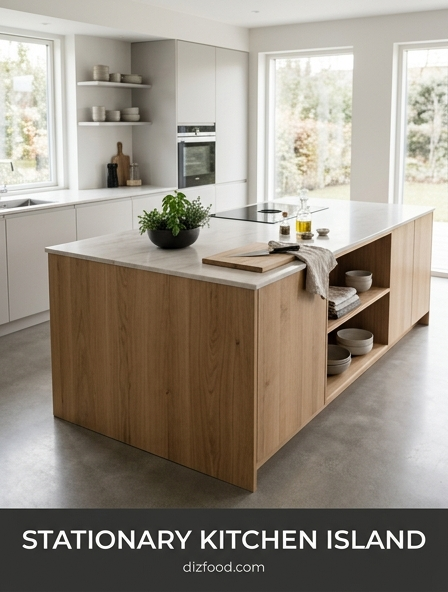
Maximizing Kitchen Workspace Efficiency
A stationary kitchen island serves as the ultimate anchor for productivity, effectively expanding the usable surface area available for complex culinary tasks. By positioning a fixed central hub, homeowners can eliminate the bottleneck often found at perimeter countertops. This layout allows multiple occupants to engage in meal preparation simultaneously without encroaching on each other's physical space. The efficiency of a stationary island is rooted in its ability to provide a 360-degree access point, facilitating a smoother transition between cleaning, cutting, and cooking phases.
- Reduced travel time between the refrigerator and the primary cooking surface.
- Dedicated space for secondary tasks like garnishing or plating.
- Ample room for large-scale baking projects that require rolling dough.
- Clear separation between the "wet" cleaning zone and the "dry" prep zone.
When properly scaled to the room's dimensions, the island acts as a bridge, closing the gap in the traditional work triangle. This permanent fixture ensures that every tool is within arm's reach, transforming the kitchen from a series of disjointed stations into a cohesive, high-performance environment.
Permanent Storage Solutions for Heavy Cookware
Standard wall cabinets often lack the depth and structural integrity required to store professional-grade culinary tools. A stationary kitchen island, however, provides a robust foundation for heavy-duty storage solutions. Because the island is anchored to the subfloor, it can support significantly more weight than floating shelves or modular carts. This makes it the ideal location for deep, reinforced drawers designed to hold cast iron skillets, Dutch ovens, and large stockpots.
| Cookware Type | Storage Method | Benefit |
|---|---|---|
| Cast Iron Skillets | Reinforced Pull-out Drawers | Easy access without heavy lifting |
| Dutch Ovens | Deep Base Cabinetry | Prevents shelf sagging |
| Copper Sets | Integrated Pot Racks | Saves internal cabinet space |
Organizing these items within the island keeps them close to the range while keeping perimeter counters clutter-free. Utilizing heavy-duty soft-close glides ensures that even the heaviest items slide out effortlessly, reducing physical strain on the cook. This strategic placement ensures that the most frequently used, high-mass tools are always accessible and safely stored.
Stationary Island Stability for Intensive Meal Prep
Intensive food preparation often involves physical force, such as kneading heavy bread dough, pounding meat, or using a manual pasta crank. Portable carts and rolling islands often lack the necessary mass to remain still during these activities, leading to frustrating shifts and potential safety hazards. A stationary island provides a rock-solid foundation that does not vibrate or move, regardless of the intensity of the task at hand. This stability is essential for precision work, such as intricate vegetable carving or delicate pastry decoration.
- Eliminates the risk of the work surface sliding during knife work.
- Allows for the use of heavy clamped appliances like meat grinders.
- Provides a safe, unmoving surface for high-heat induction units.
- Supports heavy stone countertops like granite or quartz without flexing.
The structural rigidity of a fixed island also contributes to a quieter kitchen environment. Without the rattling associated with mobile furniture, the kitchen remains a calm space. Professional chefs and serious home cooks alike rely on this unwavering stability to maintain consistency and safety throughout long hours of preparation and service.
Centralizing Kitchen Workflow and Organization
A well-designed stationary island functions as the nerve center of the kitchen, organizing the flow of traffic and the sequence of culinary operations. By centralizing essential tools and ingredients, the island minimizes the chaotic "cross-traffic" that often occurs in busy households. It creates a natural boundary between the high-activity cooking zone and the social or dining areas of the home, allowing guests to interact with the cook without interrupting the workflow.
- Arrival: Groceries are placed on the island for sorting and cleaning.
- Preparation: Ingredients are chopped and processed on the central surface.
- Assembly: Components from the fridge and stove meet at the island for final mixing.
- Service: The island acts as a buffet or pass-through for serving meals.
Beyond physical tasks, the island aids organization through the inclusion of specialized storage such as spice pull-outs, knife blocks, and hidden waste bins. By assigning specific functions to the island, every item in the kitchen finds a logical home, reducing search time and enhancing the overall cooking experience.
Integrated Cabinetry for Long-Term Storage
One of the primary advantages of a stationary island is the opportunity for deep, custom-built cabinetry that matches the rest of the kitchen's aesthetic. Unlike freestanding furniture, these cabinets are integrated into the home's architecture, providing a seamless look while maximizing every cubic inch of volume. This is particularly beneficial for storing items that are used less frequently but are essential for seasonal hosting or specialized baking.
- Large serving platters and holiday-themed dinnerware.
- Small appliances like stand mixers or bread machines.
- Bulk pantry staples such as flour, sugar, and oils.
- Cookbooks and reference materials stored in open shelving ends.
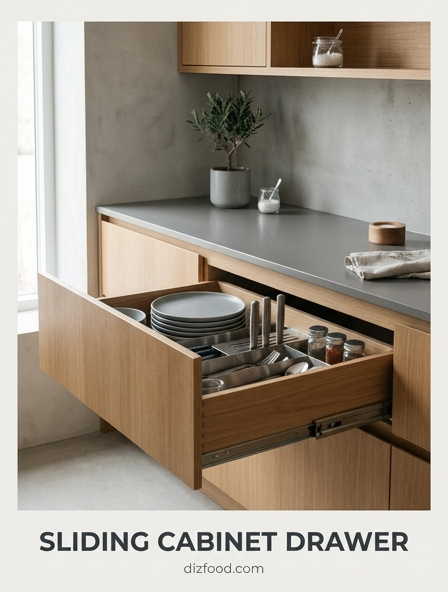
The permanent nature of the island allows for internal organizers that can be tailored to the homeowner's specific needs. Features such as vertical dividers for cookie sheets, pull-out spice racks, and specialized drawer inserts for cutlery transform the island into a masterpiece of storage efficiency. This integrated approach ensures that while the island provides extra work surface above, it works just as hard as a storage powerhouse below.
The Ergonomic Advantages of Fixed Countertops
Ergonomics play a vital role in long-term comfort within the kitchen. Stationary islands offer the unique advantage of being customizable to a specific height, which can be different from the standard perimeter counters. This allow homeowners to create a "varied height" workspace that caters to different tasks and users. For instance, a slightly lower surface is better for kneading dough, while a standard or slightly higher surface might be better for chopping to prevent back strain.
| Task | Recommended Height | Ergonomic Benefit | 36 Inches | Keeps elbows at a comfortable 90-degree angle |
|---|---|---|
| Kneading/Rolling | 32-34 Inches | Allows for better leverage from the shoulders |
| Bar Seating | 42 Inches | Provides a comfortable upright posture for guests |
By optimizing these heights, the stationary island reduces repetitive strain injuries and fatigue. The fixed nature of the island also allows for the installation of footrests or recessed toe kicks, ensuring that the cook can stand close to the work surface without leaning forward awkwardly, further protecting the spine during intensive prep sessions.
Dedicated Zones for Food Preparation
A stationary island allows for the creation of dedicated "zones" that prevent the overlap of incompatible tasks. In a busy kitchen, having a specific area for raw meat preparation separate from the area used for assembling salads is crucial for food safety. The expansive surface of a fixed island can be mentally and physically divided to accommodate these distinct phases of cooking, ensuring a more hygienic and organized process.
- The Prep Zone: Equipped with a small sink and built-in cutting boards.
- The Baking Zone: Featuring a marble or quartz top for temperature-sensitive pastry work.
- The Social Zone: An overhang area where guests can sit and converse.
- The Cleaning Zone: Containing a secondary dishwasher or compost bin.
These zones allow for a logical progression of tasks. For example, a "wet zone" with an integrated prep sink allows for washing produce immediately before it is transferred to the "cutting zone" on the same surface. This proximity reduces drips on the floor and keeps the mess contained to a single, easily cleanable area, streamlining the cleanup process after the meal is complete.
Optimizing Small Kitchen Storage Capacity
In smaller kitchens, every square inch of floor space must be justified. A stationary island often provides more storage than it takes up in footprint. By utilizing the vertical space beneath the countertop, a small island can replace several wall cabinets, opening up the room and making it feel less cramped. Smart design choices, such as utilizing the ends of the island for open shelving, can provide quick access to frequently used items like olive oil, salt cellars, or dish towels.
- Toe-kick drawers for flat items like baking sheets or placemats.
- Built-in wine racks to save pantry or counter space.
- Hidden pull-out trash and recycling centers to clear floor clutter.
- Magnetic strips on the island sides for easy-access knife storage.
By consolidating these features into a single central unit, the rest of the kitchen can remain minimalist and airy. The island becomes a "multitool" of the kitchen, providing a dining surface, a prep area, and a storage vault all in one. This optimization is the key to making a small kitchen feel and function like a much larger, professional space.
Seamless Integration of Built-In Appliances
One of the most significant benefits of a stationary island is the ability to run electrical, plumbing, and gas lines into the unit. This allows for the seamless integration of heavy appliances that would be impossible to house on a mobile cart. By moving appliances to the island, you free up valuable perimeter counter space and create a more efficient "work triangle." This integration transforms the island from a mere table into a fully functional kitchen station.
| Appliance | Island Location | Functional Advantage |
|---|---|---|
| Microwave Drawer | Below Counter | Saves eye-level cabinet space |
| Wine Cooler | End Cabinet | Easy access for guests without entering the cook's path |
| Prep Sink | Center Surface | Allows for immediate rinsing during prep |
Additionally, the inclusion of pop-up electrical outlets or USB ports makes the island a versatile hub for small appliances like blenders or stand mixers. This eliminates the danger of cords stretching across walkways. The permanent nature of these installations ensures that the kitchen remains safe, organized, and technologically equipped for modern culinary needs.
Enhancing Home Value with Permanent Fixtures
From a real estate perspective, a stationary kitchen island is considered a high-value permanent fixture that offers a strong return on investment. Unlike furniture-style islands, a built-in island is factored into the home's appraisal and is a highly sought-after feature for modern buyers. It signals a "chef's kitchen" and suggests that the home has been designed with both luxury and functionality in mind. The materials used in stationary islands-such as custom cabinetry and stone tops-convey a sense of durability and quality.
- Increases the total linear footage of countertop space reported in listings.
- Serves as a visual centerpiece that defines an open-concept floor plan.
- Provides the necessary infrastructure for high-end "smart home" kitchen tech.
- Adds permanent storage capacity, a top priority for home buyers.
By investing in a stationary island, homeowners are not just improving their daily workflow; they are enhancing the long-term equity of their property. It transforms the kitchen into a multipurpose room that serves as a cooking station, a homework hub, and a social gathering point, making the entire home more attractive and functional for future residents.



Comments