
Are you tired of digging through a cluttered cabinet just to find the right seasoning? Imagine having every spice at your fingertips with a simple flick of the wrist. A 360-degree rotating spice organizer transforms your kitchen workflow, providing instant access to your entire collection without the hassle of shuffling bottles. This clever storage solution maximizes vertical space while ensuring nothing gets lost in the dark corners of your pantry. It is the ultimate upgrade for home chefs who value efficiency and a tidy cooking environment. To decide which storage style fits your cabinetry, consider the pros and cons of a Lazy Susan vs Tiered Spice Rack for your kitchen.
Benefits of Rotating Spice Organizers
The primary advantage of a 360-degree rotating spice organizer is the immediate transformation of kitchen efficiency. By utilizing a central pivot point, these tools eliminate the frustration of digging through rows of containers to find a specific ingredient. Instead of moving ten jars to reach one at the back, a simple flick of the wrist brings the desired seasoning directly to the front. This ergonomic design reduces physical strain and saves significant time during high-pressure cooking moments.
- Enhanced visibility of all labels simultaneously.
- Reduction in accidental spills caused by reaching over tall containers.
- Optimized use of vertical and horizontal cabinet real estate.
- Improved inventory management to prevent duplicate purchases.
Furthermore, these organizers promote a cleaner environment. Because every item has a designated spot on the turntable, spices are less likely to be left scattered on the counter. The circular motion ensures that no bottle is ever truly "hidden," which encourages cooks to use their full variety of seasonings before they expire, leading to more flavorful meals and less waste in the long run.
Maximizing Cabinet Corner Space
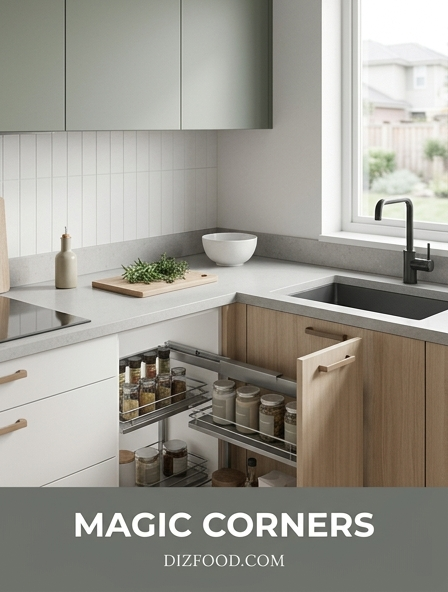
Kitchen cabinets often feature deep corners that become "dead zones" where ingredients go to be forgotten. Traditional shelving makes these areas nearly impossible to access without removing everything in front of them. A rotating organizer solves this architectural challenge by converting a static, rectangular space into a dynamic, circular storage hub. By placing a turntable in a blind corner, you bring the deep-seated items into the light with a single rotation.
This approach is particularly effective in lower cabinets or pantries where lighting is limited. When you utilize a 360-degree spin mechanism, you are essentially reclaiming square footage that was previously unusable. It allows for a higher density of storage because you no longer need to leave "reach-in" gaps between items. Homeowners find that they can store up to thirty percent more items in the same footprint simply by switching to a rotating format. This maximizes the utility of every inch of your cabinetry, ensuring that even the furthest reaches of your kitchen are functional and organized.
Effortless Access to Every Seasoning
Achieving a fluid cooking process requires having all necessary tools and ingredients within easy reach. The rotating spice rack is the ultimate solution for accessibility, as it follows a logical three-step process for retrieval. This mechanical simplicity ensures that the rhythm of your cooking is never broken by a missing ingredient.
- Initiate a gentle spin to scan the available inventory.
- Identify the specific spice jar by its label or lid color.
- Stop the rotation and lift the item directly upward without obstruction.
This effortless access is especially beneficial for those with limited mobility or arthritis, as it requires minimal grip strength and no awkward stretching. It also benefits the "blind cook" who relies on consistent placement and easy tactile identification. By bringing the back of the shelf to the front, the 360-degree spin turns a cluttered cabinet into a curated library of flavors. The smooth gliding motion provided by high-quality ball bearings ensures that even a fully loaded rack spins with negligible resistance, making the search for cumin or oregano a seamless part of your culinary routine.
Choosing Between Single and Double Tiers
Selecting the right rotating organizer requires an assessment of your cabinet height and the volume of your spice collection. Single-tier models are ideal for low-clearance shelves or for storing taller bottles like oils and vinegars. Double-tier versions, however, utilize vertical space that would otherwise remain empty. This choice significantly impacts the organization of your kitchen workstation.
| Feature | Single Tier | Double Tier |
|---|---|---|
| Vertical Clearance | Requires 4-6 inches | Requires 10-12 inches |
| Visibility | Total visibility from top | Limited visibility on bottom |
| Storage Capacity | 10-15 standard jars | 20-30 standard jars |
| Stability | Highly stable, low center | Requires balanced loading |
When choosing, measure the distance between your shelves carefully. A double-tier unit is a powerhouse for spice enthusiasts with dozens of small jars, as it stacks the collection efficiently. However, if your spices are mostly oversized bulk containers, a single, wide-diameter turntable provides better stability and easier handling for the weight.
Streamlining Your Cooking Workflow
Efficiency in the kitchen is often measured by the economy of motion. Every second spent searching for a dry rub or a pinch of cinnamon is a second taken away from monitoring the heat of a pan. By integrating 360-degree spinners into your workflow, you create a "cockpit" environment where everything revolves around the chef. This setup allows for rapid-fire seasoning during critical stages like sautéing or finishing a sauce.
Placing these organizers near the primary prep area or the stovetop minimizes the steps taken across the kitchen. You can maintain your focus on the food while your hand instinctively reaches for the familiar rotation of the spice rack. This level of organization also aids in the cleanup phase; once a dish is seasoned, the jar returns to its rotating home immediately, preventing the "countertop creep" of used spice bottles. The result is a more professional, calm, and productive cooking experience where the tools support the talent of the cook rather than hindering it through clutter and confusion.
Organizing Spices by Flavor Profile
To truly master a 360-degree spice organizer, one should consider grouping items by their culinary use rather than just size. This thematic approach allows you to spin to a specific "quadrant" of the turntable based on the dish you are preparing. By categorizing your spices, you reduce the mental energy required to find complementary flavors, effectively creating a map of taste that is accessible with a simple turn.
- Baking Section: Cinnamon, nutmeg, cloves, and cardamom.
- Savory/Herbal: Oregano, basil, thyme, and rosemary.
- Heat/Pantry: Chili flakes, cayenne, paprika, and garlic powder.
- Global Flavors: Cumin, curry powder, turmeric, and coriander.
Using this method, you can dedicate specific turntables to different cuisines. For example, one rotating tray might hold all your essential salts and peppers, while another holds specialized blends for baking. This level of organization ensures that when you are in the middle of a recipe, your hand moves toward a predictable section of the spinner, further increasing your speed and confidence in the kitchen.
Non-Slip Features for Smooth Rotation
The functionality of a rotating organizer is heavily dependent on its stability and the quality of its movement. A common issue with low-quality turntables is the "centrifugal slide," where jars fly toward the outer edge and tip over during a quick spin. To combat this, premium organizers incorporate non-slip features such as TPE (thermoplastic elastomer) liners or silicone mats on the base of the tray. These materials provide the necessary friction to keep glass jars anchored even when the tray is spinning at a high velocity.
Additionally, look for models with a raised outer rim. This physical barrier acts as a safety guard, preventing bottles from sliding off the edge into the depths of a cabinet. The base of the unit should also feature non-skid feet to ensure the entire organizer doesn't shift across the shelf while being used. When combined with a high-grade stainless steel ball-bearing system, these non-slip features provide a whisper-quiet, smooth, and secure rotation that makes the kitchen feel more organized and high-end. Such details ensure that the 360-degree motion is a help rather than a hazard.
Maintaining Visibility for Tiny Jars
Small seasoning packets, extracts, and tiny spice jars are the most likely items to be lost in a standard kitchen setup. Their low profile means they are easily obscured by standard-sized bottles. A rotating organizer addresses this by allowing the user to view the collection from multiple angles. When the tray is spun, the perspective changes, revealing the labels of smaller items that might be tucked toward the center of the turntable.
To maximize visibility for these "tiny" items, many users implement a tiered strategy within the spinner itself. Placing smaller jars toward the center and larger ones on the perimeter allows for a stadium-seating effect that keeps all labels legible. Some organizers also feature transparent walls made of high-quality acrylic, which allow you to see the contents and levels of the jars through the side of the tray. This prevents the "mystery jar" syndrome and ensures you never run out of an essential ingredient in the middle of a meal. Clear visibility transforms a chaotic pile of small containers into a manageable and visually appealing display.
Comparing Turntables to Traditional Spice Racks
When deciding on a storage solution, it is helpful to weigh the benefits of a rotating turntable against a traditional wall-mounted or tiered spice rack. Each has its own spatial logic and aesthetic appeal. While traditional racks offer a flat, static display, turntables prioritize depth and movement, making them better suited for deep cabinetry or corner placements where a flat rack would be impractical.
| Attribute | Rotating Turntable | Traditional Rack |
|---|---|---|
| Space Usage | Utilizes deep corners/shelves | Best for walls or door backs |
| Retrieval | 360-degree spin access | Direct reach-and-grab |
| Installation | No tools required (portable) | Often requires drilling/mounting |
| Versatility | Can hold varied bottle shapes | Often limited to specific sizes |
Traditional racks are excellent for showing off a uniform set of jars, but they often lack the flexibility to hold bulkier items like honey jars or vinegar bottles. Turntables, conversely, are incredibly versatile, accommodating a mixture of shapes and sizes with ease. For most modern kitchens, the turntable offers a more adaptable and less permanent solution.
Decluttering Your Kitchen Countertops
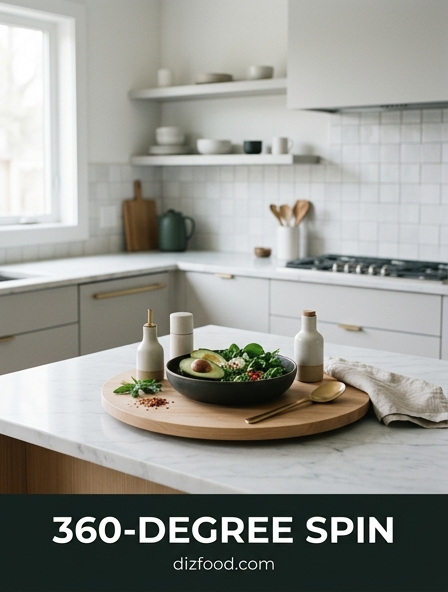
A cluttered countertop can make even the most beautiful kitchen feel claustrophobic and dirty. Rotating organizers provide a stylish way to corral daily essentials into a single, compact footprint. By grouping high-use items-such as salt cellars, pepper mills, olive oil, and frequently used spices-onto a single turntable, you clear significant workspace while keeping these items within reach. The circular shape of the organizer softens the hard lines of the kitchen, creating a more inviting and curated look.
The "corral effect" is a psychological benefit of organization; when items are grouped on a tray, the brain perceives them as a single unit rather than multiple pieces of clutter. This makes the kitchen easier to clean, as you only need to lift one item to wipe down the counter instead of moving five or six individual bottles. Whether made of bamboo, stainless steel, or clear plastic, a rotating organizer on the counter serves as both a functional tool and a decorative centerpiece. It turns everyday chaos into a deliberate, 360-degree display of culinary preparedness.

Comments