
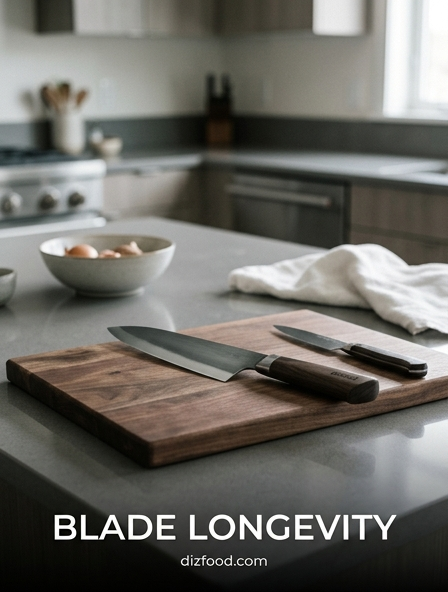
The Impact of Proper Storage on Knife Sharpness
Maintaining a razor-sharp edge requires more than just skilled honing; it necessitates a commitment to proper storage solutions that protect the blade's physical integrity. When high-quality kitchen knives are left exposed or stored haphazardly, the microscopic teeth that constitute a sharp edge are susceptible to bending and chipping. Even minor contact with other metal utensils can cause "rolling," a condition where the edge folds over, rendering the tool ineffective and dangerous.
Proper storage acts as a structural insurance policy for your cutlery. By isolating each blade, you ensure that the delicate geometry of the grind remains intact between uses. This practice significantly extends the interval between professional sharpening sessions, saving both time and the physical material of the knife itself. Consider the following factors that influence edge retention during storage:
- Prevention of metal-on-metal contact which causes immediate dulling.
- Protection against environmental factors like ambient moisture and dust.
- Elimination of accidental tip damage caused by hitting the back of a drawer.
- Maintenance of the blade's alignment through stable positioning.
Magnetic Strips vs Traditional Knife Blocks
Choosing between magnetic strips and traditional blocks is a pivotal decision for any culinary enthusiast focusing on blade longevity. Magnetic strips offer a modern, hygienic solution that keeps blades visible and easily accessible. Because the knife is held by its face rather than its edge, there is minimal risk of friction-induced dulling when retrieving or replacing the tool. However, the force of the magnet must be calibrated; too strong a pull can cause the knife to "snap" against the bar, potentially chipping harder, more brittle Japanese steels.
Traditional blocks, while classic, present different challenges and benefits regarding knife health. Wood blocks offer a sturdy, enclosed environment but can harbor bacteria if not cleaned regularly. Furthermore, sliding a knife into a horizontal or vertical slot often forces the sharp edge to scrape against the wood, leading to premature wear. To mitigate this, many professionals recommend inserting knives with the spine facing down.
| Feature | Magnetic Strip | Knife Block |
|---|---|---|
| Air Circulation | Excellent | Limited |
| Edge Friction | Zero to Low | Moderate |
| Sanitation | Easy to clean | Difficult to deep clean |
In Drawer Organizers for Blade Safety
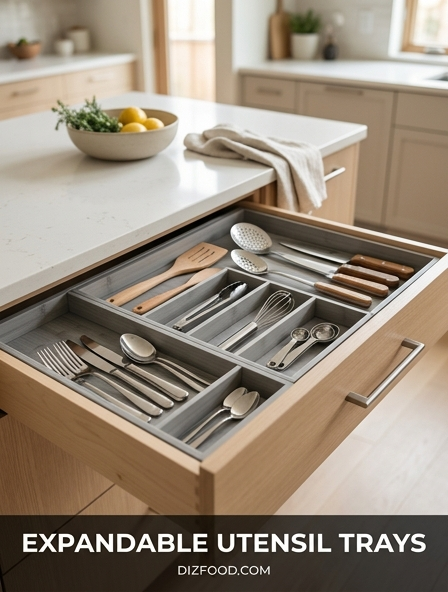
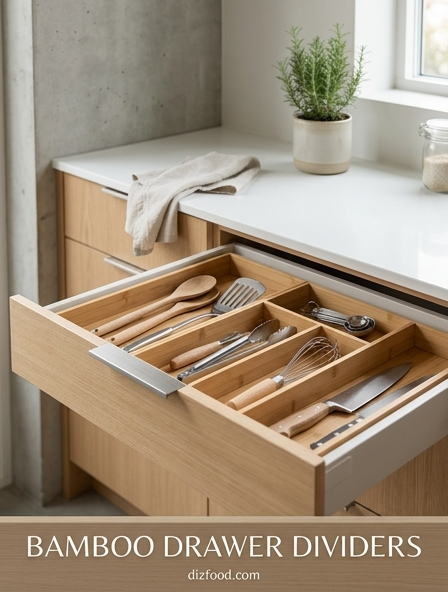
For those who prefer clear countertops, in-drawer organizers provide a sophisticated compromise between concealment and blade protection. Unlike a cluttered utility drawer, these dedicated inserts feature sculpted grooves that cradle each knife individually. This separation is vital for preventing "clashing," where blades strike one another and create nicks that are difficult to sharpen out. High-quality organizers are typically crafted from cork, softwoods, or specialized plastics designed to be gentler than the steel itself.
When implementing in-drawer storage, depth and length are the primary considerations for blade safety. A well-designed organizer ensures that the handle is elevated, allowing for a secure grip before the blade is even moved. This prevents the "searching" motion that often leads to accidental cuts or blade damage. Furthermore, these systems protect the tips of the knives-the most fragile part of the tool-by ensuring they never contact the hard walls of the kitchen cabinetry during the opening or closing of the drawer.
Benefits of Using Protective Knife Sheaths
Protective knife sheaths, often referred to as edge guards or blade covers, offer the most versatile form of protection for kitchen cutlery. They are particularly indispensable for chefs who transport their tools or for home cooks with limited storage space. A sheath acts as a second skin, shielding the carbon or stainless steel from external impacts and environmental contaminants. Modern sheaths are often lined with soft materials or felt to ensure that the act of sliding the knife inside does not cause abrasive wear on the finish of the blade.
- Portability: Safely transport knives in rolls or bags without risking punctures.
- Individual Care: Provides a custom fit for unique blade shapes like cleavers or offsets.
- Safety: Virtually eliminates the risk of accidental cuts when reaching into storage areas.
- Cost-Effectiveness: An affordable way to upgrade protection without buying new furniture.
By using sheaths, you create a dedicated micro-environment for every tool, ensuring that the edge remains "factory sharp" for the longest possible duration.
How Moisture Control Prevents Blade Corrosion
Moisture is the primary enemy of blade longevity, particularly for high-carbon steel knives cherished for their edge retention. Even stainless steel is not entirely "rust-proof" and can develop pitting or tea-staining if stored while damp. Corrosion eats away at the apex of the edge, effectively dissolving the sharpness at a molecular level. To prevent this, knives must be completely dried with a lint-free cloth before being placed in any storage medium, especially enclosed blocks where air circulation is restricted.
In humid environments, moisture control becomes even more critical. Some enthusiasts use silica gel packets in drawer organizers or apply a thin coat of food-grade mineral oil to the blade before long-term storage. This oil creates a hydrophobic barrier that prevents oxygen and water from reacting with the metal. Proper ventilation in your storage choice-such as the open-air design of a magnetic rack-is often the best natural defense against the trapped humidity that leads to destructive oxidation and structural weakness in the steel.
The Risks of Loose Drawer Storage
Storing knives loosely in a kitchen drawer is perhaps the most detrimental habit a cook can develop. When a drawer is opened and closed, the kinetic energy causes the contents to shift violently. In a "junk drawer" environment, a chef's knife may collide with metal spoons, whisks, or other blades hundreds of times a week. Each collision represents a potential catastrophe for the blade's edge, resulting in microscopic fractures or significant chips that require extensive grinding to repair.
Beyond the damage to the tool, loose storage poses a severe safety risk to the user. Reaching into a drawer filled with exposed, shifting blades is a common cause of deep lacerations. Furthermore, the chaotic environment makes it impossible to maintain a clean and sanitary workspace. Food particles and debris tend to accumulate in the bottom of drawers, and when these come into contact with a loose blade, they can introduce bacteria or acidic residues that promote corrosion. Organizing your knives isn't just about maintenance; it is a fundamental aspect of kitchen safety and hygiene.
Choosing the Best Materials for Knife Holders
The material of your knife holder interacts directly with the blade's edge, making material selection a vital component of long-term maintenance. Not all surfaces are created equal; some are designed to yield to the steel, while others are hard enough to dull it instantly. When selecting a storage solution, consider the Mohs hardness of the material relative to the Rockwell hardness of your knives. A holder should ideally be softer than the knife it houses to ensure that any accidental contact does not result in damage.
- Bamboo: Popular and sustainable, but contains high silica content which can be slightly abrasive.
- Walnut/Cherry: Softwoods that are incredibly gentle on edges and have natural antimicrobial properties.
- Plastic/Polymer: Highly durable and easy to sanitize, though lower-quality plastics may crack over time.
- Silicone-Coated Magnets: Provide the grip of a magnet with a soft-touch surface to prevent scratching.
Avoid any storage systems that utilize glass, stone, or hard metals near the blade path, as these materials are unforgiving and will roll a fine edge upon the slightest contact.
Optimizing Kitchen Workflow with Accessible Storage
Efficiency in the kitchen is often dictated by the proximity of tools to the primary work surface. However, accessibility should never come at the expense of blade safety. Optimizing workflow involves placing your most-used knives within "the golden triangle" of the kitchen-typically between the sink and the cutting board. A magnetic strip placed at eye level or an angled countertop block allows for a seamless transition from selection to prep work, reducing the likelihood of dropping a knife due to awkward reaching.
When knives are easy to reach and return, the cook is more likely to store them properly after each use rather than leaving them on the counter. A cluttered workspace leads to knives being buried under vegetable peels or pushed against pans, both of which endanger the edge. By creating a logical "home" for every blade based on its frequency of use, you foster a disciplined environment where the tools are treated with the respect necessary to preserve their cutting performance for decades.
Reducing Edge Damage Through Strategic Placement
Strategic placement of knife storage involves analyzing the high-traffic zones of your kitchen to minimize environmental risks. Storing knives too close to the stovetop, for example, exposes them to heat fluctuations and airborne grease, which can degrade handle materials and create a sticky residue on the blades. Similarly, placing a knife block near a sink increases the risk of splashing water and detergent, which promotes rust. Ideally, storage should be located in a cool, dry area away from the "splash zone."
Height is another strategic factor. Storage should be high enough to be out of reach of children but low enough to allow for a vertical pull without the handle hitting the underside of upper cabinets. If using a magnetic strip, ensure it is not placed behind a drying rack where a reaching hand could be cut. By thinking through the ergonomics and the physical environment of the kitchen, you can prevent 90% of the accidental damage that typically occurs during the storage and retrieval process.
Maintaining Professional Cutting Performance Over Time
Long-term professional performance is the result of a holistic approach to knife care that combines proper storage with regular maintenance habits. Even the best storage system cannot compensate for poor cleaning techniques or the lack of a honing rod. To ensure your knives perform like new for years, you must establish a routine that respects the metallurgy of the tool. This includes hand-washing only, immediate drying, and a consistent storage ritual that protects the edge from the moment the task is finished.
Consider the "life cycle" of your blade's sharpness:
- Usage: Cutting on appropriate surfaces like wood or rubber.
- Cleaning: Hand-wiping with mild soap and warm water.
- Drying: Thoroughly removing all moisture from the blade and bolster.
- Storage: Placing the knife in a dedicated, protected slot or sheath.

Comments