
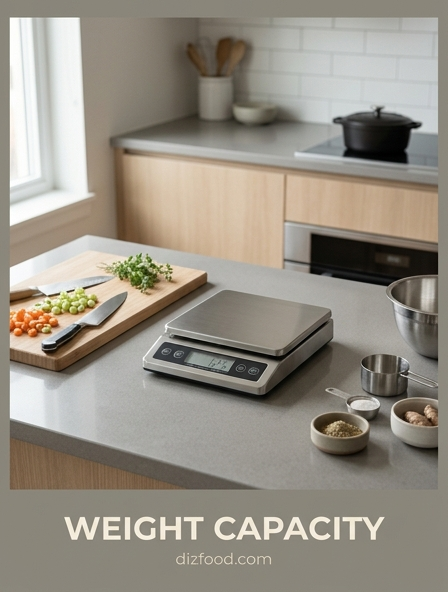
Understanding Weight Capacity for Heavy Cleaning Supplies
When organizing the kitchen, the weight of cleaning supplies is often underestimated. Bulk containers of liquid detergent, large bottles of vinegar, and multi-packs of glass cleaners can easily exceed thirty pounds when grouped together. Understanding the weight capacity of your storage units ensures that shelves do not buckle or collapse under the pressure of these dense liquids. Most standard plastic bins are rated for lighter items, whereas reinforced metal racks are designed to handle the concentrated load of gallon-sized refills.
To safely manage these heavy items, consider the following load considerations:
- Concentrated weight of liquid gallons versus dry sponges.
- The cumulative impact of stacking multiple bottles on a single shelf.
- Structural integrity of the mounting hardware for hanging organizers.
- Flexibility of the shelf material under constant downward pressure.
Exceeding the manufacturer's recommended limit can lead to permanent deformation of the storage unit. It is essential to calculate the total weight of your inventory before selecting a storage solution to ensure long-term safety and functionality in the high-traffic kitchen environment.
Durable Materials for Long Lasting Kitchen Storage
Selecting the right materials for kitchen storage is a balance between aesthetics and mechanical strength. Different materials offer varying levels of resistance to the weight of cast iron pans, heavy ceramics, and bulk pantry items. While wood offers a classic look, its load-bearing capacity depends heavily on the type of timber and the thickness of the boards. Conversely, engineered metals provide high tensile strength with less bulk, making them ideal for modern under-sink configurations where space is limited.
| Material Type | Weight Capacity | Durability Level |
|---|---|---|
| Stainless Steel | High | Exceptional |
| High-Density Plastic | Medium | Moderate |
| Chrome-Plated Wire | High | High |
| Laminated Particle Board | Low | Low |
Investing in high-quality materials ensures that the storage system can withstand the daily rigors of the kitchen. Materials like stainless steel are particularly favored for their ability to support significant weight without bending, while also resisting the environmental stresses common in culinary spaces.
Stainless Steel vs Plastic Sink Organizers
The choice between stainless steel and plastic for sink organizers often comes down to weight requirements and environmental exposure. Stainless steel organizers typically offer a higher weight-to-volume ratio, allowing them to hold heavy scrubbers, soap dispensers, and ceramic brushes without tipping or warping. Their rigid construction provides a stable base that maintains its shape even when fully loaded. Plastic organizers, while lighter and often more affordable, may struggle with heavier items and can become brittle over time when exposed to various cleaning chemicals.
- Assess the total weight of the items you plan to store near the sink.
- Consider the stability of the organizer's base on wet surfaces.
- Evaluate the risk of the material cracking under high impact.
- Determine the ease of cleaning and maintenance for each material type.
For those prioritizing longevity and heavy-duty performance, stainless steel is the superior choice. It provides the necessary structural support for a variety of kitchen tools while resisting the tendency to sag that is common in thinner plastic models. This makes it a more reliable option for dense storage needs.
Weight Distribution Tips for Under Sink Cabinets
Proper weight distribution is critical to maintaining the structural health of your under-sink cabinetry. Concentrating heavy items in one corner can cause the cabinet floor to sag or pull away from the side walls, leading to expensive repairs. By spreading the load evenly across the available surface area, you reduce the stress on specific joints and fasteners. This is particularly important in older kitchens where the cabinet bases may be made of less resilient materials like compressed wood or thin plywood.
- Place the heaviest items, such as bulk detergents, toward the outer edges of the cabinet.
- Use wide-base organizers to distribute weight over a larger surface area.
- Avoid stacking heavy liquids on top of light, compressible items.
- Utilize the center support beam of the cabinet if one is present.
Balancing the weight not only protects the cabinet itself but also makes it easier to access items. When the load is distributed correctly, sliding drawers and pull-out trays operate more smoothly, reducing the wear and tear on the tracks and rollers over time.
Corrosion Resistant Features for Wet Kitchen Areas
In the kitchen, particularly around the sink and dishwasher, moisture is a constant factor that can compromise the weight capacity of storage systems. Corrosion weakens metal structures, leading to rust that eats away at the load-bearing components. Once the structural integrity is compromised by oxidation, the shelf or organizer can no longer safely support its rated weight. Choosing products with corrosion-resistant features is essential for maintaining a safe and organized kitchen environment over several years of use.
- Look for 304-grade stainless steel for maximum rust resistance.
- Check for powder-coated finishes that provide a protective barrier against water.
- Ensure that all joints and welds are treated to prevent localized rusting.
- Opt for non-porous materials that do not absorb moisture or humidity.
A storage unit that resists corrosion will maintain its weight-bearing specifications far longer than untreated alternatives. This protection ensures that the shelving remains stable and secure, preventing accidents caused by sudden structural failure in damp environments where cleaning chemicals may also be present.
Load Bearing Limits for Multi Tiered Organizers
Multi-tiered organizers are excellent for maximizing vertical space, but they require careful attention to load-bearing limits. Each level of a tiered system has a specific capacity that must not be exceeded. Generally, the bottom tier is designed to handle the most weight, providing a low center of gravity that keeps the entire unit stable. As you move to higher tiers, the weight should decrease to prevent the organizer from becoming top-heavy and prone to tipping when items are removed or replaced.
- Check the manufacturer's total weight limit for the entire unit.
- Verify the individual weight limit for each specific shelf or tray.
- Place dense, heavy items on the lowest level possible.
- Store lighter items, such as sponges or cloths, on the top tiers.
Failure to observe these limits can result in the support pillars buckling or the trays snapping at the attachment points. By following a bottom-heavy loading strategy, you ensure the longevity of the organizer and the safety of the contents stored within your kitchen cabinets.
Investing in Heavy Duty Pull Out Shelving
Pull-out shelving is a premium solution for deep kitchen cabinets, but its effectiveness depends entirely on its heavy-duty rating. These systems rely on ball-bearing glides that must support the full weight of the shelf and its contents when fully extended. A low-quality slide may function well when empty but can seize or fail once loaded with heavy pots, pans, or small appliances. Investing in professional-grade hardware ensures that the shelving remains functional even under significant stress.
| Feature | Standard Shelving | Heavy Duty Shelving |
|---|---|---|
| Slide Capacity | 25 - 50 lbs | 75 - 150+ lbs |
| Material | Lightweight Alloy | Thick Gauge Steel |
| Extension | Partial | Full Travel |
| Longevity | 2 - 5 Years | 10+ Years |
The total weight capacity includes the weight of the shelf itself plus the items placed on it. For kitchen applications involving heavy cookware, choosing a system with a minimum 100-pound rating is recommended to account for the dynamic force of pulling the drawer open and closed.
Impact of Moisture on Long Term Durability
Moisture is the primary enemy of structural durability in kitchen storage. For wood-based shelving, high humidity can cause swelling and warping, which fundamentally changes the way the material handles weight. Once a shelf is warped, the weight is no longer distributed evenly, creating stress points that can lead to sudden cracks. In metal systems, moisture facilitates electrochemical reactions that weaken the metal over time, even if the surface appears mostly intact. Understanding these impacts is key to selecting durable storage.
- Warping in wood reduces the effective load-bearing surface.
- High humidity can cause hardware fasteners to loosen over time.
- Mold and mildew can degrade the fibers of some composite materials.
- Condensation can pool in joints, leading to hidden structural decay.
To mitigate these risks, it is important to ensure proper ventilation within cabinets and to use moisture-resistant liners. Selecting materials that are inherently impervious to water, such as treated metals or high-grade plastics, will ensure that the weight capacity remains consistent throughout the lifespan of the kitchen organization system.
Stability and Support for High Volume Storage
High-volume storage requires more than just high weight capacity; it requires absolute stability. When you store a large number of items together, the risk of a "domino effect" increases if the storage system is not properly supported. Stability is achieved through a combination of a wide footprint, secure anchoring, and rigid vertical supports. For free-standing units, the base must be wide enough to prevent tipping, while wall-mounted systems must be secured to studs to handle the downward pull of heavy loads.
- Use anti-tip brackets for tall or narrow storage units.
- Ensure the storage unit is perfectly level to prevent weight shifting.
- Select units with adjustable feet to account for uneven cabinet floors.
- Reinforce thin cabinet bases with additional support blocks if necessary.
A stable system minimizes vibration and movement, which are common causes of structural fatigue. By ensuring that every shelf is well-supported and every organizer is firmly seated, you create a safe environment for high-density storage that can handle the daily demands of a busy kitchen without risk of collapse.
Selecting Structural Integrity for Under Sink Systems
When selecting under-sink systems, structural integrity should be the primary concern. These areas are often crowded with plumbing pipes, garbage disposals, and filtration systems, leaving limited room for bulky supports. A high-quality under-sink organizer must maximize its strength through smart engineering rather than sheer mass. This includes using reinforced corners, heavy-duty welding at stress points, and high-tensile materials that can bridge the gaps around plumbing fixtures without sagging or losing their shape.
- Evaluate the thickness of the metal or plastic frames.
- Look for cross-bracing that prevents lateral movement or swaying.
- Check the quality of the joints where shelves meet the vertical supports.
- Verify that the design accounts for the irregular floor of the sink cabinet.
The goal is to find a system that remains rigid even when loaded with heavy cleaning chemicals and tools. By prioritizing structural integrity, you ensure that your under-sink area stays organized and that your cabinet floors are protected from the damage that occurs when weak storage systems fail under pressure.

Comments