
Maximizing every inch of your kitchen is the secret to a stress-free cooking environment, yet many homeowners overlook hidden "dead space" that could be working much harder. Whether it's that awkward gap above the refrigerator, the deep recesses of corner cabinets, or the unused vertical area inside your pantry, these neglected spots are goldmines for smart organization. By integrating creative solutions like tiered organizers, magnetic strips, or custom shelf inserts, you can easily transform cluttered zones into highly functional storage hubs. To truly optimize your storage layout, it is helpful to compare the benefits of Over-The-Door Racks Vs Pull-Out Pantry Shelves.
Maximizing Blind Corner Cabinets
Blind corner cabinets are often the most frustrating areas in a kitchen, as items tucked into the deep recesses become inaccessible and forgotten. To reclaim this dead space, specialized hardware is essential. Modern solutions have evolved beyond the basic Lazy Susan to include sophisticated pull-out systems that bring the contents of the cabinet directly to the user. These mechanisms utilize a series of articulating tracks that allow shelves to glide out and swing to the side, exposing every inch of storage volume.
- Magic Corners: A system of interlocking rectangular trays that pull out in a tiered fashion.
- Cloud-Shaped Pull-outs: Kidney-shaped shelves that extend fully beyond the cabinet frame.
- Diagonal Drawers: Custom-built drawers that extend into the corner at a 45-degree angle.
- Full-Circle Lazy Susans: Rotating platforms ideal for storing bulky pots and small appliances.
By installing these systems, homeowners eliminate the need to crawl into the cabinet to retrieve heavy items. This transformation not only increases usable square footage but also improves the ergonomic flow of the kitchen, ensuring that even the deepest corners contribute to the room's overall efficiency and organization.
Utilizing High Ceiling Gaps
The space between the top of the upper cabinets and the ceiling is a notorious collector of dust and grease. Instead of leaving this area empty, it can be repurposed for long-term storage or decorative displays. For kitchens with standard-height cabinetry, adding a second tier of smaller cabinets can create a cohesive, built-in look while providing a home for items that are only used once or twice a year. If custom cabinetry is not an option, using uniform baskets or bins can provide a clean, organized appearance that hides seasonal clutter.
| Item Type | Storage Recommendation |
|---|---|
| Seasonal Platters | Lidded plastic bins to prevent grease buildup. |
| Large Stock Pots | Direct placement with decorative liners. |
| Specialty Glassware | Enclosed upper-tier glass-front cabinets. |
| Cookbooks | Vertical dividers for easy visual access. |
Utilizing this vertical real estate requires a sturdy library ladder or a high-quality step stool nearby. By bridging the gap to the ceiling, you effectively remove visual clutter from your primary workspaces and make the kitchen feel taller and more architecturally significant.
Transforming Toe Kicks Into Drawers
The toe kick-the recessed space under the base cabinets-is approximately four inches of vertical height that typically goes to waste. Transforming this void into shallow drawers is a brilliant way to store flat items that otherwise take up valuable room in deeper drawers. These drawers are usually operated by a "touch-to-open" mechanism, allowing you to tap them with your foot to access the contents without bending over. This is particularly useful when your hands are full or dirty from food preparation.
Common items stored in toe-kick drawers include baking sheets, muffin tins, pizza stones, and even flat cooling racks. Some homeowners also use this space to store a collapsible step stool, ensuring it is always within reach but completely out of sight. Because these drawers are located at floor level, it is important to ensure they are sealed well to prevent dust ingress. This subtle modification utilizes every possible cubic inch of the kitchen footprint, turning a structural necessity into a high-functioning storage asset for narrow or compact kitchen layouts.
Installing Narrow Slide Out Pantries
In many kitchen designs, a small gap of three to six inches is left between the refrigerator and the wall or between cabinets. This narrow vertical dead space is the perfect candidate for a slide-out pantry. These slim units are often mounted on heavy-duty casters or ball-bearing slides, allowing the entire structure to glide out smoothly. Despite their narrow width, they offer a surprising amount of storage for canned goods, spices, oils, and jarred ingredients.
- Visibility: Items are stored in a single row, so nothing is hidden behind other products.
- Accessibility: Access is available from both sides of the pull-out unit.
- Temperature Control: If placed near a fridge, it utilizes the gap without affecting appliance cooling.
- Organization: Tiered shelving allows for the categorization of spices and condiments.
By installing a slide-out pantry, you effectively turn a useless gap into a high-density storage zone. This is an ideal DIY project for those looking to maximize their kitchen's utility without undergoing a full-scale renovation, providing a streamlined look that feels custom-built for the space.
Optimizing Back Of Cabinet Doors
The interior side of a cabinet door is often overlooked real estate that can hold a variety of kitchen essentials. By attaching slim racks, hooks, or magnetic strips, you can free up shelf space and make frequently used tools more accessible. This method is particularly effective for organizing small, lightweight items that often get lost in larger drawers. It also keeps tools organized by task; for example, measuring spoons can be mounted inside the door where baking supplies are stored.
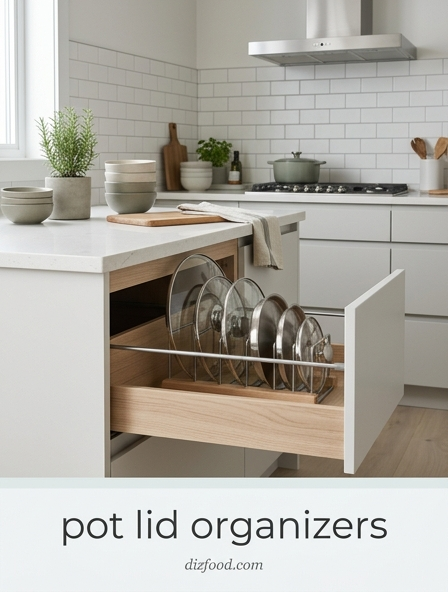
Potential attachments for cabinet doors include adhesive-backed bins for sponges and dish soap, spice racks that utilize the depth of the cabinet, and specialized hooks for pot lids. Pot lids are notoriously difficult to stack, but a simple rail mounted to the door can hold them securely in place. When implementing these solutions, it is vital to ensure that the added weight does not strain the door hinges and that the items do not strike the internal shelves when the door is closed. This simple optimization keeps your counters clear and your most-needed items at your fingertips.
Reclaiming Space Above The Fridge
The area above the refrigerator is notoriously difficult to reach and often ends up as a catch-all for random items. However, with thoughtful planning, it can become one of the most useful storage zones in the kitchen. Because modern refrigerators are deep, the space above them is quite substantial. Installing deep vertical dividers can transform this area into a perfect storage hub for large, flat items like cutting boards, cookie sheets, and serving trays. These dividers allow you to slide items in and out without having to move a heavy stack.
Alternatively, this space can be used to house a built-in wine rack or a specialized shelf for oversized appliances like bread makers or air fryers. For those who prefer a cleaner aesthetic, installing a cabinet that extends to the front edge of the refrigerator provides a seamless, integrated look. This prevents items from being pushed back and lost in the darkness. By properly utilizing the space above the fridge, you take advantage of a large volume of air that is otherwise wasted in the standard kitchen layout.
Under Sink Tiered Storage Solutions
The cabinet under the kitchen sink is frequently a chaotic mess due to the presence of plumbing, garbage disposals, and water lines. To reclaim this dead space, you must work around these obstacles rather than against them. Tiered, expandable shelving units are designed specifically for this purpose, featuring removable panels that can be rearranged to accommodate pipes. These units maximize vertical height, allowing you to stack cleaning supplies and household chemicals efficiently.
| Storage Tool | Primary Benefit |
|---|---|
| Tension Rods | Hanging spray bottles to free up floor space. |
| Pull-out Baskets | Easy access to items stored in the very back. |
| Clear Acrylic Bins | Visual identification of sponges and cloths. |
| Over-door Organizers | Instant storage for trash bags or gloves. |
Utilizing waterproof materials is essential in this area to prevent damage from potential leaks. By implementing a tiered system, you transform a dark, cramped cavern into a highly organized command center for kitchen maintenance, ensuring that every square inch around the plumbing is put to productive use.
Magnetic Strips For Vertical Organization
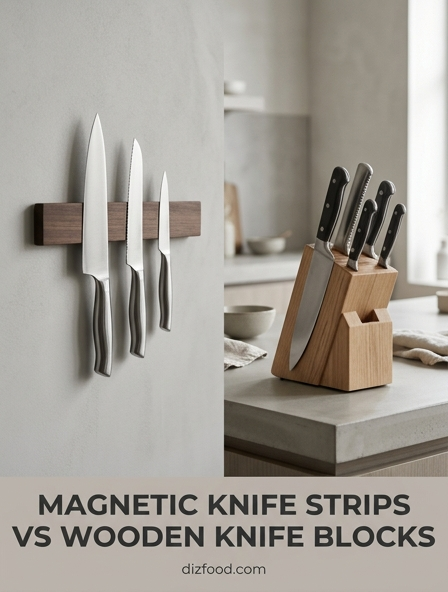
Vertical walls and the sides of cabinets are often left empty, yet they offer prime territory for organization via magnetic strips. While traditionally used for knives, these magnetic bars can be repurposed throughout the kitchen to hold any metal-based tool. This not only saves drawer space but also keeps sharp objects safely out of reach of children while remaining visible for the cook. Mounting a strip on the backsplash or the side of a cabinet ensures that your most-used tools are exactly where you need them.
Beyond knives, magnetic strips can be used to organize metal spice tins, allowing you to create a "spice wall" that doubles as functional art. They can also hold metal lids, whisks, and even certain types of tongs. This approach to organization emphasizes accessibility and speed, as there is no need to rummage through cluttered drawers. When choosing a location, ensure the strip is mounted securely to a stud or with heavy-duty anchors, as the weight of several knives or tools can be significant. This simple addition turns a flat, dead surface into a dynamic storage solution.
Custom Shelving For Small Alcoves
Many kitchens feature architectural quirks such as recessed alcoves, narrow pillars, or awkward nooks created by structural supports. Instead of ignoring these gaps, custom shelving can turn them into focal points. Floating shelves are particularly effective in these small spaces because they provide storage without the visual weight of a full cabinet. For a very narrow alcove, a series of thick wood shelves can serve as a dedicated coffee station or a place to display a curated collection of mugs and glassware.
When designing shelves for these "dead" nooks, consider the depth carefully. Even a shelf only four inches deep can hold an impressive array of spices, tea tins, or small olive oil bottles. Lighting also plays a crucial role; adding a small puck light or LED strip under the shelves can turn a dark corner into a bright, attractive feature of the room. By tailoring the storage to the specific dimensions of the alcove, you ensure that no part of the kitchen's architecture is wasted, creating a bespoke look that enhances both form and function.
Floating Racks For Side Panel Usage
The exposed side panels of end cabinets are frequently left as blank, unproductive surfaces. Floating racks and rails can easily be attached to these panels to provide a significant amount of additional storage without encroaching on the kitchen's walking paths. This is an ideal location for items that need to be grabbed quickly, such as dish towels, oven mitts, or frequently used pans. A simple rail with S-hooks allows for a modular approach, where the storage configuration can change based on your current needs.
In addition to rails, slim floating shelves can be mounted to these side panels to hold cookbooks or a small herb garden. This utilizes the "air space" at the end of a cabinet run, which is often considered dead space. When installing hardware on side panels, it is important to check the thickness of the cabinet wall to ensure screws do not poke through to the interior. By treating the exterior of the cabinetry as a functional surface, you expand your storage capacity outward, making the most of every visible plane in the kitchen environment.

Comments