
Preventing Surface Scratches on Fine Porcelain
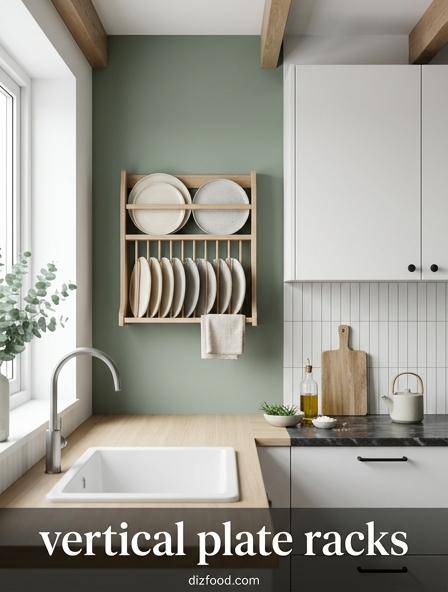
Fine porcelain dinnerware is notoriously susceptible to micro-scratches when stacked horizontally. This damage typically occurs during the repetitive process of sliding plates in and out of a heavy stack. As the unglazed "foot" of one plate rests directly against the delicate glazed surface of the one beneath it, any trapped dust or mineral particles act as an abrasive. By utilizing vertical plate racks, each piece is isolated within its own dedicated slot. This physical separation ensures that surfaces never make direct contact, effectively neutralizing the risk of friction-induced marring.
- Eliminates friction between the unglazed base and polished surfaces.
- Prevents the grinding of trapped debris against delicate patterns.
- Reduces the need for felt separators or paper liners.
- Maintains the original factory sheen of high-gloss finishes.
Furthermore, vertical storage allows for air to circulate around each piece, which prevents the buildup of fine grit that often accumulates in the stagnant environment of a tight horizontal stack. This proactive approach to storage is essential for anyone looking to maintain the pristine reflective quality of luxury ceramic collections over many years of use.
Eliminating Structural Stress from Horizontal Stacking
Traditional horizontal stacking subjects the bottommost items in a cupboard to significant structural pressure. In a stack of twelve or more dinner plates, the cumulative weight can exceed several kilograms, placing immense stress on the ceramic body of the bottom plate. Over time, this constant pressure can lead to structural fatigue or the development of microscopic stress fractures that compromise the integrity of the piece. Vertical plate racks redistribute this weight, allowing the shelving unit or the rack frame to bear the load rather than the dinnerware itself.
- Weight is transferred to the storage rack rather than the bottom plate.
- Individual slots prevent the compression of delicate ceramic materials.
- Structural integrity is preserved by maintaining a neutral load state.
- Reduces the risk of sudden "spontaneous" cracking during temperature changes.
By rotating the orientation of the plates by ninety degrees, the force of gravity acts upon the rim and foot in a balanced manner. This alignment ensures that no single point of the porcelain is forced to support the mass of an entire set, thereby extending the functional lifespan of the collection and preventing premature breakage due to material exhaustion.
Reducing Chipping Risks During Daily Retrieval
The act of retrieving a single plate from the middle or bottom of a heavy stack is one of the most common causes of edge chipping in the kitchen. When a user must lift several heavy plates with one hand while sliding out the desired piece with the other, the risk of impact is high. Vertical plate racks eliminate this cumbersome maneuver by providing direct access to every individual item. Because each plate stands independently, it can be grasped securely by its edges and lifted straight out without interfering with adjacent pieces.
- Prevents "clinking" accidents during the extraction process.
- Provides a clear grip path for hands of all sizes.
- Reduces the likelihood of dropping plates due to awkward weight distribution.
- Minimizes the mechanical shock associated with re-stacking after washing.
This organized retrieval system is particularly beneficial in high-traffic kitchens where speed often leads to carelessness. By removing the physical barriers between the user and the dinnerware, the vertical rack serves as a protective buffer, ensuring that the most vulnerable part of the plate-the rim-remains untouched and intact during daily transitions from the cabinet to the table.
Protecting Fragile Glazes and Hand Painted Details
Hand-painted dinnerware and those with gold or platinum leaf detailing require specialized care to prevent the degradation of their aesthetic features. Horizontal stacking is particularly detrimental to these items, as the weight and movement of the plates can rub away metallic overlays and soften hand-applied pigments. Vertical racks provide a controlled environment where the decorated face of the plate remains untouched by any other surface, ensuring that the artistry remains as vibrant as the day it was created.
| Feature | Horizontal Impact | Vertical Benefit |
|---|---|---|
| Metallic Rims | High Abrasion | Zero Contact |
| Raised Enamel | Crushing Risk | Air Spaced |
| Hand Painting | Gradual Fading | Preserved Detail |
By isolating the decorative side of the ceramic, collectors can display and store their pieces without the fear of mechanical wear. This method is the preferred standard for museum-quality displays and high-end residential kitchens where the preservation of visual detail is a primary concern for the owner.
Optimizing Cabinet Airflow for Moisture Prevention
Moisture is a silent enemy in kitchen cabinetry, often leading to the growth of mold or the development of unpleasant musty odors. When plates are stacked horizontally while still slightly damp from a dishwasher cycle, moisture becomes trapped between the surfaces. This lack of airflow prevents evaporation, creating a micro-environment conducive to bacterial growth and mineral spotting. Vertical plate racks solve this issue by maximizing the surface area exposed to the air, allowing any residual moisture to evaporate quickly and cleanly.
- Promotes rapid drying through natural convection currents.
- Prevents the formation of "water rings" and mineral deposits.
- Eliminates the damp environment that encourages mildew.
- Keeps cabinetry smelling fresh by preventing stagnant air pockets.
The increased ventilation provided by vertical spacing is especially important in humid climates or in kitchens where cabinets are frequently closed. By ensuring that each plate is surrounded by moving air, the rack acts as a passive drying system that maintains the hygiene and cleanliness of the dinnerware long after the cleaning cycle has finished.
Maximizing Vertical Space in Small Kitchens
In compact kitchen environments, the efficient use of every cubic inch is paramount. Standard horizontal stacking often leaves a significant amount of "dead air" at the top of deep cabinet shelves, as stacking plates too high becomes both dangerous and impractical. Vertical plate racks capitalize on this unused height, transforming the storage logic to fit the dimensions of the cabinet more effectively. This allows for a higher density of storage without sacrificing the safety of the items being stored.
- Utilizes the full height of standard kitchen cabinetry.
- Allows for the storage of platters and dinner plates in the same footprint.
- Frees up horizontal shelf space for bowls, mugs, or small appliances.
- Makes deep cabinets more functional by bringing items to the forefront.
By reorienting the collection, users often find they can fit twice as many plates in the same linear width of a shelf. This optimization is a game-changer for apartment dwellers or those with limited storage, as it creates an organized system that feels spacious rather than cluttered, all while keeping the most essential items within easy reach.
Improving Accessibility for Delicate Heirloom Sets
Heirloom dinnerware is often used only for special occasions, yet its storage is frequently the most problematic. When kept in deep stacks, the effort required to access these sets often discourages their use. Vertical plate racks improve accessibility by making every piece visible and reachable at all times. This is particularly important for older users or those with limited hand strength, as it removes the need to lift heavy piles of ceramic to reach a specific platter or decorative plate.
- Allows for instant visual inventory of the entire collection.
- Reduces the physical strain on the user's wrists and back.
- Enables easier selection of specific sizes for various courses.
- Encourages the use of fine china by removing the "hassle" of retrieval.
The ergonomic benefit of vertical storage cannot be overstated. By treating each plate as an individual unit rather than part of a heavy mass, the user gains a sense of control and ease. This accessibility ensures that precious sets are not forgotten at the back of a dark cupboard, but are instead kept ready for use in an organized, visible fashion.
Distributing Weight to Prevent Ceramic Cracking
Ceramics are strong in compression but can be brittle when subjected to uneven loads. In a vertical rack, the weight of the plate is distributed along its bottom edge and supported at multiple points by the rack's dividers. This distribution is far safer than horizontal stacking, where a slight tilt or an uneven shelf can cause the weight of the entire stack to concentrate on a single point of the bottom plate. The engineering of a vertical rack ensures that gravity works with the material rather than against it.
| Factor | Horizontal Stack | Vertical Rack |
|---|---|---|
| Point Pressure | Very High at Bottom | Low and Distributed |
| Gravity Path | Through the Center | Along the Rim/Edge |
| Shock Absorption | Poor | Individualized |
This scientific approach to storage reduces the risk of "stress-induced failure," which often manifests as a crack that appears for no apparent reason. By maintaining a consistent and distributed weight load, the vertical rack protects the internal molecular structure of the ceramic, ensuring its longevity for generations.
Enhancing Kitchen Organization and Visual Order
Visual clutter in a kitchen can lead to a sense of chaos and inefficiency. Horizontal stacks of varying sizes, shapes, and colors often look disorganized and make the interior of a cabinet appear cramped. Vertical plate racks introduce a sense of architectural order and symmetry. By aligning plates by size or pattern in a uniform row, the kitchen aesthetic is immediately elevated. This level of organization is not merely about appearance; it creates a predictable environment where items are always found in their designated locations.
- Creates a clean, "professional kitchen" appearance.
- Makes it easier to spot missing items after a large gathering.
- Allows for color-coding or size-sorting for better workflow.
- Reduces the time spent searching for matching sets.
When everything has a specific place, the mental load of kitchen management is significantly reduced. An organized cabinet is a reflection of an organized cooking process, and the vertical rack is a foundational tool in achieving that sense of calm and efficiency within the busiest room of the home.
Maintaining Long Term Value of Designer Dinnerware
For collectors of designer dinnerware, maintenance of condition is synonymous with maintenance of value. Any sign of wear-whether it be a small chip on the rim, a scratch on the glaze, or a dulling of the metallic trim-can significantly decrease the resale or appraisal value of a set. Vertical plate racks are an investment in asset protection. By preventing the common mechanical damages associated with traditional storage, these racks ensure that the dinnerware remains in "mint" or "near-mint" condition over the decades.
- Preserves the physical condition required for high-value resale.
- Prevents the common "cabinet wear" found in used sets.
- Keeps the original glaze luster intact for appraisal purposes.
- Ensures that complete sets remain whole without replacement needs.
Ultimately, the cost of a high-quality vertical rack is negligible compared to the potential loss in value of a luxury ceramic set. By adopting museum-standard storage practices in the home, collectors can enjoy their dinnerware today while securing its financial and historical worth for the future, ensuring that the legacy of the designer remains unblemished.

Comments