
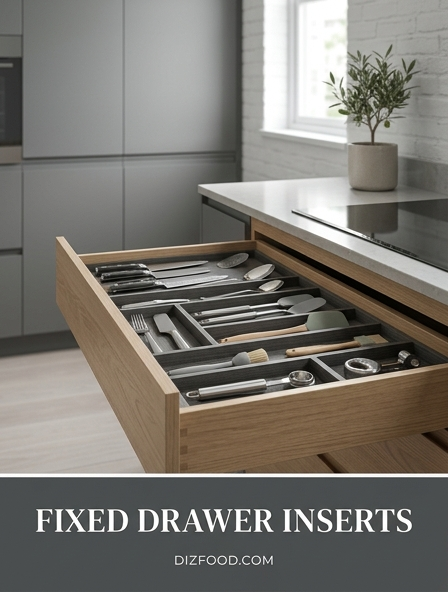
Elevating your kitchen's functionality doesn't have to mean sacrificing style; in fact, the secret to a truly high-end look lies hidden right inside your cabinetry. By choosing professional fixed drawer inserts, you can achieve a seamless, bespoke aesthetic that makes every tool and utensil feel perfectly intentional. Unlike generic, one-size-fits-all solutions, these high-quality organizers offer a sophisticated, built-in appearance that maximizes every inch of space while adding a touch of quiet luxury to your daily routine. If you are deciding which style suits your cabinetry best, it is helpful to weigh the benefits of Expandable Utensil Trays Vs Fixed Drawer Inserts.
The Architecture of Professional Kitchen Drawers
The internal architecture of a professional kitchen drawer is defined by its structural integrity and the permanence of its layout. Unlike generic plastic trays that shift during rapid movement, fixed inserts are integrated directly into the drawer box. This design philosophy emphasizes a rigid framework that supports the weight of heavy professional tools while maintaining a silent, vibration-free operation. When the inserts are an extension of the cabinetry itself, they reinforce the drawer bottom, preventing the sagging often seen in lower-quality builds.
Achieving this level of architectural precision requires a deep understanding of the chef's requirements. Fixed compartments allow for specific depths and widths that maximize every cubic inch of available space. This eliminates the "dead zones" typically found around the perimeter of adjustable organizers. By treating the drawer interior as a floor plan, designers can create dedicated zones for prep tools, service pieces, and specialized equipment.
- Reinforced base stability for heavy loads.
- Zero-clearance fitting to prevent debris accumulation.
- Customized depth ratios for layered tool storage.
- Structural alignment with external cabinet aesthetics.
The Visual Appeal of Fixed Wood Dividers
The aesthetic transition from a sleek cabinet exterior to a curated wooden interior provides a profound sense of luxury. Fixed wood dividers, often crafted from premium species like American Walnut or Hard Rock Maple, offer a warmth that synthetic materials cannot replicate. The continuity of the grain and the precision of the joinery-typically featuring dovetail or dado construction-signal a commitment to high-end craftsmanship. These permanent fixtures transform a standard storage area into a showcase of artisanal furniture design.
Beyond the immediate beauty of the timber, the fixed nature of these dividers ensures a clean, streamlined look. There are no unsightly gaps, overlapping plastic edges, or adjustable tabs to break the visual flow. The result is a bespoke environment where every utensil is framed by natural textures. This visual order contributes to a calmer kitchen atmosphere, as the eye is met with symmetry and intentionality every time a drawer is opened. The light reflecting off hand-rubbed oil finishes highlights the depth of the wood, making even the simplest task feel like an elevated experience.
Mastering Custom Cutlery and Utensil Layouts
Mastering the layout of cutlery requires more than just providing slots; it demands a tactical approach to daily kitchen rituals. Fixed inserts are engineered to the exact dimensions of specific flatware collections, ensuring that each fork, knife, and spoon sits perfectly flush. This level of customization prevents the overlapping of handles and the scratching of delicate silver or polished steel. For larger utensils like ladles, whisks, and spatulas, fixed dividers provide the necessary constraints to keep long handles aligned and heads accessible.
- Assess the frequency of use to place primary flatware in the most accessible forward zones.
- Determine the maximum stack height for spoons and forks to set divider wall height.
- Carve specialized indentations for knife bolsters to keep blades horizontal and safe.
- Incorporate finger-pull notches at the base of each compartment for easy item retrieval.
By committing to a permanent layout, the user eliminates the frustration of sliding trays. The fixed nature of the system ensures that the organization remains identical over years of service, fostering a more efficient and disciplined kitchen environment.
Elevating Functionality with Bespoke Insert Design
Functionality in a high-end kitchen is measured by the absence of friction in the cooking process. Bespoke fixed inserts elevate this by providing a dedicated home for every tool, which drastically reduces the time spent searching for equipment. Because these systems are built to the drawer's specific internal dimensions, they utilize 100% of the horizontal and vertical volume. This is particularly useful for odd-shaped items like rolling pins, microplanes, or offset spatulas that often get tangled in loose bins.
| Insert Type | Primary Benefit | Best Used For |
|---|---|---|
| Full-Depth Slots | Prevents item migration | Long chef knives and shears |
| Tiered Fixed Trays | Doubles storage capacity | Tea spoons and small dessert forks |
| Scooped Compartments | Ergonomic retrieval | Measuring spoons and corkscrews |
Designing these systems involves analyzing the specific heights of tool heads to ensure the drawer closes smoothly without catching. The result is a seamless interface between the cook and their instruments.
Seamless Integration of Permanent Storage Solutions
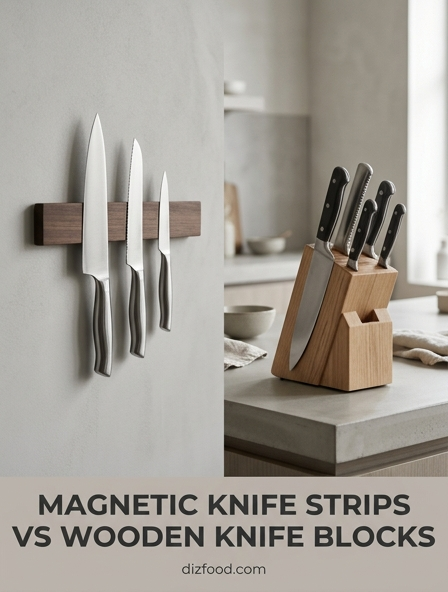
The hallmark of a truly custom kitchen is the seamless integration of storage solutions that feel like an inherent part of the home's structure. Permanent inserts are not merely accessories; they are foundational elements of the cabinetry. This integration begins during the CAD design phase, where the drawer box and the insert are conceived as a single unit. This holistic approach allows for sophisticated features such as integrated knife blocks or built-in foil and film dispensers that are flush with the surrounding dividers.
When storage is permanent, it allows for tighter tolerances. There is no need for the "wiggle room" required by drop-in organizers. This precision prevents the accumulation of flour, crumbs, and dust in the crevices that usually exist between an insert and the drawer walls. From a maintenance perspective, these drawers are easier to clean with a simple vacuum attachment or microfiber cloth, as there are no removable parts to juggle. This creates a sanitary and ultra-organized environment that reflects the standards of a professional-grade culinary workspace.
The Luxury of Tailored Spice Drawer Systems
A tailored spice drawer system represents one of the most significant upgrades in kitchen organization. By using fixed, angled tiers, labels are kept in a consistent upward-facing position, allowing for instant identification. Unlike vertical spice racks that hide jars behind one another, the tiered fixed insert displays the entire collection at a glance. This layout is particularly luxurious when the tiers are milled from a single block of wood, creating a smooth, continuous wave of timber that cradles each jar securely.
- Angled placement prevents round jars from rolling during drawer movement.
- Standardized widths accommodate both artisanal square jars and traditional round bottles.
- Fixed dividers between tiers ensure that spices remain categorized (e.g., baking vs. savory).
- High-back stops prevent the rear-most jars from falling behind the drawer box.
The permanence of the system encourages the user to maintain a consistent inventory. The tactile experience of selecting a spice from a perfectly fitted wooden nest adds a sensory dimension to the cooking process that loose jars in a cupboard cannot provide.
Optimizing Workflow Through Fixed Compartment Logic
Efficiency in the kitchen is often a product of muscle memory. Fixed compartment logic optimizes workflow by ensuring that every tool is in the exact same location every time the drawer is opened. This allows the cook to reach for a paring knife or a thermometer without looking, maintaining focus on the stove or cutting board. When dividers are permanent, the cognitive load of searching through a cluttered drawer is eliminated, resulting in a more fluid and enjoyable culinary experience.
- Group tools by task: Place all prep knives in a single fixed block.
- Prioritize proximity: Locate the most frequently used items in the top-right or top-left corners.
- Logical sizing: Match the compartment volume to the tool's frequency of use to prevent overcrowding.
- Define boundaries: Use fixed walls to separate delicate items from heavy metal tools to prevent damage.
This systematic approach transforms the drawer into an extension of the chef's hands. By removing the physical and mental clutter of disorganized drawers, the user can achieve a state of "mise en place" that extends beyond the ingredients to the tools themselves.
Selecting Premium Materials for Built-in Inserts
The longevity of a fixed insert system depends entirely on the selection of materials. Because these inserts are permanent, they must be resistant to the humidity, temperature fluctuations, and mechanical wear common in a kitchen environment. Premium hardwoods are the standard for high-end builds due to their density and natural antimicrobial properties. Selecting the right wood involves balancing the aesthetic of the external cabinetry with the functional needs of the interior.
| Material | Durability | Typical Finish |
|---|---|---|
| European Beech | High impact resistance | Food-safe clear lacquer |
| Black Walnut | Excellent stability | Natural oil/wax rub |
| Hard Maple | Extremely dense/hard | UV-cured acrylic |
| Bamboo (Solid) | Eco-friendly/Moisture resistant | Water-based sealer |
Finishing is equally important; a high-quality pre-catalyzed lacquer or specialized furniture oil ensures the wood does not absorb oils or odors from the kitchen. These materials ensure that the inserts remain as beautiful after a decade of use as they were on the day of installation.
Precision Engineering for a High-End Finish
The difference between a standard drawer and a luxury one lies in the precision of the engineering. High-end fixed inserts are often manufactured using CNC (Computer Numerical Control) technology, which allows for tolerances within fractions of a millimeter. This ensures that every divider meets the drawer wall with a seamless butt joint or a perfectly executed mortise. Such precision is not merely for show; it prevents the structural shifting that causes wear and tear on the drawer slides over time.
Engineering also encompasses the ergonomics of the divider edges. In a premium system, the tops of the fixed dividers are often rounded or chamfered, making them comfortable to the touch and preventing splinters. Furthermore, the base of each compartment may be lined with leather, felt, or a non-slip silicone to provide a soft landing for delicate silverware. This combination of heavy-duty structural engineering and delicate finishing touches creates a product that feels robust yet refined, embodying the spirit of bespoke kitchen design.
Sustainable Sophistication in Kitchen Cabinetry Organization
In the modern luxury market, sustainability is a key component of sophistication. Fixed wooden inserts are an environmentally conscious choice compared to the disposable plastic organizers that often end up in landfills. By investing in permanent, high-quality timber solutions, homeowners are choosing longevity over obsolescence. These inserts are designed to last the entire lifespan of the kitchen, reducing the need for replacement and minimizing the environmental footprint associated with manufacturing and shipping cheaper alternatives.
- Use of FSC-certified hardwoods from responsibly managed forests.
- Elimination of VOC-heavy glues and finishes in favor of natural oils.
- Reduction in plastic waste through the use of biodegradable materials.
- Increased home value through the installation of permanent, high-quality fixtures.
The timeless nature of wood also ensures that the kitchen remains stylish across changing trends. While plastic colors and designs may fade or look dated, the natural beauty of a well-crafted wooden insert only gains character with age. This commitment to quality and the environment represents the pinnacle of modern kitchen organization.

Comments