
Maximizing Small Footprints with Vertical Storage
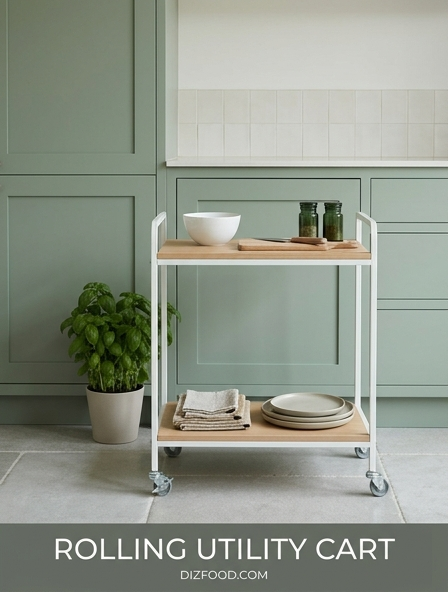
In compact kitchens, floor space is a premium commodity that must be managed with precision. Rolling utility carts offer a strategic advantage by shifting the storage focus from horizontal expansion to vertical accumulation. By utilizing multi-tiered shelving units, homeowners can stack essential items such as heavy cookware, dry goods, and small appliances in a footprint no larger than a standard floor tile. This vertical approach ensures that frequently used tools remain within arm's reach without congesting primary walkways or counter surfaces.
- Utilize three-tier designs to separate items by weight, placing the heaviest pots on the bottom.
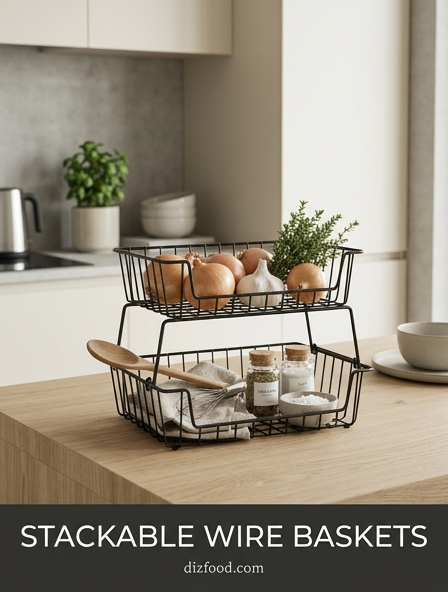
- Incorporate mesh baskets to allow airflow for fresh produce like onions and potatoes.
- Attach side-mounted bins for vertical storage of long utensils or cleaning supplies.
- Choose carts with slim profiles to capitalize on narrow gaps between permanent fixtures.
The mobility of these units allows them to be tucked into corners when not in use, effectively turning dead space into a highly functional storage hub. By layering items vertically, the kitchen environment feels more open and less cluttered, promoting a more efficient cooking experience.
Creating a Mobile Prep Station for Fluid Workflows
A static kitchen layout can often lead to bottlenecks during complex meal preparation. A rolling utility cart transforms into a dynamic prep station that adapts to the chef's movements, bridging the gap between the refrigerator, sink, and stove. By equipping the top surface of a cart with a sturdy cutting board, you create an additional workstation that can be positioned exactly where the current task demands, minimizing the need to carry heavy or messy ingredients across the room.
- Position the cart near the refrigerator to unload and wash produce in one motion.
- Move the cart to a central location for chopping and dicing near the primary trash bin.
- Transport the prepped ingredients directly to the stovetop for seamless cooking transitions.
- Lock the casters to ensure a stable surface while performing vigorous tasks like kneading dough.
This fluidity reduces physical strain and saves time by streamlining the transition between various stages of food preparation. When the work is complete, the entire station can be rolled to the sink for unloading, making the post-cooking cleanup significantly more manageable.
Streamlining Ingredient Access with Tiered Organization
Efficiency in the kitchen is often dictated by how quickly one can locate specific ingredients during the heat of cooking. A tiered rolling cart provides a transparent organization system that prevents the "hidden at the back of the pantry" syndrome. By categorizing items by frequency of use or culinary theme, cooks can maintain a high-speed workflow without rummaging through deep cabinets.
| Tier Level | Recommended Contents | Access Frequency |
|---|---|---|
| Top Shelf | Oils, salts, and daily spices | High |
| Middle Shelf | Canned goods and grains | Medium |
| Bottom Shelf | Bulk items and heavy jars | Low |
This structured approach ensures that the most vital components of a meal are always visible. Using clear bins or labeled jars on each tier further enhances the speed of identification. The ability to pull the entire inventory toward the stove or prep area eliminates unnecessary movement, allowing the chef to focus entirely on the culinary process at hand.
The Versatility of Portable Coffee and Breakfast Bars
Morning routines are often hurried, and a dedicated coffee or breakfast station can significantly reduce friction during the early hours. A rolling cart acts as a self-contained beverage hub that can be moved from the kitchen to the dining area or even a home office. This setup keeps the main countertops clear of bulky espresso machines and grinders while creating a curated experience for residents and guests alike.
- Top surface: Espresso machine, coffee drippers, and a milk frother.
- Second tier: A variety of coffee beans, tea bags, and flavored syrups.
- Bottom tier: Mugs, saucers, and napkins for a complete service.
- Side hooks: Used for hanging stirrers or small towels.
During social gatherings, the cart transitions into a mobile bar or dessert station, allowing the host to serve guests without being anchored to the kitchen. This versatility makes the utility cart a lifestyle asset rather than just a storage tool, providing convenience that adapts to different times of the day and varying social contexts.
De-cluttering Countertops Using Under-Counter Cart Integration
One of the most effective ways to reclaim kitchen real estate is to remove appliances and tools that are not used daily. Under-counter cart integration involves utilizing the open space beneath counters or islands to house a rolling unit. This hidden storage solution keeps the visual landscape of the kitchen clean while ensuring that heavy items remain accessible without requiring heavy lifting from high shelves.
- Measure the height of the under-counter gap to ensure a clearance of at least one inch.
- Store secondary appliances like blenders, toasters, or food processors on the cart tiers.
- Roll the cart out only when the specific appliance is needed for a task.
- Return the cart to its "garage" to instantly restore a minimalist aesthetic to the kitchen.
This method is particularly beneficial in small apartments where countertop space is the primary work zone. By offloading the "visual noise" of various gadgets to a mobile unit, the kitchen feels larger and more inviting for actual food preparation rather than just storage.
Optimizing Tight Corners with Slim Rolling Designs
In many kitchen layouts, there are narrow gaps between appliances or between a cabinet and a wall that often go unused. Slim rolling designs, sometimes as narrow as five or six inches, are specifically engineered to occupy these neglected zones. These "slide-out" pantries provide an incredible amount of storage for canned goods, spices, or cleaning supplies in a space that would otherwise be wasted.
- Slide the cart between the refrigerator and the wall for hidden spice storage.
- Utilize the gap next to the dishwasher for storing detergents and rinsing agents.
- Install handle grips to make the pulling and pushing motion effortless.
- Use guardrails on each shelf to prevent items from tipping over when moved.
Despite their thin profile, these carts are surprisingly sturdy and can hold a significant amount of weight. They effectively turn a structural flaw in the kitchen's design into a functional storage opportunity. By maximizing these tight corners, homeowners can free up larger cabinet spaces for bulkier items, creating a more balanced and organized environment.
Enhancing Ergonomics Through Adjustable Mobile Shelving
Kitchen work can be physically demanding, particularly if counter heights do not align with a person's stature or the specific requirements of a task. Adjustable mobile shelving allows for a customized ergonomic setup that can be altered depending on who is using it or what is being prepared. Proper height adjustment reduces back strain and improves leverage for tasks such as mixing thick batters or chopping firm vegetables.
| User Height | Recommended Cart Height | Primary Task Focus |
|---|---|---|
| Petite | 30" - 32" | Kneading and heavy mixing |
| Standard | 34" - 36" | Chopping and general prep |
| Tall | 38" - 40" | Plating and precision tasks |
In addition to surface height, the ability to adjust the spacing between internal shelves ensures that items of various sizes fit perfectly. This prevents the need to awkwardly tilt tall bottles or stack items precariously. By tailoring the cart to the physical needs of the user, the kitchen becomes a more accessible and comfortable space for long-term culinary projects.
Dedicated Zoning for Specialized Baking and Prep Tasks
Baking often requires a specific set of tools and ingredients that can clutter a kitchen if mixed with general cooking supplies. Creating a dedicated baking zone on a rolling cart allows you to centralize everything from flour and sugar to rolling pins and measuring spoons. When the craving to bake arises, the entire "bakery" can be rolled to the center of the kitchen and pushed away once the trays are in the oven.
- Designate the top tier for a heavy stand mixer to avoid lifting it from a low cabinet.
- Store dry ingredients in airtight, uniform containers on the middle shelf for quick identification.
- Keep baking sheets and cooling racks in a vertical organizer on the bottom tier.
- Attach a magnetic strip to the side for easy access to metal measuring spoons and whisks.
Zoning prevents the cross-contamination of flavors and ensures that specialty tools don't get lost in the shuffle of daily meal prep. This organized approach encourages more frequent use of specialized equipment, as the setup and breakdown time for the activity is drastically reduced.
Increasing Surface Area in Minimalist Kitchen Layouts
Minimalist kitchens often prioritize clean lines over abundant surface area, which can be challenging during holiday cooking or large dinner parties. A rolling utility cart serves as an "expandable" counter that appears when needed and disappears when the work is done. It provides a landing pad for hot dishes, an extra area for plating, or a station for hors d'oeuvres without permanently altering the kitchen's footprint.
- Choose a cart with a stainless steel or butcher block top to match minimalist aesthetics.
- Use the cart as a temporary "bridge" between two separate counter sections.
- Deploy the cart as a mobile serving station to move food from the kitchen to the dining table.
- Store the cart in a pantry or utility closet when a completely clear floor is desired.
This flexibility allows the kitchen to scale its functionality based on the current demand. It supports the minimalist philosophy by ensuring that every piece of furniture is multi-functional and contributes to the overall efficiency of the home without creating permanent visual or physical clutter.
Essential Accessories for Customizing Utility Cart Efficiency
The base model of a rolling utility cart is just the starting point; the true efficiency comes from customization through specialized accessories. By adding modular components, you can transform a simple shelving unit into a highly specialized tool tailored to your specific cooking style. These additions maximize every square inch of the cart, including the sides and the underside of the shelves.
| Accessory Type | Function | Benefit |
|---|---|---|
| S-Hooks | Hangs towels and mitts | Saves internal shelf space |
| Magnetic Strips | Holds knives and shears | Provides safe, quick access |
| Drawer Inserts | Organizes small gadgets | Prevents clutter and rattling |
| Pegboard Panels | Customizable hanging | Unlimited configuration options |
Adding a power strip to the side of the cart can also turn it into a mobile charging station for tablets displaying recipes or for plugging in small appliances. Liners for the shelves prevent small items from falling through wire gaps and make cleaning up spills much easier. These small investments in accessories significantly amplify the utility of the cart, making it an indispensable part of the modern kitchen.

Comments