
Mastering year-round planning is a complete game-changer for anyone looking to achieve predictable budgets and highly efficient kitchen routines. By organizing your meals ahead of time, you eliminate the stress of last-minute grocery runs and significantly reduce food waste. This proactive approach allows you to stock up on essentials and optimize your pantry, ensuring every meal is both cost-effective and delicious. Whether you are managing a busy family schedule or simply streamlining your weekly prep, consistency is the secret to a smoother culinary life. To decide which strategy fits your lifestyle best, it is helpful to compare the benefits of Seasonal Meal Planning Vs Year Round Planning.

Mastering Seasonal Meal Cycles
Mastering seasonal meal cycles involves aligning your kitchen habits with the natural harvest calendar. By rotating your menu four times a year, you ensure that your household consumes ingredients at their nutritional and flavorful peak. This approach prevents culinary stagnation and encourages a diverse intake of vitamins and minerals. During the winter months, focus shifts toward hearty root vegetables, citrus, and slow-cooked proteins that provide warmth. Conversely, summer cycles prioritize hydration and minimal heat application, utilizing stone fruits, leafy greens, and berries.
- Spring: Focus on peas, asparagus, and tender herbs.
- Summer: Prioritize tomatoes, peppers, and grilled corn.
- Autumn: Utilize squashes, apples, and brassicas.
- Winter: Lean on tubers, preserved goods, and citrus.
Implementing a seasonal cycle also aids in streamlining your shopping lists. When you know which produce is naturally available, you spend less time searching for out-of-season items that are often expensive and subpar in quality. This rhythmic approach creates a sense of anticipation for certain dishes, making the act of cooking feel like a celebration of the current time of year rather than a repetitive chore.
Strategic Pantry Inventory Management
A well-managed pantry serves as the foundation for any successful year-round kitchen plan. Strategic management requires more than just filling shelves; it involves a systematic approach to rotation and auditing. The "First In, First Out" (FIFO) method is essential to ensure that older items are used before they expire. By categorizing your pantry into zones, such as grains, canned proteins, and baking essentials, you can quickly assess what needs restocking during your weekly check. This prevents the common mistake of over-purchasing duplicates while essential items are missing.
| Category | Essential Items | Restock Frequency |
|---|---|---|
| Grains | Rice, Quinoa, Pasta | Quarterly |
| Legumes | Lentils, Chickpeas, Beans | Bi-Annually |
| Flavorings | Vinegars, Oils, Spices | As Needed |
Maintaining a digital or physical inventory sheet allows for precise meal planning. When you know exactly how many cans of diced tomatoes or bags of flour you have on hand, you can build recipes around existing stock. This strategy reduces the stress of last-minute grocery runs and ensures that your kitchen remains a functional workspace rather than a storage locker for forgotten goods.
Monthly Budgeting for Grocery Success
Achieving financial success in the kitchen requires a disciplined monthly budgeting framework. Rather than viewing grocery shopping as a fluctuating expense, treat it as a fixed variable with clear boundaries. Start by analyzing your spending over the last ninety days to establish a realistic baseline. Once a limit is set, allocate funds across specific categories like fresh produce, proteins, and household sundries. This prevents "impulse bloat," where small, unplanned purchases significantly inflate your total expenditure over thirty days.
- Audit previous spending to find hidden costs.
- Set a hard monthly limit based on household size.
- Allocate 20% of the budget for bulk staple replenishment.
- Track every receipt to identify price fluctuations.
- Adjust the following month's budget based on remaining inventory.
Effective budgeting also allows for "opportunity buying." If a high-value item like olive oil or quality protein goes on sale, a well-managed budget provides the flexibility to purchase extra without jeopardizing your ability to buy fresh milk or bread. Over time, this disciplined approach transforms the grocery store from a place of financial stress into a controlled environment where every dollar is intentionally deployed for maximum nutritional return.
Bulk Buying and Storage Solutions
Bulk buying is a powerful lever for reducing the unit price of kitchen staples, but it requires a robust storage strategy to be effective. Purchasing large quantities of rice, flour, or frozen meats only provides value if those items remain fresh and accessible. Investing in airtight, pest-proof containers is non-negotiable for dry goods. For bulk proteins, vacuum sealing is the gold standard for preventing freezer burn and extending shelf life. Proper labeling with both the purchase date and the "use by" date is critical for maintaining an organized system.
- Grains and Flours: Store in sealed glass or BPA-free plastic bins.
- Spices: Keep in a cool, dark drawer to preserve volatile oils.
- Bulk Meats: Portion into meal-sized bags before freezing.
- Oils: Store in dark bottles away from heat sources.
Strategic storage also involves optimizing your physical space. Utilize vertical shelving and clear bins to ensure that nothing gets buried in the back of a deep cabinet. When you can see your entire bulk inventory at a glance, you are much more likely to utilize it effectively. This synergy between volume purchasing and disciplined storage creates a kitchen that is resilient to supply chain fluctuations and price spikes.
Efficient Weekly Meal Prep Routines
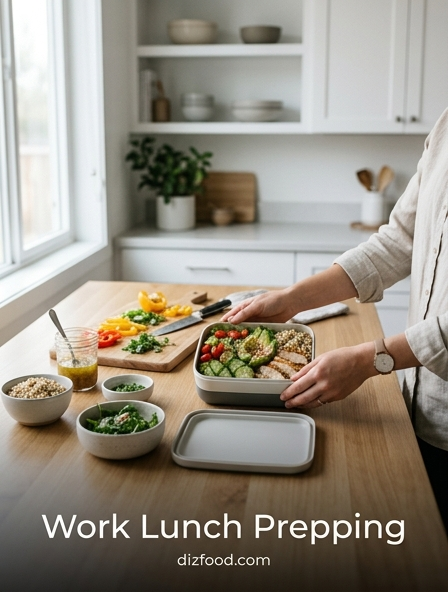
Efficiency in the kitchen is often the result of a dedicated weekly routine that bridges the gap between planning and execution. A successful routine usually occurs over two days: one for shopping and inventory, and another for active preparation. By dedicating a few hours on a Sunday to washing, chopping, and pre-cooking, you significantly reduce the "activation energy" required to prepare dinner on a busy Tuesday night. This proactive approach ensures that healthy options are the most convenient choice when time is limited.
- Review the calendar for upcoming social or work commitments.
- Prepare a "mise en place" for three core vegetables.
- Pre-cook a versatile grain like brown rice or farro.
- Marinate proteins to enhance flavor and speed up cooking.
- Portion snacks and lunches into grab-and-go containers.
A well-executed prep routine doesn't mean cooking every meal in advance. Instead, it focuses on completing the most time-consuming tasks ahead of time. When the onions are already diced and the chicken is already marinated, a thirty-minute meal becomes a ten-minute assembly process. This consistency builds momentum, turning meal preparation from an exhausting daily hurdle into a streamlined, predictable component of your lifestyle.
Minimizing Food Waste for Savings
Minimizing food waste is one of the most immediate ways to increase your kitchen's ROI. Every discarded wilted spinach leaf or moldy piece of cheese represents literal money thrown into the trash. To combat this, adopt a "use-it-up" philosophy. Before your weekly shopping trip, dedicate one night to an "everything" meal-such as a stir-fry, frittata, or soup-designed to incorporate odds and ends from the crisper drawer. Understanding the difference between "sell-by" and "use-by" dates can also prevent the premature disposal of perfectly safe food.
- Vegetable Scraps: Freeze for making homemade stocks.
- Overripe Fruit: Blend into smoothies or bake into breads.
- Stale Bread: Transform into croutons or breadcrumbs.
- Herb Stems: Finely mince for sauces or infusions.
Proper storage temperatures also play a vital role in waste reduction. Ensuring your refrigerator is set below 40°F (4°C) and understanding which fruits emit ethylene gas (like apples) can prevent the rapid spoilage of surrounding produce. By treating your ingredients as valuable assets rather than disposable commodities, you create a more sustainable kitchen environment that significantly bolsters your long-term savings.
Adapting Recipes to Seasonal Produce
Flexibility is the hallmark of an advanced home cook. Adapting recipes to seasonal produce allows you to maintain a consistent repertoire of dishes while swapping out core components based on what is currently growing. This practice not only saves money-as in-season produce is generally cheaper-but also improves the flavor profile of your meals. A winter salad might use roasted beets and kale, while the same recipe structure in the spring would favor shaved radishes and tender arugula.
| Base Dish | Spring/Summer Swap | Fall/Winter Swap |
|---|---|---|
| Risotto | Asparagus & Lemon | Mushroom & Butternut |
| Sheet Pan Roast | Zucchini & Cherry Tomatoes | Parsnips & Brussels Sprouts |
| Pesto | Basil & Pine Nuts | Walnut & Parsley |
This method requires an understanding of ingredient function. If a recipe calls for a crunchy element, you can swap out-of-season cucumbers for seasonal radishes or carrots. By focusing on textures and flavor profiles (acid, fat, salt, sweet) rather than rigid ingredient lists, you empower yourself to shop the sales and the seasons without losing the essence of your favorite meals.
Digital Tools for Kitchen Organization
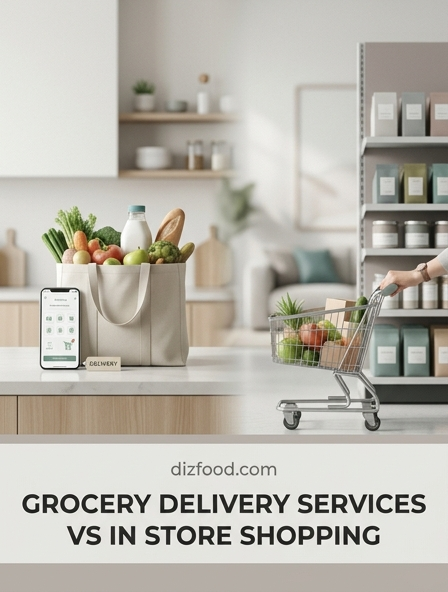
In the modern age, digital tools provide an unprecedented level of organization for the home kitchen. Utilizing apps for grocery lists, recipe management, and inventory tracking can eliminate the mental load of remembering what you have and what you need. Shared digital lists allow multiple household members to contribute to the shopping requirements in real-time, preventing the "I forgot the milk" scenario. Furthermore, many apps now offer the ability to scale recipes automatically, adjusting ingredient amounts based on the number of guests or meal prep requirements.
- Inventory Apps: Track expiration dates and stock levels.
- Recipe Managers: Save and categorize digital clippings from the web.
- Shared Lists: Synchronize shopping needs across devices.
- Caloric Trackers: Integrate nutritional data with your meal plans.
Cloud-based spreadsheets are another powerful tool for long-term planning. By maintaining a historical record of grocery prices and seasonal availability, you can predict when certain items will be at their lowest cost. Transitioning from paper scraps to a centralized digital hub ensures that your kitchen data is always accessible, searchable, and actionable, leading to a much more disciplined and efficient household management system.
Batch Cooking for Busy Schedules
Batch cooking is a strategic approach where you prepare large quantities of specific components or full meals to be consumed at a later date. This is particularly effective for items that have long cook times, such as beans, stews, or roasted meats. By doubling or tripling a recipe, you utilize the same amount of cleanup time for three times the output. This "cook once, eat thrice" mentality is the ultimate safeguard against the temptation of expensive and unhealthy takeout on nights when you are too exhausted to stand at the stove.
- Identify "freezer-friendly" recipes like chili or lasagna.
- Invest in uniform containers for efficient stacking.
- Clear a dedicated afternoon for high-volume production.
- Label every container with the date and reheating instructions.
- Rotate the freezer stock to ensure nothing is lost to time.
Successful batch cooking also involves "component prepping." Instead of full meals, you might cook five pounds of ground beef with onions or a massive pot of quinoa. these components can then be transformed into different dishes throughout the week-tacos, grain bowls, or pasta sauces-providing variety without the need for daily intensive labor. This balance of efficiency and variety is key to maintaining a long-term planning habit.
Long Term Financial Benefits of Planning
The long-term financial benefits of consistent kitchen planning extend far beyond a lower weekly grocery bill. When you plan meals year-round, you significantly reduce the frequency of high-margin impulse purchases and restaurant expenditures. Over a decade, the compounding effect of saving even fifty dollars a week on food can lead to substantial wealth accumulation. Furthermore, a planned kitchen promotes better health, which can lead to reduced medical expenses and higher productivity. The discipline of planning fosters a mindset of intentionality that often spills over into other areas of personal finance.
- Reduced reliance on high-cost convenience foods.
- Lowered waste-to-purchase ratio.
- Optimized use of bulk-buy discounts.
- Decreased energy costs from efficient appliance use.
By treating the kitchen as a managed asset rather than a source of chaos, you gain control over one of the largest variable expenses in a household budget. The peace of mind that comes from knowing exactly what is for dinner, combined with a growing savings account, provides a level of security that unplanned living cannot match. Ultimately, year-round planning is an investment in your future financial independence and physical well-being.



Comments