
The Vulnerability of Daily Grocery Trips
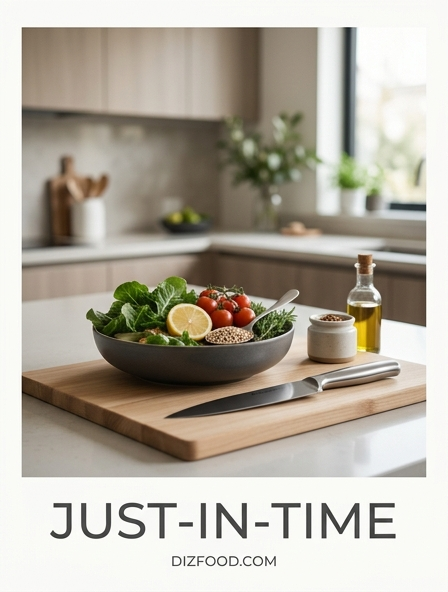
Relying on a just-in-time grocery model creates a fragile household ecosystem. When families depend on daily trips to the store for that evening's ingredients, they become hyper-vulnerable to external disruptions. This method assumes that supply chains will always function perfectly, that weather will remain mild, and that personal schedules will never face an emergency. However, the reality of modern logistics means that even a minor delay in a distribution center can lead to empty shelves in the produce or meat aisles. Furthermore, the time and fuel consumed by frequent short trips accumulate into a significant hidden tax on the household.
- Exposure to localized supply shortages and panic buying.
- Increased carbon footprint due to excessive vehicle use.
- High risk of meal failure if a single key ingredient is out of stock.
- Susceptibility to price surges during peak demand hours.
Ultimately, the daily shopper is at the mercy of the retailer's inventory management. Without a localized buffer in the pantry, any shock to the system-whether a personal illness or a regional logistical failure-immediately compromises the family's ability to maintain a consistent and nutritious diet.
Building a Resilient Household Food Buffer
Developing a resilient food buffer is not about hoarding; it is about creating a deliberate safety net that decouples your daily nutrition from immediate market availability. A well-constructed buffer allows a household to skip shopping for two to four weeks without a significant drop in meal quality. This resilience is built by systematically identifying the items your family consumes most frequently and slowly increasing your "on-hand" quantity. Instead of buying one box of pasta for tonight, you buy three, eventually reaching a steady state where you are always eating the oldest stock while maintaining a surplus.
- Assess current consumption patterns over a fourteen-day period.
- Identify calorie-dense foundation foods that store well at room temperature.
- Implement a "one-in, one-out" rotation system to ensure freshness.
- Allocate dedicated climate-controlled space for secondary storage.
By shifting the kitchen philosophy from "what do we need for tonight?" to "what do we need to maintain our reserve?", the household gains a layer of protection. This psychological shift reduces the panic associated with empty shelves and provides a sense of security that is essential for long-term domestic stability.
Financial Benefits of Strategic Bulk Purchasing
Strategic bulk purchasing serves as a hedge against inflation and a tool for significant cost reduction. When you purchase ingredients in larger volumes or during seasonal sales, the price per unit typically drops by twenty to forty percent. These savings are often invisible on a day-to-day basis but manifest as substantial annual surpluses in the household budget. By avoiding the premium prices of convenience-sized packaging, you effectively increase your purchasing power. This approach also prevents "convenience tax" spending, where hungry shoppers buy expensive, pre-made items because they lack the raw materials to cook at home.
| Item Type | Standard Unit Price | Bulk Unit Price | Annual Savings Potential |
|---|---|---|---|
| Grains/Rice | High | Very Low | Significant |
| Cooking Oils | Moderate | Low | Moderate |
| Proteins (Frozen) | Variable | Stable | High |
Furthermore, bulk purchasing reduces the frequency of "impulse buys" that occur during every trip to the grocery store. By limiting visits to once or twice a month, you bypass the marketing traps designed to encourage unplanned spending on snacks and luxury goods.
How Meal Planning Enhances Food Security
Meal planning is the administrative backbone of food security. It transforms a random collection of ingredients into a structured roadmap for nutrition, ensuring that every item in the pantry has a designated purpose. This strategic oversight prevents the common "missing ingredient" syndrome, where a meal cannot be completed because a single component is absent. When you plan meals around your existing stockpile, you maximize the utility of your inventory and minimize the need for emergency store runs. This process also allows for better nutritional balance, as you can see the diversity of your diet across a week or month.
- Inventory integration: Using what you have before buying more.
- Waste reduction: Ensuring perishable items are used before they spoil.
- Caloric management: Tracking energy intake more accurately.
- Nutritional diversity: Planning for various food groups in advance.
A secure kitchen is one where the cook knows exactly what is available and how long those resources will last. Planning provides the data necessary to make informed decisions about when to restock and when to lean on the existing buffer, creating a self-sustaining cycle of domestic efficiency.
Protecting Your Family from Supply Chain Shifts
The global supply chain is a complex web of vulnerabilities, subject to fluctuations in fuel prices, labor strikes, and geopolitical tensions. For the just-in-time shopper, a delay at a shipping port translates directly to a missing dinner ingredient. Protecting your family requires a move toward kitchen independence. By maintaining a deep pantry, you create a temporal buffer that allows you to wait out temporary market spikes or shortages. If the price of wheat skyrockets due to a poor harvest abroad, a resilient household can rely on its existing flour stores until prices stabilize or alternatives are found.
- Diversify sources by purchasing from local farmers and bulk wholesalers.
- Prioritize shelf-stable proteins and complex carbohydrates.
- Invest in preservation methods like canning or vacuum sealing.
- Monitor regional agricultural trends to anticipate price shifts.
This proactive stance shifts the power dynamic from the retailer to the consumer. Instead of reacting to whatever is available on the shelf, the household operates from a position of strength, ensuring that family nutrition remains consistent regardless of the chaos occurring in the global logistics network.
The True Cost of Just In Time Grocery Habits
While the "just-in-time" grocery habit may feel flexible, its hidden costs are substantial. Beyond the obvious price of the food itself, frequent trips incur expenses in the form of fuel, vehicle wear and tear, and, most importantly, time. If a person spends thirty minutes driving to and from a store four times a week, they are losing over one hundred hours a year to transit alone. Furthermore, this habit often leads to higher food waste; because items are bought for specific, immediate needs, any change in plans often results in those items being forgotten and eventually discarded.
- Opportunity cost: Time lost that could be spent on family or production.
- Energy drain: The mental fatigue of constant inventory tracking.
- Fuel costs: The accumulating expense of short-distance vehicle idling.
- Impulse spending: The statistical likelihood of buying unneeded extras.
When these factors are aggregated, the "convenience" of daily shopping is revealed as an expensive inefficiency. Transitioning to a more structured, stock-heavy approach recovers these lost resources and redirects them toward more productive household uses.
Essential Staples for a Secure Kitchen Pantry
A secure pantry is built on a foundation of versatile, long-lasting ingredients that can be combined into hundreds of different meals. These staples provide the caloric and nutritional baseline for the household. Rather than focusing on specific recipes, a resilient kitchen focuses on categories of food. Grains provide the energy, legumes provide the protein and fiber, and fats provide the satiety and essential acids. By maintaining a deep supply of these essentials, you ensure that even if the fresh produce supply is interrupted, the family remains well-fed and healthy.
| Category | Essential Items | Storage Life |
|---|---|---|
| Base Grains | Rice, Oats, Pasta, Flour | 12-24 Months |
| Proteins | Dried Beans, Lentils, Canned Fish | 2-5 Years |
| Vital Fats | Olive Oil, Coconut Oil, Ghee | 12-18 Months |
| Flavorings | Salt, Spices, Honey, Vinegar | Indefinite |
The goal is to create a modular food system. With these staples on hand, a simple addition of a seasonal vegetable or a fresh protein is all that is required to create a gourmet meal, drastically reducing the complexity of grocery management.
Streamlining Meal Prep with Stockpiled Ingredients
Efficiency in the kitchen is often a result of preparation rather than skill. When your pantry is intentionally stocked, the mechanical process of cooking becomes significantly faster and less stressful. You no longer need to check if you have salt, oil, or onions; these are constants in your environment. This allows for "assembly-style" cooking, where the base of a meal is already present, and the cook only needs to focus on the final execution. Stockpiling also enables bulk prep, such as cooking a large batch of beans or grains from your stores to be used in various dishes throughout the week.
- Organize ingredients by frequency of use and shelf life.
- Use clear containers to monitor stock levels at a glance.
- Keep a "running list" of used items to streamline restocking.
- Develop "pantry-only" recipes for high-stress days.
By removing the uncertainty of ingredient availability, you lower the barrier to home cooking. This leads to healthier eating habits and a more organized domestic routine, as the kitchen transforms from a place of chaotic searching to one of streamlined production.
Reducing Shopping Fatigue and Last Minute Stress
The "what's for dinner?" panic is a direct symptom of just-in-time kitchen management. This decision fatigue usually peaks at the end of a workday when cognitive resources are lowest. By shifting to an intentional stocking model, you eliminate the need for last-minute decisions and the subsequent rush to the store. When the ingredients are already in the house, the mental load shifts from "acquisition" to "preparation," which is a far more manageable task. This stability creates a calmer home environment and prevents the reliance on expensive, unhealthy takeout options born of desperation.
- Eliminates the "5 PM grocery rush" and long checkout lines.
- Reduces decision fatigue by narrowing choices to available stock.
- Provides peace of mind during inclement weather or illness.
- Fosters a sense of self-reliance and household competence.
A resilient kitchen acts as a buffer against the stressors of the outside world. Knowing that your family's basic needs are met for the foreseeable future provides a psychological comfort that daily shopping can never replicate.
Long Term Sustainability Through Intentional Stocking
Intentional stocking is a cornerstone of sustainable living. It encourages a more thoughtful relationship with the food we consume and the systems that provide it. By buying in bulk and stocking up, you significantly reduce the amount of secondary packaging-such as small plastic bags and cardboard boxes-that enters the waste stream. Furthermore, it allows you to support local agriculture more effectively by purchasing large quantities during peak harvest seasons and preserving them for later use. This reduces the demand for out-of-season produce that must be shipped thousands of miles across the globe.
- Decrease individual plastic and cardboard packaging waste.
- Support regional food systems through seasonal bulk buying.
- Reduce the overall carbon footprint of food transportation.
- Minimize food spoilage through better inventory rotation.
True sustainability is about creating systems that can endure over time. By moving away from the "disposable" mindset of just-in-time shopping, households contribute to a more robust and environmentally conscious food culture, ensuring that resources are used efficiently and respected deeply for the long term.

Comments