
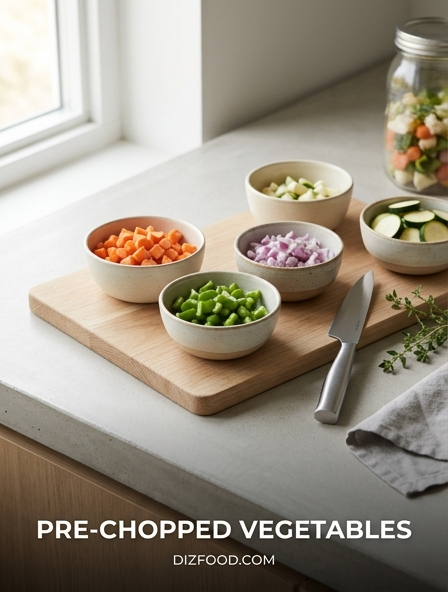
The Benefits of Pre-Cut Produce
The primary advantage of utilizing pre-cut vegetables in the modern kitchen is the significant reduction in preparation time. For individuals with demanding schedules, the barrier to healthy eating is often the labor-intensive process of washing, peeling, and chopping raw ingredients. Pre-cut options remove these hurdles, making it just as easy to toss a handful of diced carrots into a pot as it is to open a bag of processed snacks.
Beyond convenience, these products offer improved accessibility for those with physical limitations, such as arthritis or limited mobility, who might otherwise struggle with traditional knife work. By providing uniform pieces, pre-chopped vegetables also ensure consistent cooking times, which enhances the overall quality of the meal. Incorporating these items can lead to a more diverse diet, as consumers are more likely to purchase varieties they find difficult to prepare from scratch, such as butternut squash or fresh pineapple.
- Consistent portion control and sizing
- Increased consumption of dietary fiber
- Reduced risk of minor kitchen knife injuries
- Lower barrier to entry for novice home cooks
Streamlining Your Weeknight Meal Prep
Weeknight cooking is often a race against the clock. By integrating pre-prepared vegetables into your routine, you can transform a forty-minute recipe into a twenty-minute reality. The strategy involves building a "building block" approach where the foundational elements of a meal are already processed and ready for the heat. This eliminates the "decision fatigue" that often occurs when staring at a whole head of cauliflower or a bundle of unwashed leeks after a long workday.
To maximize this streamlining process, consider the following workflow to ensure your kitchen operations remain fluid and efficient:
- Identify high-effort vegetables like onions and squashes for pre-cut purchase.
- Group pre-cut ingredients by cooking time to prevent overcooking.
- Utilize "mirepoix" or "holy trinity" mixes to start bases immediately.
- Store pre-chopped items in clear containers at eye level in the refrigerator.
By focusing on assembly rather than extraction, the home cook can focus on seasoning and technique, leading to better-tasting results with far less mental and physical exhaustion.
Nutritional Value of Prepared Vegetables
A common concern regarding pre-cut produce is the potential for nutrient loss due to oxidation and surface area exposure. While it is true that some water-soluble vitamins, such as Vitamin C and certain B vitamins, may decrease slightly when a vegetable is sliced and stored, the nutritional difference is often negligible compared to the alternative of not eating vegetables at all. Modern packaging techniques, including modified atmosphere packaging, help maintain freshness and slow down the degradation of essential phytonutrients.
For most consumers, the nutritional benefits of consuming a high volume of pre-chopped vegetables far outweigh the marginal loss of vitamins. Many pre-cut options are processed shortly after harvest, locking in peak ripeness. When these vegetables are steamed or sautéed quickly, they retain the majority of their mineral content and fiber. The psychological shift from viewing preparation as a chore to viewing it as an assembly task often leads to a higher frequency of vegetable-centric meals, ultimately improving long-term health outcomes through consistent fiber and antioxidant intake.
Maximizing Efficiency in the Kitchen
Efficiency in the kitchen is not just about speed; it is about the optimization of workflow and the reduction of wasted movement. Pre-chopped vegetables act as a professional "mise en place," a culinary term meaning everything is in its place. When you remove the need for a cutting board and chef's knife for every single ingredient, you clear the way for parallel tasking. While the proteins are searing, the vegetables are ready to be added without a secondary cleanup phase during the cooking process.
| Task | Standard Time | Pre-Cut Time |
|---|---|---|
| Vegetable Stir-fry Prep | 15 Minutes | 0 Minutes |
| Butternut Squash Dicing | 10 Minutes | 0 Minutes |
| Mirepoix Preparation | 8 Minutes | 0 Minutes |
This table illustrates how specific high-labor tasks are essentially eliminated, allowing the cook to focus on pan temperature and flavor development. This mechanical efficiency reduces the total time spent in the kitchen, making home-cooked meals more competitive with takeout options.
Best Pre-Chopped Veggies for Quick Cooking
Not all pre-chopped vegetables are created equal; some hold up much better to storage and cooking than others. When selecting items at the grocery store, focus on hardy varieties that maintain their texture and flavor profile throughout their shelf life. These "workhorse" vegetables provide the best value for the convenience price point and are versatile enough to be used across various cuisines, from Asian-inspired stir-frys to classic French stews.
- Diced Onions: Saves time and avoids eye irritation during prep.
- Riced Cauliflower: A labor-intensive item to make at home that serves as a great grain substitute.
- Cubed Butternut Squash: Eliminates the difficulty of peeling and hacking through dense flesh.
- Shredded Cabbage: Perfect for instant slaws, salads, or adding bulk to soups.
- Broccoli Florets: Ready for roasting or steaming without the waste of the thick lower stalks.
Selecting these specific items ensures that you are getting the most "utility" out of the extra cost associated with pre-cut produce, focusing on the tasks that are most tedious or difficult to perform manually.
Reducing Kitchen Stress and Cleanup Time
The psychological impact of a messy kitchen can be a significant deterrent to cooking. Traditional vegetable preparation involves multiple tools: peelers, knives, large cutting boards, and scrap bowls for skins and stems. This creates a cascade of cleanup that often lasts longer than the actual eating experience. Pre-cut vegetables drastically simplify this landscape. By moving directly from the container to the pan, the "footprint" of the meal is confined to the cooking vessel and the plates themselves.
Furthermore, the reduction of organic waste on the countertop-such as onion skins, potato peels, and bell pepper seeds-keeps the workspace hygienic and visually organized. This creates a more relaxing environment, transforming cooking from a high-stress chore into a creative outlet. For many, the ability to cook a complex-looking meal while maintaining a clean kitchen is the key to maintaining a consistent home-cooking habit over several months or years. Less time at the sink translates to more time enjoying the meal and decompressing after a day's work.
Fresh vs Frozen Pre-Cut Options
Choosing between fresh and frozen pre-cut vegetables depends on the intended application and the desired texture. Fresh pre-cut vegetables are ideal for salads, quick stir-frys, or any dish where a crisp texture is paramount. However, they have a shorter shelf life and must be used within a few days of purchase. Frozen pre-cut vegetables are flash-frozen at the height of freshness, which often preserves more nutrients than fresh produce that has spent days in transit and on store shelves.
| Feature | Fresh Pre-Cut | Frozen Pre-Cut |
|---|---|---|
| Shelf Life | 3-5 Days | 8-12 Months |
| Texture | Crunchy/Firm | Softer/Malleable |
| Best Use | Salads, Sautéing | Soups, Stews, Smoothies |
While frozen vegetables are often more cost-effective and convenient for long-term planning, fresh pre-cuts offer a superior mouthfeel for high-heat cooking methods like roasting. Having a mix of both in your kitchen ensures that you are prepared for both immediate meals and emergency "back-up" dinners when the fridge is otherwise empty.
Budgeting for Convenience and Health
While pre-cut vegetables carry a higher price per pound than their whole counterparts, a comprehensive budget analysis should include "hidden" costs. When consumers buy whole vegetables, they often pay for weight that is ultimately discarded, such as heavy stalks, thick peels, or bruised outer leaves. Pre-chopped produce is usually 100% edible, meaning you are paying for usable yield. Additionally, the reduction in food waste is a major financial factor; many people buy whole vegetables with good intentions, only to throw them away when they can't find the time to prep them.
- Calculate the "cost per usable ounce" rather than "cost per pound."
- Account for the "opportunity cost" of the time saved in prep.
- Factor in the savings from reduced takeout frequency.
- Identify which items have the lowest "convenience markup."
By viewing pre-cut vegetables as a tool for "preventative budgeting," households can justify the slightly higher grocery bill by seeing a significant decrease in dining out and wasted raw ingredients that end up in the compost bin.
Fast Vegetable Based Dinner Ideas
With pre-chopped ingredients, the transition from kitchen entry to the dinner table can happen in under fifteen minutes. These ideas focus on high-heat and liquid-based cooking methods that utilize the uniform size of pre-cut produce to ensure even results. The following methods are designed to be flexible, allowing you to swap ingredients based on what is available in the "pre-cut" section of your local market.
- Sheet Pan Roast: Toss pre-cubed squash, broccoli florets, and sliced peppers in olive oil and roast at 400°F.
- Ten-Minute Stir-fry: Use a pre-packaged stir-fry mix with ginger and soy sauce over high heat.
- Express Garden Soup: Combine pre-diced mirepoix, canned beans, and vegetable broth; simmer until hot.
- Rainbow Grain Bowls: Top pre-cooked quinoa with raw shredded cabbage, carrots, and pre-washed spinach.
These recipes rely on the "assembly" mindset. Because the hardest part of the work-the knife skills-has been outsourced to the processor, the cook is free to experiment with different spice blends and sauces, creating variety without increasing the labor required for the meal.
Sustainable Meal Planning Strategies
Sustainability in the kitchen involves maximizing the utility of every purchase while minimizing environmental impact. While pre-cut vegetables often come in plastic packaging, they can play a role in a sustainable lifestyle by drastically reducing household food waste. When vegetables are pre-portioned, it is easier to cook exactly what is needed, preventing the "half-used onion" or "wilted celery" syndrome that leads to excessive landfill contributions. Many manufacturers are also shifting toward recyclable or compostable packaging to address the environmental footprint of convenience.
To balance convenience with sustainability, consumers can choose larger containers of pre-cut items and use them across multiple meals. For example, a large bag of shredded carrots can be used in a salad on Monday, a stir-fry on Wednesday, and a muffin recipe on Friday. This "cross-utilization" strategy ensures that the packaging-to-produce ratio is optimized. By focusing on eating more plants and wasting less of what we buy, we contribute to a more efficient food system that values both human time and natural resources.

Comments