
Transitioning to a plant-forward diet shouldn't feel like a chore, but choosing between vegetarian and vegan meal planning often leaves people wondering which strategy actually streamlines their daily routine. While vegetarianism offers a flexible bridge by including dairy and eggs, making it easier to navigate social dining and quick pantry fixes, a vegan approach provides a structured, cholesterol-free framework that eliminates ethical ambiguity. Whether you prioritize the convenience of familiar protein sources or the clean-slate simplicity of 100% plant-derived ingredients, understanding the logistical trade-offs is key to a sustainable lifestyle change. Both paths offer incredible health benefits, but the "best" approach is the one that minimizes your decision fatigue while fueling your body efficiently.
| Feature | Vegetarian Planning | Vegan Planning |
|---|---|---|
| Primary Proteins | Eggs, dairy, legumes, tofu, grains. | Legumes, tempeh, seitan, nuts, seeds. |
| Dining Convenience | High; widely available in most restaurants. | Moderate; requires menu vetting for hidden fats. |
| Nutritional Focus | Monitoring saturated fats from cheese/eggs. | Essential B12, Vitamin D, and Omega-3 intake. |
| Label Reading | Simple; primarily checking for meat broth/fat. | Intense; checking for whey, casein, honey, etc. |
| Kitchen Staples | Butter, milk, cheese, yogurt, produce. | Nut milks, nutritional yeast, flax, legumes. |
| Budget Efficiency | Moderate; dairy/eggs can fluctuate in price. | High; bulk grains and beans reduce total cost. |
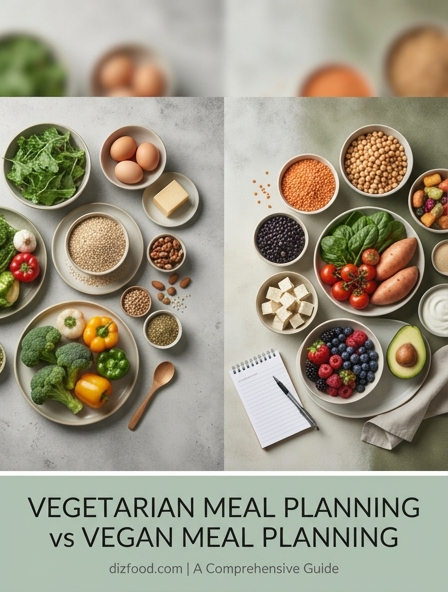
Vegetarian vs Vegan Meal Planning Key Differences
The primary distinction between vegetarian and vegan meal planning lies in the inclusion or exclusion of animal-derived products beyond meat. Vegetarian meal planning typically follows a lacto-ovo approach, meaning the kitchen inventory includes eggs, milk, cheese, and yogurt. This provides a wider safety net for protein and calcium intake, as these ingredients are often used as primary binders or flavor enhancers in recipes. Planning for a vegetarian kitchen involves stocking various cheeses for gratins and eggs for quick scrambles or baking, making the transition from a traditional omnivorous diet relatively seamless.
Vegan meal planning, conversely, requires a stricter audit of all ingredients to ensure no animal by-products are present. This extends to honey, gelatin, and even certain sugars processed with bone char. The vegan kitchen must rely entirely on plant-based fats and proteins, which often necessitates more strategic preparation. For instance, while a vegetarian might rely on a Greek yogurt dressing, a vegan must prepare a tahini or cashew-based alternative. The logistical differences are summarized below:
- Dairy: Vegetarians use cow's milk and cheese; vegans use nut, soy, or oat-based alternatives.
- Binders: Vegetarians use eggs in baking; vegans use flaxseeds, chia seeds, or aquafaba.
- Flavoring: Vegetarians may use butter and honey; vegans substitute with coconut oil, maple syrup, or agave.
- Protein Core: Vegetarians often center meals around eggs or halloumi; vegans focus on legumes, tofu, and tempeh.
Essential Nutrients for Vegetarian and Vegan Diets
Ensuring nutritional adequacy is a cornerstone of plant-based meal planning. Both diets share common areas of focus, such as dietary fiber and antioxidants, but they diverge in how they address specific micro-nutrients. In a vegetarian kitchen, Vitamin B12 and Calcium are often naturally present through dairy and eggs. However, in a vegan household, these must be intentionally sourced through fortified foods or specific plant varieties to prevent deficiencies. Iron and Zinc also require careful planning, as the non-heme iron found in plants is less easily absorbed than the heme iron found in animal products.
To maximize nutrient absorption, meal planners must understand food synergy. For example, consuming Vitamin C-rich foods like bell peppers alongside iron-rich lentils can significantly boost iron uptake. The following table highlights key nutrients and their typical sources in both meal plans:
| Nutrient | Vegetarian Sources | Vegan Sources |
|---|---|---|
| Vitamin B12 | Eggs, Milk, Fortified Cereals | Nutritional Yeast, Fortified Milks |
| Calcium | Cheese, Yogurt, Broccoli | Tofu (calcium-set), Kale, Almonds |
| Omega-3s | Enriched Eggs, Walnuts | Flaxseeds, Chia Seeds, Algal Oil |
| Iron | Spinach, Beans, Whole Grains | Lentils, Molasses, Pumpkin Seeds |
Protein Sources for Plant Based Meal Prep
One of the most frequent questions regarding meatless meal planning is how to achieve adequate protein intake. In the kitchen, this involves moving beyond the "meat as the center of the plate" mentality and embracing a variety of plant-based proteins that can be prepared in bulk. For vegetarians, eggs are a versatile and inexpensive protein source that can be hard-boiled for snacks or poached for main dishes. Cottage cheese and Greek yogurt also provide high-density protein options for breakfasts and sauces.
Vegan protein sourcing requires a more diverse approach to ensure a complete amino acid profile throughout the day. While most plants contain some protein, combining different sources is a traditional way to ensure satiety and muscle repair. Many vegan meal preppers focus on "staple" proteins that can be marinated and cooked in large batches. Common plant-based protein sources include:
- Legumes: Chickpeas, black beans, kidney beans, and lentils.
- Soy Products: Extra-firm tofu, tempeh, and edamame.
- Grains: Quinoa, farro, and buckwheat (which are complete proteins).
- Seitan: A high-protein wheat gluten that mimics the texture of meat.
- Nuts and Seeds: Hemp hearts, pumpkin seeds, and peanut butter for supplementary protein.
Grocery Shopping for Vegetarian versus Vegan Plans
A successful grocery trip for a meatless kitchen starts with the perimeter of the store, where fresh produce is located. For both vegetarians and vegans, the produce section is the primary source of volume and nutrition. However, the shopping list begins to diverge significantly once you enter the refrigerated and pantry aisles. A vegetarian shopper will spend time in the dairy case, selecting various cheeses, butter, and creams. These items are often processed less than their vegan counterparts, making them easier to find in standard grocery stores.
Vegan grocery shopping requires more intensive label reading and a visit to specialty aisles. Items like nutritional yeast, liquid aminos, and various nut butters are essential for creating depth of flavor without animal fats. Bulk bins are a vegan shopper's best friend, offering cost-effective ways to stock up on grains, dried beans, and seeds. When navigating the store, consider these categories:
- Produce: Focus on seasonal greens, tubers, and cruciferous vegetables.
- Refrigerated: Vegetarians look for organic dairy; vegans look for probiotic-rich fermented tofu or plant-based butter.
- Frozen: Both benefit from frozen fruits for smoothies and peas or corn for quick additions to meals.
- Pantry: Stock up on vinegars, oils, dried spices, and canned coconut milk to build complex flavors.
Comparing Costs of Vegetarian and Vegan Eating
The cost of plant-based meal planning is highly dependent on the ratio of whole foods to processed alternatives. Generally, a whole-food, plant-based diet is significantly cheaper than a meat-heavy diet, as grains and legumes are among the most affordable items in the kitchen. For vegetarians, the cost is often stabilized by the relatively low price of eggs and bulk dairy. However, high-quality artisanal cheeses or organic milk can quickly inflate a weekly grocery budget. Because vegetarians can use these items for flavor, they may spend less on expensive spices or condiments.
Veganism is often perceived as more expensive, largely due to the "vegan tax" on specialty items like almond-based cheeses, vegan meats, and high-end milk alternatives. However, a budget-conscious vegan can keep costs extremely low by focusing on scratch cooking. Buying dried beans instead of canned, making nut milk at home, and utilizing seasonal vegetables are effective ways to reduce expenses. When comparing the two, vegetarians often save money on convenience, while vegans save money by avoiding the dairy industry entirely, provided they stick to minimally processed ingredients.
To keep costs down in any meatless kitchen, consider these strategies:
- Buy grains like rice and oats in 10-pound bags.
- Choose frozen vegetables over fresh when they are out of season.
- Make your own sauces and dressings instead of buying bottled versions.
- Join a local CSA (Community Supported Agriculture) for discounted produce.
Dairy and Egg Substitutes in Vegan Meal Planning
Transitioning to vegan meal planning requires mastering the art of substitution. In a kitchen where eggs and dairy are standard, they serve as emulsifiers, binders, and leavening agents. Replacing them is not just about flavor but about food science. For example, in baking, the protein in egg whites provides structure. To replicate this, vegans use "flax eggs"-a mixture of ground flaxseeds and water that becomes gelatinous. Another popular substitute is aquafaba, the liquid found in canned chickpeas, which can be whipped into a meringue-like consistency.
Dairy substitutes have evolved significantly, offering a wide range of textures for different culinary needs. For a creamy texture in soups or sauces, full-fat canned coconut milk or soaked and blended cashews are the gold standard. For a salty, cheesy hit, nutritional yeast is a staple pantry item that provides a nutty, savory flavor profile. Many vegan meal plans also incorporate fermented nut cheeses made from almonds or cashews to mimic the tang of traditional dairy cheese. Understanding which substitute to use depends on the desired outcome of the dish, whether it is for melting, binding, or adding richness.
Weekly Meal Prep Strategies for Meatless Diets
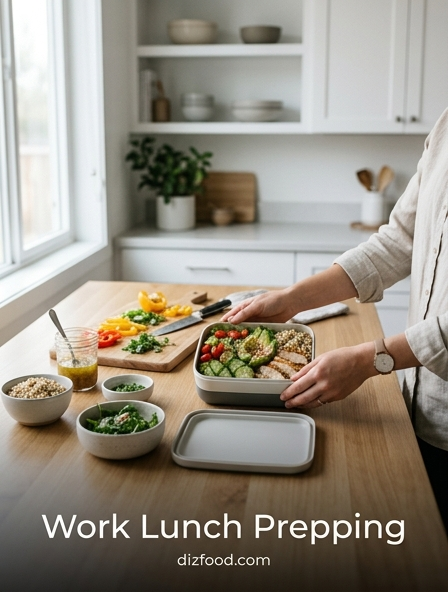
Efficiency in the kitchen is vital for maintaining a meatless lifestyle, especially when working with raw ingredients like dry beans and whole vegetables. A successful weekly strategy often involves a "component-based" approach rather than prepping full meals. This means cooking large batches of base ingredients that can be mixed and matched. For instance, roasting three trays of seasonal vegetables, boiling a large pot of quinoa, and simmering a batch of spicy black beans allows for the quick assembly of grain bowls, tacos, or salads throughout the week.
Safety and storage are also key components of prep. Since plant-based proteins like tofu and cooked legumes have different shelf lives than meat, it is important to label containers with dates. Vegetarians can prep hard-boiled eggs or pre-shred cheese to save time during the morning rush. Vegans might spend their prep time blending a variety of "mother sauces," such as a lemon-tahini dressing or a vegan pesto, which can revitalize leftovers. Utilizing tools like an Instant Pot for quick bean cooking or a high-speed blender for nut creams can cut kitchen time in half, making the meal plan more sustainable long-term.
Hidden Non-Vegan Ingredients to Avoid
One of the steepest learning curves in vegan meal planning is identifying hidden animal-derived ingredients that often appear in vegetarian-friendly products. Many foods that seem plant-based at first glance contain additives derived from insects, bones, or dairy derivatives. For example, many red-colored candies or juices use carmine, a dye made from crushed beetles. Similarly, many brands of white sugar are filtered through bone char to achieve their bright white color, leading some strict vegans to opt for organic or beet sugar instead.
In the kitchen, "natural flavors" can be a vague term that hides animal products. It is essential to scan labels for ingredients like casein or whey (milk proteins), gelatin (derived from collagen), and L-cysteine (often derived from feathers or hair). Even the honey found in many whole-grain breads is a point of contention and is generally excluded from vegan plans. Common hidden ingredients include:
- Isinglass: A clearing agent used in some beers and wines derived from fish bladders.
- Vitamin D3: Often sourced from lanolin (sheep's wool) in fortified cereals.
- Confectioner's Glaze: Also known as shellac, derived from lac bugs.
- Rennet: An enzyme used in cheesemaking that can be animal-derived, though many modern cheeses use microbial rennet.
Health Benefits of Vegetarian and Vegan Lifestyles
Both vegetarian and vegan diets are associated with a myriad of health benefits, primarily due to the high intake of nutrient-dense plant foods. Research consistently shows that individuals following these meal plans often have lower body mass indices (BMI), reduced blood pressure, and a lower risk of chronic diseases such as Type 2 diabetes and certain types of cancer. The high fiber content of a plant-centric kitchen promotes a healthy gut microbiome and aids in digestion, while the abundance of phytochemicals helps combat oxidative stress and inflammation.
While both diets offer these advantages, the vegan diet specifically tends to be lower in saturated fats because it eliminates butter and high-fat cheeses. This can lead to even lower LDL cholesterol levels compared to a vegetarian diet. However, the healthfulness of either plan depends on the quality of food choices; a "junk food vegan" diet high in processed sugars and fried foods will not yield the same benefits as a whole-food approach. By focusing on a rainbow of vegetables, healthy fats like avocados, and complex carbohydrates, meal planners can ensure they are maximizing the therapeutic potential of their kitchen habits.
Transitioning from Vegetarian to Vegan Meal Prep
Moving from a vegetarian to a vegan meal plan is a process of refinement and substitution rather than a total overhaul. For those already comfortable with meatless cooking, the primary challenge is replacing the convenience of eggs and dairy. A practical approach is to transition one meal at a time. Start by finding a plant-based milk for your morning coffee or cereal, then move on to replacing the cheese in your dinner recipes. Gradually introducing these changes allows the palate to adjust to different textures and flavors without feeling deprived.
The pantry must also evolve during this transition. A vegetarian pantry might hold condensed milk and honey, whereas a vegan pantry will prioritize agave nectar, nutritional yeast, and various nut milks. Learning to cook with umami-rich plant ingredients like miso paste, soy sauce, and sun-dried tomatoes can help satisfy the savory cravings that cheese used to fulfill. Finally, it is helpful to explore international cuisines that are naturally vegan or easily adapted, such as Indian lentil dahl or Ethiopian vegetable stews. This shifts the focus from what is being "removed" to the exciting new flavors being added to the kitchen repertoire.

Comments