
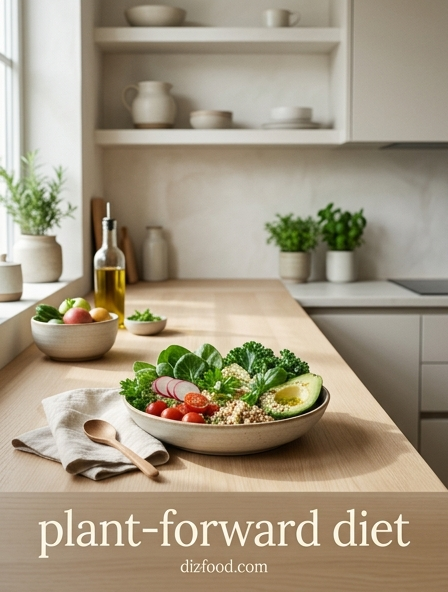
Embracing a plant-forward diet is a transformative step toward personal vitality and environmental stewardship. By centering your plate around nutrient-dense legumes, grains, and fresh produce, you provide your body with the essential fiber and antioxidants needed to thrive while significantly lowering your ecological footprint. This sustainable approach isn't about total elimination but rather celebrating wholesome ingredients that reduce chronic illness risk and boost daily energy. As you transition, finding the right organizational strategy is essential for long-term success. To find your ideal balance, compare the nuances of Vegetarian Meal Planning Vs Vegan Meal Planning to see which strategy aligns best with your wellness goals.
Nutritional Benefits of Whole Plant Foods
Transitioning toward a plant-forward kitchen centers the diet on whole, minimally processed ingredients like legumes, tubers, and cruciferous vegetables. These foods are naturally dense in essential micronutrients and dietary fiber, which are often lacking in standard modern diets. Unlike refined products, whole plants provide a complex matrix of phytonutrients, including flavonoids and carotenoids, which act as powerful antioxidants. These compounds help neutralize oxidative stress and support cellular repair across the body.
The synergy of vitamins and minerals found in a plant-heavy pantry facilitates better digestion and metabolic health. For instance, the high potassium content in many vegetables helps regulate blood pressure, while the diverse fiber profiles promote a flourishing gut microbiome. Incorporating a variety of colors ensures a wide spectrum of health-protective agents.
| Nutrient Category | Primary Plant Sources | Health Function |
|---|---|---|
| Soluble Fiber | Oats, beans, apples | Cholesterol management |
| Omega-3 Fats | Chia seeds, walnuts | Brain and heart health |
| Iron | Lentils, spinach | Oxygen transport |
Reducing Carbon Footprints Through Diet
The kitchen is a primary site for environmental stewardship, where food choices directly influence global carbon emissions. Conventional animal-based agriculture is a significant driver of greenhouse gas production, requiring intensive inputs of land, water, and fuel. By prioritizing plant proteins such as lentils, chickpeas, and soy, individuals can drastically reduce the carbon intensity of their daily meals. Research consistently shows that plant-derived foods have a fraction of the emissions profile compared to beef or dairy, making diet one of the most effective personal levers for climate action.
Beyond direct emissions, a plant-forward approach reduces the demand for deforestation often associated with feed-crop expansion. In the kitchen, this looks like substituting local seasonal vegetables for imported meat products. Every meal that replaces animal protein with a plant alternative contributes to a cumulative reduction in the methane and carbon dioxide released into the atmosphere, supporting a more sustainable global food system that can operate within planetary boundaries.
Essential Kitchen Staples for Plant-Forward Cooking
A functional plant-forward kitchen relies on a well-stocked pantry that serves as the foundation for diverse and nutritious meals. Having these items on hand reduces the reliance on convenience foods and allows for spontaneous, healthful cooking. The focus should be on versatile, shelf-stable ingredients that provide protein, healthy fats, and complex carbohydrates. By organizing the kitchen around these staples, one can easily assemble balanced bowls, stews, or salads without frequent trips to the market.
- Legumes: Dried or canned chickpeas, black beans, red lentils, and green peas for protein.
- Whole Grains: Quinoa, farro, brown rice, and steel-cut oats for sustained energy and fiber.
- Nuts and Seeds: Flaxseeds, pumpkin seeds, almonds, and tahini for healthy fats and texture.
- Aromatics and Spices: Garlic, onions, turmeric, and cumin to enhance flavor without excess sodium.
- Vinegars and Ferments: Apple cider vinegar, miso paste, and tamari for umami and gut health.
Maintaining these essentials ensures that the "plant-forward" philosophy is practical and sustainable, allowing for a creative culinary environment where vegetables are always the star of the plate.
Strategic Meal Planning for Longevity
Adopting a plant-forward diet is not merely about immediate health but about fostering longevity through consistent nutritional patterns. Strategic meal planning ensures that the body receives a steady supply of anti-inflammatory compounds and essential nutrients over decades. By focusing on "Blue Zone" inspired ingredients-such as beans, nuts, and greens-meal prep becomes a tool for extending healthspan. This involves looking at the week ahead and ensuring a diversity of plant families are represented, which supports immune resilience and cognitive function as one ages.
- Assess the current pantry to minimize waste and maximize the use of existing whole grains.
- Batch-cook versatile proteins like braised lentils or baked tofu to use across multiple recipes.
- Pre-wash and chop hardy greens and cruciferous vegetables to lower the barrier for healthy snacking.
- Incorporate daily servings of berries and nuts, which are linked to neuroprotective benefits.
- Rotate seasonal produce to ensure a wide variety of antioxidants and trace minerals.
This structured approach reduces the cognitive load of daily decision-making, making it easier to stick to a lifestyle that promotes long-term vitality and disease prevention.
Environmental Impact of Plant Centered Eating
The environmental repercussions of food production extend far beyond carbon emissions, touching on biodiversity and soil integrity. A plant-centered diet requires significantly less land than a meat-centric one, as it bypasses the inefficient process of converting plant calories into animal calories. This reduction in land use allows for the preservation of natural habitats and the protection of endangered species. Furthermore, plant-based farming often utilizes crop rotation and cover cropping, which can improve soil health and increase carbon sequestration in the earth.
Water scarcity is another critical issue addressed through plant-forward choices. The production of pulses and vegetables generally requires a small fraction of the water needed for livestock. By consuming lower on the food chain, individuals alleviate the pressure on freshwater ecosystems. In the kitchen, selecting organic or locally grown produce further enhances this positive impact by reducing the chemical runoff associated with industrial agriculture. Ultimately, every plant-based meal acts as a vote for a more resilient and ecologically balanced world.
Lowering Chronic Disease Risk With Plants
Clinical evidence strongly suggests that a diet rich in whole plant foods is a potent defense against chronic illnesses. High intake of fiber-rich vegetables and fruits is linked to lower levels of LDL cholesterol and improved insulin sensitivity. The absence of heme iron and the lower saturated fat content in plant proteins reduce the risk of cardiovascular diseases and certain metabolic disorders. By replacing processed meats with legumes and soy, individuals can significantly lower systemic inflammation, which is a root cause of many age-related ailments.
| Condition | Protective Plant Group | Mechanism |
|---|---|---|
| Type 2 Diabetes | Whole Grains & Legumes | Improved glycemic control |
| Hypertension | Leafy Greens & Berries | Vasodilation and nitric oxide boost |
| Heart Disease | Nuts & Seeds | Healthy lipid profile regulation |
Beyond these specific conditions, the abundance of phytochemicals found in a plant-forward kitchen supports the body's natural detoxification pathways and immune surveillance, creating a robust internal environment resistant to chronic degradation.
Cost Effective Plant Based Meal Prep
A common misconception is that a plant-forward diet is prohibitively expensive. In reality, the most fundamental plant foods-grains, beans, and seasonal produce-are often the most affordable items in the grocery store. Cost-effective meal prep begins with bulk purchasing and utilizing the freezer to preserve nutrient-dense ingredients. By shifting the focus from expensive meat substitutes to basic whole foods, a household can significantly reduce its monthly grocery expenditure while simultaneously improving the nutritional quality of its meals.
- Buy in Bulk: Purchase dry beans, lentils, and grains in large quantities to lower the price per serving.
- Seasonal Shopping: Choose fruits and vegetables that are currently in season for the best price and flavor.
- Minimize Waste: Use vegetable scraps to create homemade stocks and freeze overripe fruit for smoothies.
- DIY Basics: Make your own hummus, nut milks, and dressings rather than buying packaged versions.
Implementing these habits transforms the kitchen into a space of efficiency. Preparing large batches of base ingredients on the weekend ensures that healthy, inexpensive options are always available, preventing the need for costly takeout.
Maximizing Flavor With Sustainable Ingredients
A plant-forward kitchen does not sacrifice taste; instead, it explores a broader palette of flavors and textures. The key to maximizing flavor lies in mastering techniques that enhance the natural sugars and umami qualities of vegetables. Roasting at high temperatures, for example, caramelizes the exterior of root vegetables, while fermentation introduces complex acidic notes that brighten a dish. Sustainable ingredients, often sourced locally, tend to have superior flavor profiles because they are harvested at peak ripeness rather than being bred for long-distance transport.
Using herbs and spices strategically can replace the heavy fats and salts often used in traditional cooking. Fresh herbs like cilantro, parsley, and basil add vibrancy, while toasted spices provide depth and warmth. Additionally, incorporating umami-rich plant sources such as sun-dried tomatoes, nutritional yeast, and mushrooms creates a satisfying "savory" experience that rivals meat-based dishes. By focusing on these culinary foundations, sustainable eating becomes an indulgent and highly rewarding experience that appeals to all the senses, ensuring long-term adherence to the diet.
Conserving Natural Resources in the Kitchen
Sustainability in a plant-forward lifestyle extends to how resources are managed during the cooking process. Conserving water and energy is just as vital as the food choices themselves. Simple adjustments, such as using a lid while boiling water or soaking beans overnight to reduce cooking time, significantly lower the energy footprint of the kitchen. Furthermore, mindful water usage-like washing vegetables in a basin rather than under a running tap-protects local water supplies. These small actions, when performed daily, contribute to a more holistic approach to environmental responsibility.
Energy-efficient appliances and proper maintenance also play a role. However, the most immediate impact comes from reducing food waste. In a plant-forward kitchen, nearly every part of the plant can be utilized. Stems of greens can be sautéed, and peels can be composted to return nutrients to the soil. By viewing the kitchen as a closed-loop system, we minimize the extraction of natural resources and reduce the amount of waste sent to landfills, aligning our culinary habits with the cycles of nature.
Building Lasting Plant Forward Eating Habits
Creating a permanent shift toward a plant-forward lifestyle requires a psychological and practical strategy. It is rarely effective to change everything overnight; instead, building habits incrementally leads to greater success. This transition involves reframing the plate so that meat becomes a garnish or a side dish rather than the centerpiece. By focusing on "crowding out" less healthy options with delicious plant-based alternatives, the transition feels like an addition of new flavors rather than a restriction of old favorites.
- Start with "Meatless Mondays" to normalize plant-based dinners once a week.
- Find three go-to plant-based recipes that are easy to cook and satisfying.
- Connect with a community or find a "plant-forward" partner for mutual accountability.
- Learn to read labels to identify hidden animal products and unnecessary additives.
- Celebrate progress rather than striving for perfection, allowing for flexibility.
Over time, these small actions rewire the palate and the routine. As the benefits of increased energy and improved health become apparent, the plant-forward way of eating becomes a self-sustaining habit that feels natural and effortless.





Comments