
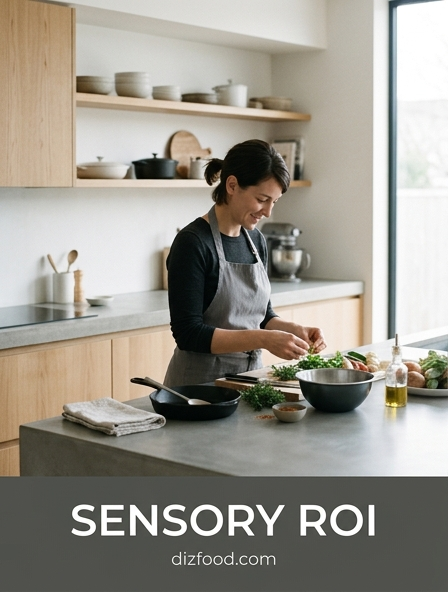
Defining Sensory ROI in the Modern Kitchen
Sensory Return on Investment (ROI) is a culinary framework that prioritizes the allocation of resources toward ingredients and techniques that yield the highest impact on the human senses. In a modern kitchen, this translates to balancing budget-friendly staples with strategic "high-yield" luxury items. The goal is to maximize the perceived value of a meal through specific triggers in taste, smell, and texture. By understanding which components of a dish provide the most significant neurological satisfaction, home cooks can create gourmet experiences without a proportional increase in expenditure.
- Olfactory Impact: Utilizing aromatics that permeate the space to build anticipation.
- Tactile Variation: Introducing contrasting textures to prevent sensory adaptation.
- Visual Integrity: Enhancing the aesthetic presentation to increase perceived flavor intensity.
- Gustatory Depth: Focusing on umami and acidity to prolong the finish of a dish.
True sensory ROI is achieved when a small financial investment in a premium ingredient, such as a single high-quality spice or a specific finishing fat, fundamentally alters the character of an otherwise inexpensive base, such as legumes or grains. This approach ensures that every dollar spent translates directly into a more memorable and satisfying dining experience.
Strategic Pairing of Bulk Grains and Infused Oils
Bulk grains like white rice, quinoa, and farro serve as the foundational canvas for cost-effective meal planning. While nutritionally dense, their sensory profile is often muted. To maximize the ROI of these pantry staples, the strategic application of infused oils is paramount. These oils act as concentrated flavor carriers, delivering complex aromatic compounds that would otherwise require hours of simmering or expensive fresh herbs to achieve.
| Grain Base | Infused Oil Pairing | Sensory Outcome |
|---|---|---|
| Basmati Rice | Toasted Sesame Oil | Nutty depth and silken mouthfeel. |
| Pearl Barley | White Truffle Oil | Earthy, fungal notes with a luxury finish. |
| Quinoa | Chili-Garlic Oil | High-impact heat and savory pungency. |
| Polenta | Rosemary-Infused Olive Oil | Piney aromatics and enhanced creaminess. |
The efficiency of this pairing lies in the concentration of the oils; a single teaspoon can transform a quart of grain. This technique ensures that the moisture content of the grain is preserved while adding a lingering, fat-soluble flavor profile that coats the palate, effectively raising the dish's sensory status from utilitarian to intentional.
Transforming Legumes with Aged Cheeses and Charcuterie
Legumes are often viewed as a "low-end" protein source, yet they possess a unique porosity that makes them ideal for absorbing the intense flavors of aged fats and proteins. By incorporating small amounts of high-impact additions like Parmigiano-Reggiano rinds or rendered pancetta, the sensory profile of beans and lentils is radically elevated. This is a prime example of sensory ROI, where the cost of a few grams of premium protein is amortized over a large volume of fiber-rich pulses.
- Simmering with Rinds: Adding cheese rinds to the cooking liquid releases glutamates, creating a rich, savory broth.
- The Fat Render: Starting a lentil stew with a small amount of guanciale or chorizo provides a smoky base that permeates every bite.
- Micro-Plating Accents: Shaving aged Manchego over a chickpea salad adds a sharp, crystalline texture that contrasts with the soft legume.
This method focuses on the "background" flavor profile. The aging process of the cheese and charcuterie concentrates the umami, meaning you need very little to achieve a profound effect. This transformation moves the dish away from the "survival food" category and into the realm of rustic, high-concept Mediterranean or European cuisine, satisfying the appetite both physically and hedonically.
The Science of Flavor Layering for Budget Meals
Flavor layering is a systematic approach to building complexity by addressing different taste receptors at various stages of the cooking process. In budget-conscious cooking, this technique prevents a dish from tasting "flat." The ROI here is found in the time and sequence of ingredient application rather than just the cost of the ingredients themselves. By layering salt, acid, and heat, you ensure that the palate is continuously engaged throughout the meal.
- The Bottom Layer: Searing aromatics (onions, carrots, celery) to develop Maillard reaction products.
- The Middle Layer: Adding dried herbs and spices during the fat-hot phase to bloom their essential oils.
- The Top Layer: Finishing with a bright acid, such as lemon juice or vinegar, to "wake up" the heavier flavors.
Scientific studies on taste perception suggest that variety in flavor signals prevents "sensory-specific satiety," the phenomenon where the brain tires of a single taste. By layering flavors, you ensure that each bite feels new and exciting. This makes simpler, repetitive meals-like a weekly vegetable stew-feel like a fresh experience every time, maximizing the emotional and sensory utility of basic pantry items.
Enhancing Mouthfeel with Premium Emulsifiers
Mouthfeel is arguably the most overlooked aspect of sensory ROI. It refers to the physical sensations produced by a particular food in the mouth, ranging from creaminess to crunch. Inexpensive soups, sauces, and dressings can be transformed into high-end emulsions through the use of premium emulsifiers and stabilizers. These substances work at a molecular level to bind fats and liquids, creating a luxurious, velvet-like texture that the brain associates with high-fat, high-cost foods.
- Cold-Pressed Oils: Emulsifying a vinaigrette with high-quality mustard and raw honey.
- Egg Yolks: Utilizing pasture-raised yolks to create a rich, golden carbonara or aioli.
- Grass-Fed Butter: Finishing a sauce with a "monte au beurre" technique for a glossy, thick sheen.
- Nut Butters: Swirling a spoonful of cashew butter into a vegetable curry for instant thickness and fat-soluble flavor transport.
By focusing on the viscosity and smoothness of a dish, you trigger the "creamy" receptors on the tongue, which are strongly linked to feelings of indulgence and satisfaction. The ROI is high because these emulsifiers are used in minute quantities but drastically alter the structural integrity and perceived quality of the final preparation.
Aromatic Upgrades for Shelf Stable Pantry Staples
Shelf-stable items such as canned tomatoes, dried pastas, and tinned fish are kitchen essentials, but they often lack the "volatile" aromatic compounds found in fresh produce. To extract the highest sensory ROI from these items, one must reintroduce these aromatics through specific techniques. The olfactory system contributes up to 80% of what we perceive as flavor; therefore, focusing on the scent of pantry meals is the fastest way to increase their value.
| Pantry Item | Aromatic Technique | Resulting Aroma |
|---|---|---|
| Canned Beans | Blooming dried cumin and oregano in hot oil. | Earthiness and pungent spice. |
| Dried Pasta | Toasting raw noodles in a dry pan before boiling. | Nutty, bread-like fragrance. |
| Tinned Sardines | Adding fresh lemon zest and cracked black pepper. | Bright, citrusy top notes that mask "tin" scents. |
| Canned Soup | Stirring in a teaspoon of dry sherry or vermouth. | Complex, fermented floral notes. |
These interventions cost pennies but provide an immediate "lift" to the dish. By addressing the lack of fresh volatiles, you deceive the senses into believing the ingredients are much newer and higher in quality than their shelf-life would suggest.
Maximizing Visual Appeal Through Color and Contrast
The first stage of sensory ROI occurs before the food even touches the tongue. Visual appeal dictates the eater's expectations and can even alter the perceived sweetness or saltiness of a dish. For budget meals, which can often look monochromatic (browns and beiges of grains and meats), the introduction of high-contrast colors is an essential strategy. This does not require expensive edible gold leaf; rather, it relies on the thoughtful application of vibrant, low-cost garnishes.
- Chlorophyll Pop: Using the tops of carrots or radish greens instead of buying expensive herbs.
- Acidic Brightness: Pickling red onions in vinegar to provide a neon pink contrast to dark stews.
- Textural Dusting: Using smoked paprika or turmeric to add a wash of color to white rice or potatoes.
- Geometry: Slicing vegetables in non-standard ways (matchsticks or ribbons) to create visual interest.
Visual contrast signals freshness and nutritional diversity to the brain. When a plate looks vibrant, the "sensory expectation" is raised, leading to a more engaged and satisfied dining experience. This is a zero-cost or low-cost way to ensure the meal feels like an event rather than a chore.
Selecting High Impact Accents for Maximum Umami
Umami, the fifth taste, is the secret weapon of sensory ROI. It provides a savory "meatiness" that lingers on the palate, making even vegetarian dishes feel substantial. Instead of buying large quantities of expensive meat, the smart cook invests in high-impact umami accents. These ingredients are often fermented or aged, meaning they are shelf-stable and can be used in tiny increments over many months.
- Miso Paste: A tablespoon added to a pan sauce or soup provides a deep, fermented salty-sweetness.
- Fish Sauce: Used in place of salt in stews or Bolognese, it disappears into the background but leaves a massive savory footprint.
- Dried Mushrooms: Grinding dried porcini into a powder allows you to add "steak-like" depth to any vegetable dish.
- Anchovy Paste: Dissolving into hot oil, it provides a base layer of complexity without a fishy aftertaste.
The cost-per-serving of these items is incredibly low, yet their ability to satisfy the protein-craving receptors in the brain is immense. By focusing on these concentrated sources of glutamates, you can reduce meat consumption while increasing the overall "deliciousness" factor of your kitchen output.
Sustainable Meal Planning with Gourmet Flourishes
Sustainability in the kitchen is often associated with sacrifice, but from a sensory ROI perspective, it is an opportunity for innovation. Utilizing "scraps" to create gourmet flourishes is the ultimate expression of value. For example, the ends of a fennel bulb, the stems of parsley, or the zest of a juiced lime contain concentrated oils and flavors that are usually discarded. Transforming these into oils, salts, or powders adds a "chef-level" finish to everyday meals.
- Dehydrated Peels: Drying citrus peels and grinding them with salt for a custom finishing seasoning.
- Herb Stem Pestos: Blending woody herb stems with sunflower seeds and oil for a vibrant, textural sauce.
- Vegetable Stock Reductions: Boiling down scraps to a syrupy glaze that adds intense body to sauces.
This approach maximizes the "bio-availability" of flavor in your kitchen. Every part of the ingredient is squeezed for its sensory potential. By treating sustainable practices as a search for hidden flavor, you reduce waste while simultaneously populating your pantry with unique, high-impact condiments that cannot be bought in a store, further elevating your culinary ROI.
The Cost Benefit of Premium Finishing Salts and Spices
The final touch of a meal often provides the most significant sensory impact. Investing in premium finishing salts (like Maldon sea salt) or high-grade spices (like Tellicherry peppercorns or smoked pimentón) offers an unparalleled cost-benefit ratio. While a box of flake salt may cost five times more than table salt, it is used only at the very end of the process, meaning the box can last for a year or more.
| Premium Accentuator | Usage Rate | Sensory ROI |
|---|---|---|
| Flake Sea Salt | Pinch per plate | Crunchy texture and bursts of salinity. |
| Smoked Paprika | 1/4 tsp per pot | Deep, wood-fired aroma and rich red hue. |
| Whole Nutmeg | Micro-grating | Floral, warming aromatics in creamy dishes. |
| Saffron Threads | 2-3 threads | Iconic golden color and medicinal-sweet scent. |
These ingredients act as the "signature" on a painting. They are the first things the tongue and nose encounter. By spending slightly more on the finishing elements, you distract from the economy of the base ingredients. This strategic spending ensures that the final impression of the meal is one of luxury and care, cementing the success of the sensory ROI strategy.

Comments