
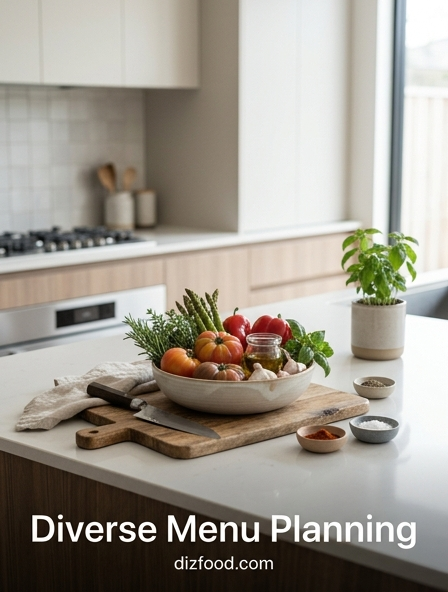
The Hidden Price of Culinary Variety
While a diverse weekly menu provides sensory excitement and prevents palate fatigue, it introduces a significant layer of logistical complexity that often goes overlooked. The primary challenge lies in the fragmentation of resources. When a household shifts from a few core cuisines to a global rotation, the fundamental structure of the kitchen budget must adapt to accommodate specialized seasonings, varied protein sources, and niche produce. This variety creates a ripple effect, where the pursuit of new flavors necessitates a higher frequency of shopping trips and a more intricate understanding of disparate cooking techniques.
- Increased transaction costs from visiting multiple specialty grocers.
- Loss of efficiency due to unfamiliar preparation methods.
- Potential for high-cost "single-use" ingredients that remain stagnant.
- Difficulty in mastering any single dish due to lack of repetition.
Ultimately, the desire for a diverse plate requires a trade-off in both time and financial predictability. Every new recipe added to the rotation demands its own set of precursors, many of which do not overlap with other regional cooking styles. This lack of ingredient cross-pollination means that the kitchen operates at a lower level of economic efficiency compared to a more streamlined, specialized approach to meal planning.
Inventory Bloat and Specialty Ingredient Waste
Maintaining a kitchen capable of producing everything from Thai curries to French sauces leads to a phenomenon known as inventory bloat. This occurs when the pantry becomes a graveyard of half-used bottles and packets. A recipe might call for a tablespoon of pomegranate molasses or a specific fermented bean paste, leaving the remainder of the container to occupy valuable shelf space for months. This clutter obscures visibility, making it difficult to track what is actually available, often leading to redundant purchases of staples like salt or oil.
| Ingredient Type | Usage Pattern | Waste Risk |
|---|---|---|
| Specialty Pastes | Occasional | High (Dehydration) |
| Unique Spices | Rare | Medium (Loss of potency) |
| Fresh Herbs | Immediate | Very High (Wilting) |
| Gourmet Oils | Infrequent | High (Rancidity) |
The accumulation of these items represents "frozen capital"-money spent on goods that are not being consumed. Without a rigorous system for inventory management, the cost of diverse menu planning rises significantly. The physical volume of items also creates a chaotic environment where finding the necessary tools or ingredients becomes a time-consuming chore, further complicating the cooking process.
The Mental Load of Constant Recipe Rotation
The cognitive effort required to plan and execute a constantly changing menu is a form of labor that is rarely quantified. Unlike a fixed rotation where the cook can rely on muscle memory and established shopping lists, a diverse menu requires active problem-solving at every stage. This mental load encompasses everything from researching authentic recipes to calculating substitute ingredients when local stores fall short. Over time, this constant need for decision-making can lead to "decision fatigue," causing even the most passionate home cooks to opt for expensive takeout.
- The planning phase: Searching for recipes and checking compatibility.
- The sourcing phase: Mapping out which stores carry specific ethnic items.
- The execution phase: Learning and following new technical instructions.
- The cleanup phase: Dealing with specialized equipment and storage.
When the kitchen becomes a place of constant learning rather than a place of comfort, the stress of the process can outweigh the pleasure of the meal. Successful diverse planning requires a deliberate strategy to minimize this cognitive burden, such as grouping similar flavor profiles together within a single week to reduce the amount of new information processed at once.
Bulk Buying Limitations with Diverse Menus
One of the most effective ways to reduce grocery costs is through bulk purchasing, yet this strategy is often incompatible with a highly diverse menu. Bulk buying relies on the high-volume consumption of a few versatile ingredients, such as rice, flour, or chicken thighs. However, if the menu rotates through Mediterranean, East Asian, and Mexican cuisines in a single week, the requirement for different base grains and proteins makes it impossible to utilize large-format packaging before the items lose their freshness or quality.
- Short-grain vs. long-grain vs. jasmine rice requirements.
- Different flour types for breads, pastas, and pastries.
- Specialized cuts of meat that cannot be substituted.
- The need for small portions of various high-cost aromatics.
As a result, the diverse cook is forced to buy smaller, more expensive units of goods. The price per ounce for a small jar of spice is significantly higher than that of a larger bag, yet the larger bag would go to waste. This creates a financial ceiling where the cost of variety prevents the household from accessing the economies of scale that more traditional, repetitive diets offer.
Time Management Challenges in a Complex Kitchen
Diverse cooking styles often necessitate different preparation workflows, which can drastically increase the total time spent in the kitchen. For example, a stir-fry requires extensive chopping and mise en place before any heat is applied, while a braised dish requires early-day preparation but minimal active cooking time. Balancing these different rhythms requires a high degree of organizational skill. When a cook switches between these styles daily, they lose the time-saving benefits of "batch prep" that come with more uniform meal plans.
| Cuisine Style | Prep Time | Active Cook Time | Clean-up Effort |
|---|---|---|---|
| Traditional Stir-Fry | High | Low | Medium |
| Slow Cook / Braise | Medium | Very Low | Low |
| Handmade Pasta | Very High | Medium | High |
| Sheet Pan Meals | Low | Low | Very Low |
The time spent cleaning specialized equipment, such as a pasta roller or a heavy mortar and pestle, also adds to the daily tally. Without a streamlined approach, the diverse menu becomes a second job. To mitigate this, cooks must find ways to overlap preparation tasks, such as dicing onions for two different recipes simultaneously, even if the cuisines are worlds apart.
Storage Constraints for Multi-Cuisine Pantries
Physical space is a finite resource in most kitchens, and a diverse menu is the quickest way to exhaust it. Every new culinary interest brings a "tail" of secondary items: vinegars, oils, dried chilies, and flours. A pantry optimized for Mexican cuisine needs corn husks and dried guajillos, while a Japanese-focused pantry requires mirin, dashi, and panko. When these interests coexist, the storage requirements double or triple, often leading to "cabinet creep" where kitchen items begin to occupy living or dining areas.
- Vertical storage solutions become mandatory rather than optional.
- Airtight containers are needed for a wider variety of dry goods.
- Refrigeration space is taxed by numerous jars of condiments and sauces.
- Specialty produce often requires different humidity settings in crisper drawers.
This physical congestion doesn't just look messy; it affects the functionality of the kitchen. When you have to move five jars to reach the one you need, the friction of cooking increases. Managing a multi-cuisine pantry requires a disciplined approach to organization, frequently auditing stock, and resisting the urge to keep every "just in case" ingredient for a dish you might only make once a year.
The Impact of Menu Complexity on Grocery Budgets
A complex menu often leads to "budget leakage," where small, unplanned purchases for specific recipes add up to a significant monthly total. The price of a diverse menu is not just the sum of the main ingredients, but the cost of the "enablers"-the specific spices, garnishes, and side dishes that make a meal feel complete. For instance, a simple taco night becomes expensive when you add fresh cilantro, radishes, crema, and specific cheeses that may not be used in the following night's Italian meal.
- Price premiums on imported goods and specialty brands.
- The cost of garnishes that have a very short shelf life.
- Frequent trips to the store, which increase the likelihood of impulse buys.
- Wasted money on ingredients that are discarded due to poor planning.
To keep the budget under control, it is essential to look for "bridge ingredients" that can span multiple cuisines. However, the more authentic one strives to be with their diversity, the harder it is to find these overlaps. This creates a financial tension between the desire for authenticity and the necessity of fiscal responsibility in the domestic kitchen.
Equipment Demands of Diverse Cooking Styles
True culinary diversity often requires more than just different ingredients; it requires specialized hardware. While a basic set of pots and pans can handle many tasks, achieving specific results-like the "wok hei" of a stir-fry, the crust of a sourdough loaf, or the texture of a tagine-requires dedicated equipment. For the home cook, this presents a challenge of both cost and storage. Buying high-quality specialized tools for every cuisine in a diverse menu is a significant investment that may not offer a good return if the tool is only used once a month.
| Cuisine | Specialized Tool | Alternative (Standard) |
|---|---|---|
| Chinese | Carbon Steel Wok | Skillet |
| Indian | Tava or Karahi | Cast Iron Pan |
| Moroccan | Clay Tagine | Dutch Oven |
| Japanese | Bamboo Steamer | Metal Insert |
The accumulation of these tools can lead to a kitchen that is over-equipped and under-functional. Every gadget takes up counter or drawer space, making it harder to perform basic tasks. The most successful diverse cooks are those who can identify which specialized tools are essential and which can be successfully replaced by versatile, multi-purpose kitchen staples.
Ingredient Decay and the Cost of Perishables
Perishable ingredients are the greatest enemy of the diverse menu. Many global cuisines rely on fresh aromatics-lemongrass, galangal, cilantro, or curry leaves-that begin to degrade the moment they are brought home. If a menu is too diverse, the cook may find themselves with a surplus of fresh items that don't fit into the next day's theme. This leads to a high rate of decay, where expensive produce is thrown away, effectively increasing the "true cost" of the meals that were actually consumed.
- Loss of nutritional value as fresh items sit unused.
- The high cost per gram of fresh herbs vs. dried versions.
- Difficulty in buying "just enough" of a highly specific vegetable.
- Cross-contamination risks in crowded, overstuffed refrigerators.
Managing this decay requires meticulous meal sequencing. For example, a cook might plan to use the most delicate herbs on Monday and Tuesday, transitioning to heartier root vegetables and dried spices later in the week. Without this level of tactical planning, the diversity of the menu becomes a primary driver of household food waste, undermining both the environmental and financial goals of the home.
Balancing Gastronomic Variety with Financial Logic
The key to a successful, sustainable, and diverse kitchen is the art of strategic overlap. Instead of viewing every cuisine as an isolated silo, the smart cook looks for common threads. Many cultures share base ingredients-onions, garlic, rice, and various fats-but differentiate them through specific spices and techniques. By mastering the "bridge" between these styles, one can enjoy a wide variety of flavors without the associated inventory bloat or financial strain. This requires a shift from recipe-centric planning to ingredient-centric planning.
- Identify "core" ingredients that work across multiple cuisines.
- Use a "theme and variation" approach to weekly meal planning.
- Invest in high-quality dry spices while being frugal with fresh perishables.
- Prioritize multi-functional equipment over single-use gadgets.
Finding this balance allows for a rich culinary life that doesn't overwhelm the senses or the bank account. It turns the kitchen into a laboratory of efficient creativity, where the goal is not just variety for its own sake, but a thoughtful exploration of global flavors that respects the practical constraints of the modern household. Ultimately, diversity in the kitchen is most rewarding when it is supported by a foundation of logical organization.

Comments