
Fueling your body efficiently requires more than just counting calories; it's about packing every bite with essential vitamins and minerals. By strategically balancing raw and cooked ingredients, you can unlock the full potential of your diet for peak energy and longevity. While some vegetables release more antioxidants when heated, others preserve vital enzymes and hydration best when consumed fresh. Mastering this hybrid approach ensures you are maximizing nutrient density in every meal without sacrificing flavor or variety. To find the perfect equilibrium for your lifestyle, it is essential to understand the unique benefits of Raw Food Meal Prep Vs Cooked Meal Prep.
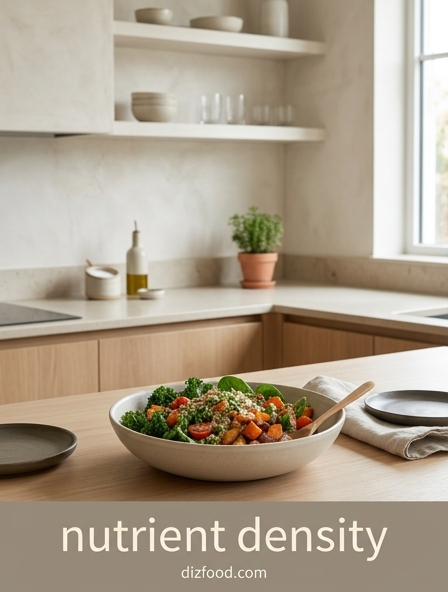
Defining Nutrient Density in Daily Meal Planning
Nutrient density serves as a fundamental metric in the kitchen, prioritizing the concentration of essential micronutrients-vitamins, minerals, and phytonutrients-relative to the total caloric load of a food item. In practical meal planning, this involves selecting ingredients that offer the highest biological value per bite. By shifting the focus from quantity to quality, home cooks can ensure that every calorie contributes to physiological repair, immune function, and energy production. This approach necessitates a move away from highly processed fillers and toward whole, unrefined sources.
To effectively integrate nutrient density into daily routines, consider the following food categories often prioritized by nutritionists:
- Dark leafy greens such as kale and bok choy for high mineral content.
- Cruciferous vegetables like broccoli and Brussels sprouts for sulfur-rich compounds.
- Legumes and seeds for a combination of fiber, protein, and B-vitamins.
- Deeply pigmented berries for concentrated antioxidant levels.
Consistently choosing these high-density options creates a cumulative effect, reducing the risk of micronutrient deficiencies even when overall caloric intake is restricted or maintained. It transforms the kitchen from a simple refueling station into a proactive wellness environment.
The Science of Raw Versus Cooked Bioavailability
The debate between raw and cooked foods is not about which is superior, but rather how heat alters the bioavailability of specific nutrients. Bioavailability refers to the proportion of a nutrient that is absorbed and utilized by the body. While heat can destroy water-soluble vitamins like Vitamin C and B-complex, it can simultaneously enhance the accessibility of other vital compounds by breaking down tough cellulose walls and fibrous structures within plant cells.
Effective kitchen management requires knowing which vegetables benefit from heat and which should remain raw. The following table illustrates the impact of preparation on specific nutrients:
| Nutrient/Food | Preferred State | Resulting Benefit |
|---|---|---|
| Vitamin C (Bell Peppers) | Raw | Preserves heat-sensitive ascorbic acid. |
| Lycopene (Tomatoes) | Cooked | Breaks cell walls to release antioxidants. |
| Beta-carotene (Carrots) | Cooked | Increases absorption of pro-vitamin A. |
| Myrosinase (Broccoli) | Raw/Light Steam | Maintains enzyme for sulforaphane production. |
Balancing these states within a single meal ensures a broad spectrum of bioavailable compounds for the body to utilize.
Strategic Batch Cooking for Retaining Essential Vitamins
Batch cooking is a time-saving necessity for many, yet it often leads to nutrient loss if not executed with precision. The primary enemies of vitamins during prep are prolonged exposure to high temperatures, oxygen, and excessive water, which causes leaching. To maintain a high nutrient profile in prepared meals, cooks should utilize rapid-cooking methods that minimize the time ingredients spend under thermal stress. The goal is to cook just enough to soften fibers without reaching the point of structural collapse.
Follow these steps to maximize retention during batch sessions:
- Blanch vegetables in boiling water for two minutes, then immediately shock them in an ice bath.
- Use a steamer basket instead of boiling to prevent water-soluble vitamins from draining away.
- Under-cook items slightly if they are intended for reheating later in the week.
- Store batch-cooked items in airtight glass containers to minimize oxidation and chemical leaching from plastics.
By employing these techniques, the convenience of pre-prepared meals does not come at the cost of the food's inherent nutritional integrity, ensuring that the final meal is as beneficial as one made fresh.
Essential Kitchen Tools for Nutrient Preserving Prep
The physical tools used in the kitchen significantly influence the chemical stability of food. From the composition of knives to the mechanism of heat application, every choice impacts the final nutrient density. For instance, high-speed oxidation can occur when using dull blades, which crush plant cells rather than slicing through them, leading to faster degradation of delicate enzymes. Investing in high-quality equipment is therefore a strategic move for nutritional preservation.
- Ceramic Knives: These help prevent the metallic oxidation of cut edges in greens and fruits.
- Stainless Steel Steamers: They keep food out of the water, preserving water-soluble minerals and B-vitamins.
- Vacuum Sealers: Essential for removing oxygen from stored produce, which slows the decay of antioxidants.
- Slow Cookers with Precise Temperature Control: These allow for the breakdown of tough legumes and meats without denaturing all heat-stable nutrients.
- Mortar and Pestle: Ideal for crushing aromatics like garlic, which activates beneficial compounds like allicin more effectively than chopping.
Using the right tools ensures that the effort put into sourcing high-quality ingredients is not wasted during the preparation phase.
Synergistic Food Pairings to Boost Mineral Absorption
Nutrient synergy occurs when two or more nutrients interact to improve the absorption or function of one another. Understanding these pairings allows a cook to design meals where the whole is nutritionally greater than the sum of its parts. This is particularly important for minerals like iron and calcium, which can be difficult for the body to process in isolation. By intentionally combining specific ingredients, you create a chemical environment that facilitates maximum uptake in the digestive tract.
Consider these standard synergistic combinations for your next prep cycle:
- Vitamin C and Non-Heme Iron: Squeezing lemon over spinach or lentils significantly increases the absorption of plant-based iron.
- Healthy Fats and Fat-Soluble Vitamins: Adding avocado or olive oil to a salad is necessary to absorb Vitamins A, D, E, and K found in the vegetables.
- Sulforaphane and Mustard Seeds: Adding ground mustard powder to cooked broccoli restores the enzyme myrosinase, which is often lost during heating.
- Turmeric and Black Pepper: The piperine in pepper increases the bioavailability of curcumin in turmeric by up to 2,000 percent.
These pairings transform a simple meal into a highly efficient delivery system for essential micronutrients.
Optimizing Raw Enzyme Intake with Prepped Salads
Enzymes are specialized proteins that act as catalysts for nearly every chemical reaction in the body, including digestion and cellular repair. Many of these enzymes are found in raw, living foods but are highly sensitive to heat. Incorporating raw, prepped salads into a daily routine ensures a steady supply of these exogenous enzymes. However, the timing of preparation is critical; once a vegetable is cut, its enzymes begin to interact with the air, leading to a gradual decline in potency.
To optimize enzyme intake, salads should be prepared with a "hardy-to-soft" strategy. Dense vegetables like cabbage, shredded carrots, and radishes can be prepped in advance as they hold their structural and enzymatic integrity longer than delicate lettuces. Adding fermented elements like raw sauerkraut or unpasteurized apple cider vinegar further boosts the enzymatic profile of the meal. By focusing on a diverse range of raw colors and textures, you provide the digestive system with the necessary tools to break down cooked proteins and starches consumed in the same sitting, reducing digestive strain and increasing overall nutrient assimilation.
Heat Application Impact on Phytochemical Profiles
Phytochemicals are bioactive plant compounds that provide significant health benefits, such as reducing inflammation and preventing oxidative stress. The way heat is applied-whether through roasting, sautéing, or microwaving-alters these compounds in different ways. Some phytochemicals, like the anthocyanins in purple potatoes or blueberries, are relatively stable at moderate heats but can leach out during boiling. Others, such as the glucosinolates in cruciferous vegetables, require very specific conditions to remain active.
High-heat methods like deep-frying or charring can create harmful compounds, such as acrylamides, while simultaneously destroying the beneficial phytochemicals. Conversely, brief exposure to heat can sometimes increase the total antioxidant capacity by releasing bound phenolic compounds. The key is using "gentle" heat. Techniques like poaching or low-temperature roasting preserve the vibrant pigments that indicate a high phytochemical content. When the color of a vegetable fades to a dull grey or brown, it is often a visual cue that the phytochemical profile has been compromised. Keeping vegetables vibrant and "al dente" is a reliable kitchen rule for ensuring these protective compounds remain intact for consumption.
Managing Anti-Nutrients Through Proper Preparation Techniques
Many nutrient-dense foods, particularly grains, legumes, nuts, and seeds, contain "anti-nutrients" such as phytic acid, lectins, and oxalates. These compounds serve as natural defense mechanisms for the plant but can interfere with human mineral absorption by binding to calcium, iron, and zinc. Fortunately, traditional kitchen preparation techniques are highly effective at neutralizing these substances, making the underlying nutrients more accessible to the body.
Implement these techniques to manage anti-nutrient levels effectively:
- Soaking: Submerging beans and grains in water for 12-24 hours activates phytase, an enzyme that breaks down phytic acid.
- Sprouting: Allowing seeds to germinate further reduces lectins and increases the concentration of vitamins.
- Fermenting: Using natural bacteria to break down complex carbohydrates and anti-nutrients in doughs and vegetables.
- Boiling: High-heat boiling and discarding the water is particularly effective for reducing oxalates in greens like spinach and chard.
By integrating these steps into the prep cycle, you unlock the full nutritional potential of pantry staples that might otherwise cause digestive discomfort or nutrient malabsorption.
Smart Storage Solutions to Prevent Nutrient Degradation
The journey of a nutrient does not end once the food is brought home; storage is a critical phase where significant losses can occur. Light, heat, and oxygen are the primary drivers of nutrient decay. For example, leafy greens can lose up to 50% of their Vitamin C within days of being stored in a standard refrigerator if not handled correctly. Proper storage aims to slow down the respiration rate of the produce and protect it from environmental stressors that trigger cellular breakdown.
Effective storage strategies include keeping root vegetables in cool, dark, and dry environments to prevent sprouting and starch-to-sugar conversion. For greens, wrapping them in a damp cloth and placing them in a breathable bag maintains humidity while preventing the rot associated with excess moisture. Ethylene-producing fruits, like apples and bananas, should be kept away from ethylene-sensitive vegetables to prevent premature spoilage. Furthermore, using opaque containers for oils and seeds protects delicate fatty acids from light-induced rancidity. These small adjustments in the kitchen pantry and refrigerator extend the shelf life of the food and, more importantly, its biological value.
Integrating Microgreens and Sprouted Foods into Prep Cycles
Microgreens and sprouted foods represent a pinnacle of nutrient density, often containing higher concentrations of vitamins and minerals than their mature counterparts. For instance, red cabbage microgreens have been found to contain up to 40 times more Vitamin E and C than full-grown red cabbage. Integrating these into prep cycles provides a powerful nutritional boost with very little volume, making them ideal for enhancing any meal without adding significant calories.
To successfully integrate these into your kitchen routine, consider the following:
- Add a handful of clover or radish sprouts to sandwiches and wraps for crunch and enzymes.
- Garnish soups and stews with micro-cilantro or arugula just before serving to preserve heat-sensitive antioxidants.
- Blend microgreens into morning smoothies to increase the chlorophyll and mineral content.
- Use sprouted grains in place of traditional grains for better digestibility and lower glycemic impact.
Because they are harvested at the peak of their growth cycle, these "living foods" provide a dense source of energy and nutrients that support cellular health and systemic vitality with minimal preparation effort.





Comments