
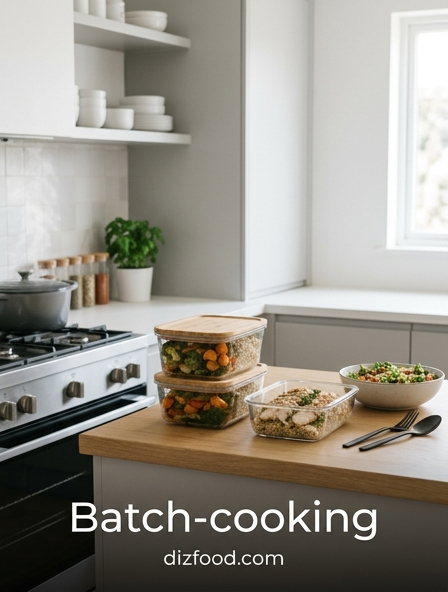
Benefits of Batch Cooking for Busy Lifestyles
In the modern world, time is perhaps our most precious commodity. Batch cooking serves as a powerful strategy to reclaim hours typically spent on daily kitchen chores. By dedicating a single afternoon to food preparation, you effectively eliminate the recurring stress of deciding what to eat after a long workday. This proactive approach ensures that high-quality, home-cooked meals are always available, significantly reducing the temptation to rely on expensive and often unhealthy takeout options.
- Significant financial savings by purchasing ingredients in bulk and reducing food waste.
- Improved nutritional intake through total control over ingredients, sodium, and fats.
- Reduction in mental fatigue associated with daily "What's for dinner?" decision-making.
- Lower energy consumption by utilizing the oven and stovetop for multiple dishes at once.
Beyond the logistical advantages, batch cooking fosters a more mindful relationship with food. It allows individuals to focus on their dietary goals without the pressure of time constraints, leading to more consistent healthy eating patterns that can be sustained over the long term.
Essential Kitchen Tools for Effective Meal Prep
To maximize efficiency during a bulk cooking session, having the right equipment is non-negotiable. Quality tools not only speed up the preparation process but also ensure that the food is cooked evenly and stored safely. Investing in professional-grade items can transform a chaotic kitchen into a streamlined production line.
| Tool Category | Essential Items | Primary Benefit |
|---|---|---|
| Prep Tools | Chef's Knife, Mandoline, Food Processor | Speeds up chopping and consistent sizing. |
| Cooking Vessels | Dutch Oven, Large Sheet Pans, Stock Pot | Allows for high-volume cooking and roasting. |
| Storage | Glass Containers, Vacuum Sealer, Mason Jars | Preserves freshness and organizes the fridge. |
While high-tech gadgets like multicookers and air fryers are beneficial, the foundation of successful meal prep lies in reliable basics. Sharp knives reduce physical strain, while high-walled roasting pans prevent spills when handling large quantities of vegetables or proteins. Choosing glass storage over plastic is often preferred for its durability and ability to go directly from the freezer to the microwave or oven.
Planning Your Nutrient Dense Weekly Menu
A successful batch cooking session begins long before you turn on the stove. Strategic planning is the cornerstone of a menu that remains exciting and nutritionally balanced throughout the week. The goal is to create a synergy between different ingredients so that they can be repurposed in various ways. Focus on the "Plate Method," ensuring each meal contains a balance of lean proteins, complex carbohydrates, and healthy fats, alongside a generous serving of fiber-rich vegetables.
When selecting recipes, consider the shelf life of different ingredients. For instance, hearty greens like kale or roasted root vegetables hold up better in the refrigerator than delicate salad leaves or sliced avocados. Integrating seasonal produce not only lowers your grocery bill but also ensures you are consuming peak-flavor ingredients with the highest vitamin content. To avoid "palate fatigue," plan for different flavor profiles using a single base; a large batch of shredded chicken can easily be transformed into Mediterranean wraps, Mexican bowls, or Asian-inspired stir-fries with different spice blends.
Smart Grocery Shopping for Bulk Cooking
Efficiency in the kitchen starts at the grocery store. Shopping for batch cooking requires a different mindset than traditional daily shopping. The objective is to procure high volumes of versatile ingredients while minimizing the frequency of trips. Before leaving the house, always perform an inventory check of your pantry staples to avoid unnecessary duplicates that clutter your storage space.
- Buy grains, legumes, and nuts from bulk bins to reduce packaging and cost per unit.
- Choose "family pack" sizes of proteins which are often priced significantly lower.
- Look for frozen vegetables, which are flash-frozen at peak ripeness and ideal for stews.
- Organize your shopping list by grocery aisle to minimize time spent navigating the store.
Strategic shoppers also pay close attention to sales cycles. If a particular protein or pantry staple is on deep discount, consider adjusting your weekly menu to incorporate that item. By aligning your meal plan with what is currently on sale, you can drastically reduce your monthly food expenditure while still maintaining a high standard of nutrition and variety.
Step by Step Batch Cooking Workflow
Executing a large-scale cooking session without a plan can lead to a messy kitchen and exhausted cook. A logical workflow is essential for maintaining momentum and ensuring all components finish at roughly the same time. This process is about multitasking effectively and utilizing every square inch of your cooking surface.
- Clear all workspaces and empty the dishwasher to start with a clean slate.
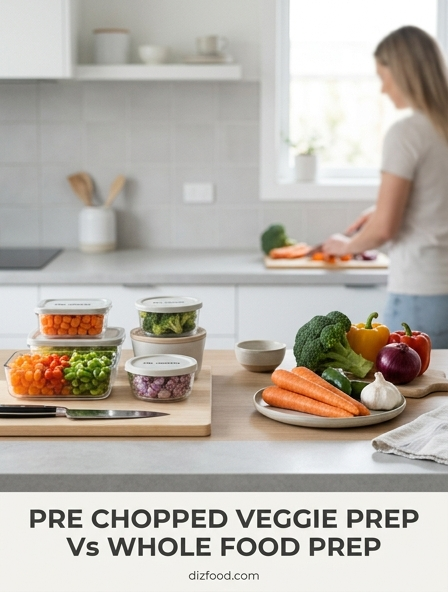
- Perform all "dry" prep first, such as measuring spices and chopping all vegetables.
- Start long-simmering items like beans, grains, or slow-cooker stews first.
- Utilize the oven for multiple sheet pans of roasted vegetables and proteins simultaneously.
- Execute active stovetop tasks, like browning meats or sautéing aromatics, while other items bake.
- Allow all food to cool slightly before portioning into storage containers.
By grouping tasks-such as chopping all onions for three different recipes at once-you reduce the time spent cleaning tools between steps. This "assembly line" mentality is the secret used by professional chefs to manage high volumes of food with precision and speed.
Food Storage Safety and Organization Tips
Proper storage is the final, critical step in the batch cooking process. Without correct cooling and containment, your hard work could result in food spoilage or safety risks. The "Two-Hour Rule" is the industry standard; all cooked food must be moved to refrigerated storage within two hours of cooking to prevent the growth of harmful bacteria. To speed up the cooling process for large batches of soup or stew, divide them into smaller, shallow containers rather than storing one large, deep pot.
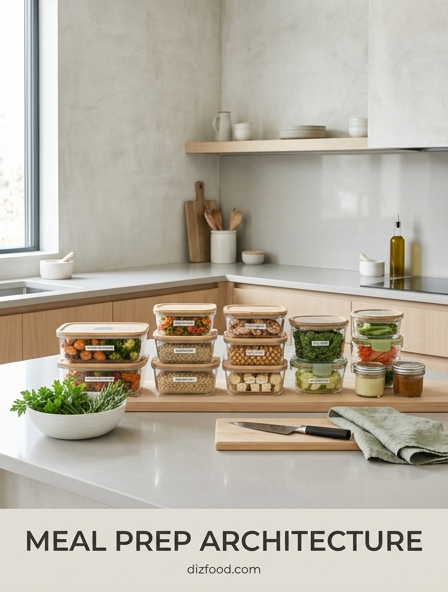
Organization within the refrigerator is equally vital. Adopt the "First In, First Out" (FIFO) method, placing the newest meals behind older ones to ensure nothing is forgotten and wasted. Labeling every container with the contents and the date it was prepared is a simple habit that saves significant time during the week. Using clear glass containers allows you to see exactly what is available at a glance, reducing the time the fridge door stays open and helping you maintain a visual inventory of your prepared meals.
Versatile Base Recipes for Any Meal
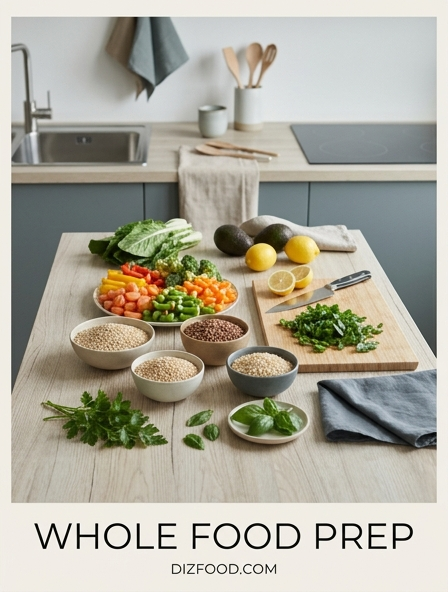
The most efficient batch cooks focus on creating "building blocks" rather than finished, single-flavor dishes. These versatile bases can be mixed and matched throughout the week to create entirely different culinary experiences, preventing the monotony of eating the exact same meal five days in a row. By keeping the seasoning neutral on your base components, you allow for greater flexibility during the final assembly phase.
- Grain Mix: A large pot of quinoa or brown rice serves as a base for bowls, salads, or sides.
- Roasted Medley: Sheet pans of broccoli, sweet potatoes, and peppers add fiber and color to any plate.
- Poached or Roasted Protein: Simple seasoned chicken or tofu can be added to pasta, wraps, or greens.
- All-Purpose Legumes: Braised lentils or chickpeas work in both cold salads and warm stews.
Having these components ready allows for "freestyle" cooking. On a Tuesday, you might toss your roasted vegetables with quinoa and lemon tahini dressing. By Thursday, those same vegetables can be heated with black beans and salsa for a quick taco bowl. This modular approach is the key to variety.
Freezing Techniques for Maximum Freshness
For those who meal prep for more than three or four days at a time, the freezer is an indispensable ally. However, improper freezing can lead to freezer burn and a loss of texture. To maintain maximum freshness, ensure that all air is removed from the packaging. Vacuum sealers are excellent for this, but the "straw method" with zip-top bags also works well to create a tight seal around the food. For liquid-based items like sauces or broths, freeze them in silicone molds or ice cube trays first; once frozen, transfer the cubes to a bag for easy portioning.
Flash freezing is another professional technique used to prevent clumping. For items like individual meatballs, fruit slices, or veggie burgers, place them on a parchment-lined tray in the freezer until solid before moving them to a permanent storage bag. This allows you to remove exactly what you need without thawing the entire batch. Always remember to thaw frozen meals in the refrigerator overnight rather than on the counter to maintain food safety and ensure the best possible texture upon reheating.
Portion Control and Healthy Meal Assembly
Batch cooking is one of the most effective tools for weight management and portion control. When you are hungry and tired, it is easy to overserve yourself; however, pre-portioned containers eliminate this guesswork. By assembling your meals immediately after cooking, you create a visual guide to your nutritional intake. This practice ensures that you are consistently consuming the intended ratio of macronutrients without the need for daily weighing or tracking.
| Component | Ideal Proportion | Example |
|---|---|---|
| Non-Starchy Veggies | 50% of Container | Spinach, Zucchini, Peppers |
| Lean Protein | 25% of Container | Salmon, Turkey, Tempeh |
| Complex Carbs | 25% of Container | Farro, Squash, Oats |
When assembling, leave a small amount of space for "fresh additions" like a squeeze of lime, a handful of fresh herbs, or a drizzle of dressing. These small touches, added just before eating, provide the bright flavors and varied textures that make a pre-cooked meal feel like it was freshly made in a restaurant.
Maintaining a Sustainable Meal Prep Habit
The greatest challenge of batch cooking is not the cooking itself, but the consistency required to make it a lifestyle. To avoid burnout, it is important to be flexible and realistic about your schedule. You do not need to prep twenty-one meals every Sunday; even prepping just your breakfasts or lunches can significantly impact your week. Start small and gradually increase the complexity of your sessions as you become more comfortable with the workflow and your kitchen equipment.
Make the process enjoyable by treating your prep time as a ritual. Listen to a favorite podcast, an audiobook, or upbeat music while you chop and stir. Furthermore, leave room for spontaneity. If a friend invites you to dinner, your batch-cooked meal can easily stay in the fridge for another day or be moved to the freezer. By viewing meal prep as a tool for freedom rather than a rigid set of rules, you create a sustainable habit that supports your health, saves you money, and gives you back the most valuable resource of all: your time.

Comments