
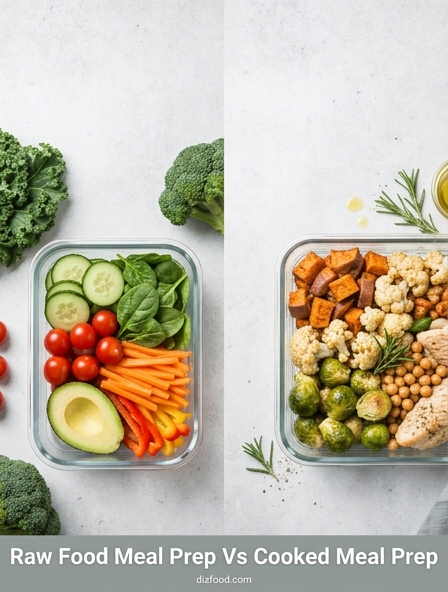
Deciding between raw food meal prep and traditional cooked methods isn't just about taste-it's a strategic choice for maximizing the nutrient density of every forkful. Raw meal prepping excels at preserving heat-sensitive water-soluble vitamins like Vitamin C and B, alongside living enzymes that assist in natural digestion. However, the "cooked" camp isn't without its merits, as heat serves to break down tough plant cell walls, significantly increasing the bioavailability of antioxidants like lycopene and beta-carotene that stay locked away in raw produce. Ultimately, the winner of the "most nutrients per bite" title depends on the specific ingredient, but balancing both methods ensures you're hitting your micro-nutrient targets while maintaining optimal gut health and metabolic efficiency.
| Feature | Raw Meal Prep | Cooked Meal Prep |
|---|---|---|
| Nutrient Retention | 100% preservation of heat-sensitive Vitamin C, B, and enzymes. | Loss of some vitamins, but unlocks minerals and fat-soluble antioxidants. |
| Bioavailability | Lower for some minerals; requires high-strength chewing/digestion. | Higher for starches and antioxidants (e.g., 170% more lycopene in tomatoes). |
| Digestive Impact | High fiber load; can cause bloating in sensitive individuals. | Heat "pre-digests" fibers, making it easier on the GI tract. |
| Shelf Life | Short (2-3 days); oxidation occurs quickly after chopping. | Longer (4-6 days); heat kills bacteria, extending freshness. |
| Prep Style | No-heat; focuses on washing, chopping, and fermenting. | Active heating; involves steaming, roasting, or sautéing. |
| Food Safety | Higher risk of foodborne pathogens from unwashed produce. | Heat-processing neutralizes most parasites and harmful bacteria. |
Nutritional Comparison Raw Versus Cooked
The debate between raw and cooked meal prep often centers on the preservation and transformation of nutrients. Raw foods are celebrated for maintaining heat-sensitive vitamins, particularly Vitamin C and the B-vitamin complex, which can degrade significantly during boiling or frying. Furthermore, raw plants contain active enzymes that some believe assist in the initial stages of digestion. However, cooking is not merely a process of depletion; it is also a process of enhancement. Applying heat can break down tough fibrous cell walls, making certain antioxidants more accessible to the human body.
| Nutrient Type | Raw State Impact | Cooked State Impact |
|---|---|---|
| Vitamin C | Fully preserved and potent. | Reduced by heat and water leaching. |
| Lycopene | Lower bioavailability in tomatoes. | Significantly increased by heating. | Glucosinolates | High in raw cruciferous vegetables. | Myrosinase enzyme deactivated by heat. |
Ultimately, the nutritional value of a meal depends on the specific ingredient. While a raw spinach salad provides high levels of folate and potassium, sautéing that same spinach allows the body to absorb more calcium and iron due to the reduction of oxalic acid. A balanced kitchen strategy often utilizes both methods to ensure a broad spectrum of micronutrient intake throughout the week.
Time Saving Prep Techniques
Efficiency is the cornerstone of successful meal prep, whether one is assembling raw Buddha bowls or slow-cooked stews. For those focusing on raw preparations, the primary time investment lies in "processing" rather than active cooking. Utilizing high-speed tools can reduce an hour of manual labor to mere minutes. Conversely, cooked meal prep relies on the "set it and forget it" philosophy, utilizing appliances that work independently while the cook attends to other tasks.
- Batch Washing and Spinning: Wash all greens at once and use a salad spinner to dry them thoroughly before storage to prevent wilting.
- The Mandoline Slice: Use a mandoline for uniform, paper-thin slices of radishes, carrots, and cucumbers to ensure consistent texture in raw salads.
- Sheet Pan Roasting: For cooked prep, fill multiple sheet pans with various proteins and vegetables to cook simultaneously at the same temperature.
- Pressure Cooking: Utilize a multicooker for grains and legumes, which can reduce cooking times by up to 70% compared to stovetop methods.
By dedicating a single two-hour block on the weekend to these techniques, a home cook can prepare the foundation for ten to twelve meals. The goal is to minimize the "touch points" for each ingredient, ensuring that during the busy work week, assembly requires only seconds of effort rather than a full culinary production.
Digestive Benefits of Raw Food
Proponents of raw food meal prep often highlight the relative ease with which the body processes living enzymes. When food is kept below 118 degrees Fahrenheit, the naturally occurring enzymes remain intact, theoretically reducing the "digestive debt" the body incurs when producing its own enzymes to break down food. Raw fruits and vegetables also boast a high water content, which aids in peristalsis and keeps the digestive tract hydrated. This can lead to a feeling of lightness and increased energy following a meal, as opposed to the lethargy often associated with heavy, cooked dishes.
Furthermore, the high fiber content in raw foods acts as a prebiotic, feeding the beneficial bacteria in the gut microbiome. Since the fiber has not been softened by heat, it requires more intensive chewing, which is the first stage of digestion. This mechanical breakdown triggers the release of saliva and signaling hormones that tell the brain the body is becoming full. However, for individuals with sensitive digestive systems, an abrupt shift to 100% raw can be taxing. Gradual integration allows the gut flora to adapt to the increased roughage, eventually leading to improved regularity and reduced bloating over time.
Cooked Meal Bioavailability Advantages
While raw foods offer enzyme preservation, cooked meal prep excels in making specific minerals and compounds bioavailable. The process of cooking effectively "pre-digests" certain complex structures that the human stomach struggles to handle alone. For example, the cellulose in plant cell walls is indigestible for humans; heat weakens these walls, releasing the nutrients trapped inside. This is particularly vital for starchy tubers and tough fibrous greens like kale or collards.
- Beta-Carotene: Found in carrots and sweet potatoes, this precursor to Vitamin A is much more easily absorbed after the food has been softened by heat.
- Mineral Release: Cooking can reduce anti-nutrients like phytic acid in grains and legumes, which otherwise bind to minerals like zinc and magnesium, preventing their absorption.
- Protein Denaturation: Heat unfolds protein strands in meat and eggs, making it easier for digestive enzymes to access and break down amino acids.
- Antioxidant Boost: In certain vegetables like asparagus and peppers, cooking increases the total antioxidant activity despite the loss of some Vitamin C.
By incorporating cooked elements into a meal prep routine, individuals ensure they are not missing out on these essential fat-soluble vitamins and minerals. The key is to use methods like steaming or poaching, which provide the benefits of heat without the aggressive nutrient loss associated with deep frying or prolonged boiling.
Essential Tools for Every Kitchen
The success of any meal prep routine is heavily dictated by the quality of the tools available. A well-equipped kitchen bridges the gap between raw and cooked methods, allowing for versatility and precision. For raw prep, the focus is on blades and mechanical power, whereas cooked prep requires reliable heat distribution and temperature control. Investing in a few high-quality items can significantly reduce the physical strain of repetitive tasks like chopping, dicing, and stirring.
| Tool | Primary Use | Best For |
|---|---|---|
| High-Speed Blender | Liquefying and emulsifying | Raw sauces, smoothies, and nut milks. |
| Cast Iron Skillet | Retaining and distributing heat | Searing proteins and charring vegetables. |
| Food Processor | Large scale chopping/grating | Making "cauliflower rice" or raw slaws. |
| Digital Thermometer | Internal temp monitoring | Ensuring food safety in cooked meats. |
Beyond these specialized tools, a set of high-carbon stainless steel knives remains the most important investment for any kitchen. A sharp chef's knife allows for clean cuts in raw vegetables, which preserves their texture and prevents bruising. Similarly, a serrated knife is indispensable for slicing through crusty breads or soft-skinned cooked vegetables without crushing the internal structure.
Meal Prep Storage and Longevity
Storage is the final, critical step in the meal prep process. Without proper containment, even the most nutritionally dense meal will lose its appeal and safety within days. Raw foods and cooked foods have different shelf lives and environmental requirements. Raw vegetables are prone to oxidation and moisture loss, while cooked meals are susceptible to bacterial growth if not cooled and sealed quickly. Understanding the physics of your refrigerator can extend the life of your prep by several days.
- Glass vs. Plastic: Glass containers are non-porous and do not retain odors or stains, making them ideal for reheating cooked meals. Plastic is lightweight for raw salads on the go.
- Vacuum Sealing: Removing oxygen can double the life of raw produce and prevent freezer burn on cooked batches intended for long-term storage.
- Ethylene Awareness: Keep gas-releasing fruits (like apples) away from leafy greens in the fridge to prevent premature wilting.
- Layering Strategy: When prepping raw salads in jars, place the dressing at the bottom and the hardiest vegetables next to keep the greens dry.
Generally, cooked meals should be consumed within four days, whereas many raw components can last five to seven days if kept dry. Labeling containers with the date of preparation is a simple habit that prevents "refrigerator mystery" and reduces food waste. For those prepping for a full week, freezing half of the cooked portions on Sunday ensures freshness for Thursday and Friday meals.
Flavor Profiles and Texture Variety
The sensory experience of eating is often what determines whether a person sticks to their meal prep goals. Raw and cooked foods offer fundamentally different palate experiences. Raw food is characterized by its "brightness"-high acidity, crunch, and fresh aromatics. It provides a clean, crisp mouthfeel that is refreshing, especially in warmer months. Techniques like marinating raw vegetables in citrus or vinegar can "cook" them slightly through acidulation, softening the texture while maintaining the raw profile.
Cooked food, on the other hand, relies on the Maillard reaction-the chemical reaction between amino acids and reducing sugars that gives browned food its distinctive flavor. This creates deep, umami-rich profiles and textures ranging from silky purees to crispy seared edges. The warmth of cooked food also carries aromas more effectively, as heat volatilizes essential oils. A sophisticated meal prepper uses both to avoid "palate fatigue." For instance, a meal might consist of a warm, roasted sweet potato paired with a cold, crunchy cabbage slaw. This contrast in temperature and texture makes the meal more satisfying and prevents the monotony often associated with eating pre-prepared containers.
Cost Effectiveness of Raw Ingredients
Managing a kitchen budget is often easier when balancing raw and cooked ingredients. Raw meal prep can be exceptionally cost-effective when following the seasons. Purchasing produce at its peak ripeness usually means lower prices and higher nutritional density. Furthermore, raw prep eliminates the cost of cooking fuels like gas or electricity, which, while minor per meal, adds up over months of consistent preparation. However, raw diets can become expensive if one relies heavily on imported "superfoods" or out-of-season berries.
- Buy Bulk Grains and Legumes: These are the most cost-effective cooked staples, providing protein and fiber for pennies per serving.
- Seasonal Produce Selection: Focus on what is locally abundant. In winter, root vegetables are cheap; in summer, stone fruits and greens are affordable.
- Reduce Meat Consumption: Using meat as a flavor enhancer in cooked dishes rather than the main component significantly lowers the grocery bill.
- Minimize Pre-Cut Items: Buying whole vegetables and performing the "prep" yourself saves the 30-50% markup found in pre-packaged salad kits.
Ultimately, the most expensive food is the food that gets thrown away. Raw meal prep requires more frequent shopping trips to ensure freshness, whereas cooked prep allows for the use of frozen or canned goods, which are shelf-stable and reduce waste. A hybrid budget approach uses frozen staples for cooked meals and fresh, local picks for raw components.
Food Safety for Meal Preppers
Food safety is paramount when preparing multiple days of meals at once. The "danger zone"-between 40°F and 140°F-is where bacteria multiply most rapidly. For cooked meal prep, the challenge is cooling large batches of food quickly enough to get them into the refrigerator safely. For raw meal prep, the risk primarily involves cross-contamination and the presence of pathogens on unwashed produce. Since raw food will not be heated to kill bacteria, the initial cleaning process must be rigorous.
- Separate Cutting Boards: Always use different boards for raw meats and vegetables to prevent the spread of salmonella or E. coli.
- Rapid Cooling: Divide large pots of soup or grains into smaller, shallow containers to speed up the cooling process before refrigerating.
- Vegetable Washes: Use a vinegar-water solution to wash raw produce, which can help remove pesticide residue and certain surface bacteria.
- Reheating Standards: When consuming cooked prep, ensure the food reaches an internal temperature of 165°F to kill any bacteria that may have developed during storage.
Adhering to these protocols ensures that your healthy habits don't lead to foodborne illness. It is also important to trust the "sensory test"; if a prepped container has an off-smell or visible change in texture, it is safer to discard it than to risk consumption, regardless of the prep date.
Hybrid Approaches for Balanced Nutrition
The most sustainable kitchen strategy is rarely found in the extremes of "all raw" or "all cooked." Instead, a hybrid approach leverages the benefits of both to maximize nutrition, flavor, and convenience. By combining the enzymatic activity of raw greens with the bioavailable minerals of cooked grains and proteins, a meal prepper creates a complete nutritional profile. This method also caters to the body's changing needs based on weather, activity level, and digestive health.
A common hybrid strategy is the "Grain Bowl" framework. This involves prepping a large batch of a cooked base, such as quinoa or farro, and a roasted protein like chicken or chickpeas. At the time of assembly, these warm elements are tossed with fresh, raw spinach, shredded carrots, and a raw nut-based dressing. This provides the satiety of a cooked meal with the refreshing crunch of raw produce. Another popular method is "Raw Until 4," where breakfast and lunch consist of raw fruits and salads to maintain high energy, followed by a hearty cooked dinner to aid in evening relaxation and mineral absorption. Mixing techniques keeps the kitchen routine interesting and ensures the body receives a diverse array of phytochemicals and nutrients.

Comments