
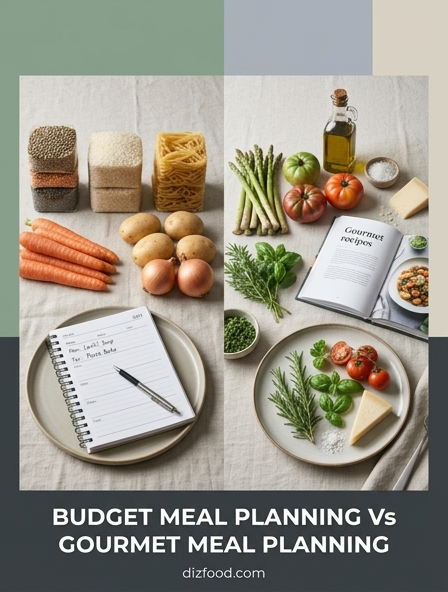
Elevating your daily kitchen doesn't require a professional chef's salary; it's all about mastering high-impact "gourmet flavor bombs" that pack a massive punch on a modest budget. By incorporating strategic ingredients like smoked paprika, zesty citrus, or aromatic infused oils, you can instantly transform simple pantry staples into mouthwatering masterpieces. This approach proves that sophisticated dining is truly more about creative technique than expensive price tags. You'll be surprised how a few intentional additions turn a standard weeknight dinner into a luxury culinary experience. To find the perfect balance for your home, explore the key differences between Budget Meal Planning Vs Gourmet Meal Planning.
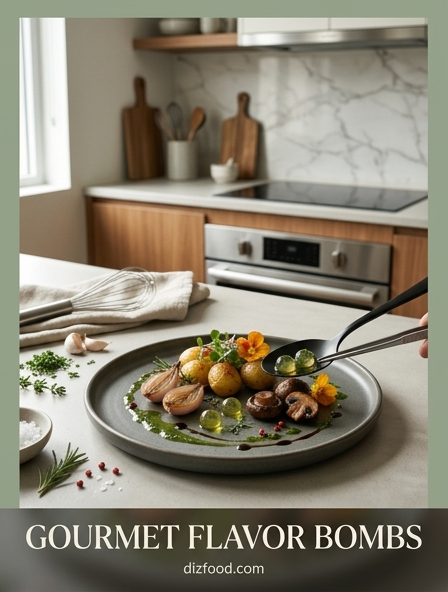
Defining Kitchen Flavor Bombs
In the culinary world, a flavor bomb is a highly concentrated ingredient or preparation designed to provide an immediate punch of taste to a dish. These elements are the secret weapons of professional chefs, used to transform a mundane meal into a gourmet experience with just a single spoonful. Flavor bombs typically focus on one or more of the core taste profiles: umami, acidity, sweetness, and saltiness. By incorporating these high-intensity components, home cooks can achieve a level of complexity that usually requires hours of simmering or expensive specialty ingredients.
The beauty of the flavor bomb lies in its versatility. These concentrates can be stirred into soups, rubbed onto proteins, or tossed with roasted vegetables. They serve as a shortcut to depth, providing the "long-cooked" taste that characterizes high-end cuisine. Whether it is a fermented paste, a deeply reduced sauce, or a vibrant herb oil, the goal is to create a reservoir of taste that can be deployed at a moment's notice. Understanding how to build and store these components is the first step toward mastering efficient, high-impact home cooking.
Essential Low Cost Umami Boosters
Umami, often described as the "fifth taste," is the savory quality that makes food deeply satisfying. While many people associate umami with expensive ingredients like aged wagyu or truffles, there are several budget-friendly pantry staples that can provide the same effect. These boosters work by introducing glutamates into a dish, which chemically signals to our brains that we are consuming something rich and nourishing. Keeping these items on hand allows for quick flavor corrections during the cooking process.
- Tomato Paste: When browned in a pan until it turns a deep rust color, it provides an incredible savory foundation.
- Soy Sauce or Tamari: A splash adds salt and fermented depth to stews, gravies, and even marinades.
- Nutritional Yeast: This vegan-friendly flake offers a cheesy, nutty profile perfect for popcorn or pastas.
- Anchovy Fillets: These melt into hot oil, disappearing entirely while leaving behind a profound salty richness.
- Miso Paste: A fermented soybean paste that introduces a salty, sweet, and funky complexity to almost any liquid base.
Using these boosters effectively requires a light touch, as they are potent and can easily overwhelm other delicate flavors if not balanced correctly.
Mastering Homemade Infused Finishing Oils
Finishing oils are a luxurious way to add aroma and a silky mouthfeel to a completed dish. While store-bought infused oils are often overpriced and lose their potency quickly, making them at home is both cost-effective and superior in quality. The process involves gently heating a neutral oil with aromatic ingredients to extract their volatile compounds. Once cooled and strained, these oils can be drizzled over pizza, grilled fish, or creamy soups to provide a vibrant top note that lingers on the palate.
To ensure success, it is vital to control the temperature; the goal is infusion, not frying. If the oil gets too hot, the aromatics may burn and become bitter. For a bright green herb oil, blanch soft herbs like parsley or basil before blending them with oil and straining through a coffee filter. For spicy or savory versions, consider ingredients like dried chili flakes, smashed garlic cloves, or citrus zest. These oils should be stored in dark glass bottles in a cool place to prevent oxidation and maintain their gourmet profile for several weeks.
Transforming Scraps into Culinary Gold
Professional kitchens are famous for their "nose-to-tail" and "root-to-stem" philosophies, ensuring that nothing goes to waste. Home cooks can adopt this approach by saving kitchen scraps that are typically discarded and turning them into powerful flavor concentrates. This practice is the ultimate budget-friendly move, as it creates value from items that have already been paid for. By extracting every bit of essence from peels, ends, and bones, you create a library of flavors that cannot be purchased in a grocery store.
| Scrap Item | Transformation Technique | Culinary Use |
|---|---|---|
| Parmesan Rinds | Simmer in broth or sauce | Adds salty, nutty richness |
| Mushroom Stems | Dehydrate and grind to powder | Instant umami seasoning |
| Shrimp Shells | Sauté and steep in butter | Rich seafood finishing butter |
| Herb Stems | Tie in a bundle (bouquet garni) | Infuses stocks and stews |
These techniques require very little active labor but yield high-impact results, proving that gourmet cooking is often about resourcefulness rather than expensive shopping lists.
Budget Friendly Fermented Flavor Enhancers
Fermentation is an ancient preservation method that yields some of the most complex flavors in the culinary world. By harnessing beneficial bacteria, you can turn simple, inexpensive vegetables into acidic, funky, and salty condiments that last for months. These fermented items act as flavor bombs by cutting through the fat of a dish and adding a bright, probiotic-rich zing. The cost of entry is remarkably low, usually requiring only salt, water, and time to develop their characteristic sharp profile.
One of the easiest fermented enhancers is the preserved lemon, made by packing citrus with plenty of salt and letting it sit until the rinds soften and mellow. The resulting brine and skin add a unique salty-tart dimension to Mediterranean and North African dishes. Similarly, a simple cabbage kraut or a fermented chili paste can be stirred into sauces to provide a "living" acidity that vinegars cannot replicate. These enhancers not only save money but also introduce a professional level of sophistication to your daily cooking through the magic of biological transformation.
The Art of Toasting Spices
Most home cooks use spices straight from the jar, missing out on a significant opportunity to deepen the flavor of their meals. Spices contain essential oils that remain trapped within their cellular structure until they are activated by heat. Toasting whole spices before grinding them, or blooming ground spices in fat, releases these oils and creates a much more complex and rounded aroma. This simple, no-cost technique can make a five-dollar jar of cumin taste like a premium artisanal product.
To toast whole spices, place them in a dry skillet over medium heat, shaking constantly until they become fragrant and slightly darker in color. This usually takes only two to three minutes. For ground spices, "blooming" them in a small amount of oil or butter at the start of the cooking process-alongside your onions or garlic-allows the flavors to dissolve into the fat. This ensures that the spice profile is distributed evenly throughout the entire dish rather than sitting on the surface. Mastering this timing is essential for creating a professional-grade spice base.
Quick Pickled Toppings for Every Dish
Acidity is the most common missing element in home-cooked meals. Without it, even the best ingredients can taste flat or overly heavy. Quick pickling provides an immediate solution to this problem, offering a crunchy, bright, and tangy garnish that can be made in under fifteen minutes. Unlike traditional canning, quick pickles are meant to be kept in the refrigerator and consumed within a few weeks, making them a perfect weekly meal prep project for the budget-conscious cook.
- Prepare the Veg: Slice onions, radishes, or cucumbers very thinly using a knife or mandoline.
- Create the Brine: Mix equal parts vinegar and water with a generous pinch of salt and a touch of sugar.
- Infuse: Add whole peppercorns, mustard seeds, or dried herbs to the brine for extra character.
- Submerge: Pour the liquid over the vegetables and let them sit for at least ten minutes before serving.
These pickled toppings provide a gourmet visual appeal and a necessary flavor contrast that elevates tacos, salads, and grain bowls into restaurant-quality territory.
Elevating Simple Grains with Aromatics
Grains like rice, quinoa, and farro are the workhorses of a budget-friendly kitchen, but they are often treated as an afterthought. By treating the cooking liquid as a vehicle for flavor, you can turn these staples into the highlight of the meal. Instead of using plain water, incorporating aromatics into the pot allows the grains to absorb flavor from the inside out. This technique requires no special equipment and relies on ingredients you likely already have in your pantry or refrigerator.
A simple yet effective method is to sauté the dry grains in a little butter or oil with minced shallots or garlic before adding the liquid. This "toasting" phase adds a nutty depth to the final product. Additionally, adding a single bay leaf, a few cardamom pods, or even a strip of lemon zest to the simmering water can infuse the grains with a subtle, professional aroma. For a more robust flavor bomb, replace a portion of the cooking water with coconut milk or a splash of leftover pickle brine to create a unique and memorable side dish.
Slow Cooked Alliums on a Budget
Alliums-the family of vegetables including onions, garlic, shallots, and leeks-are among the cheapest ingredients available, yet they hold the key to immense culinary power. When cooked slowly over low heat, the harsh, pungent qualities of these vegetables transform into a jammy, sweet, and deeply savory concentrate. This process, known as caramelization or "confit," breaks down the natural sugars and creates a flavor profile that is both rich and versatile. A jar of slow-cooked onions in the fridge is a literal flavor bomb ready for deployment.
To achieve this, patience is the primary requirement. Cooking onions for forty-five minutes with a pinch of salt and a small amount of oil yields a dark brown mahogany paste that can be added to burgers, pastas, or dips. Similarly, roasting whole heads of garlic in the oven until the cloves are soft and spreadable creates "garlic butter" without the actual dairy. These allium concentrates provide a foundation of flavor that tastes expensive and time-consuming, while actually costing only pennies per serving.
Meal Planning with Flavor Concentrates
The secret to efficient and delicious meal planning is not just about prepping ingredients, but about prepping flavor. By creating batches of flavor concentrates over the weekend, you can significantly reduce the time required to cook during the week while ensuring every meal is gourmet-level. These concentrates can be frozen in ice cube trays, allowing you to pop out exactly as much flavor as you need for a specific recipe. This method prevents waste and ensures that your "flavor bombs" are always within reach.
Consider making a large batch of pesto, ginger-garlic paste, or a concentrated herb butter. Once these are frozen into individual portions, they can be dropped directly into a hot pan or stirred into a bowl of steaming noodles. This strategy allows you to buy fresh herbs and aromatics in bulk when they are on sale, processing them at their peak of freshness. Instead of starting every meal from scratch, you begin with a pre-made foundation of intense flavor, making high-quality cooking sustainable for even the busiest schedules.

Comments