
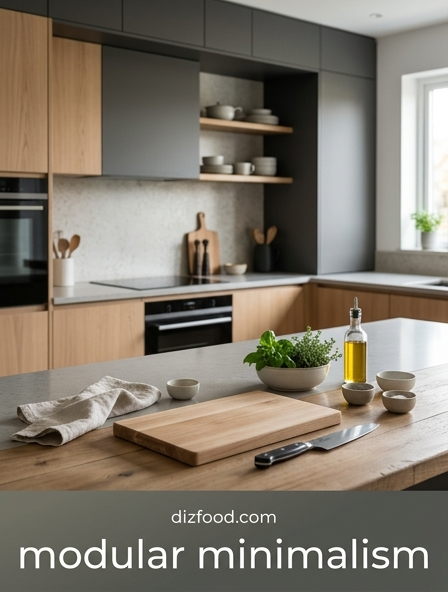
Modular Minimalism Basics for Single Chefs
Modular minimalism is a design philosophy that prioritizes functionality and essentialism, making it the ideal framework for the solo chef. In a one-person kitchen, every element must justify its existence. This approach moves away from the traditional, over-cluttered culinary space toward a streamlined environment where interchangeable units provide maximum flexibility. By utilizing modular components, a single chef can tailor the layout to their specific cooking habits, ensuring that tools and ingredients are precisely where they are needed most. The aesthetic is characterized by clean lines, handle-less cabinetry, and hidden storage solutions that reduce visual noise.
- Integrated appliances that save counter space.
- Adjustable shelving for varying ingredient heights.
- Uniform container systems for visual harmony.
- Multi-functional surfaces that serve as prep and dining areas.
The core of this style is the removal of the redundant. For the solo cook, this means owning high-quality, versatile tools rather than specialized gadgets that occupy valuable real estate. By embracing a minimalist mindset, the chef gains mental clarity and physical room to experiment, transforming the kitchen into a sanctuary of efficiency and modern design.
Strategic Workflow Design for Solo Efficiency
In a modular minimalist kitchen, workflow design is centered on the unique movements of a single user. Unlike larger family kitchens that account for multiple people crossing paths, the solo kitchen focuses on a condensed "work triangle" or a highly efficient linear flow. Strategic design ensures that the distance between the refrigerator, the sink, and the cooktop is minimized to reduce physical fatigue and save time. Every step saved during the cooking process contributes to a more seamless experience, allowing the chef to focus entirely on the task at hand.
Efficiency is further enhanced by placing modular units in a sequence that mirrors the natural cooking process: storage, then preparation, followed by cooking and cleaning. For a solo cook, this often means an L-shaped or galley configuration where pivots replace long walks. By aligning the height of modular units to the individual's ergonomics, the kitchen becomes an extension of the body. This strategic alignment reduces friction, allowing for a rapid transition from raw ingredients to a finished plate. The result is a high-performance environment that supports culinary creativity through disciplined spatial logic.
Streamlined Zones for Minimalist Meal Planning
Effective meal planning for the solo chef requires a kitchen divided into highly organized, streamlined zones. Minimalist design encourages the categorization of the kitchen into distinct areas, which simplifies inventory management and speeds up the assembly of ingredients. By dedicating specific modular sections to dry goods, cold storage, and prep tools, the chef can see exactly what is available at a glance. This visibility is key to reducing food waste and ensuring that meal planning remains a low-stress activity.
| Zone Type | Primary Function | Modular Component |
|---|---|---|
| Consumables | Ingredient storage | Pull-out pantry units |
| Preparation | Chopping and mixing | Seamless stone countertops |
| Cleaning | Washing and waste | Integrated deep-basin sinks |
When zones are clearly defined, the cognitive load on the cook is significantly decreased. Modular units allow for the customization of these zones; for instance, a baker might prioritize a deeper prep zone, while a stir-fry enthusiast might focus on a high-heat cooking zone. This level of specialization within a minimalist framework ensures that the kitchen remains uncluttered yet fully equipped for the user's specific dietary lifestyle.
Optimizing Small Kitchens with Modular Units
Small kitchens are the perfect canvas for modular units, which excel at maximizing every cubic inch of available space. For the solo resident, a small footprint is not a limitation but an opportunity for clever design. Modular cabinetry utilizes vertical space, reaching toward the ceiling to store items that are used less frequently. Hidden drawers within drawers and pull-out corner units ensure that no corner is left dark or inaccessible. This optimization is crucial for maintaining the "less is more" mantra of minimalism while still housing all the essentials.
- Wall-mounted rails for frequently used utensils.
- Magnetic backsplashes for knife organization.
- Fold-down tables for extra prep space.
- Compact, high-efficiency appliances.
The beauty of modularity lies in its adaptability. As the chef's needs change, units can be added, removed, or rearranged without requiring a full renovation. In a small space, this flexibility prevents the kitchen from feeling static or cramped. By choosing light-reflective materials and keeping surfaces clear of small appliances, the modular kitchen feels expansive and airy, providing a professional-grade experience within a modest footprint.
Ergonomic Layouts for Rapid Solo Cooking
Ergonomics is the study of efficiency in the working environment, and in a modular kitchen, it is tailored specifically to the solo chef's physical dimensions. Rapid cooking requires an environment where every movement is natural and fluid. This is achieved through the careful placement of modular modules at heights that prevent strain on the back and wrists. For a single cook, the primary reach zone-the area reachable without moving the feet-should contain the most essential tools, such as the chef's knife, cutting board, and primary spices.
A minimalist ergonomic layout also considers the "landing zones" next to appliances. Having a dedicated space to set down hot pans or ingredients fresh from the fridge prevents awkward movements and spills. Modular systems allow for the integration of pull-out surfaces that provide these landing zones only when they are needed, keeping the kitchen streamlined at all other times. When the physical environment is perfectly calibrated to the chef, the speed of cooking increases naturally. The kitchen stops being a series of obstacles and starts being a high-speed workshop where the chef can perform at their peak without physical compromise.
The Impact of Minimalism on Prep Speed
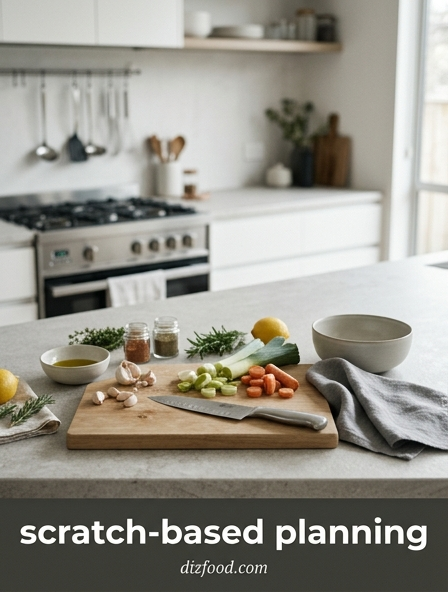
Minimalism has a profound impact on preparation speed by eliminating the distractions and obstacles that typically slow down a chef. In a cluttered kitchen, time is wasted searching for a specific lid or clearing space on the counter just to chop an onion. A minimalist modular kitchen removes these "micro-delays." With fewer items in sight and everything assigned a permanent modular home, the transition from starting a recipe to beginning the cook is near-instantaneous. The focus remains on the technique rather than the logistics of the space.
- Clear countertops allow for immediate prep work.
- Grouped tool sets reduce the time spent searching.
- Simplified inventory prevents ingredient hunting.
- Easy-to-clean surfaces reduce mid-prep maintenance.
The psychological effect of a clean, minimalist space cannot be overstated. A solo cook is more likely to engage in complex prep work when the environment feels manageable and organized. Modular systems contribute to this by providing specialized inserts for drawers, ensuring that every peeler, grater, and whisk is visible and accessible. This organized simplicity transforms prep work from a chore into a swift, rhythmic prelude to the cooking process.
Design Strategies for Reduced Kitchen Friction
Kitchen friction refers to the small frustrations that interrupt the flow of cooking, such as a heavy door that is hard to open or a spice cabinet that is too deep to see into. Design strategies in modular minimalism are specifically aimed at reducing this friction for the solo user. One primary strategy is the use of "touch-to-open" technology on all modular cabinets, allowing a chef with messy hands to access storage with a simple elbow tap. Another strategy is the integration of seamless transition points between the sink and the trash unit to make waste disposal effortless.
Materials also play a vital role in reducing friction. Non-porous, heat-resistant surfaces like quartz or high-grade stainless steel allow the chef to move hot pots and messy ingredients across the counter without fear of damage or difficult cleanup. By choosing a modular system that emphasizes smooth movement-such as soft-close drawers and pull-out swivel racks-the kitchen responds intuitively to the chef's needs. This lack of resistance creates a harmonious environment where the chef can maintain a "flow state," moving through the culinary process with ease and grace.
Functional Zoning for One Person Kitchens
Functional zoning is the cornerstone of a high-performance one-person kitchen. Unlike a traditional layout, a modular zoned kitchen is divided based on the type of activity rather than just the location of appliances. For the solo chef, these zones are often compact and overlapping to maximize efficiency. The goal is to create a "cockpit" effect where the user is at the center of all necessary zones. Modular units are the tools used to define these boundaries, ensuring that the "wet zone" for washing does not interfere with the "dry zone" for electronics or recipe tablets.
- Storage Zone: Modular pantry and refrigeration.
- Preparation Zone: Counter space and knife storage.
- Cooking Zone: Hob, oven, and heat-resistant surfaces.
- Cleaning Zone: Sink, dishwasher, and waste management.
- Plating Zone: Area for final presentation and serving.
In a minimalist modular setup, these zones are kept strictly organized. This prevents the "prep creep" where onion peels find their way into the plating area. By maintaining these functional boundaries, the solo chef ensures that each stage of the meal remains distinct and manageable, leading to better results and a more enjoyable cooking process.
Modular Organization for Strategic Meal Prep
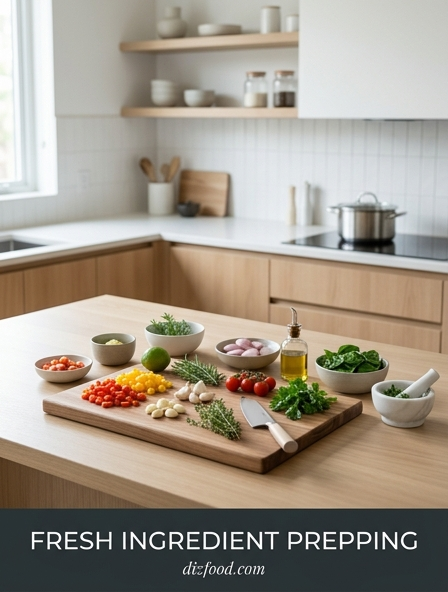
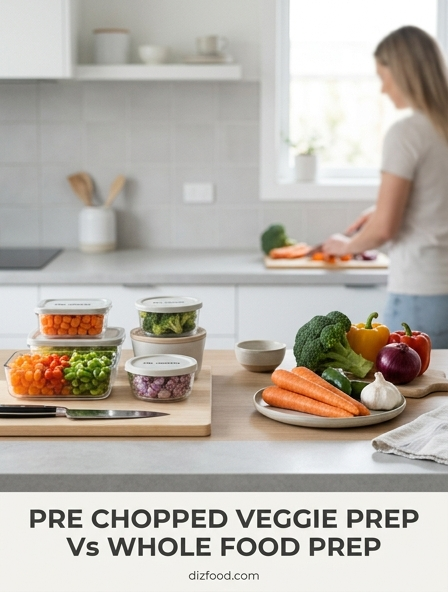
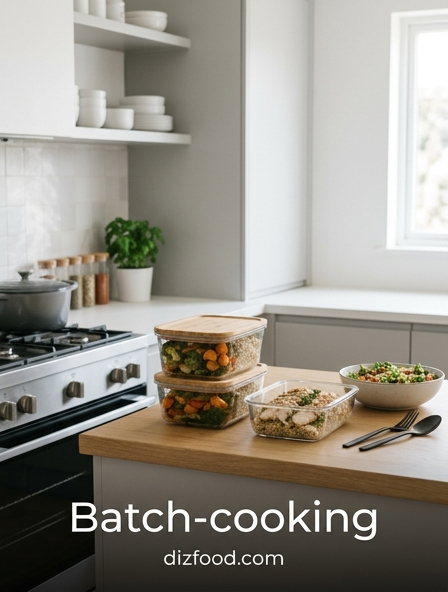
Strategic meal prep is a vital habit for the busy solo chef, and modular organization is the key to making it successful. A modular kitchen provides the structured environment necessary for batch cooking and systematic storage. This involves using standardized modules that fit perfectly within drawers and cabinets, maximizing every inch of space. For the solo cook, prepping ingredients in bulk on a Sunday requires a kitchen that can handle the sudden influx of containers and tools without becoming overwhelmed.
| Storage Type | Modular Feature | Solo Benefit |
|---|---|---|
| Dry Goods | Airtight stackable bins | Inventory clarity |
| Fresh Prep | Ventilated modular drawers | Extended shelf life |
| Prepared Meals | Uniform glass containers | Easy reheating/stacking |
The beauty of this organization is that it turns the kitchen into a high-efficiency processing plant. Modular dividers allow for the separation of different food groups, while labeled sections ensure that nothing is forgotten in the back of a shelf. This level of order supports a minimalist lifestyle by encouraging the chef to buy only what they need and use everything they buy, fostering a sustainable and efficient culinary habit.
Maximizing Efficiency through Minimalist Spatial Design
Minimalist spatial design focuses on the "air" within the kitchen as much as the furniture. For the solo chef, maximizing efficiency means creating a space that feels open and provides a clear line of sight. By avoiding bulky overhead cabinets and opting for slim modular shelving or recessed storage, the kitchen feels larger and less oppressive. This spatial freedom allows for better lighting, which is a critical yet often overlooked component of kitchen efficiency. Under-cabinet LED strips and task lighting ensure that every prep area is perfectly illuminated, reducing the risk of accidents and improving precision.
Furthermore, the use of a neutral color palette-a staple of minimalism-creates a calming environment that reduces stress during complex cooking tasks. Modular units in whites, grays, or natural woods reflect light and contribute to a sense of cleanliness. When a kitchen is designed with spatial intelligence, the solo chef moves more confidently and quickly. The design doesn't just look good; it actively facilitates a better cooking experience by removing physical and visual clutter, leaving only the essentials for the chef to master their craft.

Comments