
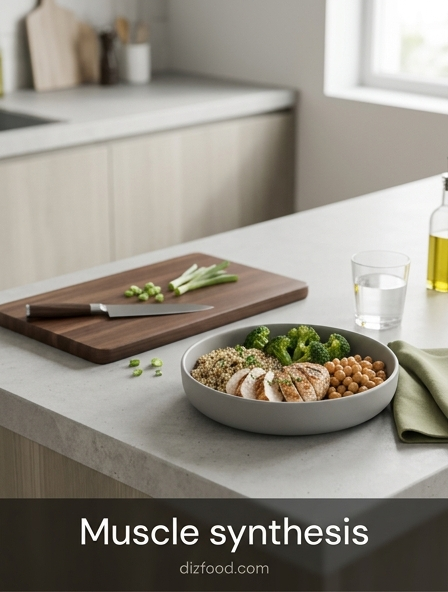
Kitchen Essentials for Muscle Protein Synthesis
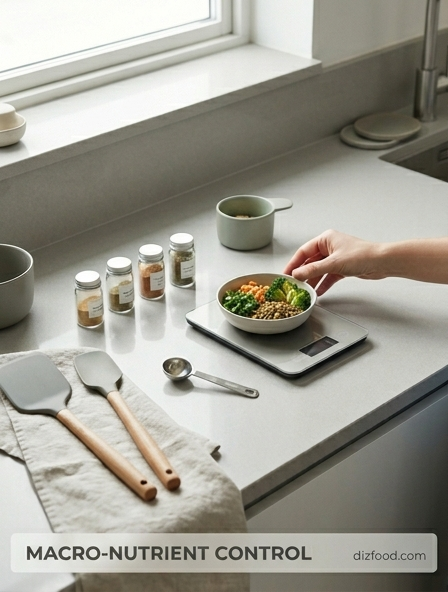
Equipping a kitchen for muscle protein synthesis (MPS) requires more than standard cookware; it demands precision tools that ensure nutritional targets are met consistently. A digital food scale is the most critical asset, allowing for the exact measurement of protein grams to ensure each meal hits the leucine threshold necessary to trigger the mTOR pathway. High-speed blenders facilitate the consumption of liquid nutrition, which is vital for post-workout windows when appetite may be suppressed but nutrient demand is at its peak.
- Digital Food Scale: For precise macronutrient tracking and portion control.
- Slow Cooker or Pressure Cooker: Ideal for preparing bulk quantities of lean meats like chicken breast or beef chuck.
- Air Fryer: Provides a method for crisping proteins without adding excessive inflammatory fats.
- Cast Iron Skillet: Enhances the Maillard reaction in steaks, potentially increasing the palatability of high-protein meals.
- BPA-Free Storage Containers: Essential for organizing pre-portioned meals to maintain consistency.
Having a dedicated space for supplementation, such as whey isolate or creatine monohydrate, ensures these ergogenic aids are integrated into the daily workflow. The organization of these tools directly influences the efficiency of the "kitchen-to-muscle" pipeline, reducing the friction associated with high-frequency eating schedules required for hypertrophy.
Designing Meal Plans for Maximum Hypertrophy
Effective meal planning for hypertrophy is a systematic process of aligning caloric surplus with adequate amino acid availability. The kitchen serves as a laboratory where raw ingredients are transformed into anabolic fuel. To maximize muscle growth, a meal plan must prioritize caloric density while ensuring that the protein-to-calorie ratio remains high enough to prevent excessive adipose tissue gain. This involves calculating a daily caloric target typically 250 to 500 calories above maintenance, which provides the energy necessary for the energetically expensive process of tissue remodeling.
Structure is paramount; a plan that fails to account for variety often leads to diet fatigue, which can stall progress. Incorporating diverse protein sources-ranging from avian and bovine to aquatic and plant-based-ensures a wide spectrum of micronutrients that support metabolic health. Furthermore, meal plans should be designed with "buffer" meals, which are quick-to-assemble options for high-stress days, ensuring that the muscle synthesis process is never interrupted by a lack of preparation. By treating the kitchen as a production line for growth, athletes can maintain the necessary consistency for long-term physiological adaptation.
Strategic Protein Distribution Across Daily Meals
Muscle protein synthesis is not a static state but a transient response to protein ingestion. Research indicates that rather than consuming a single large dose of protein, distributing intake evenly throughout the day results in a higher net protein balance. This "protein pacing" strategy involves providing the body with a bolus of 20 to 40 grams of high-quality protein every three to four hours. The following table illustrates an optimized distribution schedule for an individual targeting 200g of protein daily.
| Meal Time | Protein Target | Primary Source Example |
|---|---|---|
| 08:00 AM | 40g | Egg Whites and Greek Yogurt |
| 12:00 PM | 40g | Grilled Chicken Breast |
| 03:00 PM (Pre) | 40g | Whey Isolate Shake |
| 06:00 PM (Post) | 40g | Lean Ground Beef or Turkey |
| 10:00 PM | 40g | Micellar Casein or Cottage Cheese |
This distribution ensures that the "anabolic window" remains open for the duration of the day. Each meal acts as a trigger, effectively restarting the synthesis process. By utilizing the kitchen to prep these specific dosages, individuals can avoid the "muscle wasting" phases that occur during long periods of fasting or inadequate protein intake.
The Kitchen Role in Post Exercise Recovery
The post-exercise environment is characterized by heightened insulin sensitivity and a desperate need for substrate replenishment. The kitchen is the first stop in the recovery journey, where the focus shifts from performance to repair. The primary objective is to arrest the catabolic state induced by heavy lifting and initiate the repair of micro-tears in the muscle fibers. This is achieved through a combination of rapid-digesting proteins and high-glycemic carbohydrates.
- Immediate Glycogen Resynthesis: Preparing simple carbohydrates like white rice or cream of rice to replenish depleted stores.
- Amino Acid Sourcing: Utilizing fast-acting proteins like whey or hydrolyzed collagen to flood the bloodstream with amino acids.
- Inflammation Management: Integrating kitchen staples like turmeric or ginger into post-workout meals to modulate the inflammatory response.
- Hydration and Electrolytes: Mixing sea salt and potassium-rich foods into meals to restore fluid balance and prevent cramping.
The speed at which the kitchen can produce these nutrients is vital. Preparing "recovery bowls" in advance can significantly decrease the time between the final set and the first bite, optimizing the physiological transition from breakdown to buildup.
Optimizing Amino Acid Intake through Meal Prep
Muscle growth is fundamentally governed by the availability of Essential Amino Acids (EAAs), particularly the branched-chain amino acid leucine. Leucine acts as the nutritional "on-switch" for muscle protein synthesis. Effective meal prep in the kitchen focuses on selecting ingredients that provide a complete amino acid profile while ensuring bioavailability is maximized through proper cooking techniques. This means moving beyond simple caloric counting to an "amino-centric" approach.
- Leucine-Rich Bases: Incorporating corn-fed beef, salmon, and poultry as the core of every meal container.
- Plant-Based Complementarity: Pairing legumes with rice or hemp seeds with quinoa to create complete profiles for vegan athletes.
- Hydrolysis via Cooking: Utilizing moist-heat methods like poaching or stewing to make proteins easier to digest and absorb.
- Fortification: Adding nutritional yeast or egg whites to standard dishes to "top off" the amino acid content without adding significant volume.
By preparing these components in large batches, one ensures that every meal consumed meets the minimum threshold for anabolic signaling. The kitchen becomes the staging area for ensuring that no meal is "empty," providing the structural blocks required for the maintenance and growth of skeletal muscle.
Balancing Macronutrients to Support Muscle Repair
While protein is the architect of muscle, carbohydrates and fats are the construction crew and the energy source, respectively. A kitchen designed for muscle repair must provide a balanced ratio of these macronutrients to spare protein from being used as fuel. Carbohydrates stimulate insulin release, which is a potent anti-catabolic hormone, while healthy fats support the hormonal environment necessary for testosterone production. Balancing these requires a tactical approach to ingredient selection.
| Macronutrient | Function in Repair | Kitchen Source |
|---|---|---|
| Complex Carbs | Sustained energy and glycogen loading | Oatmeal, Sweet Potato |
| Simple Carbs | Rapid insulin spike for nutrient transport | Honey, Fruit, White Rice |
| Monounsaturated Fats | Hormone synthesis and inflammation control | Avocado, Olive Oil |
| Omega-3 Fatty Acids | Enhancing muscle protein sensitivity | Walnuts, Flaxseed, Salmon |
Integrating these elements into every meal ensures that the body has the energy to fuel the recovery process without tapping into its own lean tissue. The kitchen must be stocked with a variety of these sources to prevent nutrient deficiencies that could otherwise impede the rate of hypertrophy.
Nutrient Density and Performance Focused Cooking
Performance-focused cooking transcends simple macro-counting by emphasizing nutrient density-the concentration of vitamins and minerals per calorie. For muscle synthesis, micronutrients like magnesium, zinc, and Vitamin D play supportive roles in muscle contraction, protein metabolism, and hormonal health. A kitchen that prioritizes performance focuses on whole-food sources rather than highly processed alternatives. This involves a shift toward vibrant, colorful ingredients that signal a high antioxidant content, helping to mitigate oxidative stress caused by intense training.
Cooking methods play a significant role in preserving these nutrients. Steaming vegetables rather than boiling them, and searing meats at moderate temperatures, helps maintain the integrity of the vitamins and minerals within. Furthermore, the use of fresh herbs and spices-such as garlic, rosemary, and cinnamon-not only enhances flavor without adding calories but also provides bioactive compounds that improve insulin sensitivity. By focusing on the quality of every ingredient, the kitchen becomes a tool for optimizing systemic health, which provides a more robust foundation for the specific demands of muscle hypertrophy and athletic performance.
Timing Your Kitchen Output for Training Windows
The timing of kitchen output must be synchronized with the athlete's training schedule to optimize the "nutrient-to-effort" ratio. Pre-workout kitchen activity should focus on high-carb, moderate-protein, and low-fat meals to ensure rapid gastric emptying and available glucose. Conversely, the evening kitchen output should prioritize slow-digesting proteins to provide a steady stream of amino acids during the nocturnal fasting period. This temporal management of food preparation ensures that the body is never in a state of nutrient scarcity during critical growth periods.
- T-Minus 2 Hours: Preparation of a balanced meal with complex starches to fuel the upcoming session.
- T-Minus 30 Minutes: Small, liquid-based nutrient hit if the previous meal was insufficient.
- Intra-Workout: Preparation of electrolyte-rich beverages to be consumed during the session.
- Immediate Post-Workout: Rapid assembly of high-GI carbs and fast-acting proteins.
- Pre-Sleep: A kitchen ritual of preparing casein or dairy-based snacks for overnight repair.
This logistical approach prevents the "hunger-induced" poor decision-making that often occurs after a grueling gym session. By having the kitchen output timed perfectly, the athlete can move seamlessly from work to replenishment.
Building a Pantry for Sustainable Muscle Growth
A pantry optimized for muscle growth is built on staples that are shelf-stable, cost-effective, and nutrient-dense. This "muscle-pantry" serves as a fail-safe against missed grocery runs and ensures that the fundamental building blocks of hypertrophy are always within reach. The focus is on versatility, allowing for the quick assembly of meals that fit into any macronutrient requirement. Sustainability in muscle growth relies on the ability to maintain the diet through various life stresses, which a well-stocked pantry facilitates.
- Grains and Starches: Brown rice, quinoa, and whole-wheat pasta for reliable carbohydrate bases.
- Canned Proteins: Tuna, sardines, and beans for immediate, high-protein additions.
- Healthy Oils: Extra virgin olive oil and coconut oil for caloric density and healthy fats.
- Nut Butters: Almond or peanut butter for an easy way to increase caloric intake during a bulk.
- Bulk Spices: Cumin, paprika, and chili powder to keep high-protein meals palatable.
By treating the pantry as a strategic reserve, the kitchen remains a functional space for growth even when fresh ingredients are low. This level of preparation is what separates those who make temporary gains from those who sustain a high-performance physique over years of training.
From Prep to Performance Muscle Synthesis Science
The transition from meal prep to performance is underpinned by the science of bioavailability and metabolic signaling. Cooking is essentially a pre-digestive process; by breaking down tough fibers and denaturing proteins in the kitchen, we increase the efficiency with which our bodies can extract and utilize these nutrients. For instance, cooking eggs increases the digestibility of the protein from approximately 50% to 90%. Understanding these scientific nuances allows the kitchen to become an extension of the digestive system, maximizing the "anabolic bang" of every bite.
Furthermore, the psychological impact of a well-organized kitchen cannot be overlooked. When the environment is optimized for muscle synthesis science, it reinforces the athlete's identity and commitment to their goals. The discipline required to prep meals, weigh ingredients, and time intake translates directly to the discipline required in the weight room. Ultimately, the synthesis of new muscle tissue is a 24-hour process that relies heavily on the output of the kitchen. By mastering the science of food preparation, one ensures that the hard work performed during training is fully realized through physiological growth and structural repair.





Comments