
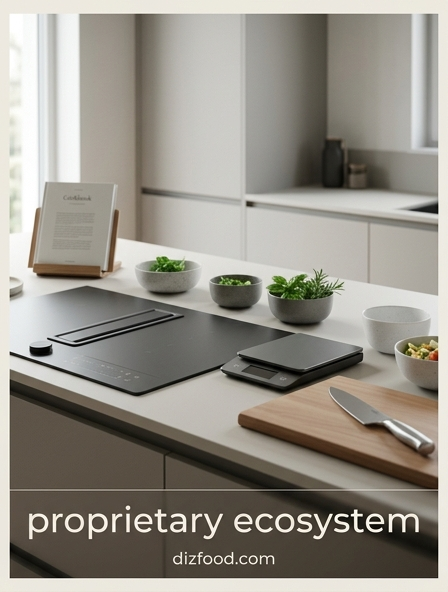
Bridging Smart Fridge Data Gaps
Smart refrigerators have evolved into the central hub of the modern kitchen, yet they often function as isolated data islands. While these appliances excel at tracking internal temperatures and displaying high-resolution internal photos, the metadata regarding food expiration and stock levels frequently remains trapped within the manufacturer's specific operating system. Bridging these data gaps requires a shift toward open-source inventory management that can interpret the proprietary signals sent by internal cameras and weight sensors.
The primary challenge lies in the lack of a unified semantic language for food items across different brands. A carton of milk identified by one brand's vision AI may not be recognized by another's shopping list app. To overcome this, users are increasingly turning to middleware solutions that scrape these interfaces to centralize data. Key areas where gaps occur include:
- Real-time expiration alerts across non-native mobile devices.
- Dynamic shopping list updates based on physical weight sensors.
- Cross-platform notification synchronization for open-door alerts.
- Integration of internal inventory with external recipe suggestion engines.
Exporting Walled Garden Recipe Lists
Digital recipe boxes often serve as the ultimate walled garden in the culinary world. Many high-end kitchen ecosystems encourage users to save and categorize recipes within their proprietary apps, making it exceptionally difficult to migrate that personal data to a different platform if the user decides to switch brands. This vendor lock-in is maintained through custom file formats and the absence of a simple "Export to CSV" or "Markdown" function. Reclaiming this data involves understanding the underlying structure of these digital lists.
- Identify the web-portal equivalent of the mobile app to check for hidden print-to-PDF options.
- Utilize browser-based scraping tools to extract ingredient lists and instructions into a structured JSON format.
- Map the extracted data to universal schema tags like "recipeIngredient" and "recipeInstructions."
- Import the standardized file into an open-source manager like Mealie or Grocy.
By breaking these recipes out of their original silos, home cooks ensure that their culinary history remains portable and accessible regardless of which smart oven or tablet they choose to use in the future.
Interoperability for Connected Kitchen Appliances
The dream of a fully automated kitchen is often deferred by the reality of competing communication protocols. A smart dishwasher from one manufacturer rarely communicates with a smart range from another, leading to a fragmented user experience where every device requires a separate application. True interoperability hinges on the adoption of universal standards like Matter and Thread, which aim to provide a common language for device discovery and control. Without these, the kitchen remains a collection of expensive, isolated gadgets rather than a cohesive system.
| Protocol | Pros | Cons |
|---|---|---|
| Zigbee | Low power, local control | Requires specific hub |
| Matter | Cross-brand compatibility | Slow industry adoption |
| Proprietary API | Deep feature access | Total vendor lock-in |
For the consumer, the goal is to achieve "local-first" control, ensuring that the oven can still be preheated or the coffee maker started even if the manufacturer's cloud servers experience an outage or the company goes out of business.
Syncing Proprietary Grocery App Data
Grocery stores and delivery services have created highly efficient but closed ecosystems for food procurement. These apps track every purchase, creating a rich history of consumption habits that could be invaluable for health tracking or automated inventory management. However, this data is rarely shared outside the retailer's own application. Syncing this proprietary data requires the use of third-party aggregators or manual intervention to bridge the gap between "purchased" and "stocked."
When a user buys groceries through a specific retailer's app, the items exist in a digital vacuum. To make this data useful, it must be pushed to a kitchen management system that can deduct items as they are consumed. This requires a robust synchronization layer that can handle mismatched SKU numbers and varying units of measurement. The lack of an industry-wide API for grocery receipts means that most users are left with fragmented records, unable to see a holistic view of their spending or nutritional intake without significant manual data entry across multiple platforms.
Standardizing Nutrition Labels Across Platforms
Accurate nutritional tracking in a smart kitchen is often hindered by the inconsistent way different platforms interpret label data. One app might pull data from a verified USDA database, while another relies on crowdsourced information that may be outdated or incorrect. For individuals managing specific health conditions, these discrepancies can lead to significant errors in macro and micronutrient calculations. Standardizing this data involves creating a single source of truth that all kitchen appliances can reference.
- Verification of barcode data against global food databases.
- Conversion of volumetric measurements to weight-based metrics for precision.
- Unified logging of additives and allergen warnings across all devices.
- Integration of cooking loss factors (nutrient changes during heating).
Until a universal nutrition API is widely adopted, the responsibility falls on the user to verify that their smart pan and their fitness tracker are reading from the same data set. This synchronization is vital for creating a reliable feedback loop between the food prepared in the kitchen and the health goals of the household members.
Bypassing Brand Specific Meal Plan Locks
Subscription-based meal kit services and high-tech appliance brands often bundle their hardware with exclusive meal planning software. These "locks" prevent the appliance from utilizing its full range of automated features-such as programmed steam cycles or multi-stage convection-unless the user follows the brand's specific, paid recipes. Bypassing these locks is essential for users who want to use their premium hardware for independent culinary experimentation without being tethered to a monthly subscription fee.
- Identify the manual override settings within the appliance's firmware.
- Reverse-engineer the heating profiles used in proprietary recipes to create custom presets.
- Utilize community-driven platforms that share "unlocked" cooking parameters for specific models.
- Disable cloud-dependency features that restrict offline functionality.
Reclaiming the hardware allows the cook to treat the smart oven as a versatile tool rather than a controlled delivery system for a specific brand's food products. This freedom fosters a more sustainable kitchen environment where the longevity of the appliance is not tied to the survival of a specific software service.
Aggregating Inventory From Closed Ecosystems
The modern pantry is often split between various "smart" containers and standard shelving, creating a visibility crisis for the home cook. Some high-end storage solutions include built-in scales or RFID tags to track contents, but they typically only report back to their own dedicated app. To get a complete picture of what is available for dinner, one must aggregate data from the fridge, the smart pantry, and the manual wine cellar inventory. This aggregation is the cornerstone of reducing food waste and optimizing grocery spending.
| Storage Type | Tracking Method | Data Portability |
|---|---|---|
| Smart Bin | Weight Sensors | Low (Proprietary) |
| Connected Fridge | Internal Cameras | Medium (API dependent) |
| Manual Pantry | Barcode Scanning | High (User controlled) |
By consolidating these sources into a unified dashboard, users can implement "First-In, First-Out" (FIFO) strategies more effectively. This centralized view prevents the common mistake of over-purchasing items that are hidden in a different brand's digital silo, ultimately leading to a more efficient and cost-effective kitchen.
Universal Formatting for Digital Recipe Boxes
As the number of culinary websites and apps grows, the need for a universal formatting standard for digital recipes becomes more urgent. Currently, a recipe saved from a blog may look entirely different when imported into a smart oven's display. This lack of consistency leads to errors in cooking times and ingredient proportions. Utilizing standardized formats like Schema.org's Recipe markup ensures that data remains clean, searchable, and interpretable by any machine-readable interface in the kitchen.
A universal format allows for the seamless translation of instructions between different languages and measurement systems. For example, a recipe written in metric units can be automatically converted for a US-based smart scale without losing the original context or metadata. Furthermore, standardized formatting enables better accessibility, allowing screen readers and voice assistants to navigate complex multi-step instructions without getting lost in the clutter of proprietary advertisements or blog intros. This technical foundation is what will eventually allow the "recipe" to become a portable asset that travels with the user across any device or platform.
API Workarounds for Smart Appliance Silos
When manufacturers refuse to open their ecosystems, tech-savvy users often turn to API workarounds to regain control over their appliances. Many smart devices communicate with a cloud server using REST APIs that, while not officially documented for public use, can often be intercepted or reverse-engineered. These workarounds allow enthusiasts to integrate their appliances into home automation platforms like Home Assistant or OpenHAB, effectively bypassing the manufacturer's restrictive mobile app.
- Using "Cloud Polling" to extract status updates from ovens and washers.
- Implementing "Local Tuya" or similar scripts to control devices without internet access.
- Employing packet sniffing to identify the command structures for specific kitchen functions.
- Creating virtual switches that trigger proprietary "scenes" through voice assistants.
While these methods require a higher level of technical proficiency, they provide the only current path toward true kitchen autonomy. By routing appliance commands through a local server, users can create complex automations-such as dimming the kitchen lights when the oven reaches preheat temperature-that are impossible within the brand's original walled garden.
Reclaiming Ownership of Personal Meal Data
The data generated in a kitchen-what we eat, when we cook, and how we use our appliances-is deeply personal and highly valuable to marketers. In a proprietary ecosystem, this data is often owned by the corporation rather than the individual. Reclaiming ownership of this personal meal data is a matter of both privacy and digital sovereignty. Users must demand the ability to delete their data from corporate servers and export it for their own long-term storage and analysis.
True ownership means having the power to choose who sees your consumption habits. By using local-first databases and avoiding "always-online" kitchen gadgets, consumers can mitigate the risks of data breaches and intrusive advertising. As the kitchen becomes more connected, the focus must shift from mere convenience to the ethical management of the information generated within the home. Storing meal histories and nutritional logs on personal hardware ensures that this data remains a tool for the user's self-improvement, rather than a product to be sold to the highest bidder in the food and insurance industries.


Comments