
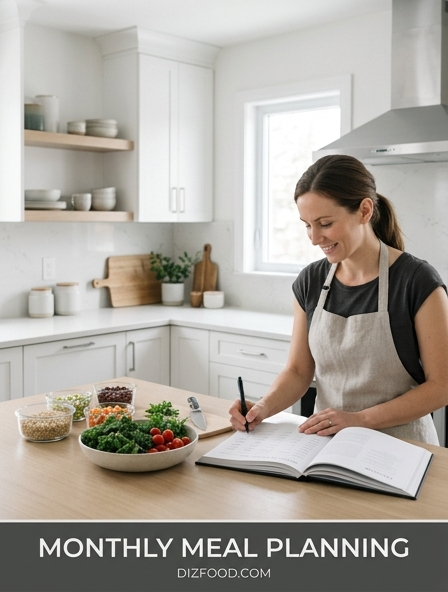
Benefits of Monthly Meal Planning
Adopting a monthly meal planning strategy transforms the kitchen from a place of daily stress into an organized hub of efficiency. By mapping out thirty days of nutrition in advance, individuals significantly reduce decision fatigue, which often leads to unhealthy takeout choices or repetitive, uninspired cooking. This long-term approach allows for a bird's-eye view of nutritional balance, ensuring a diverse intake of vitamins and minerals throughout the weeks.
- Reduced Stress: Eliminates the "what's for dinner" panic every afternoon.
- Financial Predictability: Provides a clear budget based on a comprehensive shopping list.
- Healthier Choices: Encourages portion control and the use of whole ingredients.
- Time Reclaimed: Consolidates shopping trips and prep time into manageable blocks.
Furthermore, the psychological benefit of having a structured plan cannot be overstated. It fosters a sense of control over one's schedule and household resources. When the menu is predetermined, the cook can focus on the creative process of food preparation rather than the logistical burden of acquisition and selection.
Inventory Management for Maximum Efficiency
Before a single recipe is chosen for the month, a thorough audit of the kitchen's current stock is essential. Inventory management prevents the common mistake of purchasing duplicates and ensures that existing items are used before they reach their expiration dates. A systematic check of the pantry, refrigerator, and freezer provides a baseline for the upcoming month's needs.
| Zone | Checklist Items | Action Required |
|---|---|---|
| Pantry | Grains, Canned Goods, Spices | Organize by expiration date |
| Freezer | Proteins, Frozen Veggies | Label and rotate older items to front |
| Fridge | Condiments, Dairy, Produce | Clear out near-expiry perishables |
Using a digital spreadsheet or a simple whiteboard helps maintain a "living" document of what is available. This practice not only saves money but also optimizes storage space, allowing the kitchen to function as a high-efficiency environment where ingredients are easily accessible and never forgotten in the back of a shelf.
Bulk Buying Strategies for Long Term Savings
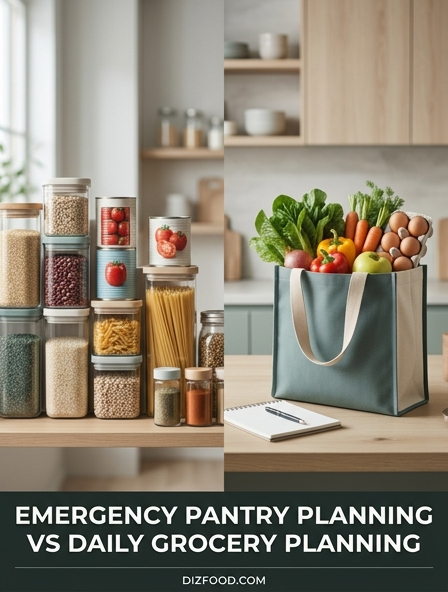
Monthly planning creates the perfect opportunity to utilize bulk purchasing without the risk of spoilage. When you know your menu for the next four weeks, you can buy staples in larger quantities, significantly lowering the unit price per meal. This strategy is particularly effective for non-perishable items and products that have a long shelf life when stored correctly.
- Dry Staples: Rice, pasta, oats, and legumes are cheaper in 10lb or 20lb bags.
- Aromatics: Buying onions, garlic, and potatoes in larger sacks provides the base for dozens of meals.
- Baking Supplies: Flour, sugar, and oils are essential foundations that benefit from bulk pricing.
- Frozen Goods: Large bags of frozen fruits and vegetables maintain nutritional value for months.
The key to successful bulk buying is ensuring you have the storage capacity to house these items. Properly sealing bulk goods in airtight containers prevents pest infestation and moisture damage, preserving the quality of your investment. By focusing on these high-volume essentials, households can slash their monthly grocery expenditure by up to thirty percent.
Batch Cooking and Freezer Organization
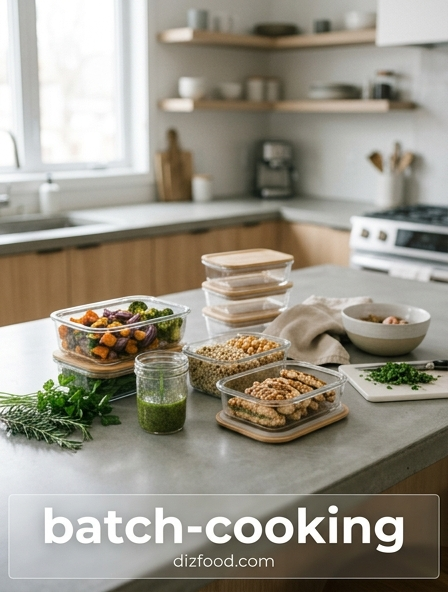
Batch cooking is the engine that drives a successful monthly meal plan. By dedicating one or two days to preparing large quantities of base ingredients or entire meals, you create a personalized "convenience store" within your own freezer. This method minimizes daily cleanup and maximizes the use of kitchen appliances, as ovens and stovetops can be used at full capacity during prep sessions.
- Prepare large-scale proteins, such as shredded chicken or roasted chickpeas, to be used in multiple recipes.
- Simmer massive pots of sauces or soups that can be portioned into family-sized containers.
- Label every container with the dish name, date of preparation, and reheating instructions.
- Utilize a "First In, First Out" (FIFO) system to ensure older meals are consumed first.
Effective freezer organization is vital; using flat-laying freezer bags for liquids like soups can save immense amounts of space. By stacking these "bricks" vertically, you can see your entire monthly inventory at a glance, preventing the loss of meals at the bottom of a chest freezer.
Designing a Reusable Monthly Menu Template
A reusable template acts as a blueprint that can be tweaked slightly each month to accommodate seasonal changes or special occasions. Instead of starting from scratch every thirty days, a structured grid allows you to slot in familiar favorites and new experiments within a proven framework. This consistency helps the household know what to expect and simplifies the grocery list generation process.
| Week Category | Monday | Wednesday | Friday |
|---|---|---|---|
| Week 1: Comfort | Pasta Bake | Stir Fry | Pizza Night |
| Week 2: International | Curry | Tacos | Burgers |
| Week 3: Slow Cooker | Pot Roast | Chili | Sheet Pan Fish |
This thematic approach ensures variety while reducing the mental load of planning. A template can also account for "leftover nights" or "pantry challenge" days, which provide flexibility for busy schedules. Once the template is established, the transition from one month to the next becomes a simple matter of rotating proteins or varying vegetable choices based on current availability.
Smart Shopping to Reduce Grocery Bills
Smart shopping is the tactical execution of your monthly plan. Once the menu is set and the inventory is checked, the resulting shopping list becomes a strict guide that prevents impulse purchases. Buying for an entire month requires a strategic approach to how and when you visit the store, focusing on sales cycles and store brands that offer comparable quality at a fraction of the cost.
- Shop the Perimeter: Focus on whole foods and only enter middle aisles for specific list items.
- Digital Coupons: Utilize store apps to stack discounts on top of planned bulk buys.
- Generic Brands: Opt for store-brand staples like salt, flour, and canned beans to save significantly.
- Limit Trips: Fewer visits to the store directly correlate with fewer unplanned purchases.
Shopping with a full stomach and a clear list is the best defense against marketing tactics designed to increase spending. By strictly adhering to the monthly requirements, you ensure that every dollar spent contributes to a pre-planned meal, virtually eliminating the financial leak of forgotten produce and "just in case" items.
Preventing Food Waste in the Kitchen
Monthly meal planning is one of the most effective tools for achieving a zero-waste kitchen. When every ingredient has a designated purpose and a scheduled date of consumption, the likelihood of items rotting in the crisper drawer diminishes. Preventing waste is not only an environmental victory but also a financial one, as the average household discards a significant percentage of their purchased food.
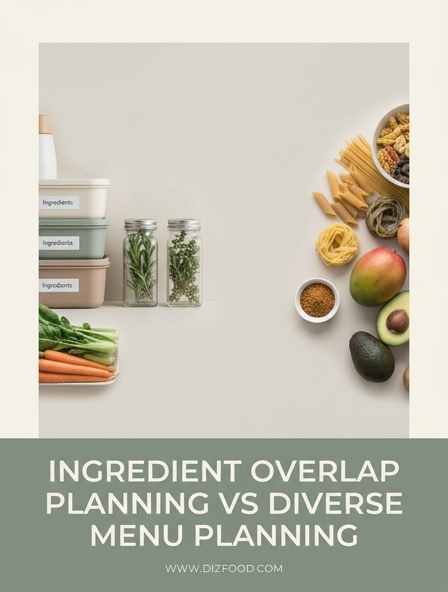
- Plan meals with overlapping ingredients to ensure fresh produce is used in its entirety.
- Transform vegetable scraps and meat bones into rich stocks for future soups.
- Repurpose leftovers into entirely new dishes, such as turning roast vegetables into a frittata.
- Monitor fridge temperatures to keep perishables at their optimal preservation state.
A "Use First" bin in the refrigerator can highlight items that are nearing their expiration, signaling to family members that those ingredients should be prioritized for snacks or meals. By viewing every scrap as a resource, the kitchen becomes more sustainable and cost-effective, ensuring that your monthly budget stretch as far as possible.
Optimizing Pantry and Fridge Storage
The physical organization of your kitchen determines how easily you can execute your monthly plan. An optimized storage system ensures that ingredients are visible, accessible, and kept in conditions that maximize their lifespan. This involves using the right containers and categorizing items in a way that aligns with your cooking habits.
- Clear Containers: Use transparent bins for grains and snacks to see stock levels easily.
- Zoning: Group ingredients by function, such as a "baking zone" or a "breakfast station."
- Door Storage: Reserve the refrigerator door for condiments and high-acid items that tolerate temperature swings.
- Uniformity: Stacking square containers utilizes corner space better than round ones.
Labels are the final touch in an organized kitchen, helping everyone in the household maintain the system. When everything has a dedicated home, the "mise en place" for any meal becomes faster. Proper storage also protects your bulk investments from spoilage, ensuring that the ingredients you bought on day one are still fresh and flavorful on day thirty.
Seasonal Ingredients and Meal Rotation
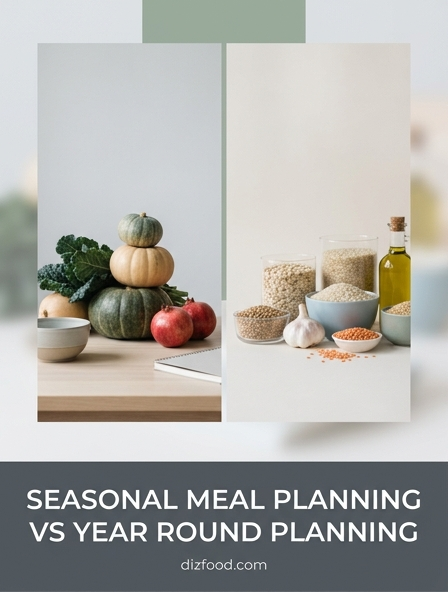
Integrating seasonality into a monthly meal plan improves both the flavor of the food and the health of the budget. Produce that is in season is generally more abundant, tastes better, and is sold at lower prices. By rotating your monthly menu to reflect the harvest, you prevent culinary boredom and take advantage of the natural variety offered throughout the year.
| Season | Key Ingredients | Recommended Dishes |
|---|---|---|
| Spring | Asparagus, Peas, Greens | Light Risottos, Fresh Salads |
| Summer | Tomatoes, Corn, Berries | Grilled Kebabs, Salsas |
| Autumn | Squash, Apples, Root Veg | Hearty Stews, Roasted Trays |
| Winter | Citrus, Cabbage, Potatoes | Slow-cooked Roasts, Braises |
Rotation also means varying the types of cuisine and cooking methods used each week. If week one is heavy on oven-roasting, week two might focus on quick stovetop sautés. This balance prevents burnout and keeps the household excited about the upcoming menu, making the commitment to a monthly plan much easier to maintain long-term.
Streamlining Your Kitchen Workflow
The ultimate goal of monthly planning is a streamlined workflow that makes cooking feel like a seamless part of the day rather than a chore. Streamlining involves setting up your environment and your habits to reduce friction. This includes everything from the way you clean to the way you prepare your workstation before the heat is turned on.
- Practice "Mise en Place" by chopping and measuring all ingredients before you start cooking.
- Clean as you go to ensure that the kitchen is tidy by the time the meal is served.
- Keep frequently used tools, like chef's knives and cutting boards, within arm's reach.
- Set aside a specific "prep day" each week to handle small tasks like washing lettuce or portioning snacks.
By refining these workflows, you reduce the time spent in the kitchen without sacrificing the quality of the food. An efficient kitchen allows the cook to remain present and relaxed, turning meal preparation into a rewarding ritual. Combined with a monthly plan, these habits create a sustainable system that supports a healthy, organized, and budget-conscious lifestyle.

Comments