
Deciding between hitting the aisles or tapping an app isn't just about convenience-it's a strategic financial choice that impacts your monthly budget. While grocery delivery services often carry a reputation for being a luxury due to service fees and driver tips, they serve as a high-tech deterrent against the "impulse buy" trap that plagues traditional shoppers. By contrast, in-store shopping allows you to bypass markups and hand-pick the best clearance deals, but it frequently results in a higher total at the register due to unplanned items and the hidden cost of fuel and time. Whether you save more money depends on your ability to resist sensory marketing in-person versus your willingness to pay a premium for the precision and discipline of a digital shopping cart.
| Feature | In-Store Shopping | Grocery Delivery Services |
|---|---|---|
| Product Pricing | Standard shelf pricing; access to in-store "manager specials." | Often 5-15% markups per item depending on the platform. |
| Added Fees | $0 (excluding personal transportation/fuel costs). | $3.99-$9.99 delivery fees + 5-10% service fees + tips. |
| Impulse Spending | High; 40% of shoppers spend more than planned in-aisle. | Low; search-based shopping reduces "eye-candy" purchases. |
| Time Efficiency | 1-2 hours per trip (commute, shopping, checkout). | 15-20 mins for digital checkout; saves ~50 hours annually. |
| Quality Control | Total; you select the specific ripeness and expiration dates. | Variable; relies on the shopper's discretion and store stock. |
| Best For... | Budget-conscious shoppers with flexible schedules. | Busy professionals and those prone to overspending in-person. |
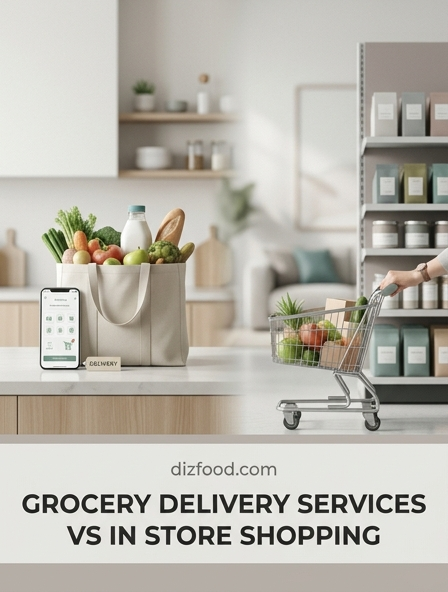
Grocery Delivery vs In-Store Shopping Price Comparison
When evaluating the financial impact of grocery delivery versus traditional in-store shopping, the most immediate difference is often found in the unit price of goods. Many third-party delivery platforms apply a markup to store prices, meaning the gallon of milk that costs $3.50 on the shelf might appear as $3.85 in the app. These incremental increases across a full pantry restock can lead to a total bill that is 10% to 20% higher before any service fees are even applied. Furthermore, in-store shoppers have immediate access to "manager specials" or clearance items-produce or meats nearing their sell-by date-which are rarely listed on digital platforms.
| Expense Category | In-Store Shopping | Grocery Delivery |
|---|---|---|
| Item Base Price | Standard Shelf Price | Often Marked Up (5-15%) |
| Promotions | Physical Coupons & Clearance | Digital Coupons Only |
| Service Fees | $0.00 | $3.99 - $9.99 per order |
| Transportation | Fuel & Vehicle Wear | Subscription or Delivery Fee |
However, the comparison is not entirely one-sided. In-store shoppers frequently succumb to the "invisible" costs of fuel and vehicle maintenance, which are often overlooked when calculating the total cost of a trip. Additionally, the ability to see a running total in a digital cart prevents the "checkout shock" that occurs when an in-person shopper realizes they have exceeded their budget only after the cashier has scanned every item. For those who struggle with strict budgeting, the digital interface provides a level of financial transparency that physical aisles lack.
Time Savings and Convenience of Online Grocery Apps
The primary driver for the adoption of online grocery services is the profound recovery of personal time. For the average household, a comprehensive grocery trip involves commuting, navigating crowded aisles, waiting in checkout lines, and loading the vehicle-a process that can easily consume two hours of a weekend. Online platforms reduce this labor to a few minutes of screen interaction. Most apps utilize sophisticated algorithms to remember previous purchases, allowing users to "reorder all" or pick from a "frequently bought" list, effectively streamlining a week's worth of logistics into a sixty-second task.
- Syncing Schedules: Deliveries can be timed to arrive precisely when you return from work, eliminating the need for an extra stop.
- Multitasking: Shopping can be completed during a lunch break, on a commute, or late at night when physical stores might be closed or understaffed.
- Inventory Checking: Shopping from your own kitchen allows you to physically check the pantry while adding items to the cart, preventing duplicate purchases.
- Search Efficiency: Instead of walking through ten aisles to find a niche ingredient like tahini, a search bar locates the item instantly.
This convenience extends beyond the act of buying. The mental load of rememberance is significantly reduced. In-store shopping requires a high degree of focus and physical stamina, whereas digital shopping accommodates the "as-you-go" method. If a parent realizes they are low on diapers on Tuesday, they can add them to a digital cart immediately and wait until Friday to hit "order," ensuring nothing is forgotten during a frantic weekend dash.
Freshness and Quality Control in Produce Selection
One of the most significant psychological hurdles for delivery services is the relinquishment of quality control. When shopping in person, a consumer uses their senses to evaluate food: they squeeze avocados for ripeness, check the expiration dates on the back of the milk shelf, and inspect berry containers for hidden mold. There is a inherent trust gap when a third-party "personal shopper" is tasked with these decisions. While many services train their employees to pick the best available items, the shopper's definition of "ripe" may not align with the customer's intent to eat that fruit five days later.
The logistics of delivery also introduce variables that can affect freshness. Once items leave the temperature-controlled environment of the store, they are subject to the climate inside a delivery vehicle. If a driver has multiple stops, frozen items may begin to soften, and leafy greens may wilt in heat. While many services use insulated bags or dry ice, these measures are not always perfect. Conversely, in-store shopping allows for the "cold chain" to be managed directly by the consumer, who can use their own cooler bags and drive straight home.
Substitutions represent another point of contention in quality control. If a specific organic brand of spinach is out of stock, a delivery shopper might substitute it with a conventional alternative or a different size. In person, the consumer can make an immediate pivot-perhaps deciding that if the spinach looks poor, they will buy kale instead. This real-time decision-making ensures that the kitchen is always stocked with ingredients that meet the cook's specific standards for that evening's meal.
The Environmental Impact of Delivery vs Driving
The environmental debate between delivery and in-store shopping involves a complex look at logistics and carbon footprints. At first glance, having a heavy van drive to your house might seem less efficient than taking a small sedan to the store. However, logistics experts often point to the "last mile" efficiency of delivery routes. A single delivery van can replace twenty individual car trips by following a mathematically optimized route, significantly reducing the total miles traveled and the associated carbon emissions. This is essentially the "bus vs. car" logic applied to groceries.
- Route Optimization: Algorithms ensure vans take the shortest path between multiple drops, reducing idling and fuel waste.
- Packaging Waste: Delivery often involves excessive plastic bags, cardboard, and sometimes insulated liners or ice packs that are difficult to recycle.
- Vehicle Type: Many modern delivery fleets are transitioning to electric or hybrid vehicles, whereas the average consumer vehicle may still be internal combustion.
On the other hand, in-store shopping allows for more sustainable consumer habits that are difficult to replicate via delivery. Shoppers can use their own reusable cloth bags, purchase items from bulk bins using their own containers, and select produce without plastic "produce bags." Delivery services almost universally rely on single-use plastics or paper for sorting and hygiene reasons. Therefore, while delivery may win on fuel efficiency through route density, in-store shopping often wins on waste reduction. The "greener" choice depends heavily on whether the consumer prioritizes carbon emissions or plastic waste reduction.
Hidden Costs of Online Grocery Services Explained
While the convenience of grocery delivery is undeniable, the true cost is often obscured by a fragmented pricing structure. Consumers frequently focus on the "delivery fee" without accounting for the multiple other layers of expense that inflate the final bill. These costs are designed to cover the high overhead of logistics, including the shopper's labor, the driver's fuel, and the platform's technological maintenance. Understanding these costs is essential for any household attempting to maintain a strict kitchen budget.
| Fee Type | Description | Average Cost |
|---|---|---|
| Service Fee | Covers the platform's operating costs; often a percentage of the total. | 5% - 10% |
| Delivery Fee | The flat rate charged for the transport of goods to your door. | $3.99 - $12.99 |
| Driver Tip | Critical income for gig workers; standard etiquette suggests 15-20%. | $5.00 - $25.00 |
| Heavy Item Surcharge | Extra fees for cases of water, pet food, or bulk items. | $1.50 - $5.00 |
Beyond these explicit fees, the "markup" remains the most significant hidden cost. Because many stores do not pay the delivery platform to be listed, the platform adds a margin to each item to generate profit. This means the consumer is effectively paying a premium for every individual carrot and loaf of bread. When combined with the lack of "in-store only" coupons and the tip for the driver, a $100 grocery bill can easily balloon to $140. For many, this 40% premium is the price of time, but for others, it represents a significant drain on monthly savings.
Psychology of Impulse Buying In-Store vs Online
Retail environments are meticulously engineered to encourage impulse spending. From the scent of rotisserie chicken near the entrance to the placement of high-margin snacks at eye level, physical stores leverage sensory triggers to bypass a shopper's rational budget. The "endcap" displays-items placed at the end of aisles-often trick the brain into thinking a product is on sale, even if it is sold at full price. Research indicates that shoppers who visit physical stores are significantly more likely to purchase items they did not intend to buy, simply because they "saw it and wanted it."
- The Checkout Gauntlet: Physical stores line the waiting area with candies and magazines to exploit "decision fatigue."
- Sensory Marketing: Samples and smells trigger immediate hunger, leading to larger baskets.
- The Search Filter: Online, users search for "milk" and see milk. In-store, they walk past cookies to get to the milk.
Online shopping offers a psychological buffer against these tactics. A digital interface is generally transactional rather than experiential. While apps do use "recommended for you" sections, they are much easier to ignore than a physical display. The search bar acts as a defensive tool, allowing the shopper to find exactly what they need without being exposed to the thousands of other products in the store. By removing the physical presence of food and the social pressure of a checkout line, online shopping fosters a more analytical and disciplined purchasing behavior, often resulting in a smaller but more intentional haul.
Meal Planning Benefits of Digital Shopping Carts
The synergy between meal planning and digital grocery shopping is a powerful tool for kitchen efficiency. Successful meal planning requires a high degree of organization, and digital carts provide an integrated environment for this. Many modern grocery apps allow users to import recipes directly; with one click, every ingredient for a Beef Stroganoff is added to the cart in the correct quantities. This eliminates the "missing ingredient" syndrome, where a home cook realizes halfway through a recipe that they forgot to buy tomato paste.
- Real-Time Budgeting: As you add ingredients, the total price updates, allowing you to swap a steak night for a chicken night to stay under budget.
- Inventory Synchronization: You can plan your meals while sitting in your kitchen, checking your spice rack in real-time to avoid buying a fourth jar of cumin.
- Historical Data: You can look back at what you bought last month to remember which meals were successful and cost-effective.
Furthermore, digital carts allow for "slow shopping." An in-store shopper feels the pressure to move quickly and finish the task. A digital shopper can build their cart over the course of three days, adding items as they plan their week. This iterative process results in a more cohesive grocery list that aligns perfectly with the planned menu. By reducing the friction between the recipe and the purchase, online services help households reduce food waste, as every item bought has a specific purpose in the upcoming week's culinary schedule.
Accessibility and Safety in Modern Food Shopping
For many populations, grocery delivery is not a luxury but a vital necessity. For individuals with mobility issues, chronic pain, or visual impairments, the physical act of navigating a large supermarket can be a daunting or impossible task. Delivery services provide these individuals with autonomy, allowing them to stock their kitchens without relying on the physical assistance of others. This level of accessibility has transformed the quality of life for the elderly and disabled, ensuring they have consistent access to fresh food regardless of their ability to drive or walk long distances.
Safety also plays a major role in the choice of shopping method. In recent years, public health concerns have made "contactless" delivery a preferred option for those who are immunocompromised or otherwise vulnerable to illness. Beyond health, personal safety in parking lots and stores-especially for those who can only shop late at night-is a valid concern. Delivery eliminates the need to navigate poorly lit areas or carry heavy bags through public spaces. By bringing the "store" to the safety of the front door, these services mitigate the physical risks associated with traditional errands.
Finally, the "safety" of the kitchen environment itself is improved through delivery for busy parents. Trying to navigate a grocery store with multiple young children can be stressful and potentially unsafe if a child wanders off in a crowd. Shopping online allows parents to manage the household's needs during quiet moments, ensuring that the physical environment remains controlled and the focus remains on the family rather than the logistics of a crowded supermarket aisle.
Personalized Savings and Digital Coupon Strategies
The evolution of digital grocery platforms has changed how consumers save money. The days of "clipping coupons" from the Sunday paper are largely over, replaced by sophisticated digital loyalty programs. These systems use purchase history to offer "personalized deals" that are far more relevant than generic circulars. If a user consistently buys a specific brand of almond milk, the app will prioritize discounts for that item, creating a bespoke savings experience that rewards brand loyalty and consistent shopping habits.
- Automatic Clipping: Digital coupons can often be applied with a single tap, removing the need for physical organization.
- Cash-Back Integration: Many apps integrate with secondary savings platforms, providing multiple layers of rebates on a single purchase.
- Bulk Alerts: Algorithms can notify shoppers when their most-purchased staples are at their lowest price in a 90-day cycle.
However, the shift to digital-only savings can alienate those who are less tech-savvy. Furthermore, "personalized" savings are a double-edged sword; while they provide discounts, they also collect vast amounts of consumer data to track behavior. In-store shoppers still have the advantage of "unadvertised specials" and "manager's markdowns" on perishable goods like meat and bakery items, which are rarely reflected in the digital interface. To maximize savings in the modern era, the most effective strategy often involves using the app to identify base-price trends while remaining open to the spontaneous deals found only on the physical shelves.
Choosing the Best Grocery Method for Your Lifestyle
Ultimately, the decision between grocery delivery and in-store shopping is not a binary one; it is a choice based on current priorities. For the professional working sixty hours a week, the $20 premium paid for delivery is a small price to pay for the gift of two hours of rest. For the budget-conscious family or the culinary enthusiast who insists on selecting their own ribeye steak, the traditional trip to the market remains irreplaceable. Most modern households are finding success in a "hybrid" model, using delivery for heavy staples and shelf-stable goods while visiting the store for fresh produce and meat.
To determine the best method for your lifestyle, consider your "hourly rate" versus the delivery costs. If the time saved allows you to earn more or significantly reduces your stress levels, delivery is an investment in your well-being. If you find joy in the sensory experience of the market and have the time to hunt for clearances, the physical store is your best ally. The kitchen is the heart of the home, and how you stock it should reflect your values-whether those values are rooted in extreme convenience, meticulous quality control, or aggressive financial saving.
As technology continues to integrate with the food supply chain, the gap between these two methods will likely shrink. We are already seeing "dark stores"-warehouses dedicated solely to delivery-that can offer fresher produce than retail shelves because the food is never handled by customers. At the same time, physical stores are becoming more tech-integrated, allowing for "scan and go" shopping that mimics the speed of an app. The future of the kitchen is one of total flexibility, where the method of acquisition is as personalized as the meals being cooked.

Comments