
Lowering Grocery Bills Through Bulk Staple Sourcing
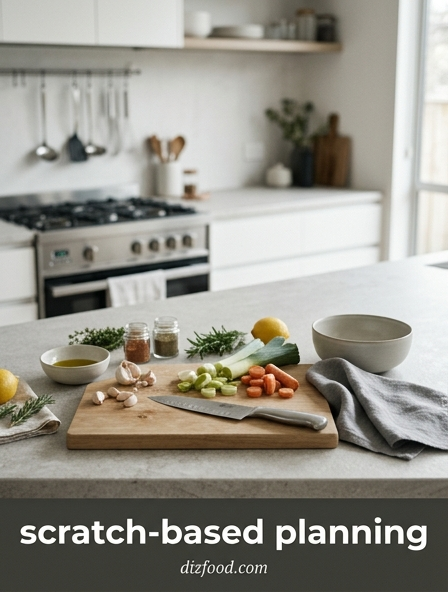
Transitioning to a scratch-based kitchen begins with the strategic acquisition of foundational staples. By purchasing dry goods such as grains, legumes, and flours in bulk, households can bypass the significant markups associated with retail packaging and branding. Bulk sourcing reduces the frequency of grocery trips, which often lead to impulse buys, and ensures that the pantry is always stocked for spontaneous meal creation. This method requires an initial investment in proper storage, but the long-term unit price reduction is undeniable.
| Staple Item | Retail Unit Price | Bulk Unit Price | Savings Percentage |
|---|---|---|---|
| Long Grain Rice | $1.50/lb | $0.60/lb | 60% |
| All-Purpose Flour | $0.95/lb | $0.45/lb | 52% |
| Dried Chickpeas | $2.20/lb | $1.10/lb | 50% |
Maintaining a rotation of these items allows for diverse menu planning without the financial strain of premium-priced individual packets. When combined with airtight containers to prevent spoilage, bulk sourcing becomes the bedrock of a fiscally responsible kitchen strategy.
Maximizing Ingredient Yield to Reduce Food Waste
Scratch-based planning emphasizes the total utilization of every ingredient purchased. In a conventional kitchen, significant portions of produce and proteins are discarded as "scraps," representing a direct financial loss. By adopting a root-to-stem and nose-to-tail philosophy, cooks can transform these perceived wastes into valuable culinary assets. This approach not only stretches the food budget but also enhances the depth of flavor in daily meals through the use of homemade stocks and infusions.
- Vegetable peelings and ends should be collected in the freezer for making aromatic vegetable broth.
- Parmesan rinds and herb stems can be simmered in soups to provide complex umami notes.
- Animal carcasses and bones provide the base for nutrient-dense bone broths, replacing expensive store-bought cartons.
- Stale bread can be processed into breadcrumbs or croutons rather than being discarded.
- Citrus peels can be zested or candied to add flavor to baked goods and preserves.
By viewing every part of an ingredient as a potential resource, the modern kitchen reduces its environmental footprint while simultaneously lowering the overall cost per meal. Efficiency in yield management ensures that no dollar spent at the market goes to waste.
The Return on Investment of Durable Kitchen Tools
A resilient scratch kitchen relies on tools that withstand the rigors of frequent use. While low-cost, "budget" cookware may seem attractive initially, these items often require frequent replacement due to warping, coating failure, or structural breakage. Investing in professional-grade, durable tools creates a one-time expense that pays dividends over decades. High-quality materials like cast iron, stainless steel, and high-carbon wood-handled knives are essential for those who prioritize longevity and performance over fleeting convenience.
- Cast Iron Skillets: Virtually indestructible and improve with age, eliminating the need for non-stick pans.
- Stainless Steel Stock Pots: Resistant to corrosion and ideal for high-volume batch cooking and preserving.
- High-Quality Chef's Knife: A single, well-maintained blade outperforms a set of dull, cheap knives.
- Manual Grain Mills: Allows for the processing of whole grains, which have a longer shelf life and lower cost.
- Glass Storage Containers: These do not leach chemicals or retain odors, ensuring food safety and longevity.
The return on investment is measured not just in the absence of replacement costs, but in the improved efficiency and quality of the food produced. Durable tools are the silent partners in a high-yield, low-cost kitchen environment.
Eliminating the Convenience Premium of Processed Foods
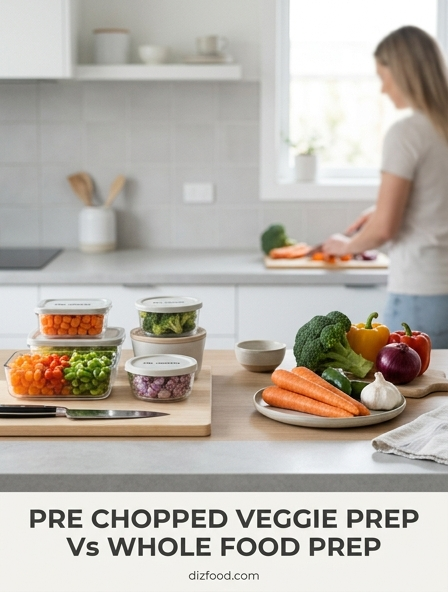
The "convenience premium" is a hidden tax on the modern consumer, where food manufacturers charge significantly more for labor that can easily be performed at home. When we purchase pre-cut vegetables, jarred sauces, or boxed mixes, we are paying for the factory processing and marketing rather than the nutritional value of the food itself. By reclaiming these tasks, a kitchen can operate at a fraction of the cost while maintaining total control over ingredients such as sodium, sugar, and preservatives.
| Processed Item | Scratch Alternative | Estimated Cost Difference |
|---|---|---|
| Jarred Marinara | Canned Tomatoes + Herbs | $3.50 Savings |
| Pre-washed Salad | Whole Head Lettuce | $2.00 Savings |
| Boxed Pancake Mix | Flour, Leavening, Egg | $0.25 Per Serving |
| Store-bought Hummus | Dried Beans + Tahini | $4.00 Per Batch |
Eliminating these pre-packaged goods redirects funds back into the household budget. The minimal time required to whisk a dressing or simmer a sauce is a small price to pay for the financial and health benefits gained from a scratch-based lifestyle.
Cost Effective Meal Prepping Using Whole Seasonal Ingredients
Seasonality is a primary driver of food pricing. When produce is in its peak growing season, supply is high and prices drop significantly. Scratch-based planning leverages this economic cycle by centering meal prep around whatever is currently abundant. Purchasing whole, unprocessed seasonal ingredients-such as a whole pumpkin instead of canned purée or a whole chicken instead of individual breasts-further reduces the price per ounce and provides more versatility for the week ahead.
- Utilize winter squashes and root vegetables for hearty, low-cost stews and roasts during colder months.
- Batch-prep stone fruits and berries during summer for freezing or immediate use in preserves.
- Buy whole poultry and learn basic butchery to obtain wings, thighs, and breasts at a lower cost.
- Focus on leafy greens and cruciferous vegetables during their spring and fall peaks for maximum nutrient density.
By prepping meals around these whole ingredients, you avoid the inflated prices of out-of-season imports. This disciplined approach ensures that your kitchen remains connected to the natural agricultural cycle while keeping your food expenditures predictable and manageable throughout the year.
Strategic Inventory Management for Minimal Financial Loss
Effective kitchen management requires a systematic approach to inventory to prevent the double-spending caused by forgotten or expired items. A scratch kitchen thrives on the "First In, First Out" (FIFO) principle, ensuring that older ingredients are prioritized for consumption. By maintaining a clear, organized pantry and refrigerator, the cook can see exactly what is available, reducing the likelihood of purchasing duplicates or allowing fresh produce to languish into spoilage.
- Conduct a weekly inventory check before creating a shopping list to identify items nearing expiration.
- Label all bulk containers with the date of purchase and the contents for easy identification.
- Designate a "use first" bin in the refrigerator for small portions of leftover ingredients.
- Maintain a running list of freezer contents to ensure long-term stores are rotated into the menu.
- Group similar items together to visualize stock levels at a single glance.
Financial loss in the kitchen is often the result of disorganization. Strategic inventory management turns the pantry into a high-functioning asset, where every item is accounted for and utilized, maximizing the value of every dollar spent on groceries.
Reducing Utility Costs with Efficient Scratch Cooking Methods
The cost of operating a kitchen extends beyond ingredients to include the energy consumed by appliances. Scratch cooking often involves long simmer times or high-heat processing, which can inflate utility bills if managed poorly. Efficiency-focused methods allow the cook to prepare complex meals while minimizing the carbon footprint and the monthly energy statement. Utilizing residual heat and modern energy-saving tools can make a significant difference in the total cost of food production.
- Use a pressure cooker or multicooker to reduce the cooking time of dry beans and tough meats by up to 70%.
- Batch cook multiple items in the oven simultaneously to maximize the energy used during a single heating cycle.
- Keep lids on pots to retain heat and moisture, allowing for lower flame or element settings.
- Turn off the oven five to ten minutes before the end of the cooking time and let residual heat finish the job.
- Soak grains and legumes overnight to drastically shorten their active boiling time on the stove.
By integrating these energy-conscious habits, the scratch kitchen becomes more than just a place of food preparation; it becomes a model of household efficiency that protects the bottom line from rising energy costs.
Economic Advantages of DIY Preserving and Batching
DIY preservation is the ultimate hedge against food inflation and seasonal price fluctuations. By capturing the abundance of the harvest through canning, fermenting, or dehydrating, a household can enjoy high-quality produce year-round without paying the premium for out-of-season imports. Batch cooking-preparing large quantities of a base ingredient or a complete meal-further improves economic efficiency by reducing the per-serving cost of labor and energy. This proactive approach turns the kitchen into a small-scale production facility.
| Preservation Method | Best Use Case | Economic Benefit |
|---|---|---|
| Water Bath Canning | Fruits, Tomatoes, Pickles | Locks in low seasonal prices for year-round use. |
| Fermentation | Cabbage, Root Veg, Dairy | Extends shelf life without using heat or energy. |
| Dehydration | Herbs, Mushrooms, Jerky | Reduces volume for low-cost, compact storage. |
| Bulk Freezing | Stocks, Blanched Veg | Prevents spoilage of large-quantity purchases. |
The initial labor of preserving pays off during the lean months, providing a "store" within the home that is immune to market volatility and supply chain disruptions.
Building a Resilient Kitchen Budget with Scratch Foundations
Resilience in the kitchen is the ability to maintain a high standard of nutrition regardless of external economic pressures. A scratch-based foundation provides the flexibility needed to pivot when certain food prices spike. If the price of meat rises, a scratch cook can lean into high-protein legumes. If bread prices increase, the cook produces loaves at home. This adaptability stems from having both the skills and the raw materials necessary to create food from its most basic components, bypassing the volatile pricing of finished goods.
- Develop a core repertoire of "flexible recipes" that can accommodate various seasonal or on-sale ingredients.
- Master the art of dough making to produce bread, pasta, and pastries for pennies.
- Learn to use secondary cuts of meat that are cheaper but offer rich flavor when slow-cooked.
- Cultivate a small herb garden to avoid the high cost of fresh, packaged aromatics.
A resilient budget is not just about spending less; it is about having the skill set to provide for the household under any circumstances. Scratch cooking is the ultimate insurance policy against the rising costs of the modern food system.
Long Term Financial Gains of Nutrient Dense Meal Planning
While the immediate goal of scratch cooking is often to lower the grocery bill, the long-term financial gains are found in improved health and reduced medical expenditures. Nutrient-dense meal planning, focused on whole foods, eliminates the empty calories and harmful additives found in ultra-processed products. By prioritizing satiety and bioavailability, a scratch kitchen ensures that the household is well-nourished, leading to higher energy levels and a more robust immune system. This preventive approach to health is a critical component of any long-term financial strategy.
- Focus on fiber-rich whole grains and legumes to increase satiety and reduce total caloric intake.
- Use healthy fats, like olive oil or grass-fed butter, which provide essential nutrients and steady energy.
- Incorporate fermented foods to improve gut health and strengthen the immune response.
- Control sodium and sugar levels to mitigate the risk of diet-related chronic illnesses.
- Reduce reliance on expensive, low-nutrient convenience snacks in favor of whole-food alternatives.
Investing time in nutrient-dense scratch cooking is an investment in the most valuable asset: the health of the family. The savings realized at the pharmacy and the doctor's office far outweigh the effort spent in the kitchen.

Comments