
Achieving your dream physique isn't just about counting calories; it's about mastering the perfect balance of proteins, fats, and carbohydrates to fuel your specific goals. By fine-tuning your macronutrient ratio, you can effectively optimize your body composition, whether you're aiming to build lean muscle or shed stubborn fat. Understanding how these nutrients interact with your metabolism allows you to take full control of your energy levels and physical performance. It's a personalized journey where the right strategy makes all the difference in your long-term success. If you're deciding which dietary approach fits your lifestyle best, it is helpful to explore the nuances of Keto Meal Planning Vs Paleo Meal Planning to see which strategy aligns with your unique metabolic needs.
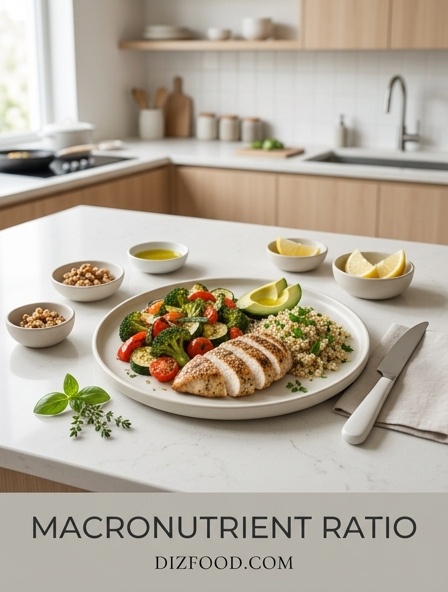
Understanding Macros for Body Composition
Macro-management is the cornerstone of effective body composition manipulation. Unlike simple calorie counting, tracking macronutrients-proteins, carbohydrates, and fats-ensures that the weight you lose is primarily body fat while the weight you gain is lean muscle tissue. Each macronutrient serves a physiological purpose and carries a specific caloric value per gram: proteins and carbohydrates provide four calories, while fats provide nine. By manipulating these ratios, individuals can influence metabolic rate, satiety, and hormonal health.
A standard starting point for many is the 40/30/30 ratio, representing carbohydrates, proteins, and fats respectively, though this varies significantly based on metabolic type and activity level. Mastering the kitchen requires looking beyond labels and understanding how these nutrients interact to fuel the body. When you view food through the lens of macronutrients, the kitchen transforms from a place of restriction into a laboratory for physical optimization. This foundational knowledge allows for a flexible dieting approach, where "clean" eating is secondary to hitting specific numerical targets tailored to individual physiological needs and performance goals.
Setting Protein Targets for Muscle Maintenance
Protein is the most critical macronutrient for those aiming to preserve or build lean tissue during body composition changes. It provides the essential amino acids necessary for muscle protein synthesis and tissue repair. For most active individuals, a range of 0.8 to 1.2 grams of protein per pound of body weight is recommended to maintain a positive nitrogen balance. In the kitchen, prioritizing high-quality protein sources ensures that you meet these targets without overshooting your total daily caloric budget.
| Protein Source | Grams per 100g | Primary Benefit |
|---|---|---|
| Chicken Breast | 31g | Low fat, high leucine |
| Greek Yogurt | 10g | Probiotics and calcium |
| Tempeh | 19g | Complete plant protein |
| Egg Whites | 11g | Highest bioavailability |
Consuming protein also has a high thermic effect of food (TEF), meaning the body burns more energy digesting protein than it does fats or carbohydrates. This metabolic advantage makes protein an indispensable tool for fat loss. By centering every meal around a primary protein source, you ensure muscle retention and greater satiety throughout the day.
Optimizing Carbohydrates for Daily Energy
Carbohydrates are the body's preferred fuel source, particularly for high-intensity training and brain function. They are stored in the muscles and liver as glycogen, providing the energy needed for explosive movements and endurance. In the kitchen, the focus should be on the glycemic index and fiber content of carbohydrate sources. Complex carbohydrates provide sustained energy release, while simple sugars can be utilized strategically around workout windows for rapid replenishment.
- Fibrous Carbs: Broccoli, spinach, and peppers for volume and micronutrients.
- Starchy Carbs: Sweet potatoes, oats, and brown rice for glycogen loading.
- Simple Carbs: Fruits and honey for immediate post-workout recovery.
Adjusting carbohydrate intake is often the most effective lever for weight management. By timing carbohydrate consumption around periods of high activity, you can maximize insulin sensitivity and ensure that glucose is directed toward muscle cells rather than being stored in adipose tissue. Balancing fiber intake is also crucial for digestive health, ensuring that your macronutrient plan remains sustainable and effective for long-term gut performance.
Choosing Healthy Fats for Hormonal Balance
Fats are often misunderstood but are essential for the production of hormones, including testosterone and estrogen, and the absorption of fat-soluble vitamins like A, D, E, and K. While they are more calorie-dense than other macros, they play a vital role in cellular health and cognitive function. A diet too low in fat can lead to hormonal imbalances, poor mood, and decreased joint health. In a kitchen setting, the quality of fats matters as much as the quantity.
Focus on incorporating monounsaturated and polyunsaturated fats while limiting trans fats and excessive saturated fats. Omega-3 fatty acids, found in fatty fish and flaxseeds, are particularly important for reducing systemic inflammation. Including healthy fats also slows down the digestion of a meal, preventing sharp spikes in blood sugar and providing long-lasting satiety. This makes fat an excellent tool for appetite control during a fat-loss phase. Whether it is a drizzle of olive oil on a salad or a handful of almonds, strategic fat inclusion is a non-negotiable component of a balanced macronutrient profile.
Calculating the Ideal Ratio for Your Goals
Determining the perfect macronutrient ratio requires an assessment of your primary objective: fat loss, muscle gain, or maintenance. There is no "one size fits all" formula, but several proven frameworks exist to guide your kitchen preparations.
- The Balanced Approach (40/30/30): Ideal for general health and maintenance.
- Low Carb / High Protein (20/40/40): Often used for rapid fat loss and insulin management.
- High Carb / Low Fat (60/25/15): Preferred by endurance athletes and high-volume trainers.
To calculate your specific needs, first establish your Total Daily Energy Expenditure (TDEE). Once your calorie ceiling is set, assign your protein target based on lean body mass. Next, allocate fat requirements for hormonal health (usually 0.3g per pound). Finally, fill the remaining calories with carbohydrates to fuel your performance. This systematic approach removes the guesswork from dieting, allowing you to manipulate your physique with mathematical precision. Regularly revisiting these ratios as your weight and activity levels change is key to avoiding plateaus.
Essential Kitchen Tools for Precise Tracking
Precision is the difference between guessing and knowing your results. To hit specific macronutrient ratios, your kitchen must be equipped with tools that eliminate estimation errors. The most vital tool is a digital food scale. Measuring by volume-such as using cups or spoons-is notoriously inaccurate, especially for calorie-dense items like peanut butter or nuts. Weighing food in grams provides the highest level of accuracy for tracking.
Additionally, a comprehensive tracking app serves as a digital ledger for your intake. Many apps allow you to scan barcodes, instantly pulling the macronutrient data into your daily log. Other helpful tools include:
- Pre-measured containers: Essential for consistent portion control during meal prep.
- Oil misters: To control the amount of fat used during cooking.
- Digital liquid measurers: For precise tracking of creamers or oils.
By standardizing your measurement process, you create a controlled environment where data-driven adjustments are possible. Without these tools, hidden calories from cooking oils or slightly larger portions can easily stall progress, making it difficult to identify why your body composition isn't changing as expected.
Meal Planning Strategies for Macro Success
Meal planning is the bridge between a theoretical macro ratio and actual physical results. Success in the kitchen depends on creating a repeatable system that reduces decision fatigue. One effective strategy is "component prepping," where you cook large batches of individual proteins, starches, and vegetables separately. This allows you to mix and match ingredients to hit your specific daily targets without eating the exact same meal every day.
Another approach is the "fixed meal" strategy, where you design three to five go-to meals that already meet your desired ratios. This simplifies the tracking process significantly. For example, a morning omelet can be adjusted with extra egg whites for more protein or avocado for more fat. Planning your meals at least 24 hours in advance prevents impulsive eating when hunger levels are high. By pre-logging your planned meals into a tracking app, you can identify if you will fall short on a specific macro and adjust your dinner accordingly. This proactive management ensures that you reach the end of the day with your targets perfectly met.
Adjusting Ratios for Fat Loss and Growth
As your body changes, your macronutrient requirements will inevitably shift. For fat loss, the priority is maintaining a caloric deficit while keeping protein high to protect muscle mass. Often, this involves a gradual reduction in carbohydrates or fats. A common technique is "carb cycling," where you consume higher carbohydrates on training days and lower carbohydrates on rest days to maximize fat oxidation while fueling performance.
Conversely, for muscle growth or "bulking," a caloric surplus is required. In this phase, protein remains stable, but carbohydrates are typically increased to provide the energy necessary for heavy lifting and to create an anabolic environment. It is important to make these adjustments incrementally-usually by changing 100 to 200 calories at a time-to monitor how your body responds. Sudden, drastic shifts in ratios can lead to unnecessary fat gain or metabolic slowdown. Keeping a kitchen journal of how you feel during these transitions-tracking energy levels, sleep quality, and gym performance-will help you fine-tune your ratios for the most efficient path toward your goals.
Smart Food Swaps to Hit Daily Targets
Hitting precise macronutrient targets often requires creative substitutions in the kitchen. When you find yourself over your fat limit but short on protein, or vice versa, smart food swaps allow you to balance the numbers without sacrificing volume or flavor.
| Original Item | Swap For | Macro Advantage |
|---|---|---|
| Whole Eggs | Egg Whites | Pure protein, zero fat |
| Sour Cream | Greek Yogurt | Higher protein, lower fat |
| Pasta | Zucchini Noodles | Massive carb reduction |
| Mayonnaise | Mustard | Zero fat alternative |
Using these swaps allows you to eat larger volumes of food while staying within your caloric budget. For instance, swapping white rice for cauliflower rice can save over 150 calories of carbohydrates, which can then be "reinvested" into a more calorie-dense protein or a healthy fat source later in the day. Understanding these kitchen "hacks" makes the dieting process feel less restrictive. It empowers you to enjoy various textures and flavors while maintaining the strict mathematical discipline required for body composition changes.
Tracking Progress for Long Term Results
Macronutrient tracking is not just about the daily numbers; it is about the long-term data trends. To ensure your kitchen efforts are translating into physical changes, you must track variables beyond the scale. Body measurements, photos, and strength levels provide a more complete picture of your progress than weight alone. If your weight is stagnant but your waist measurement is decreasing, your macronutrient ratio is likely successfully promoting body recomposition.
Consistency is the most important factor for long-term success. While it is impossible to be 100% accurate every single day, maintaining a high level of adherence over weeks and months is what drives transformation. Periodic "refeeds"-temporary increases in carbohydrates-can help regulate leptin levels and provide a psychological break from a deficit. Ultimately, the goal of macro tracking in the kitchen is to educate yourself on the caloric density and nutritional value of different foods. Over time, you will develop the ability to "eye-ball" portions with surprising accuracy, allowing for a more intuitive approach to eating that maintains your results for a lifetime.






Comments