
The Evolution of Modern Kitchen Inventory
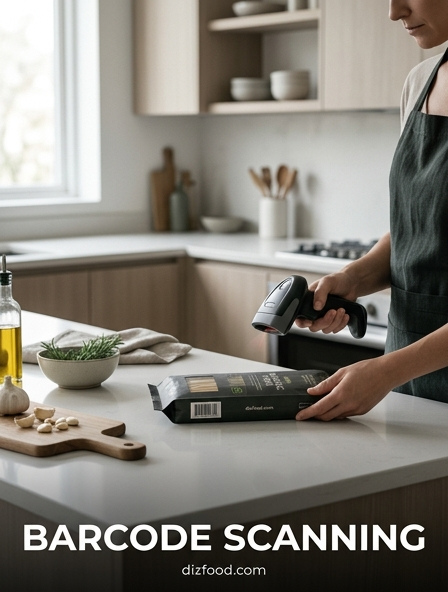
The transformation of kitchen management from handwritten lists to digital precision marks a significant shift in domestic efficiency. Historically, homeowners relied on memory or manual ledgers to track staples like flour, sugar, and canned goods. This method was often prone to human error, leading to forgotten items or unnecessary duplicates. With the advent of the Universal Product Code (UPC), the technology once reserved for high-volume retail environments transitioned into the home. Modern inventory systems now allow users to catalog their entire pantry using specialized hardware or simple smartphone applications.
As hardware became more accessible, the focus shifted from mere counting to comprehensive data management. Today's kitchen inventory systems do more than just record quantity; they provide a gateway to a connected home ecosystem. By scanning a simple barcode, a user can instantly log the item's origin, weight, and purchase date. This evolution reflects a broader trend toward the "Smart Home," where data-driven decisions replace guesswork. The shift has effectively turned the pantry into a mini-warehouse, where every item is accounted for with professional-grade accuracy, fundamentally changing how households interact with their food supplies.
Benefits of Real Time Barcode Tracking
Implementing real-time barcode tracking provides immediate visibility into the contents of a kitchen, eliminating the need to physically rummage through cabinets. When every item is scanned upon entry and exit, the system maintains a live database that can be accessed from anywhere. This transparency is particularly useful for busy households where multiple people may be consuming items simultaneously. Real-time data ensures that the digital record always matches the physical reality of the shelves.
- Enhanced Accuracy: Eliminates the guesswork associated with manual "eyeballing" of stock levels.
- Remote Accessibility: Check your current inventory via a smartphone while at the grocery store.
- Time Efficiency: Drastically reduces the time spent performing manual pantry audits.
- Streamlined Workflow: Facilitates a smoother transition from shopping to storage.
Beyond simple convenience, these systems offer a level of precision that supports complex dietary needs and strict budgeting. By maintaining a constant digital eye on every product, homeowners can identify consumption patterns and adjust their purchasing habits accordingly, ensuring that the kitchen is always stocked with necessary essentials without overextending storage space.
Automating Grocery Lists via Scanning
The traditional method of writing grocery lists is often reactive, occurring only after an item has completely run out. Barcode scanning shifts this process to a proactive model. By scanning the barcode of a product as it is discarded, the item is instantly added to a digital shopping list. This "scan-as-you-go" approach ensures that no item is overlooked, regardless of how niche or infrequently used it might be. Integration with cloud-based platforms allows these lists to sync across multiple devices, ensuring that whoever is at the store has the most current information.
Furthermore, many scanning applications can categorize items automatically based on their barcode data. This means your digital list is pre-sorted by aisle-produce, dairy, or dry goods-making the actual shopping trip significantly faster. Some advanced systems even allow for "one-tap" ordering through online grocery delivery services. By automating the transition from a consumed product to a new order, technology removes the mental load of household management. The result is a highly efficient cycle that maintains a consistent supply of ingredients with minimal manual input from the user.
Reducing Food Waste with Expiry Alerts
One of the most significant advantages of kitchen barcode scanning is its ability to combat the global issue of food waste at a household level. When a product is scanned into the system, many apps automatically retrieve the typical shelf life or allow the user to input the specific expiration date. The system then monitors these dates in the background, providing timely notifications before an item spoils. This proactive alert system encourages users to prioritize the consumption of items nearing their end-of-life, effectively turning potential waste into prepared meals.
This technology addresses the common problem of "lost" items pushed to the back of deep pantry shelves. By receiving a notification that a specific jar of sauce or box of grains is expiring in three days, the homeowner can adjust their meal plan to incorporate it. This not only saves money but also promotes a more sustainable lifestyle. The digital oversight provided by scanning ensures that every purchased item fulfills its intended purpose, significantly reducing the volume of organic waste generated by the average kitchen and maximizing the value of every dollar spent on groceries.
Integrating Scanners into Meal Planning
Barcode scanning serves as a powerful bridge between raw inventory and meal preparation. When a kitchen's stock is fully digitized, software can suggest recipes based on the ingredients currently available. This eliminates the "what's for dinner?" dilemma by providing a curated list of possibilities that require no extra trips to the store. The integration allows for a dynamic approach to cooking where recipes are chosen based on inventory levels rather than arbitrary cravings.
- Inventory Analysis: The system identifies core proteins and starches currently in stock.
- Recipe Matching: Software filters databases to find meals that use at least 80% of on-hand items.
- Missing Item Identification: Any required spices or garnishes not in the inventory are highlighted.
- Portion Control: Calculations are made based on the exact quantity of scanned items available.
By using scanned data to drive meal choices, home cooks can experiment with new cuisines while ensuring their stock is used efficiently. This systematic approach reduces the stress of planning and ensures that even the most obscure ingredients-scanned months ago-find their way into a balanced meal before they are forgotten.
Connecting Smart Appliances and Barcodes
The integration of barcode technology with kitchen appliances represents the next frontier of the Internet of Things (IoT). Modern smart refrigerators are now equipped with internal cameras and scanning software that can recognize items as they are placed on shelves. Some advanced ovens also feature scanners; by scanning the barcode on a packaged meal, the oven automatically downloads the correct cooking instructions, setting the temperature and timer to the manufacturer's exact specifications. This synergy between the product and the appliance ensures perfect results every time.
This connectivity creates a seamless loop of information throughout the kitchen. A smart fridge can notify the user that the milk scanned three days ago is running low, while simultaneously displaying a shopping list on its exterior screen. As appliances become more autonomous, the barcode acts as the primary data carrier that tells the machines how to handle the food. This level of automation reduces the margin for error in cooking and storage, allowing the technology to manage the technical details of food preservation and preparation while the user focuses on the creative aspects of cooking.
Speeding Up Meal Prep with Digital Logs
Efficiency in the kitchen is often dictated by how quickly one can locate and prepare ingredients. A digital log fueled by barcode scanning acts as a GPS for the pantry. Instead of searching through various cupboards for a specific spice or grain, a quick glance at the digital log confirms the item's presence and its designated storage zone. This organization is crucial during complex meal preparations where timing is essential. Knowing exactly how much of an ingredient is left through a digital interface prevents the mid-recipe realization that a key component is missing.
Moreover, digital logs can store preparation notes associated with specific barcodes. For example, scanning a specific brand of rice might pull up notes on its ideal water-to-grain ratio or exact cooking time based on previous attempts. By centralizing this information, the prep process becomes more streamlined and less reliant on memory. The digital record transforms the kitchen into a high-efficiency workspace where data informs every chop, simmer, and sear, ultimately leading to a more relaxed and professional cooking experience for the home chef.
Optimizing Pantry Organization with Tech
Utilizing barcode technology allows for a sophisticated level of pantry organization that goes far beyond aesthetic labeling. By analyzing the data from scanned items, homeowners can categorize their storage based on usage frequency, category, or environmental requirements. High-turnover items can be moved to eye-level "hot zones," while infrequently used specialty items are assigned to higher shelves. The technology enables a logical flow that mimics professional kitchen "mise en place," ensuring that the most needed items are always within reach.
| Storage Zone | Item Type | Tech Benefit |
|---|---|---|
| Primary Shelf | Daily Staples | Low-stock alerts |
| Deep Storage | Bulk Goods | Expiry tracking |
| Climate Controlled | Oils/Spices | Quality monitoring |
This structured approach prevents the clutter that typically plagues home kitchens. When every item has a digital "home" associated with its barcode, putting away groceries becomes a systematic process rather than a game of Tetris. The result is a visually clean and highly functional pantry that supports faster meal prep and more accurate inventory management, making the most of the available square footage.
Tracking Nutrition and Ingredients Instantly
For individuals with specific health goals or dietary restrictions, barcode scanning is an indispensable tool for nutritional transparency. Scanning a product instantly pulls detailed information from comprehensive databases, providing more than just what is printed on the physical label. Users can track macronutrients, caloric intake, and the presence of allergens like gluten, nuts, or soy. This immediate access to data allows for real-time monitoring of dietary habits without the tedious task of manual logging or searching for nutritional facts online.
This technology is particularly beneficial for managing chronic conditions such as diabetes or hypertension, where tracking sodium or sugar intake is vital. By scanning every ingredient used in a meal, an app can calculate the total nutritional value of the final dish. It also helps in identifying hidden ingredients in processed foods that might otherwise be overlooked. Consequently, the kitchen becomes a place of informed wellness, where every scan contributes to a broader understanding of health, enabling users to make better choices that align with their long-term fitness and nutritional objectives.
Cost Effective Shopping through Data Insights
Barcode scanning provides a wealth of data that can be leveraged to significantly reduce household grocery expenses. By tracking the price and frequency of purchases over time, the system identifies spending patterns and price fluctuations. Users can see exactly how much they spend on specific categories, such as snacks or beverages, and identify areas where they can cut back. Furthermore, many apps compare the prices of scanned items across different local retailers, ensuring that the user always finds the best deal available for their preferred brands.
Another cost-saving aspect is the prevention of "emergency" shopping trips. These trips, often made to buy a single missing ingredient, frequently lead to high-margin impulse purchases. By maintaining a perfect inventory through scanning, these unnecessary errands are eliminated. Additionally, the data can highlight the cost-effectiveness of bulk buying versus individual units based on actual consumption rates. Over time, these small optimizations add up to substantial savings, proving that a high-tech kitchen is not just about convenience, but also about financial intelligence and smarter resource allocation.



Comments