
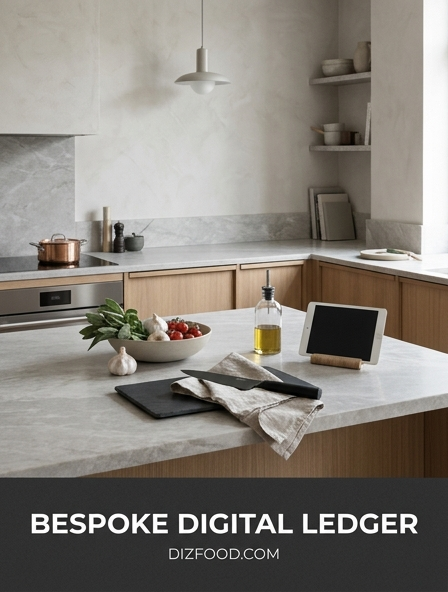
The Evolution of Modern Kitchen Management Systems
The journey from handwritten recipe cards and magnetic refrigerator lists to sophisticated digital ecosystems represents a fundamental shift in domestic engineering. Historically, kitchen management was a reactive process, often resulting in redundant purchases or forgotten ingredients buried in the back of the pantry. Modern systems have transitioned into proactive, bespoke digital ledgers that treat the kitchen as a high-precision laboratory. This evolution is driven by the integration of data science and culinary arts, allowing households to monitor their caloric and financial throughput with unprecedented accuracy.
Today, the focus has moved beyond simple inventory toward comprehensive resource management. A digital ledger does not merely record what is present; it tracks the lifecycle of every ingredient, from the moment of procurement to its final transformation on the plate. By utilizing interconnected software, homeowners can now synchronize their dietary goals with real-time stock levels. This systematic approach ensures that the culinary environment remains agile, efficient, and capable of adapting to the rapid pace of contemporary life while maintaining a high standard of gastronomic quality.
Defining Your Bespoke Digital Ledger Framework
Constructing a bespoke digital ledger requires a deep understanding of unique household consumption patterns. Unlike generic inventory apps, a custom framework is designed around specific culinary workflows and storage architectures. The foundation of this system involves establishing clear parameters for data entry, ensuring that every item categorized contributes to a larger narrative of household health and fiscal responsibility. A well-defined framework acts as the "source of truth" for all kitchen operations, reducing the mental load associated with meal planning and grocery replenishment.
To build an effective ledger, consider implementing the following core components into your digital structure:
- Categorical Taxonomy: Dividing items into perishable, non-perishable, and frozen categories for better visibility.
- Unit Precision: Standardizing measurements to allow for seamless recipe integration and cost analysis.
- Expiration Thresholds: Setting automated alerts based on the shelf life of specific ingredient groups.
- Vendor Sourcing: Tracking where items are purchased to analyze price fluctuations over time.
By defining these parameters early, the ledger becomes an indispensable asset that evolves alongside the user's skill level and dietary preferences.
Scalable Infrastructure for Growing Household Needs
A kitchen management system must be capable of expanding as household dynamics change, whether through the addition of new family members or an increase in social hosting frequency. Scalability in a bespoke digital ledger is achieved through modular data structures that can handle an increasing volume of entries without degrading performance or user experience. This involves moving beyond a single-device setup and adopting cloud-synchronized environments that allow multiple users to contribute data simultaneously, ensuring the ledger remains accurate regardless of who is performing the shopping or cooking.
Investing in scalable infrastructure means your digital ledger can eventually integrate with smart appliances and IoT sensors. As the database grows, it moves from simple tracking to predictive modeling, anticipating needs before they become urgent. This foresight is critical for managing larger bulk orders and seasonal stockpiling, which are often necessary as household demands intensify. By prioritizing a scalable architecture from the outset, you prevent the technical debt and data fragmentation that often plague less sophisticated management methods, ensuring long-term utility and reliability.
Strategic Inventory Tracking and Waste Reduction
Waste reduction is perhaps the most immediate benefit of a precision-engineered digital ledger. By maintaining a real-time record of all stock, the system highlights items approaching their end-of-life, prompting immediate culinary action. This strategic tracking eliminates the "hidden inventory" phenomenon where ingredients are lost in the depths of cabinets. Implementing a digital "First-In, First-Out" (FIFO) methodology ensures that older stock is prioritized, which significantly lowers the percentage of food waste produced by the household.
The impact of this tracking can be quantified through consistent data auditing. Consider the following common waste metrics tracked in a bespoke ledger:
| Waste Category | Primary Cause | Digital Solution |
|---|---|---|
| Perishables | Over-purchasing | Dynamic buy-limits |
| Leftovers | Lack of visibility | Automated meal reminders |
| Specialty Items | Single-use planning | Cross-recipe suggestion |
Through this level of granularity, users can identify patterns of inefficiency and adjust their purchasing habits accordingly, fostering a more sustainable and cost-effective kitchen environment.
Automating Grocery Procurement Through Ledger Data
The transition from manual list-making to automated procurement is a cornerstone of the modern bespoke kitchen. By leveraging the data stored within a digital ledger, users can establish "par levels" for essential items. When stock falls below these predefined thresholds, the system can automatically generate shopping lists or even interface with external grocery delivery APIs. This removes the friction of daily inventory checks and ensures that the kitchen is always prepared for both routine meals and unexpected guests.
Automation does not mean a loss of control; rather, it provides a curated selection of needs based on historical consumption rates. The ledger analyzes how quickly specific staples are exhausted and suggests replenishment schedules that optimize delivery fees and bulk discounts. This data-driven procurement strategy ensures that the household never runs out of necessities while simultaneously preventing the accumulation of excess stock. By offloading the cognitive burden of logistics to the ledger, the home cook can focus entirely on the creative and technical aspects of meal preparation.
Dynamic Recipe Scaling for Diverse Group Sizes
One of the most complex challenges in kitchen management is adjusting recipe ratios to accommodate varying numbers of diners without sacrificing flavor or texture. A bespoke digital ledger solves this by incorporating dynamic scaling algorithms. When a recipe is selected from the ledger's database, the user simply inputs the desired number of servings, and the system automatically recalculates every ingredient measurement. This precision is vital for maintaining the integrity of complex dishes, where slight deviations in chemistry can lead to failure.
Furthermore, dynamic scaling integrates directly with the current inventory data. If a scaled recipe requires more of an ingredient than is currently on hand, the ledger immediately flags the deficit. This allows for real-time adjustments, such as substituting ingredients or revising the menu before prep begins. This level of mathematical precision ensures that whether you are cooking for a solitary dinner or a large holiday gathering, the proportions remain perfect, and the logistical requirements are clearly mapped out, leading to consistent results every time.
Nutritional Optimization Across Seasonal Menu Cycles
A digital ledger serves as a powerful tool for aligning household nutrition with the natural variations of seasonal produce. By tracking the nutritional density of ingredients alongside their seasonal availability, the ledger can suggest menu adjustments that maximize health benefits. During the winter months, the system might prioritize root vegetables and preserved items, while shifting toward hydrating, micronutrient-rich greens in the summer. This ensures a diverse intake of vitamins and minerals throughout the year, preventing dietary stagnation.
Strategic nutritional planning via a ledger allows for the following advantages:
- Macro-Nutrient Balancing: Real-time tracking of proteins, fats, and carbohydrates across the weekly menu.
- Seasonal Sourcing: Identifying peak ripeness windows for local produce to ensure maximum flavor and nutrition.
- Allergen Management: Automatically filtering out ingredients that conflict with household dietary restrictions.
- Caloric Control: Precise monitoring of energy intake based on scaled recipe portions.
This systematic approach transforms the kitchen into a wellness center, where every meal is intentionally designed to support long-term health goals while celebrating the best of what each season offers.
Analyzing Cost Per Serving with Precision Ledgering
Understanding the financial implications of culinary choices is essential for maintaining a balanced household budget. A bespoke digital ledger enables users to perform granular cost analysis by attributing a price to every gram or milliliter used in a dish. By linking purchase data from grocery receipts to recipe ingredients, the system calculates the exact "Cost Per Serving" (CPS) for any given meal. This transparency allows for more informed decision-making, highlighting which recipes are luxury indulgences and which are budget-friendly staples.
Over time, this financial ledgering reveals trends that might otherwise go unnoticed. For instance, it can demonstrate the long-term savings of buying bulk spices versus individual jars, or the cost-effectiveness of scratch-made staples compared to pre-packaged alternatives. Users can set monthly budget targets, and the ledger will provide real-time feedback on how current meal plans align with those goals. This level of fiscal precision turns kitchen management into a strategic operation, where quality and economy are balanced through rigorous, data-backed insights.
Streamlining Workflow Transitions from Planning to Prep
Efficiency in the kitchen is often determined by the smoothness of the transition from the conceptual phase to the physical preparation of food. A digital ledger facilitates this by providing clear, actionable instructions derived from the data-entry phase. Once a meal is planned, the ledger can generate a "prep-list" that organizes tasks based on time sensitivity and equipment availability. This minimizes downtime and ensures that all components of a multi-course meal are completed simultaneously.
To optimize this workflow, follow these structured steps integrated within your ledger system:
- Inventory Verification: Confirming all required items are in stock before beginning.
- Mise en Place Organization: Utilizing the ledger's scaled measurements to prep all ingredients in advance.
- Sequential Tasking: Following the system-generated timeline for cooking phases.
- Post-Prep Updating: Adjusting the digital stock levels immediately after ingredients are consumed.
By following a structured digital workflow, the home cook reduces stress and maximizes time efficiency, creating a more professional and enjoyable culinary environment.
Long Term Benefits of Data Driven Meal Architecture
Adopting a data-driven approach to meal architecture through a bespoke digital ledger offers profound long-term benefits that extend far beyond the kitchen walls. Centrally, it fosters a culture of intentionality, where resources are respected and health is prioritized. The cumulative effect of reduced waste, optimized nutrition, and controlled spending leads to significant financial savings and a smaller environmental footprint. Over years of use, the ledger becomes a historical record of a household's culinary evolution, preserving favorite recipes and successful meal cycles for future reference.
Moreover, the mental clarity gained from removing the guesswork of kitchen management cannot be overstated. The digital ledger acts as a second brain, handling the tedious logistics of inventory and mathematics, which allows the individual to reclaim time for creativity and family engagement. As data accumulates, the system becomes smarter, providing increasingly accurate predictions and suggestions. Ultimately, a bespoke digital ledger transforms the kitchen into a high-functioning, sustainable, and health-centric hub that supports every aspect of a modern, thriving lifestyle.


Comments