
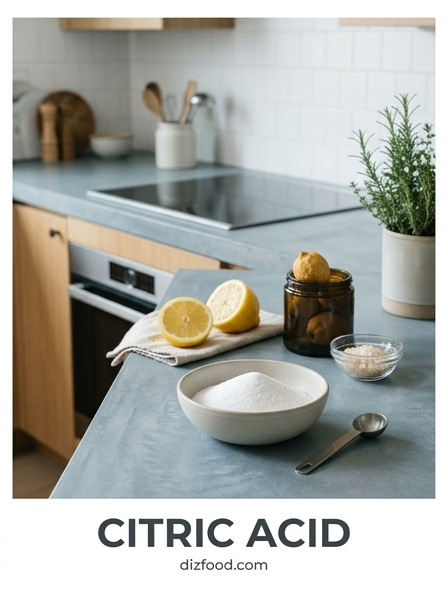
The Science of Citric Acid in Marinating
At its core, the use of citric acid in marinating is a study of pH levels and protein modification. As a weak organic acid, citric acid lowers the pH of a marinade, which initiates the process of denaturation. When meat is submerged in an acidic solution, the tightly wound protein fibers begin to unwind and expand. This chemical shift allows the tissue to hold more moisture, provided the exposure is not excessively long. Unlike stronger mineral acids, citric acid provides a controlled environment where the structural integrity of the food is altered without immediately liquefying the surface.
The science also involves the interaction between hydrogen ions and the molecular bonds within the muscle. By introducing citric acid, cooks can facilitate several key reactions:
- Breaking down of hydrogen bonds to soften tough muscle fibers.
- Enhancing the solubility of certain proteins, making them more palatable.
- Creating an environment that inhibits the growth of common food-borne bacteria.
- Increasing the ionic strength of the marinade to improve flavor penetration.
This systematic approach ensures that the marinade does more than just coat the exterior; it fundamentally changes the food's chemistry for better culinary outcomes.
Tenderizing Meat with Controlled Acidity
Tenderization is perhaps the most sought-after effect of using citric acid in the kitchen. For tougher cuts of beef or game, the acid works by attacking the connective tissues, specifically collagen. As the citric acid permeates the meat, it slowly converts tough collagen into gelatin, which yields a buttery mouthfeel after cooking. However, the key to success lies in the word "controlled." Because citric acid is highly efficient, over-marinating can lead to a "mushy" texture where the exterior proteins are completely broken down while the interior remains unaffected.
To achieve the perfect balance, home cooks must monitor the duration of the soak. A solution with too high a concentration of citric acid will "cook" the meat chemically, a process known as acid-curing. This is why many chefs prefer a measured powder form of citric acid over unpredictable fruit juices. By precisely controlling the acidity, one can ensure that the meat retains its structural body while losing its undesirable toughness. This results in a steak or roast that is easy to cut and chew, regardless of the initial quality of the protein.
Citric Acid vs Natural Citrus Juices
While lemons and limes are traditional staples for marinating, pure citric acid offers several distinct advantages in a professional or high-stakes home kitchen. Natural juices contain sugars, pulp, and varying water content, which can interfere with the precision of a recipe. Citric acid powder, conversely, provides a pure, concentrated acidic punch without introducing unwanted moisture or sweetness that might burn during high-heat searing.
| Feature | Natural Citrus Juice | Pure Citric Acid |
|---|---|---|
| Consistency | Varies by fruit ripeness | Highly standardized |
| Sugar Content | High (can cause burning) | Zero sugars |
| Shelf Life | Short (days) | Years (dry storage) |
| Flavor Profile | Complex and fruity | Neutral, sharp tartness |
Using the powdered form allows the cook to add the exact amount of "zing" required. It is especially useful when a recipe needs acidity but cannot tolerate extra liquid, such as in dry rubs or highly concentrated paste marinades.
Flavor Enhancement Secrets for Poultry
Poultry, particularly chicken breast and turkey, often suffers from a lack of inherent flavor and a tendency to dry out. Citric acid serves as a powerful flavor catalyst in these instances. By slightly opening the pores of the poultry skin and meat, the acid allows herbs and spices to travel deeper into the muscle. This creates a more uniform flavor profile that isn't just limited to the surface. Furthermore, citric acid acts as a flavor brightener; it stimulates the salivary glands, which makes the savory notes of garlic, onion, and poultry seasoning taste more intense.
- Dissolve 1/4 teaspoon of citric acid in 1/2 cup of water to create a base.
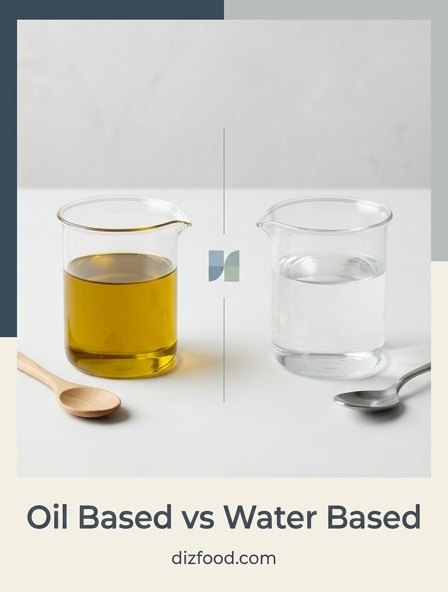
- Add fat-soluble aromatics like rosemary or thyme to the mixture.
- Submerge the poultry for no more than two hours to avoid surface toughening.
- Pat the skin dry before cooking to ensure the acid has not prevented a crisp finish.
This method ensures that the bird remains succulent. The subtle tartness of the acid also cuts through the fat of darker meat, providing a balanced and refreshed palate with every bite.
Optimizing Marinade Ratios for Seafood
Seafood requires a delicate touch because its protein structure is much more fragile than that of land animals. When using citric acid for fish or shrimp, the ratio must be significantly diluted. If the concentration is too high, the fish will undergo "denaturation on contact," effectively turning into ceviche. To optimize the ratio, one should aim for a solution that provides the brightening effect of citrus without the aggressive tissue breakdown found in meat marinades.
- For firm fish (Halibut, Swordfish): Use 1/8 teaspoon per cup of liquid for 30 minutes.
- For delicate fish (Flounder, Sole): Use a negligible pinch for only 10 to 15 minutes.
- For shellfish (Shrimp, Scallops): A quick 5-minute dip is usually sufficient for flavor.
The goal is to enhance the natural sweetness of the seafood. Citric acid helps neutralize "fishy" odors by reacting with amines, which are the compounds responsible for off-smells. This results in a cleaner, fresher taste that emphasizes the quality of the catch. Always remember that with seafood, less time in the acid is almost always better than more.
Preserving Vibrant Colors in Marinated Vegetables
In the culinary world, visual appeal is just as important as taste. Citric acid plays a vital role in maintaining the aesthetic integrity of marinated vegetables. Many vegetables, such as artichokes, potatoes, and mushrooms, oxidize quickly when exposed to air, turning an unappetizing brown. This enzymatic browning can be halted by the application of citric acid. The acid lowers the pH on the surface of the vegetable, deactivating the polyphenol oxidase enzymes that cause discoloration.
For vibrant vegetable medleys, a citric acid soak keeps greens looking bright and prevents pale vegetables from dulling. It also helps to maintain the "snap" or crunch of the cell walls. When vegetables are marinated in oil and citric acid, the acid acts as a preservative, keeping the colors vivid for days in the refrigerator. This makes it an essential tool for meal prep and large-scale catering where salads or antipasti must be prepared well in advance. The result is a dish that looks as fresh as the moment it was sliced, retaining its market-fresh allure.
Balancing Zesty Nuances and Savory Salts
A successful marinade is a symphony of salt, fat, and acid. Citric acid provides the "high notes" in this harmony. When salt is used alone, it can make a dish feel heavy or overly savory. The introduction of citric acid cuts through this saltiness, providing a zesty counterpoint that refreshes the tongue. This relationship is a cornerstone of flavor balancing; the acid reduces the perception of bitterness and enhances the perception of sweetness and saltiness.
| Component | Role in the Marinade | Interaction with Citric Acid |
|---|---|---|
| Sodium Chloride | Deep seasoning | Acid tempers the harshness of salt |
| Oils/Fats | Flavor carrier | Acid emulsifies with fats for better coating |
| Umami Agents | Depth of flavor | Acid highlights the savory "roundness" |
By adjusting the amount of citric acid, a cook can shift the profile of a dish from a deep, earthy roast to a bright, summery grilled platter. It allows for a layered tasting experience where the initial tartness leads into a rich, savory finish, ensuring no single ingredient overwhelms the others.
The Role of Citric Acid in Enzyme Breakdown
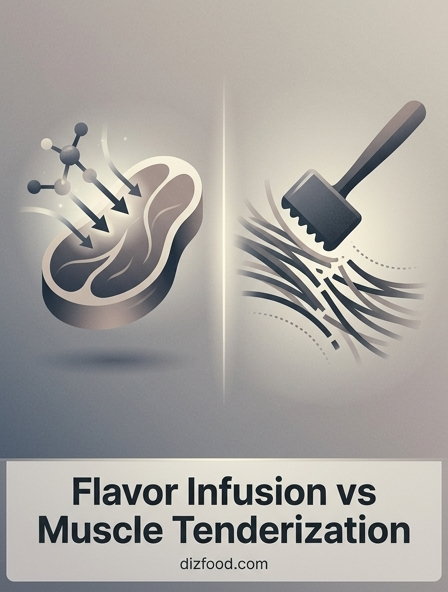
While citric acid itself is an acid and not an enzyme, it plays a supportive role in enzymatic breakdown during marination. Many natural tenderizers, such as those found in papaya (papain) or pineapple (bromelain), function best within specific pH ranges. Citric acid can be used to tune the environment to the optimal acidity for these enzymes to work most efficiently. Furthermore, citric acid can help break down certain peptide bonds on its own, albeit more slowly than specialized enzymes.
In the kitchen, this means that a marinade containing both a fruit enzyme and a small amount of citric acid will be doubly effective. The acid starts the denaturation process, opening up the protein's structure, which then allows the enzymes to enter and "digest" the tougher fibers more easily. This synergy is particularly useful for very lean, grass-fed meats that lack internal fat to provide tenderness. Understanding this partnership allows for a more scientific approach to meat preparation, ensuring that even the most difficult cuts can be transformed into succulent meals through molecular intervention.
Speeding Up Marination Times for Quick Meals
Modern home cooking often demands speed without sacrificing quality. Citric acid is a "fast-acting" ingredient compared to milder acids like balsamic vinegar or yogurt. Because it is highly concentrated, it begins to work on the molecular structure of the food immediately. For those who forget to start dinner preparations hours in advance, a citric acid-based marinade can achieve in thirty minutes what other marinades take four hours to accomplish.
- Use a higher concentration of citric acid (about 1/2 teaspoon per pound of meat).
- Incorporate a small amount of warm liquid to speed up molecular movement.
- Massage the marinade into the meat to ensure physical penetration.
- Let it sit at room temperature (if safe) for 20 minutes for maximum reaction speed.
This rapid marination is ideal for weeknight stir-frys or grilled skewers. The acid quickly tenderizes the surface and imparts a bright flavor, allowing the cook to move from the fridge to the pan in record time. It is the ultimate "cheat code" for the busy cook who still wants professional-level flavor and texture.
Achieving Consistent Results in Home Cooking
Consistency is the hallmark of a great cook, and citric acid is a tool for standardization. Natural ingredients vary wildly; one lemon might be incredibly sour, while another is nearly sweet. This unpredictability can ruin a carefully planned meal. By using food-grade citric acid, you remove the guesswork from your recipes. You know exactly how much acidity you are adding every single time, which allows you to refine your marinades with mathematical precision.
- Always measure citric acid by weight or level measuring spoons.
- Keep a log of which ratios worked best for specific cuts of meat.
- Store the powder in a cool, dry place to maintain its potency over time.
- Use it to "fix" a marinade that tastes flat or lacks brightness at the last minute.
This level of control empowers the home cook to replicate their best dishes with 100% accuracy. Instead of hoping for a good result, you can guarantee it. Citric acid transforms marinating from a game of chance into a reliable culinary technique, ensuring that every meal meets your highest standards of flavor and tenderness.




Comments